 English
 русский
 Español
 عربى
عربى
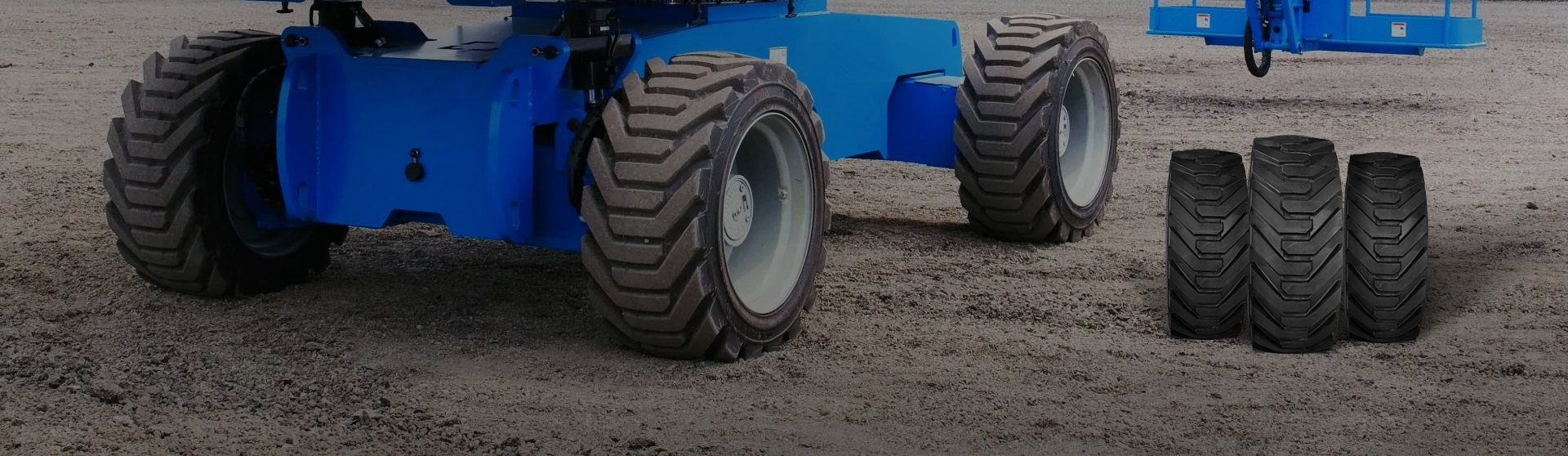

How Does the Assembly Process Ensure a Secure Rim Connection?
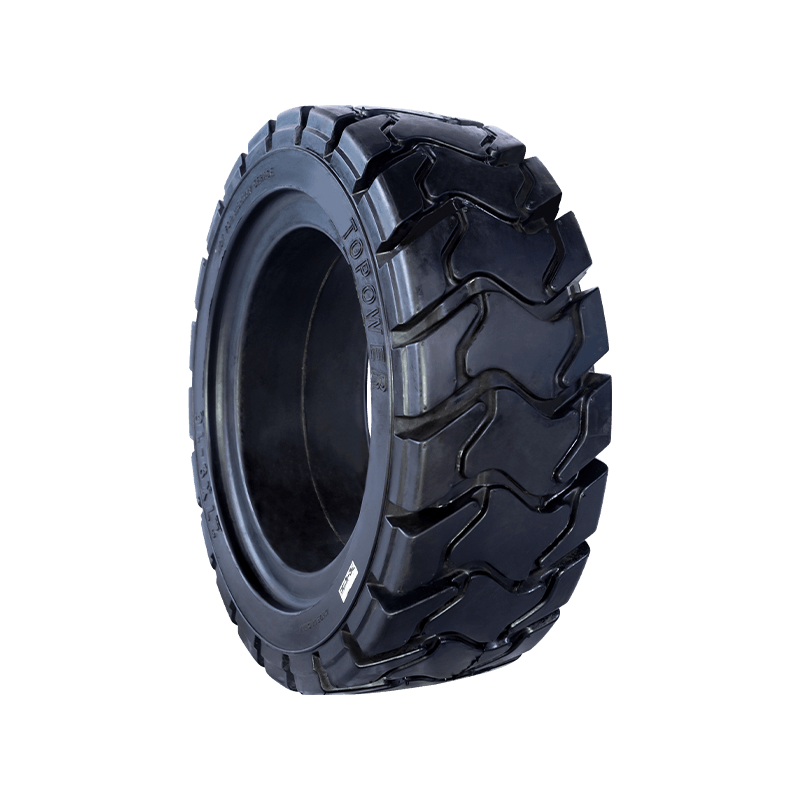
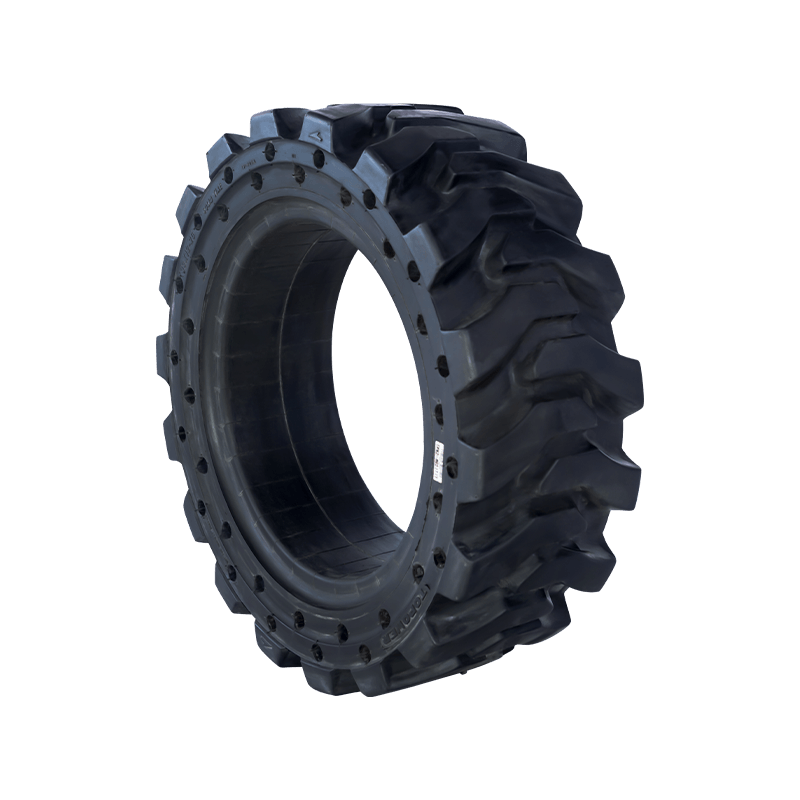
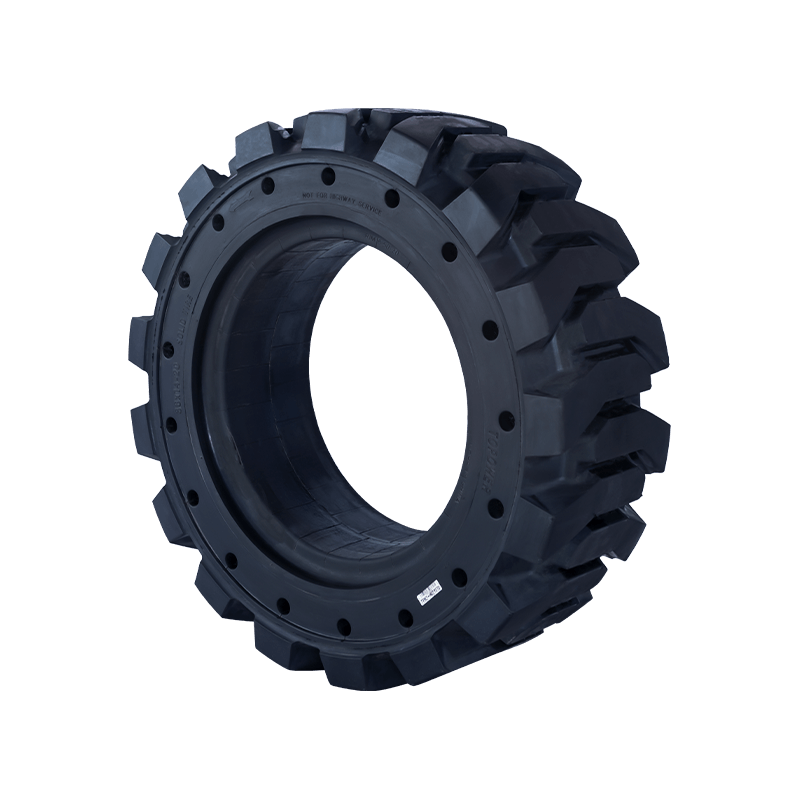
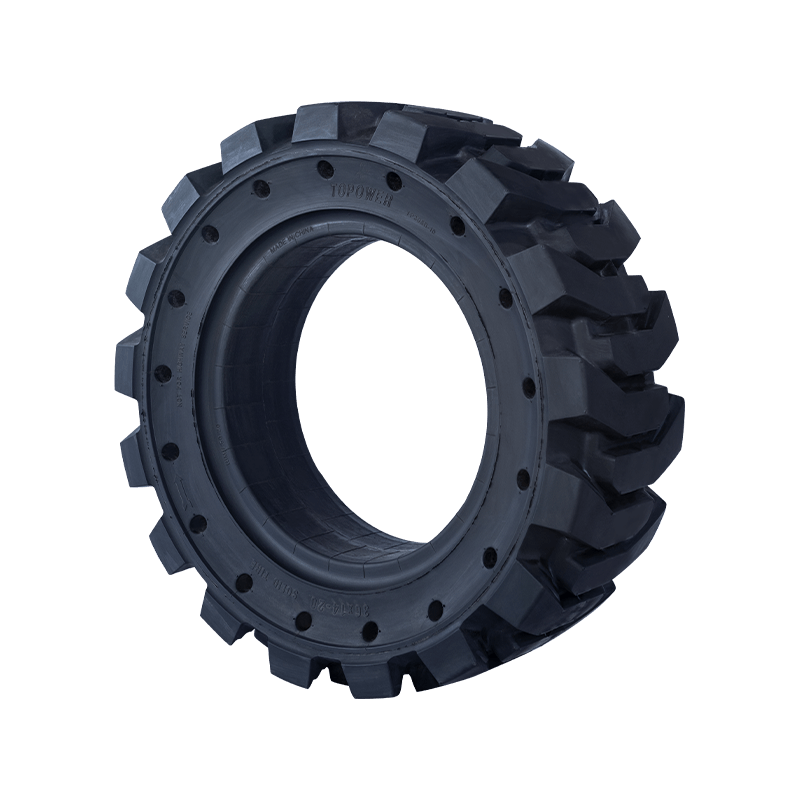
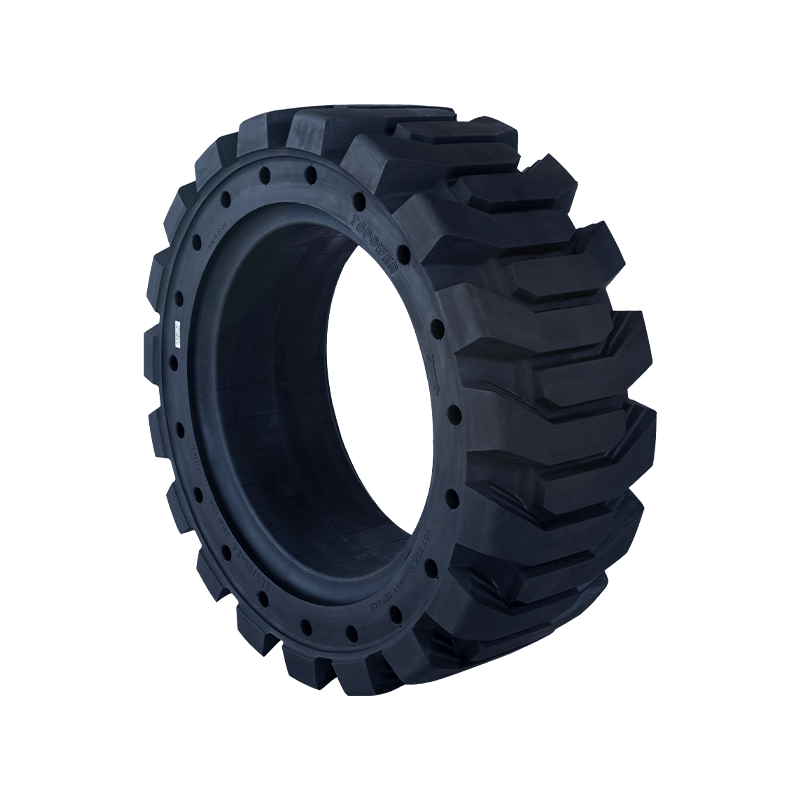
A critical question for maintenance managers is how a Forklift Solid Tyre maintains its integrity under extreme stress. The answer lies in the specialized assembly method. These tires are combined with the rim using a high-pressure tire pressing machine. This process creates a mechanical bond so tight that it prevents any slippage between the rubber and the metal during high-torque maneuvers.
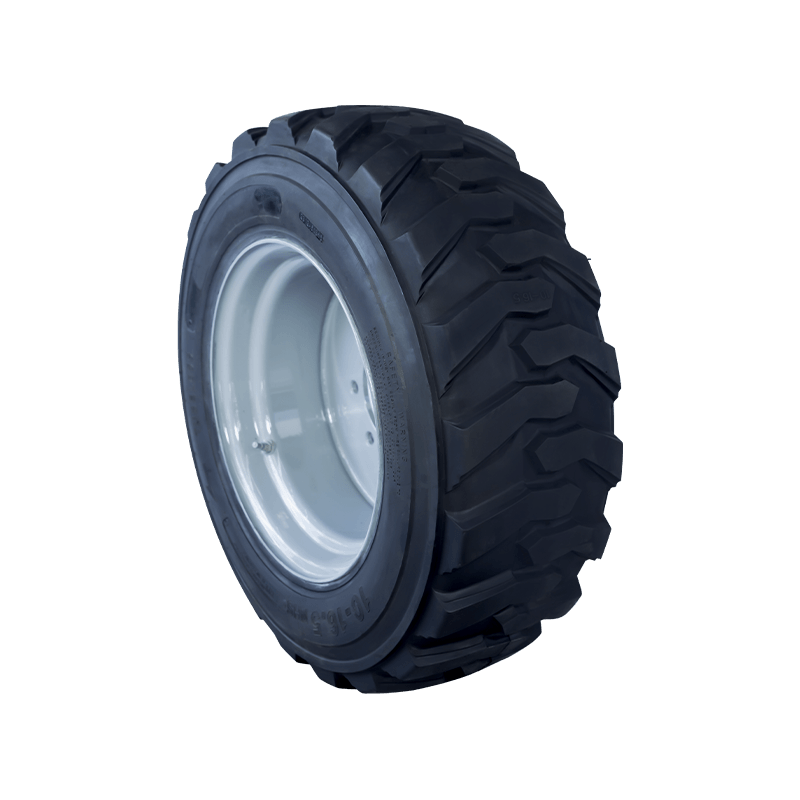
The precision of this fit is what allows the pneumatic rim solid tire to function as a single, cohesive unit. Because there is no air chamber to fail, the connection remains constant throughout the entire lifespan of the tire. This eliminates the catastrophic failures often seen when air-filled tires de-bead under heavy side-loading, ensuring that operations remain fluid and uninterrupted.
What Are the Primary Advantages of Strong Load-Bearing Capacity?
When a forklift is tasked with moving multi-ton pallets, why is the load-bearing capacity of a Forklift Solid Tyre so vital? Solid tires are manufactured with dense, multi-layer rubber compounds that do not compress like air. This inherent rigidity allows the forklift to carry significantly heavier loads with greater stability.
When using a Forklift Solid Tyre, the vehicle experiences much less "deflection" or swaying when the mast is fully extended. This stability is crucial for preventing tip-over accidents. Furthermore, the strong load-bearing capacity means that the tire footprint remains consistent, providing predictable handling characteristics regardless of whether the forklift is empty or at its maximum rated capacity.
Why Is "Maintenance-Free" the Key to Reducing Operational Costs?
In a busy warehouse, how much time is lost to checking tire pressure or repairing punctures? One of the most celebrated features of the Forklift Solid Tyre is that it is completely maintenance-free. Since there is no air to monitor and no possibility of a "flat," the logistical burden of tire upkeep is virtually eliminated.
For facilities operating 24/7, the transition to Forklift Solid Tyre solutions means fewer spare parts to stock and no need for on-site air compressors for tire maintenance. This "fit and forget" nature allows companies to allocate their labor resources to more productive tasks, effectively shortening operation time and improving the overall bottom line of the logistics chain.
How Do Explosion-Proof Performance and Cut Resistance Improve Safety?
In harsh working conditions involving metal shards, broken glass, or sharp debris, how does a Forklift Solid Tyre protect the operator? The tire boasts exceptional explosion-proof performance because, quite simply, it cannot explode. In environments where a sudden tire blowout could lead to a hazardous chemical spill or structural damage, the safety of a solid tire is non-negotiable.
Additionally, these tires offer superior cut resistance. The high-density rubber is designed to resist tearing even when driven over sharp industrial waste. This durability ensures that the Forklift Solid Tyre maintains its structural integrity in scrap yards, recycling centers, and construction sites where pneumatic tires would fail within hours.
What Are the Core Specifications of Modern Forklift Tires?
To assist in selecting the right equipment, what are the technical benchmarks for a standard Forklift Solid Tyre? The following table provides a snapshot of the performance features:
|
Feature |
Technical Attribute |
Operational Benefit |
|---|---|---|
|
Tire Type |
Pneumatic Rim Solid Tyre |
Universal fit for standard rims |
|
Material |
High-Density Wear-Resistant Rubber |
Long service life in abrasive areas |
|
Assembly |
Tire Pressing Machine Fitting |
No slippage under high torque |
|
Safety Feature |
Explosion-proof / Puncture-proof |
Zero downtime from flats |
|
Customization |
Non-marking / Black Wear-resistant |
Adaptable to clean-room or outdoor use |
|
Resistance |
High Cut and Tear Resistance |
Suitable for harsh debris environments |
Why Is Good Grip Essential for Harsh Working Conditions?
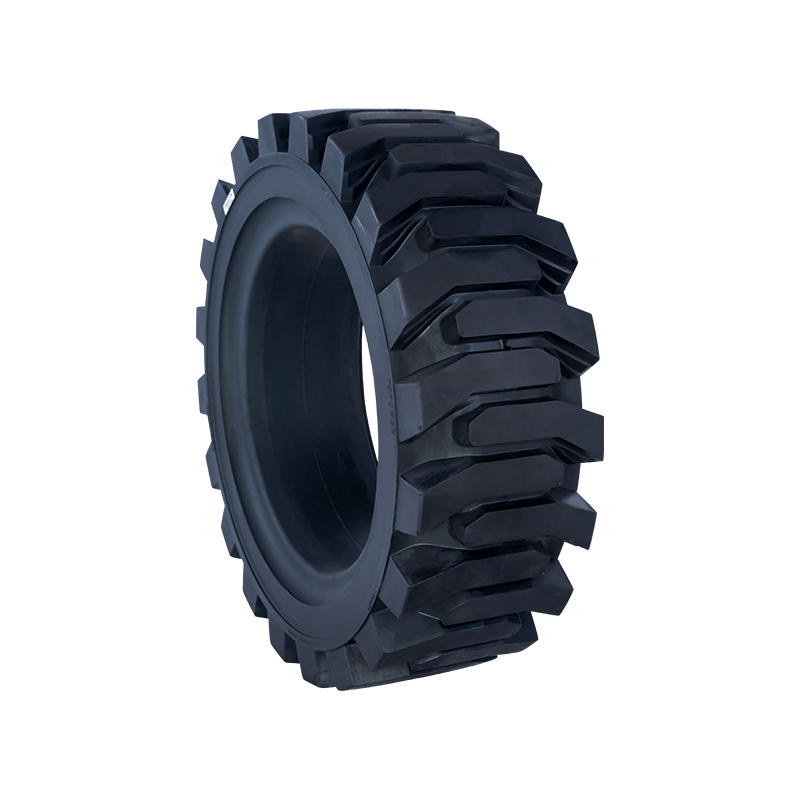
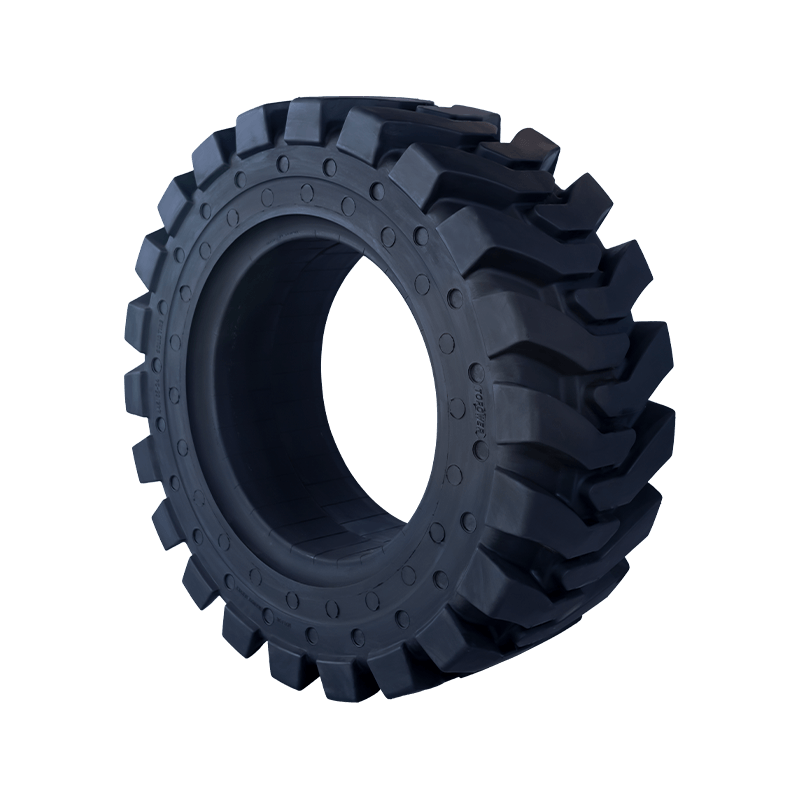
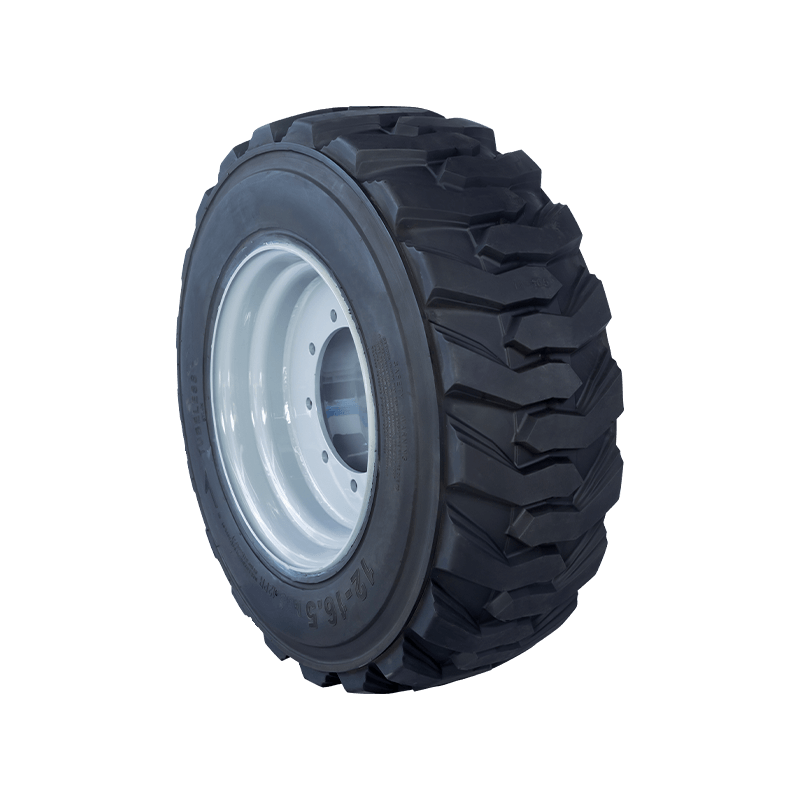
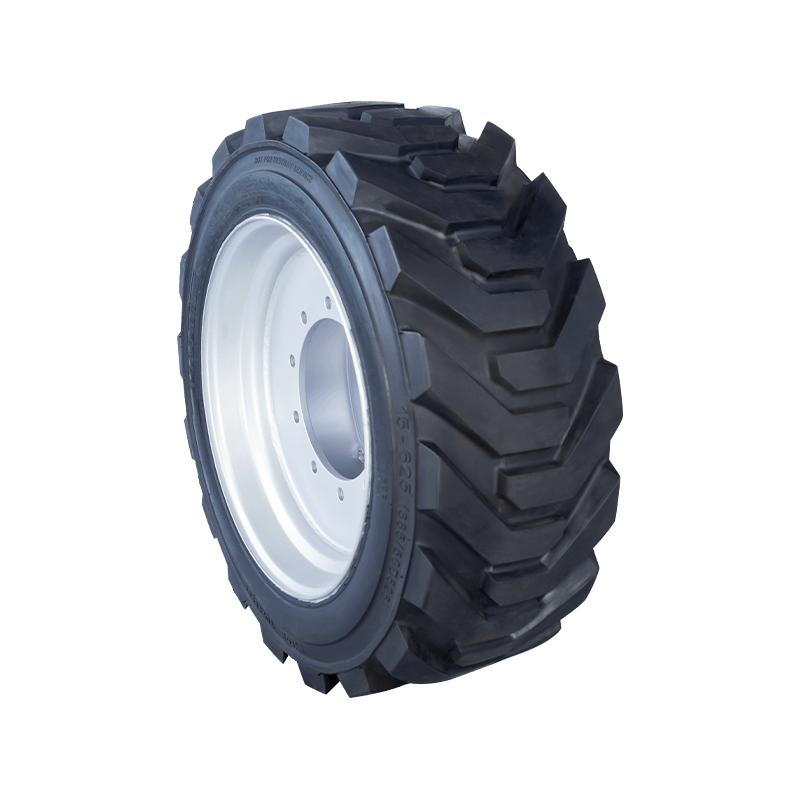
Can a solid tire provide enough traction on slippery or uneven surfaces? While some believe solid tires are too "hard" for traction, the modern Forklift Solid Tyre is designed with deep, aggressive tread patterns that provide excellent grip. Whether operating on wet concrete or dusty outdoor yards, the compound is optimized to "bite" into the surface.
This good grip is vital for both acceleration and braking. In emergency stop situations, the consistent contact patch of a Forklift Solid Tyre ensures that the vehicle stops within the predicted distance. This high level of safety is a primary reason why these tires are preferred in high-traffic loading docks where precision movement is required to avoid collisions with personnel or infrastructure.
How Does the Wear Resistance Extend the Tire Service Life?
When evaluating the return on investment, why is wear resistance the most important metric? A Forklift Solid Tyre is built to be a long-term asset. The specialized rubber formulations are designed to resist "chunking" and abrasive wear caused by constant friction against rough floor surfaces.
The longevity of a Forklift Solid Tyre is often three to four times that of a pneumatic equivalent. In high-cycle applications, such as a distribution center where forklifts travel miles every shift, the wear resistance translates to years of service. This reliability ensures that the forklift remains a stable platform for its entire operational life, avoiding the degradation in ride quality that occurs as pneumatic tires lose their shape.
When Should You Choose Non-Marking Tyres Over Black Wear-Resistant Tyres?
What are the specific environmental requirements that dictate tire choice? Manufacturers offer the ability to customize the Forklift Solid Tyre based on the floor type:
-
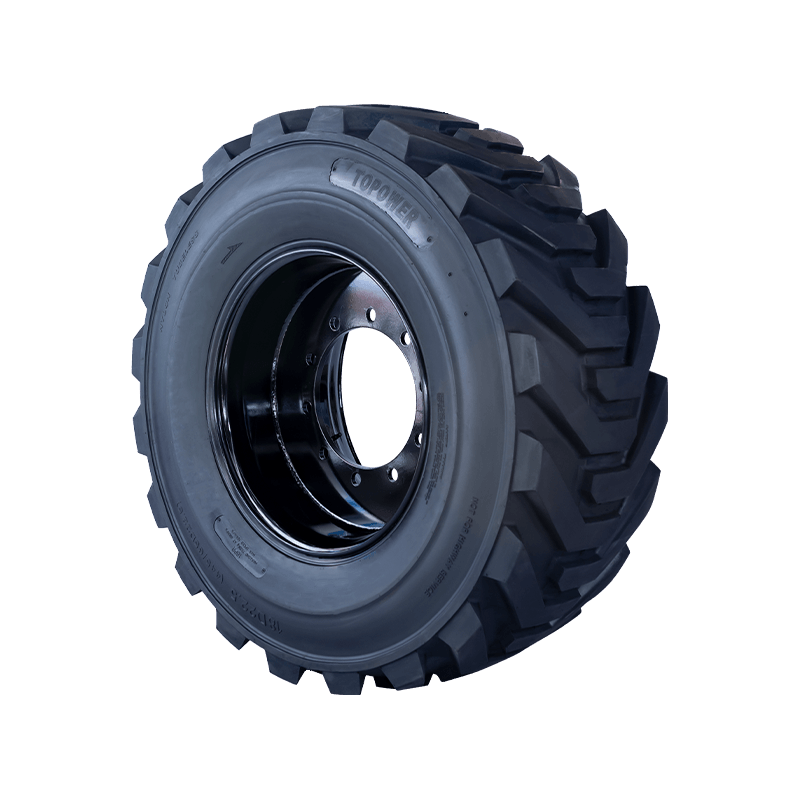
Black Wear-Resistant Tires: These are the standard for outdoor and heavy industrial use. They contain carbon black, which provides the ultimate in durability and heat dissipation.
-
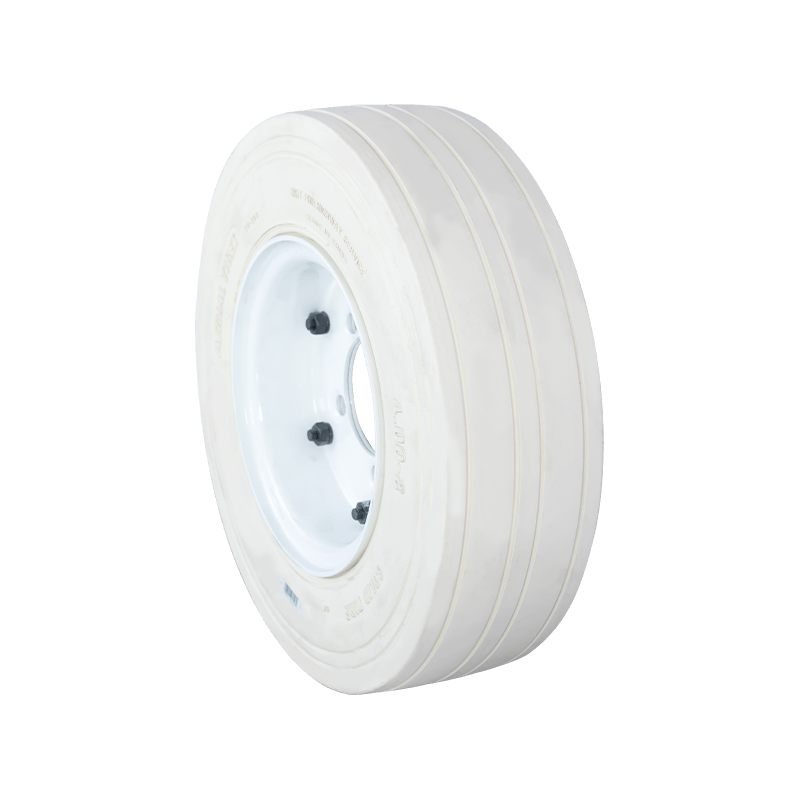
Environmentally Friendly Non-Marking Tires: In the food, beverage, and pharmaceutical industries, why are these essential? These tires are formulated without carbon black, ensuring they leave no dark scuff marks on clean-room floors or epoxy coatings.
The ability to choose between these two options allows a facility to maintain the high load-bearing capacity of a Forklift Solid Tyre while adhering to strict hygiene and aesthetic standards.
Why Is High Safety the Defining Characteristic of Solid Tires?
The Forklift Solid Tyre provides a predictable, stable, and durable interface between the machine and the ground. By ensuring that the base of the forklift will not move unexpectedly due to a pressure change and that the vehicle will not tip over due to a sudden puncture, these tires represent the pinnacle of safety engineering in the material handling industry. Their suitability for various harsh working conditions makes them the most versatile and secure choice for any modern warehouse or industrial plant.