 English
 русский
 Español
 عربى

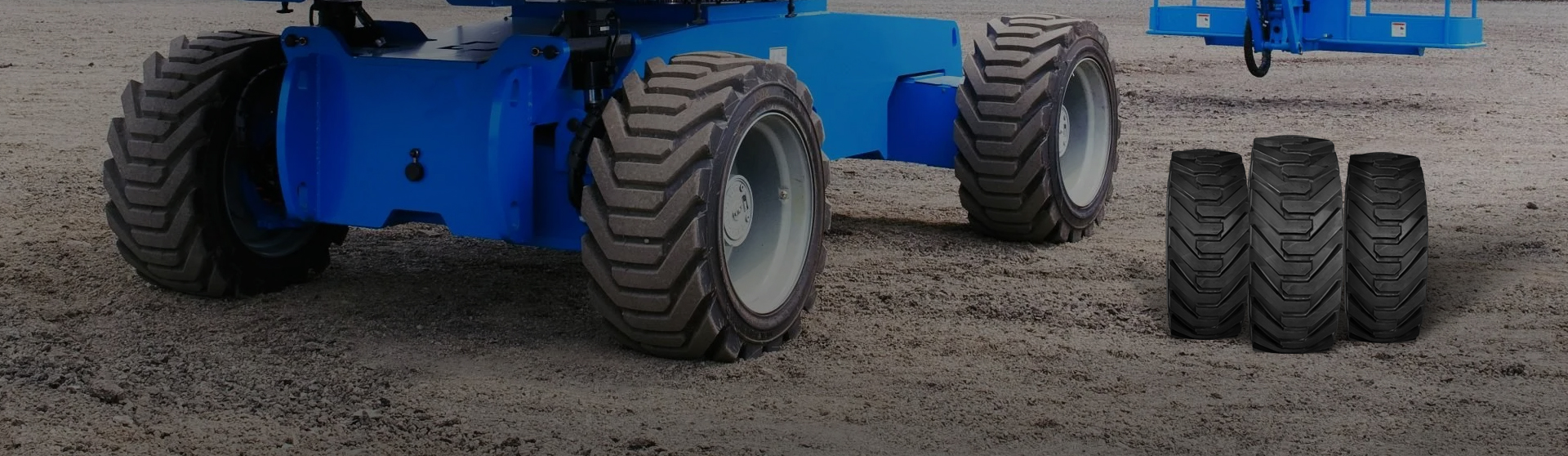

To foam fill a tire, you remove the valve core, clean and dry the inside, mix a two part polyurethane (PU) fill material to the maker's ratio, inject it from the lowest point while air escapes from the highest, stop when material appears at the vent, then seal the wheel and let it cure for at least 24 hours before use. The result is an airless, puncture proof tire. It is permanent, so it is best used on slow, off road, or low speed equipment such as wheelbarrows, hand trucks, lawn mowers, garden tractors, and skid steers, and it is not suitable for road vehicles.
A PU Foam Filled tyre can be made in two ways. You can foam fill an existing air tire yourself, with a hand or pump fed fill kit. Or you can buy a tyre that was foam filled at the factory, where the foam is injected into a mold with the wheel at controlled temperature and density. The factory route gives a more consistent result. The do it yourself route saves the cost of new tires but needs more care and safety. The sections below cover both, with quantities, safety rules, and troubleshooting.
What a PU Foam Filled Tyre Is and How It Compares With Other Tyres
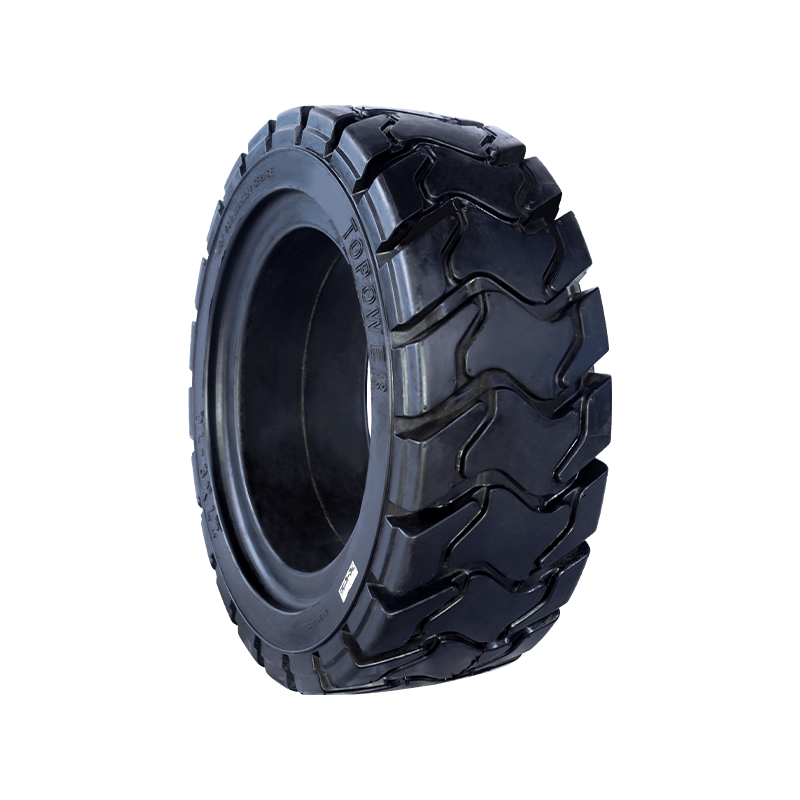
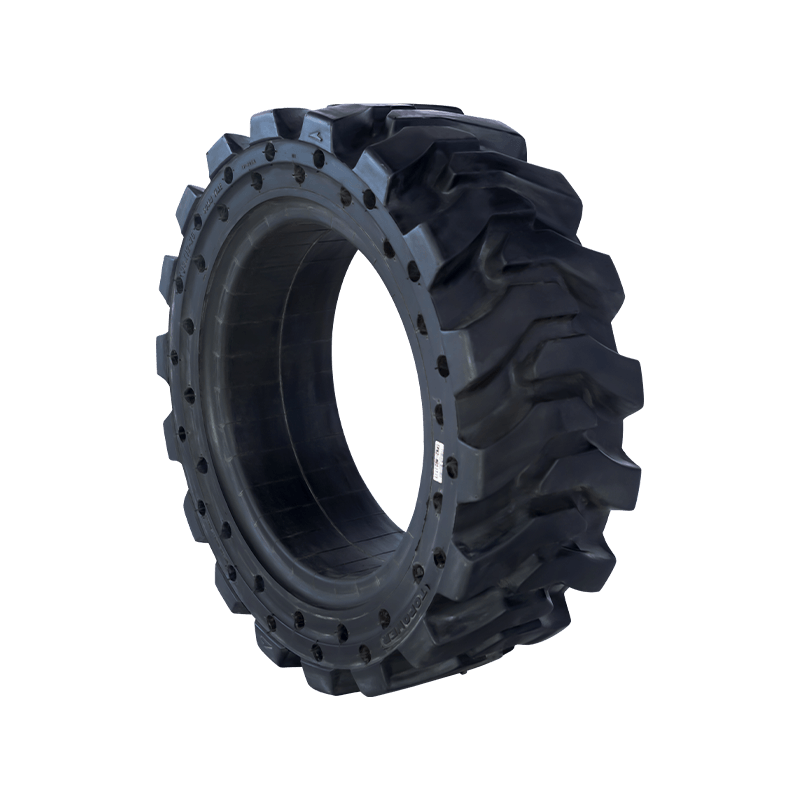
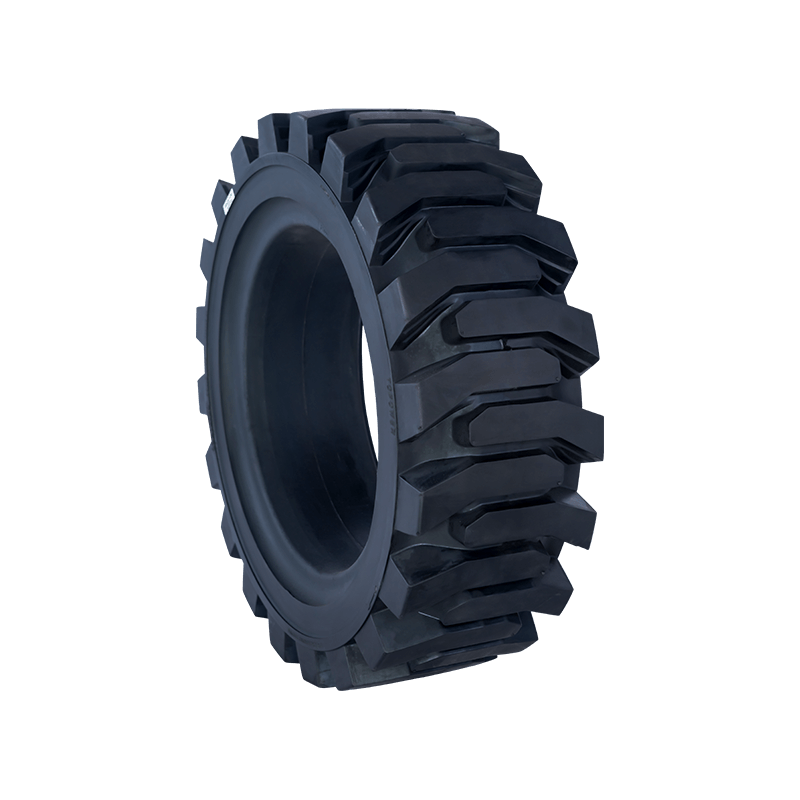
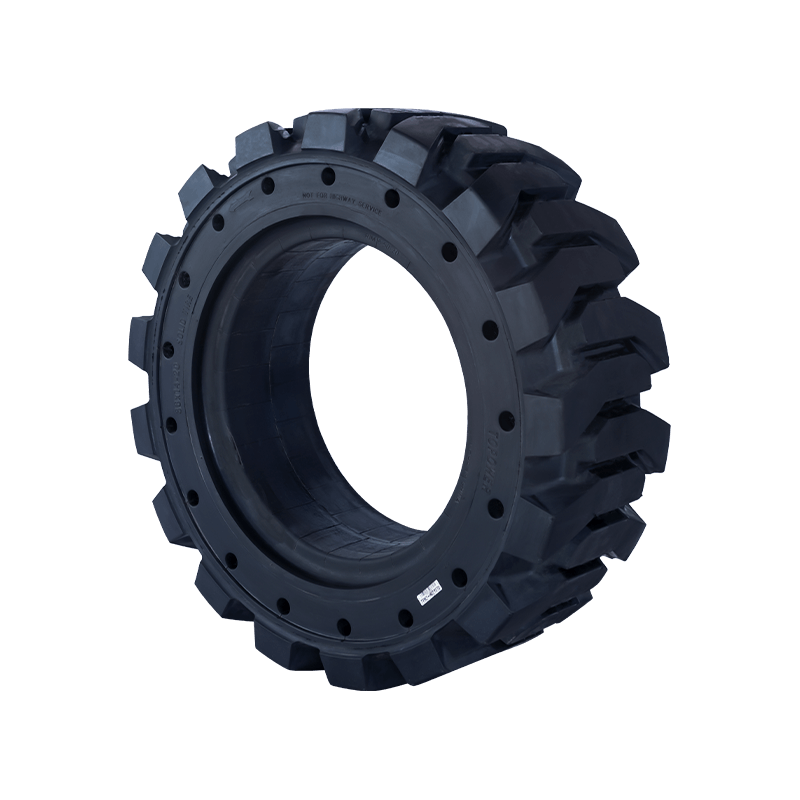
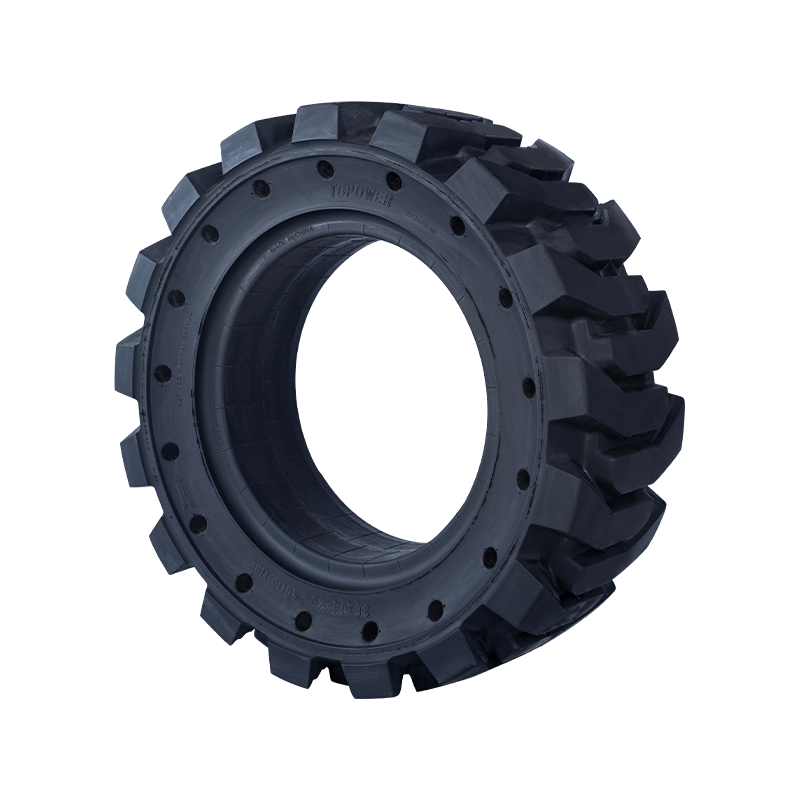
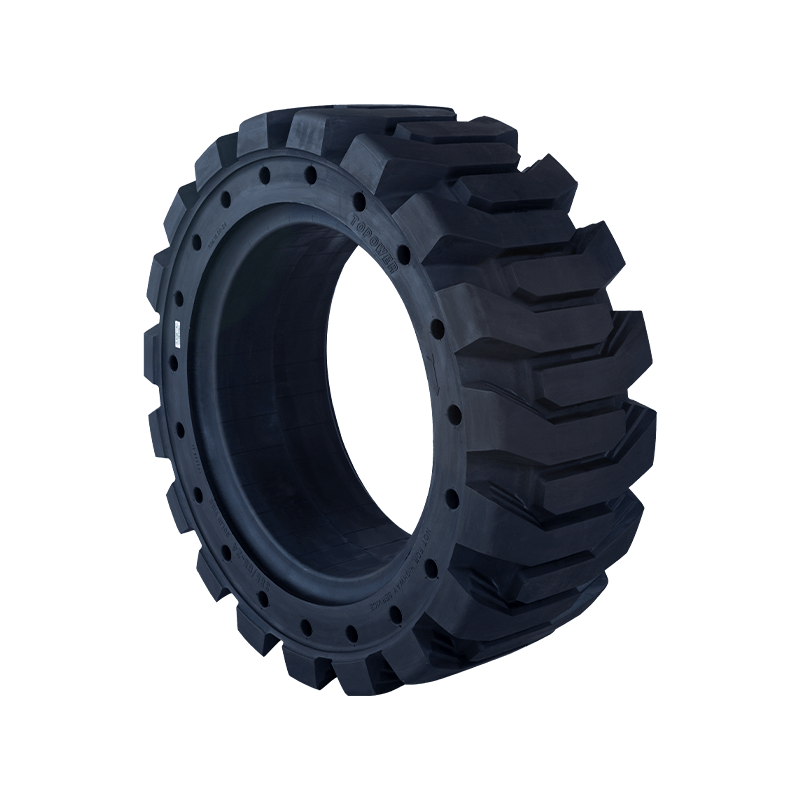
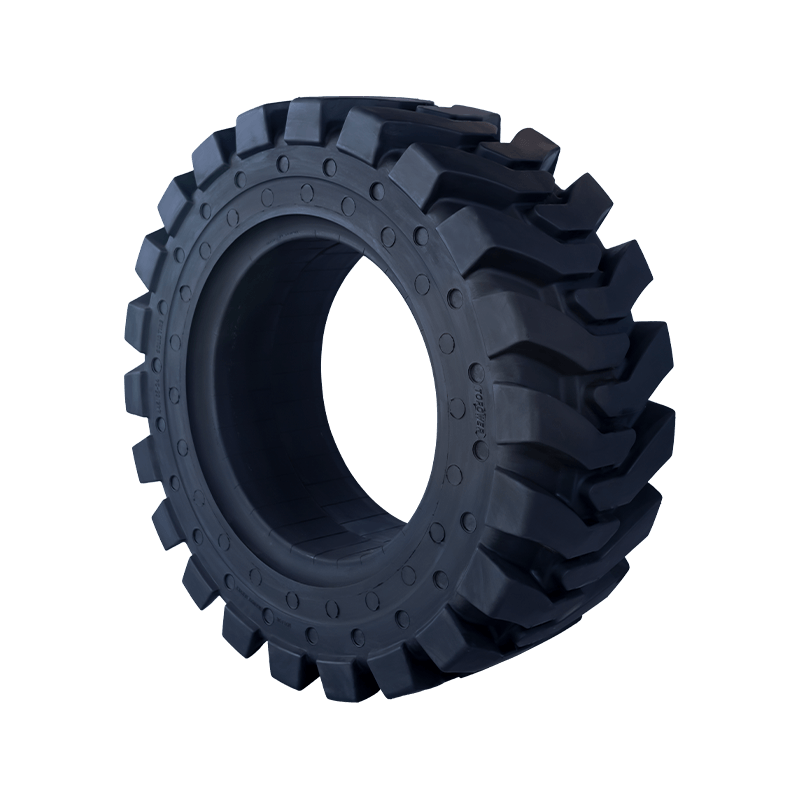
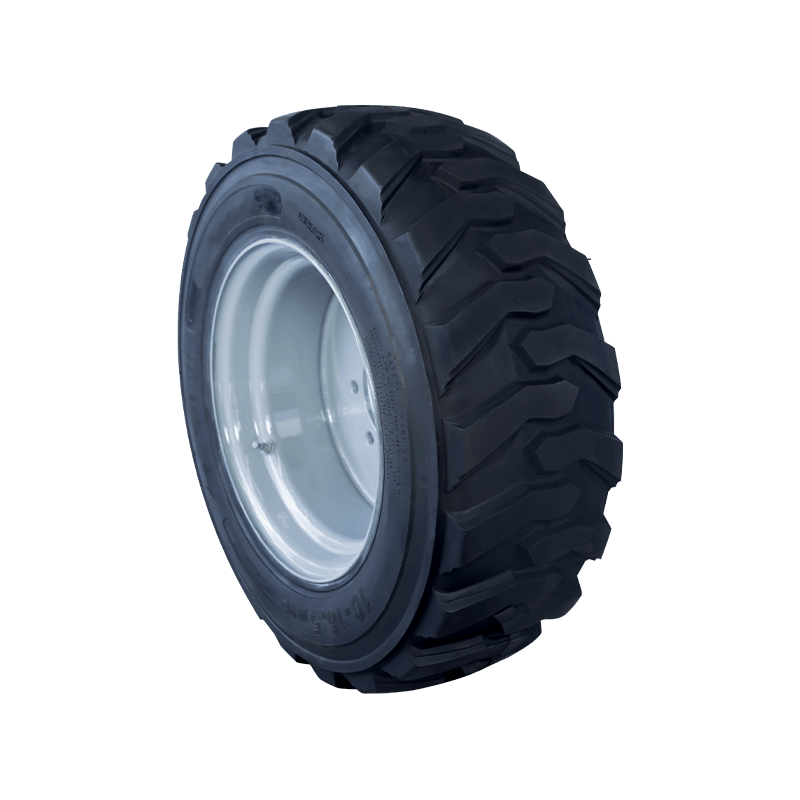
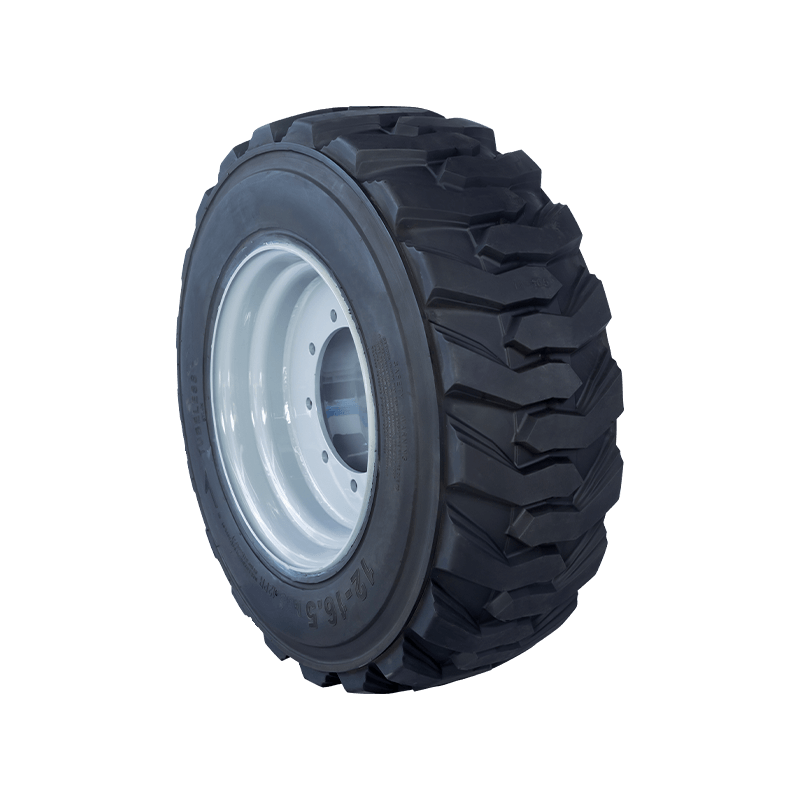
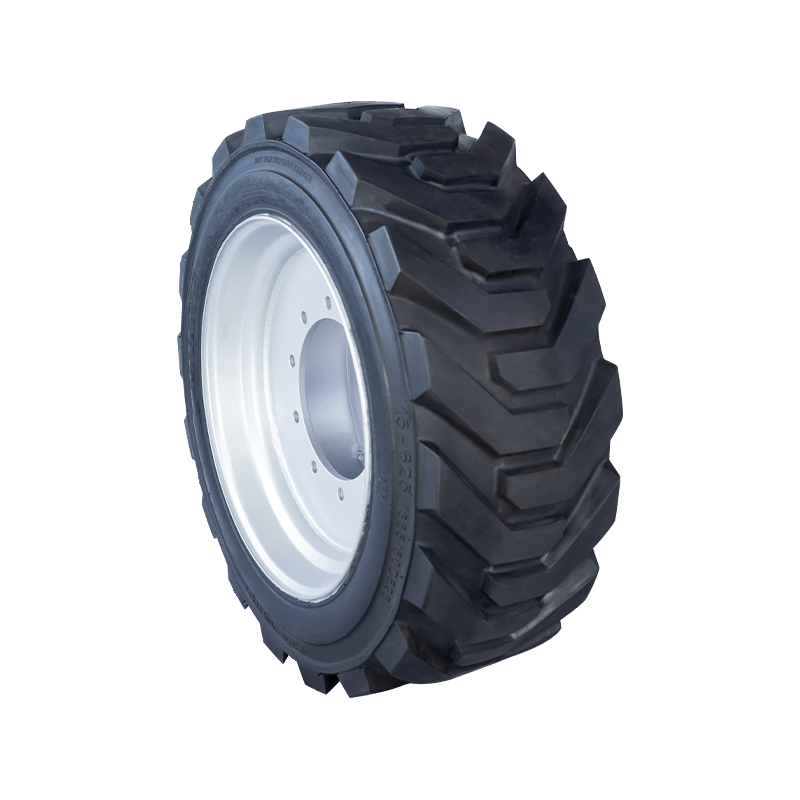
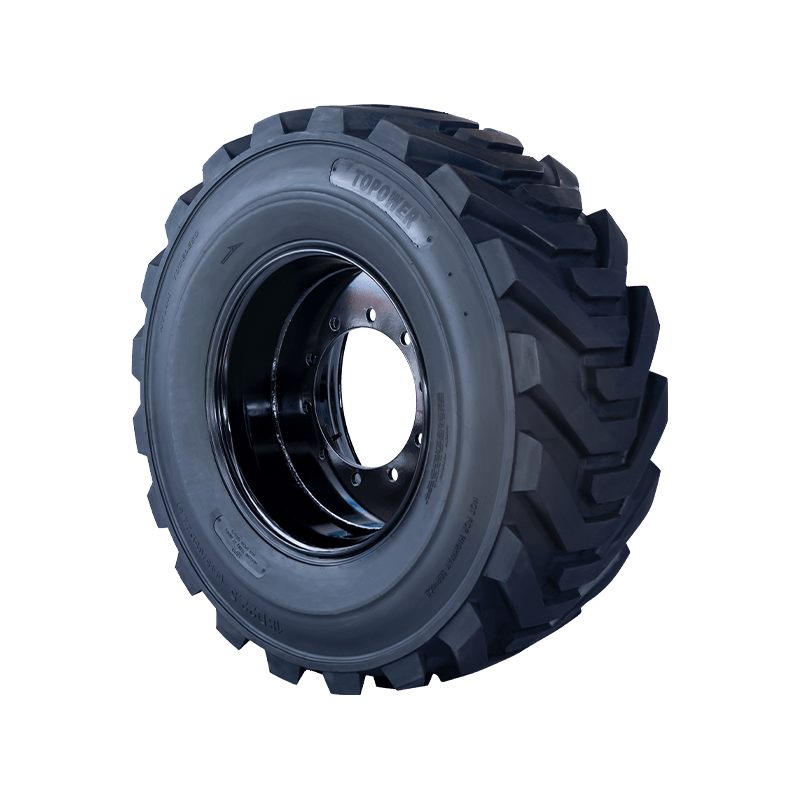
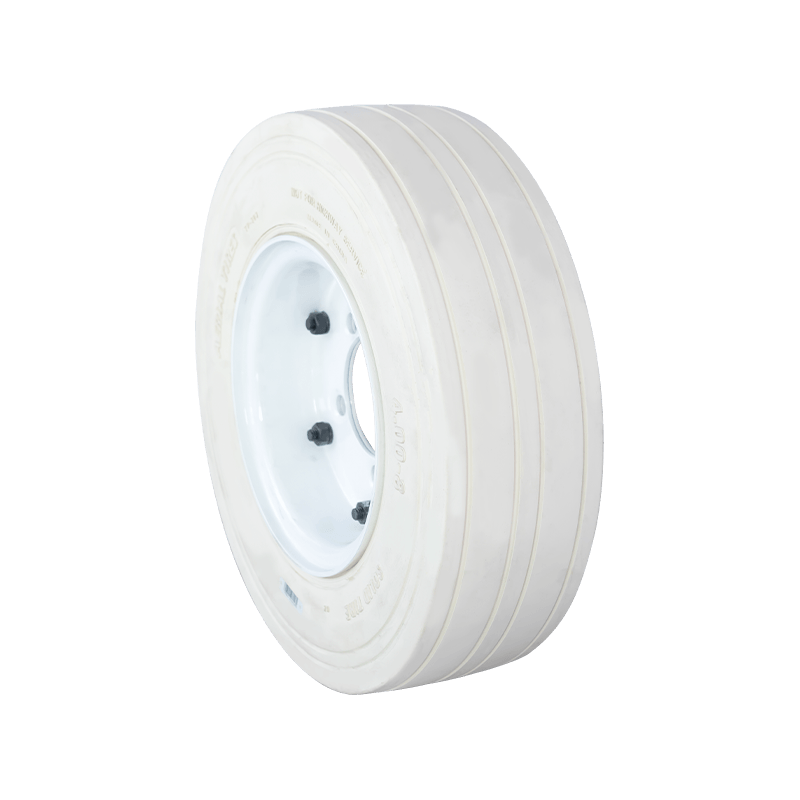
A PU Foam Filled tyre has its air cavity filled with polyurethane foam or elastomer instead of compressed air. The outer rubber tread and sidewall remain, so the tire keeps its shape, grip, and appearance, but it cannot go flat. Because the filler supports the load, there is no air pressure to check, no inner tube to puncture, and no risk of a sudden blowout.
| Feature | Air Filled Tire | PU Foam Filled Tyre | Solid Rubber Tire |
|---|---|---|---|
| Puncture resistance | Low | Very high, cannot go flat | Very high |
| Ride comfort | Best, adjustable pressure | Good, firmer than air | Hardest |
| Weight | Lightest | Heavier than air, lighter than solid | Heaviest |
| Maintenance | Regular pressure checks | None for pressure | None |
| Adjustability | Pressure can be changed | Fixed once cured | Fixed |
| Suitable speed | All speeds, per rating | Low speed, generally below about 25 mph (40 km/h) | Low speed |
| Typical use | Vehicles, bicycles, general equipment | Wheelbarrows, mowers, carts, skid steers | Hand trucks, casters, indoor carts |
When Foam Filling Makes Sense and When It Does Not
Good Reasons to Foam Fill
- Frequent punctures: thorny ground, scrap yards, construction sites, farms, and gravel paths where flats cost time every week.
- Slow, heavy loads: skid steers, loaders, and carts that carry weight at walking pace, where stability matters more than ride comfort.
- No maintenance wanted: equipment that sits for long periods and often has low pressure when needed.
- Safety: a flat or blowout would create a tipping or crushing hazard for the operator.
When Not to Foam Fill
- Road vehicles and fast equipment: foam holds heat during sustained flexing, and speed ratings do not apply once the tire is filled.
- Damaged tires: cuts in the sidewall, exposed cords, or a bad bead seal will not be repaired by foam.
- Comfort sensitive equipment: wheelchairs and scooters that need a soft ride may be better with a low density factory foam than a hard fill.
- Tires you may want to reuse: filling is effectively permanent, and removing cured foam from a tire is difficult.
Materials and Tools for Foam Filling a Tire
- Two part PU fill material: choose a product made for tire filling, with the density and hardness suited to your load. Check the data sheet for mix ratio, pot life, and cure time.
- Fill equipment: a hand dispensing kit, a mixing gun, or a metering pump, plus a fill adapter that fits the valve hole.
- Valve tools: a valve core remover and, where possible, a vent fitting for the highest point of the wheel.
- Scale or measuring cups: to measure parts accurately by weight or volume, whichever the data sheet specifies.
- Protective gear: nitrile gloves, safety goggles, and a respirator suited to isocyanate vapor if ventilation is poor.
- Cleaning supplies: rags, solvent recommended by the manufacturer, and a drop cloth.
How to Foam Fill a Tire Step by Step
This sequence applies to a tubeless tire mounted on a sealed rim. If your tire has an inner tube, remove the tube first, or use a tire and rim that are designed to be filled. Always follow the product's own instructions where they differ.
- Check the tire and rim: inspect for cuts, bead damage, and rim leaks. Fix or replace anything doubtful before you fill.
- Deflate and prepare: remove the valve core to release all air. Make sure the inside is clean and completely dry, because moisture reacts with the isocyanate and creates bubbles and voids.
- Control the temperature: work at about 15 to 30 degrees Celsius. Cold material is thick and cures slowly, while hot material cures too fast to fill properly.
- Position the wheel: as a general rule, fill from the lowest valve or opening and vent from the highest point, so air escapes ahead of the liquid. A single valve wheel needs a fill adapter that leaves a gap for air to escape.
- Mix the material: measure the two parts exactly to the data sheet ratio, then mix for the stated time. Do not mix more than you can pour within the pot life.
- Inject slowly: fill with steady flow and do not exceed the tire's rated inflation pressure. Stop when material appears at the vent.
- Seal and cure: plug the openings, wipe off spillage before it cures, and keep the wheel still. Allow at least 24 hours at about 20 degrees Celsius, longer in the cold, or as the data sheet states.
- Inspect and test: check for leaks at the bead and valve, compare the weight with the calculated fill, and check balance if the equipment runs fast. Test at low speed before full use.
How Much Foam Do You Need
Estimate the air cavity volume, then multiply by the target density. A useful approximation for the cavity in millimetres is V = 2.47 × w × h × (D + h), where w is the section width, h is the section height, and D is the rim diameter. Divide by 1,000,000 to get litres.
For example, a small wheelbarrow or hand truck tire with a width of 100 mm, a height of 98 mm, and an 8 inch (203 mm) rim has a cavity of about 7.3 litres. At a fill density of 0.35 kilograms per litre, you need about 2.5 kilograms of mixed material, or about 2.7 kilograms with 5 percent allowance for waste. A set of four needs about 10.7 kilograms, and the wheels gain about 10 kilograms in weight. For a large skid steer tire of 12 by 16.5 inches, the cavity is about 99 litres, and a solid elastomer fill at roughly 1.0 kilogram per litre adds about 100 kilograms per tire. These are illustrations, so always use the data sheet for your product.
Safety Rules for Working With Polyurethane Fill
- Isocyanate hazard: one of the components is an isocyanate, which can irritate the skin and lungs and cause sensitization. Wear gloves, goggles, and respiratory protection as the safety data sheet requires.
- Ventilation: work outdoors or in a well ventilated area, away from ignition sources and open flames.
- Pressure: never exceed the tire and rim rated pressure while filling, because overfilling can break a bead or damage the rim.
- Skin contact: wash splashes immediately with soap and water and follow the first aid advice on the data sheet.
- Waste: let leftover material cure in the container before disposal, and follow local waste rules.
- Large tires: for heavy equipment tires, use a trained professional with the right pump and handling equipment.
How a Factory PU Foam Filled Tyre Is Made
Factory production follows the same chemistry but with tight control of temperature, density, and shape, which is why the result is more uniform than a field fill.
- Wheel and tire preparation: the rim and outer tire are cleaned, and a release agent is applied to the mold surfaces that touch the foam.
- Mold loading: the wheel and outer shell are placed in a closed mold that sets the final shape.
- Metering and injection: a machine meters the two components at the right ratio and temperature, then injects a measured shot of material.
- Cure in the mold: the foam expands to fill the cavity and cures, often at a mold temperature in the range of 40 to 60 degrees Celsius, depending on the system.
- Demolding and post cure: the tyre is removed and rested to finish curing before inspection and packing.
The density of the foam is set by shot weight and the formulation, and it is the main lever for balancing comfort against load capacity.
| Density Grade | Approximate Density | Feel | Typical Use |
|---|---|---|---|
| Low | About 0.25 to 0.35 kg per litre | Soft, most comfortable | Hand trucks, light carts, scooters |
| Medium | About 0.35 to 0.5 kg per litre | Balanced | Wheelbarrows, mowers, garden carts |
| High | About 0.5 to 0.7 kg per litre | Firm, higher load capacity | Heavy carts, industrial trolleys |
| Solid elastomer | Roughly 1.0 kg per litre | Hard, very stable | Skid steers, loaders, heavy off road equipment |
Foam Filling Problems and How to Fix Them
| Problem | Likely Cause | Prevention or Fix |
|---|---|---|
| Voids or soft spots | Moisture inside, poor mixing, trapped air | Dry the cavity, mix fully, fill from the bottom and vent at the top |
| Material still sticky after 24 hours | Wrong ratio, cold temperature, expired material | Check ratio and date, warm the area, allow more time |
| Foam leaks at the bead | Overpressure, damaged bead seal | Fill slowly within rated pressure, reseat or replace the tire |
| Ride too hard | Density too high for the load | Choose a lower density product next time |
| Wheel out of balance | Uneven fill or voids | Weigh and compare wheels, rebalance or refill |
| Foam pulling away from the tire | Dirty or oily inner surface, wrong mix | Clean the inside thoroughly and measure the mix accurately |
Do It Yourself Fill or Factory PU Foam Filled Tyre: How to Choose
- Choose a factory PU Foam Filled tyre when you need consistent density, good balance, a predictable ride, and a product with a warranty, especially for a fleet of wheelbarrows, carts, or trolleys.
- Choose a field fill when you already own good tires and rims, the equipment is heavy and slow, and the cost of replacement tires is high.
- Compare total cost: include the fill material, labor, downtime, and the weight added, not only the price of the tire.
- Check the speed and load: confirm that the equipment's speed and load stay within the fill supplier's limits.
- Ask for data: request density, hardness, load capacity, and temperature range from the supplier before you buy.
Care and Service Life of a Foam Filled Tire
- Inspect the tread and sidewalls regularly, because the outer rubber still wears.
- Avoid long periods of heavy load and high speed, which build heat inside the foam.
- Keep the tire clean and away from solvents and fuels that can attack the rubber.
- Store wheels off the ground and out of direct sunlight when the equipment is idle.
- Replace the tire when the tread is worn through or the sidewall is cracked.
Frequently Asked Questions
1. How to foam fill a tire?
Remove the valve core, clean and dry the inside, mix a two part polyurethane fill to the maker's ratio, inject it from the lowest point while venting at the highest, stop when it appears at the vent, then seal and cure for at least 24 hours.
2. What is a PU Foam Filled tyre?
It is a tyre whose air cavity is filled with polyurethane foam or elastomer, so it cannot go flat. The outer rubber provides tread and shape, and the foam supports the load.
3. Can I foam fill a tire at home?
Yes, for small tires on wheelbarrows, mowers, and carts, using a kit made for tire filling. Follow the data sheet, wear protective gear, and work in a ventilated area. For large tires, use a professional.
4. How long does a foam filled tire take to cure?
Commonly at least 24 hours at about 20 degrees Celsius, longer in the cold. Some products need up to 72 hours for full strength, so follow the data sheet.
5. How much foam do I need to fill a tire?
Estimate the cavity volume in litres, then multiply by the target density in kilograms per litre, and add about 5 percent for waste. For a small wheelbarrow tire, this is roughly 2.5 to 2.7 kilograms at a medium density.
6. Can a foam filled tire be used on the road?
Generally no. Foam holds heat under sustained flexing and removes the speed and load rating of the original tire. Use foam filled tires only on slow, off road, or low speed equipment.
7. Does a PU Foam Filled tyre ride rougher than an air tire?
Usually yes, because there is no adjustable air cushion. Choosing a lower density foam gives a softer ride, while a higher density gives more load capacity and a firmer feel.
8. Can I remove foam from a tire after filling?
It is very difficult once cured. In most cases, the tire is cut apart or replaced. Treat foam filling as permanent and only fill tires you will keep for their full life.
9. Is a foam filled tire heavier than an air tire?
Yes. The added weight equals the cavity volume times the fill density. A small tire may gain about 2.5 kilograms, while a large skid steer tire with solid elastomer can gain roughly 100 kilograms.
10. What should I check when buying a PU Foam Filled tyre?
Check the size and rim fit, foam density and hardness, load capacity, intended speed, temperature range, and warranty. Ask whether the foam is bonded or free fill, and request test data from the supplier.