 English
 русский
 Español
 عربى
عربى
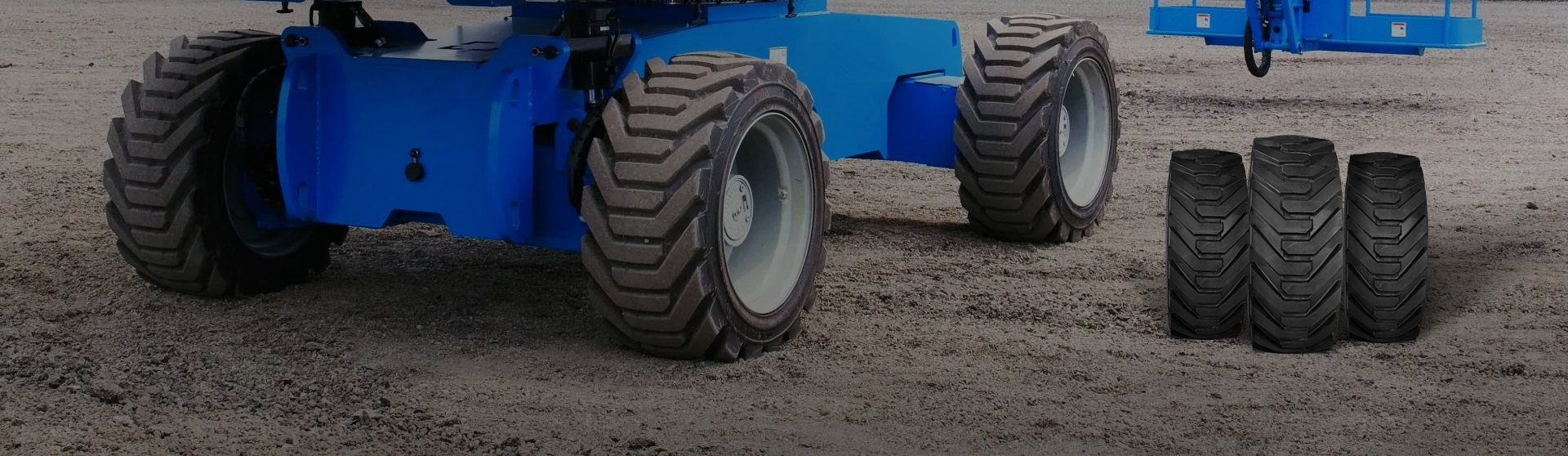

In the high-stakes industry of Aerial Work Platforms (AWP), the four contact points of a scissor lift are often overlooked until a failure occurs. However, when an operator is working at a height of 15 meters, those tyres are the only barrier between a stable platform and a catastrophic tip-over. This guide moves beyond basic maintenance to explore the strategic impact of choosing the right Scissor Lift Tyre for safety, efficiency, and long-term profitability.
Safety First: The Mechanical Integrity of Aerial Tyres
High-altitude stability starts at the ground level. Unlike standard material handling equipment, scissor lifts require a tyre with specific mechanical properties to ensure occupant safety.
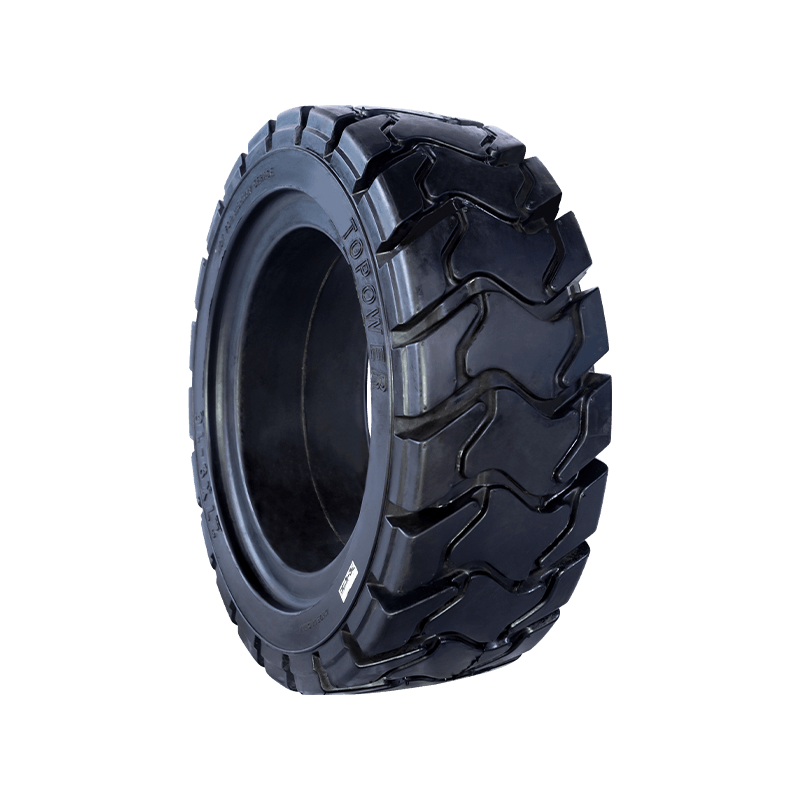
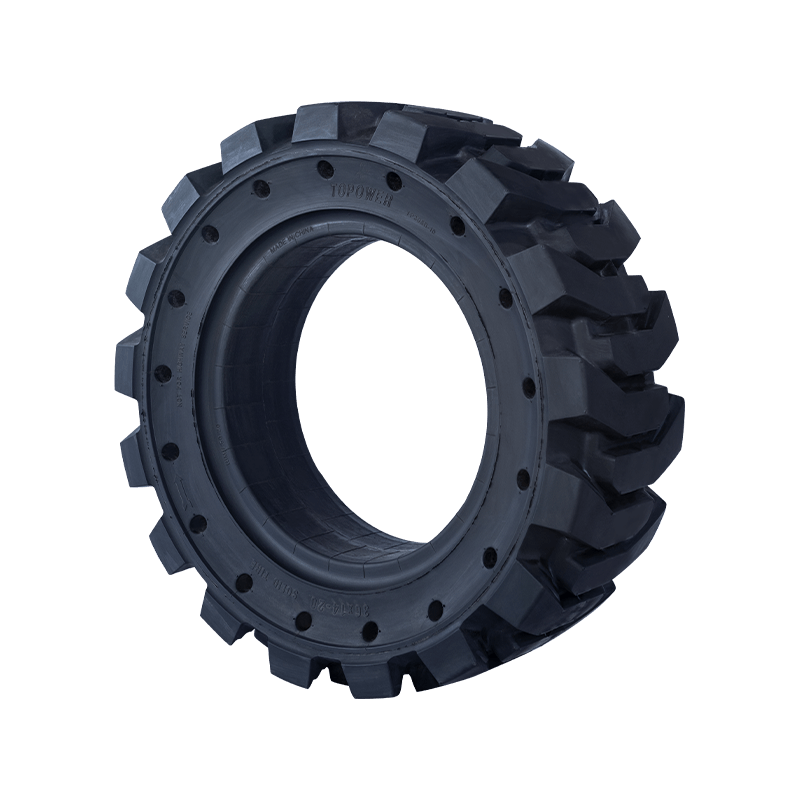
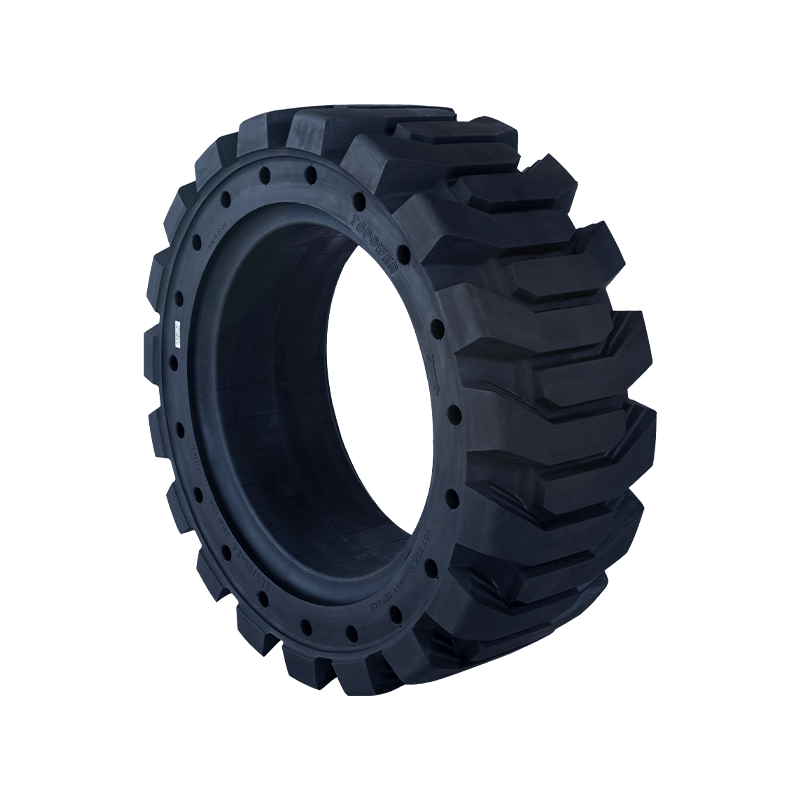
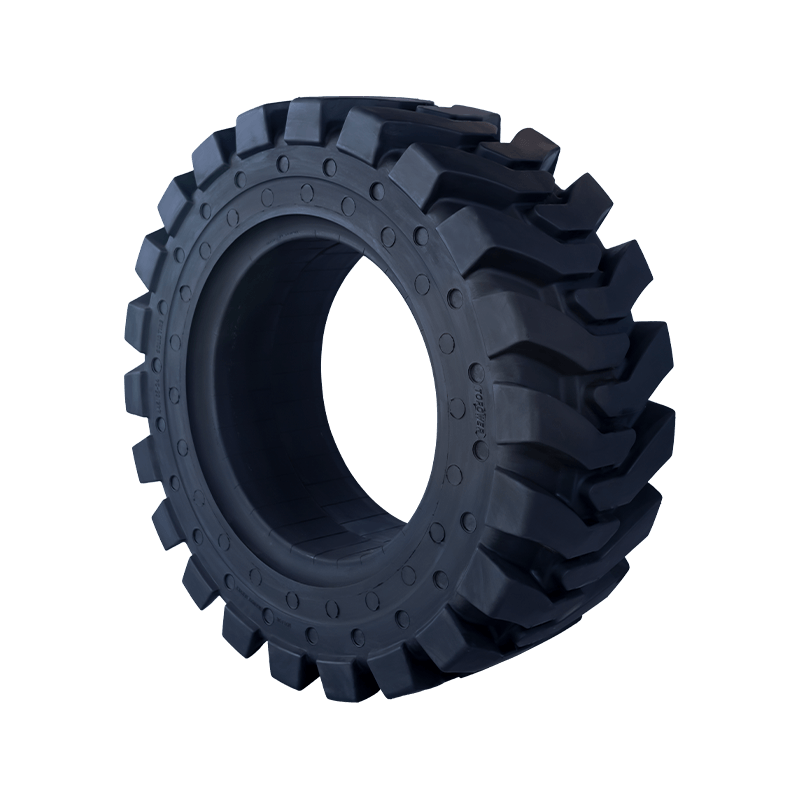
High-Durometer Stability: Premium Scissor Lift Tyres are engineered with a high-durometer solid rubber compound. This rigidity is essential to eliminate "pneumatic sway"—the dangerous oscillation that occurs at full mast extension. By providing a rock-solid foundation, high-durometer rubber ensures the machine remains perfectly level even under maximum load.
Integrated Steel Banding & Vulcanization: A critical failure point in low-quality tyres is delamination. Our tyres feature rubber that is chemically vulcanized directly onto a heavy-duty steel band. This "Press-on" architecture is designed to withstand the intense lateral forces and high torque generated during tight maneuvering on elevated platforms.
The "Zero-Deflection" Engineering: In aerial work, a mere 5mm of tyre compression can translate to a terrifying 30cm sway at the platform. Our premium solid rubber is precision-molded to offer near-zero deflection, protecting the operator from "sway fatigue" and ensuring the machine’s tilt sensors remain within safe operational parameters.
Operational Precision: Compound and Tread Technology
The working environment dictates the tyre specification. Matching the compound to the floor condition is the key to maximizing uptime.
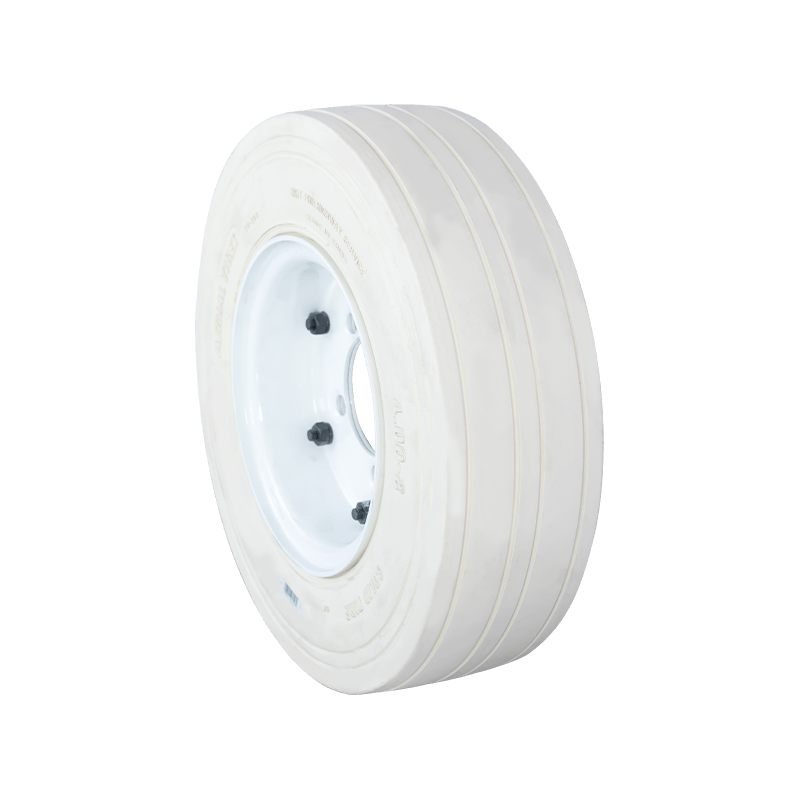
Non-Marking Silica Innovation: For indoor facilities, such as food processing plants and clean-room warehouses, hygiene is paramount. By replacing carbon black with advanced silica, our Non-Marking Scissor Lift Tyres provide high-traction performance without leaving a single skid mark on epoxy or polished concrete surfaces.
Anti-Vibration Core Technology: Modern job sites often have uneven floor joints. We incorporate a specialized "cushion" layer within the solid rubber matrix. This internal suspension acts as a shock absorber, protecting the lift’s sensitive hydraulic valves and electronic control modules from the damaging effects of constant vibration.
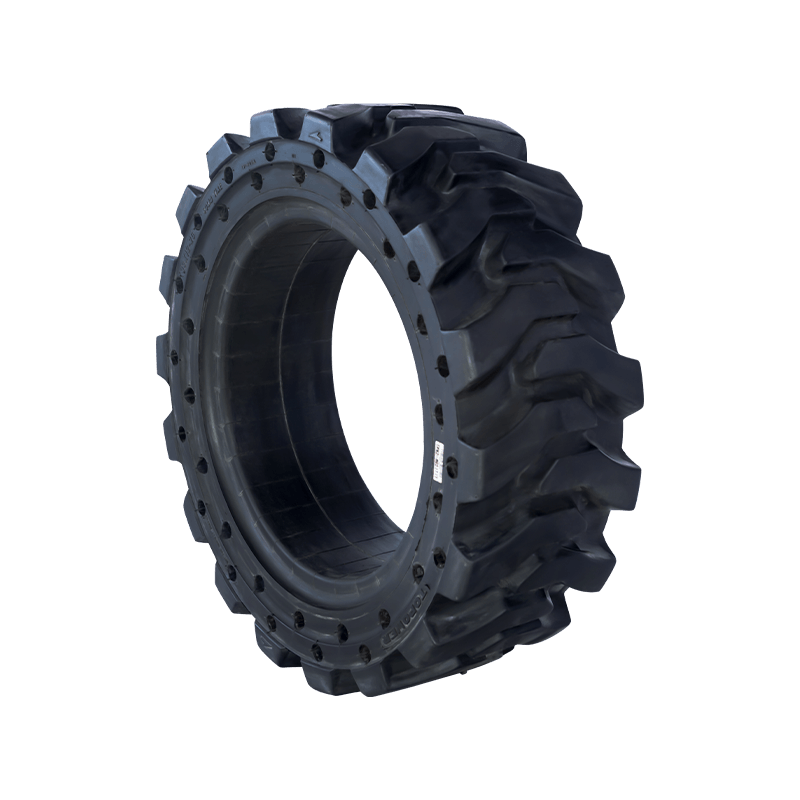
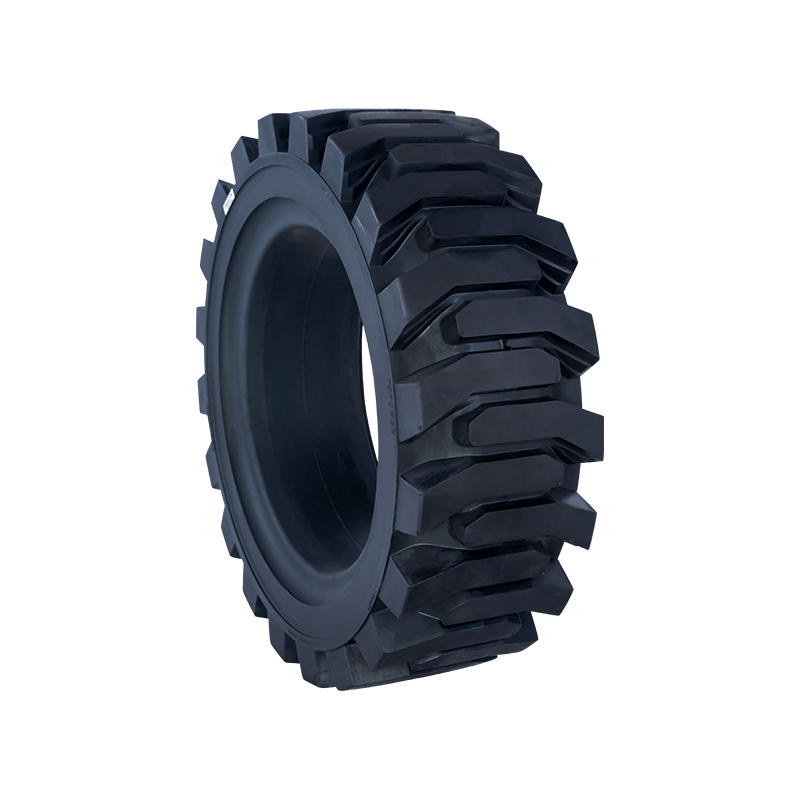
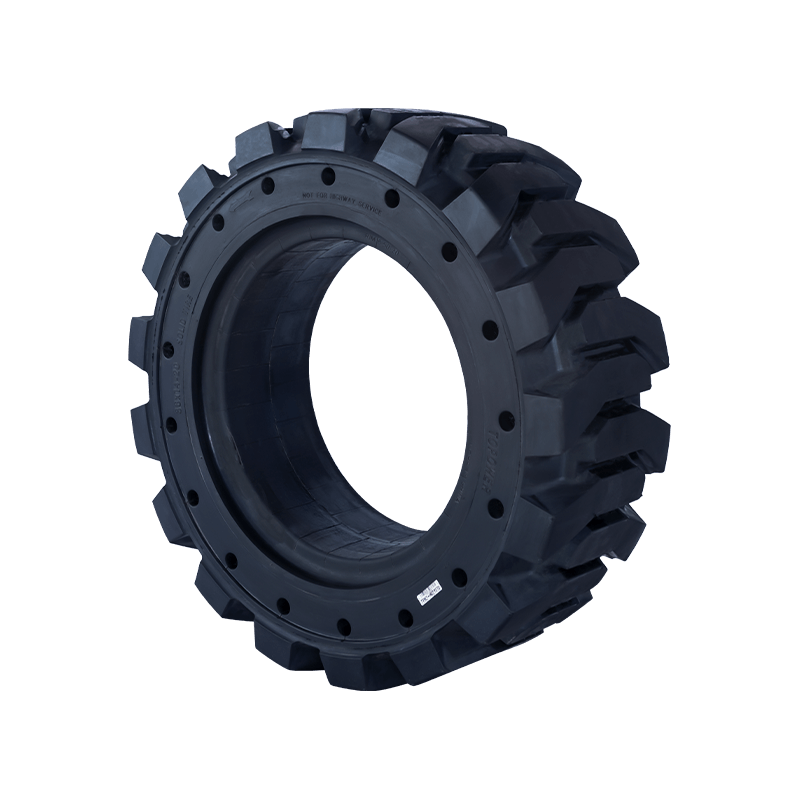
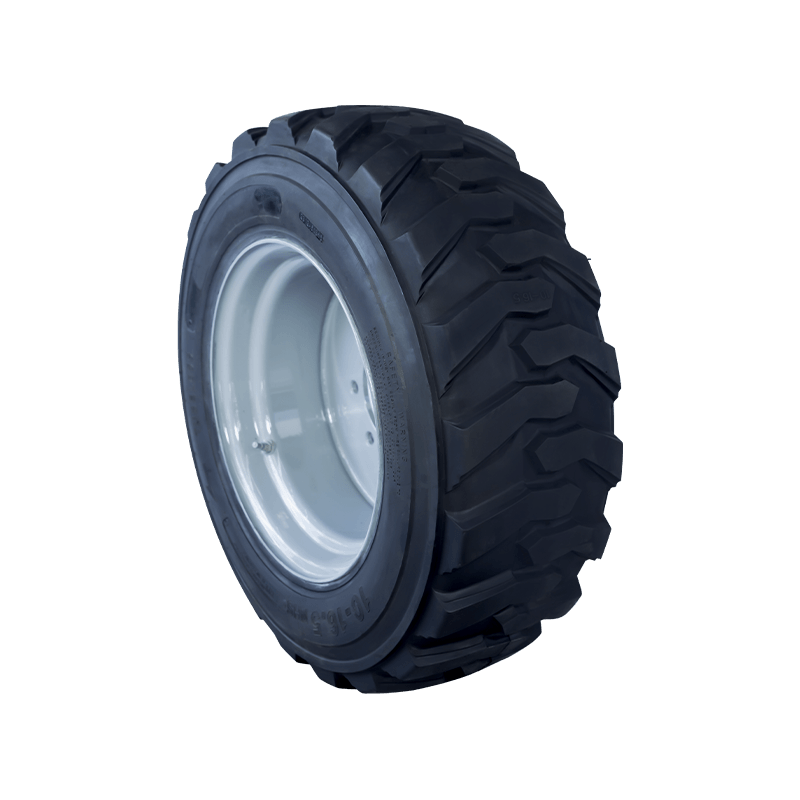
High-Traction Tread Patterns: While indoor tyres are often smooth (slick), outdoor slab construction requires specialized treaded designs. These patterns are engineered to "bite" into dusty or damp concrete, preventing the machine from sliding during critical start-stop movements near edges or ramps.
Comparison of AWP Tyre Solutions
|
Feature |
Premium Non-Marking Solid |
Standard Black Solid |
Polyurethane (PU) Infill |
|
Floor Hygiene |
5/5 (Spotless) |
1/5 (Heavy Marking) |
4/5 (Clean) |
|
Lateral Stability |
5/5 (Maximum) |
5/5 (Maximum) |
3/5 (Moderate) |
|
Rolling Resistance |
Low (Efficient) |
Low (Efficient) |
Ultra-Low |
|
Vibration Dampening |
Excellent |
Good |
Fair |
|
Lifespan (Hours) |
2500 - 4000 |
3000 - 5000 |
2000 - 3000 |
|
Primary Use Case |
Indoor Warehousing |
Outdoor Construction |
Heavy Industrial |
The Economics of Quality: ROI and TCO Analysis
For rental fleet managers and facility owners, the Total Cost of Ownership (TCO) is the only metric that matters.
Extended Replacement Cycles and Procurement Efficiency: High-performance solid rubber compounds are engineered for maximum abrasion resistance, often lasting up to 30% longer than budget-grade alternatives. By investing in premium quality, you can effectively eliminate two full replacement cycles over the total operational life of the machine. This not only significantly reduces direct procurement costs but also minimizes the logistical burden of ordering and storing replacement inventory.
Energy Efficiency and Battery Bank Longevity: Advanced low-rolling-resistance compounds are designed to reduce the friction generated between the tyre surface and the floor. For electric scissor lifts, this technical advantage translates to 5-10% more lift cycles per battery charge. Over time, this efficiency reduces the depth of discharge and thermal load on expensive lead-acid or lithium battery banks, effectively extending their overall service life and reducing energy overheads.
Risk Mitigation, Compliance, and Insurance Premiums: Utilizing safety-certified, premium Scissor Lift Tyres is a critical component of a proactive safety stance. By dramatically reducing the risk of platform instability and tip-over accidents, facilities can often negotiate lower liability insurance premiums. Furthermore, maintaining a fleet with high-spec tyres protects your organization from the massive legal, financial, and reputational costs associated with OSHA investigations or workplace injury claims.
Maintenance Standards for Aerial Platforms
To ensure the safety of your operators and the longevity of your tyres, adhere to these professional standards:
The Wear Indicator Bar: Every high-quality aerial tyre features a "Safety Line" or wear indicator bar molded directly into the sidewall. Running a tyre past this line is a severe violation of safety protocols; once the tread depth is exhausted, the machine loses its ability to dampen ground-level vibrations and maintain a level platform, significantly increasing the risk of structural fatigue and tipping accidents.
Managing Side-Impact "Chunking": Because scissor lifts frequently navigate tight aisles and rub against dock plates or steel racking, side-impact "chunking" is a common occurrence. Industry safety standards dictate that if a chunk larger than 10% of the tyre's total width is missing, or if the internal steel band becomes visible, the machine must be pulled from service immediately for tyre replacement to prevent uneven load distribution.
Tyre Cleaning for Optimal Traction: In indoor environments, fine dust and floor wax can accumulate on the rubber, creating a slippery film that reduces friction. Regular cleaning with a mild degreaser or damp cloth ensures that the high-traction "bite" of the silica compound remains effective on polished floors, preventing the machine from sliding during precision maneuvering or while positioned on slight inclines.
Expert Selection & Troubleshooting Guide
Beyond basic maintenance, navigating the complexities of AWP tyre management requires expert insight. Below are key operational considerations for professionals:
Navigating Indoor Compliance: The Marking Dilemma
A common oversight is attempting to use standard black tyres in indoor facilities to save on initial costs. While these tyres function mechanically, the carbon black compound will leave permanent skid marks on epoxy or concrete floors, often leading to cleaning costs that far exceed the price of a proper Non-Marking Scissor Lift Tyre. For food processing or pharmaceutical environments, silica-based non-marking solutions are the only way to ensure both safety and hygiene compliance.
Determining the Critical Replacement Window
Knowing exactly when a tyre has moved from "worn" to "dangerous" is vital. Replacement is not a suggestion but a requirement if:
The rubber has eroded down to the safety wear line (60J line);
The machine exhibits a noticeable increase in "mast sway" at full extension;
Cracks or side-impact "chunks" expose any part of the internal steel structure.
Solid Rubber vs. Foam-Infill: The Stability Verdict
While foam-filled tyres are common in some heavy-duty sectors, they rarely match the performance of a true Solid Scissor Lift Tyre in aerial applications. Solid rubber offers a much higher durometer rating and significantly less deflection. For vertical lifting, where stability is paramount, solid rubber provides the rigid foundation necessary to prevent the platform from oscillating at height.