 English
 русский
 Español
 عربى
عربى
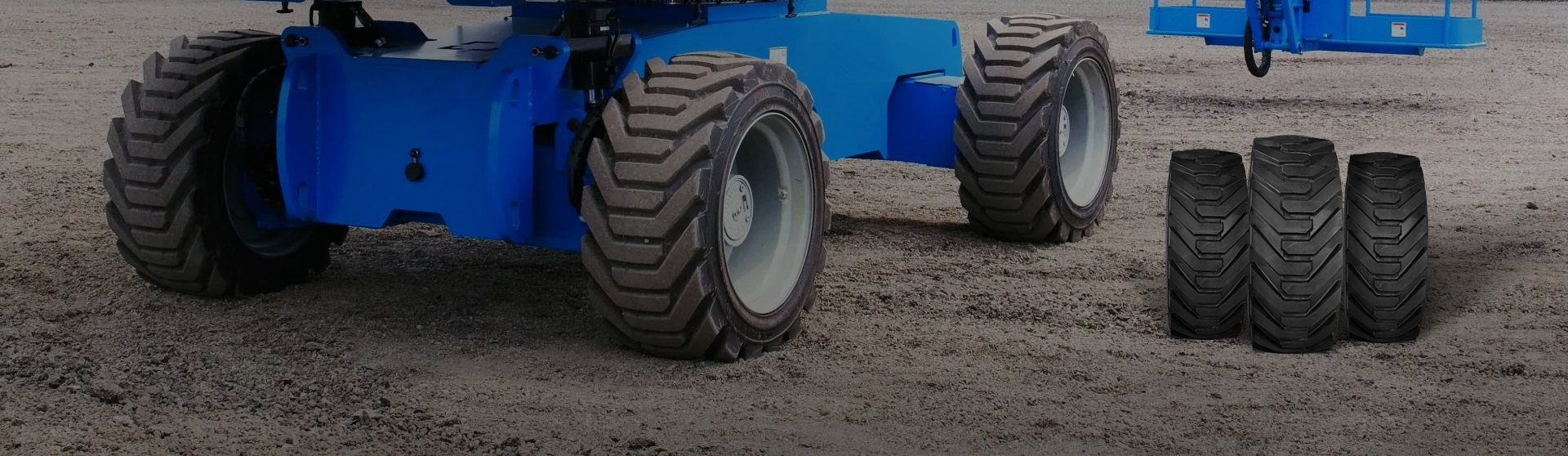

The transition toward the Polyurethane Tire and the traditional Solid Tyre represents a significant shift in engineering priorities, moving away from air-cushioned comfort toward absolute uptime and high load-bearing efficiency. Both types of tires fall under the category of non-pneumatic solutions, yet they serve distinct operational niches based on their chemical composition, physical properties, and interaction with the ground surface. Understanding the specific applications that benefit most from these components is essential for procurement managers and maintenance engineers who aim to reduce the total cost of ownership while maintaining a high safety standard.
The choice between a polyurethane tire and a rubber-based solid tyre is not merely a matter of price, but a decision rooted in the physical demands of the workspace. Factors such as the floor material, the presence of chemical contaminants, the ambient temperature, and the required duty cycle all play a role in determining which technology will provide the longest service life. By analyzing the unique benefits of each material, industrial operators can ensure that their equipment is optimized for the specific challenges of their facility, whether that involves the high-speed maneuvers of a warehouse or the punishing heat of a steel foundry.
The Mechanical Foundation of Polyurethane and Rubber Solid Tyres
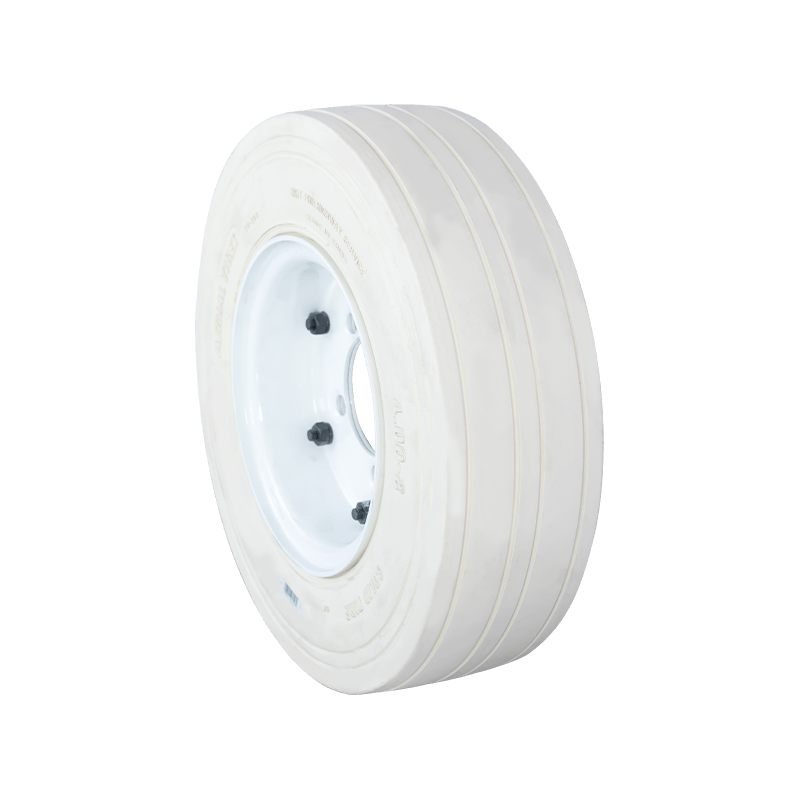
To understand where these tires excel, one must first examine the inherent properties of the materials themselves. A Polyurethane Tire is constructed from a synthetic elastomer that is created through a chemical reaction between an isocyanate and a polyol. This process results in a material that is significantly harder and more resilient than natural rubber, offering a much higher load capacity for its size. Polyurethane is known for its exceptional abrasion resistance and its ability to remain chemically inert when exposed to oils and solvents.
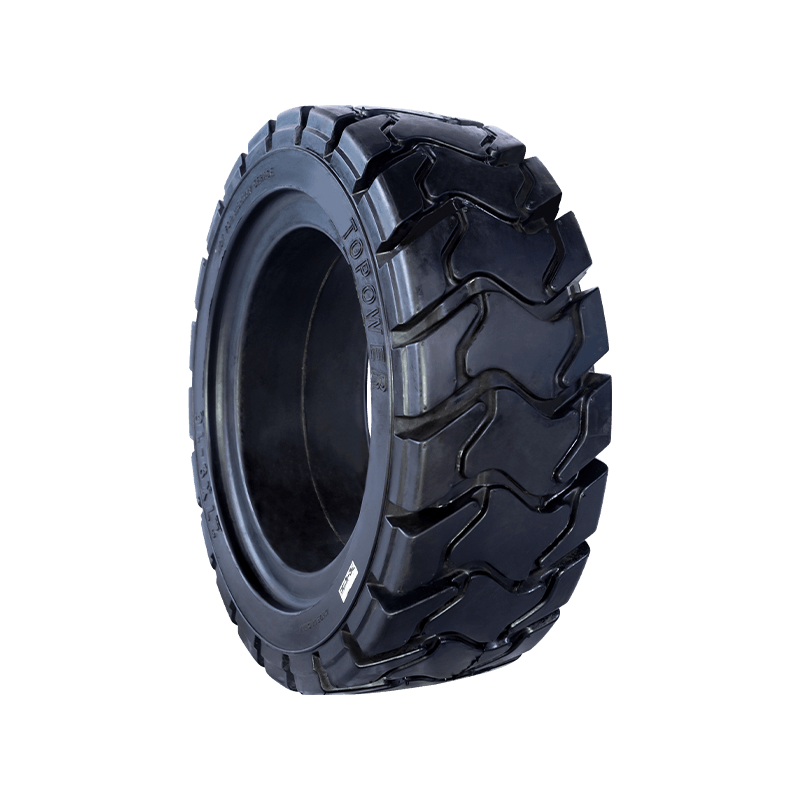
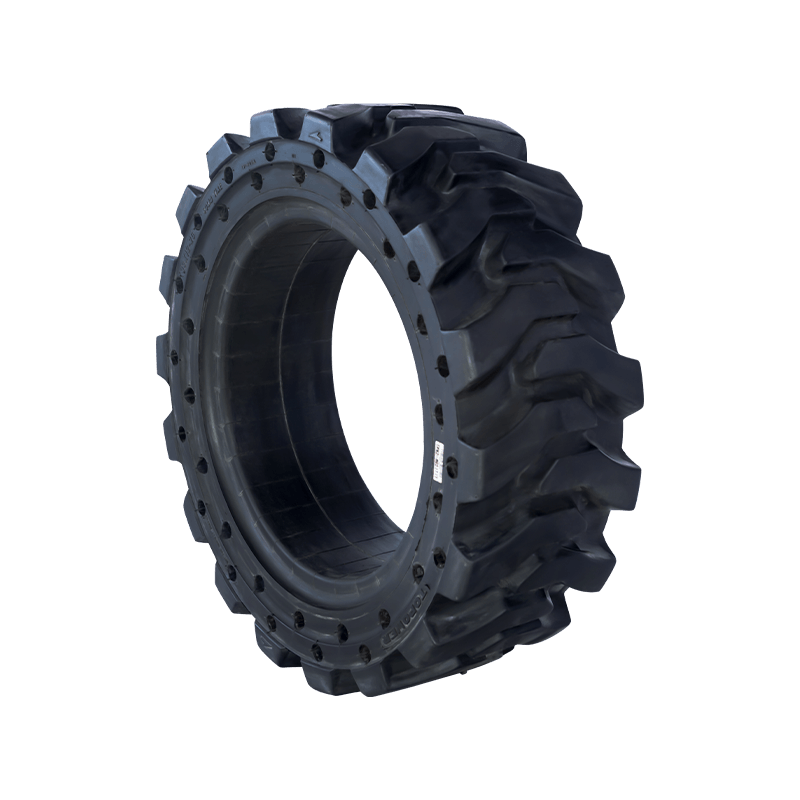
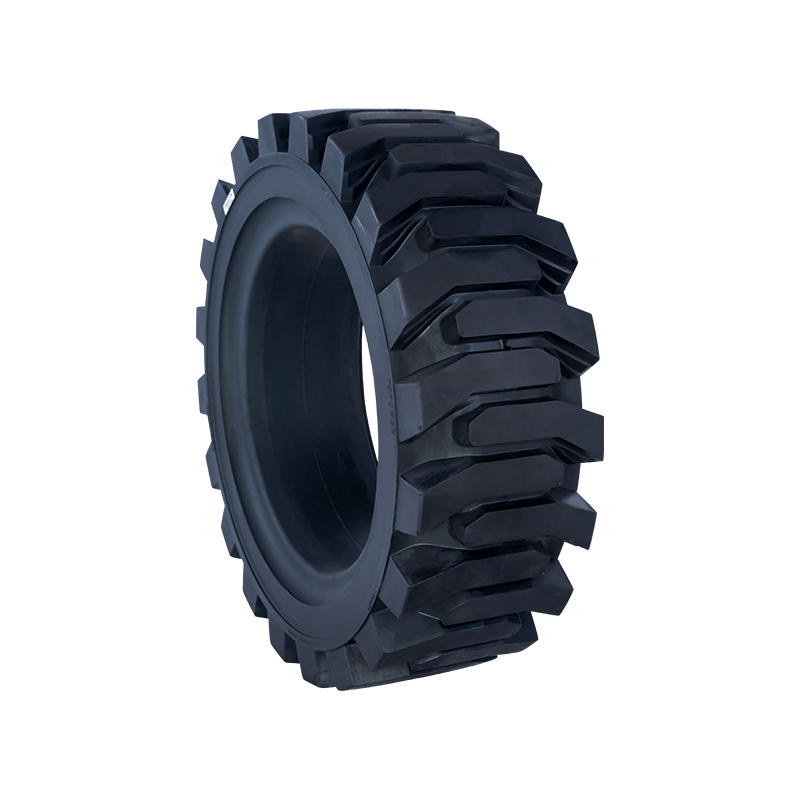
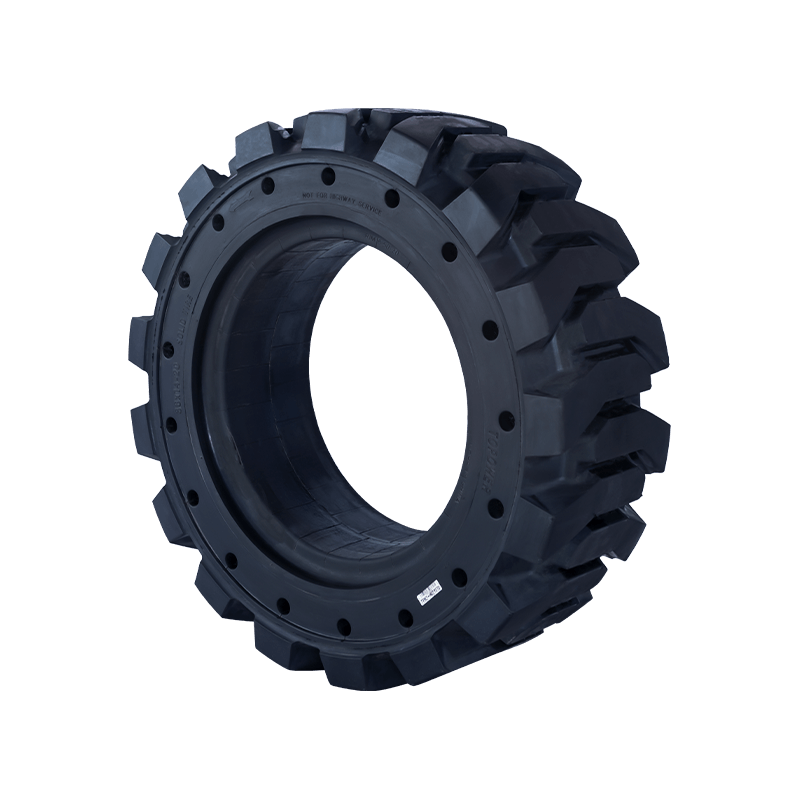
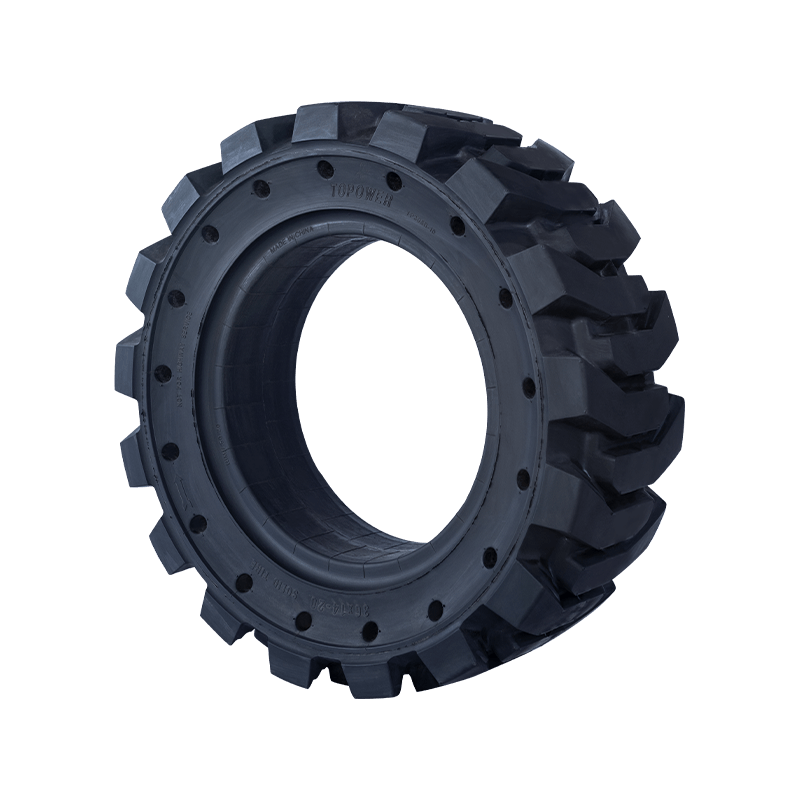
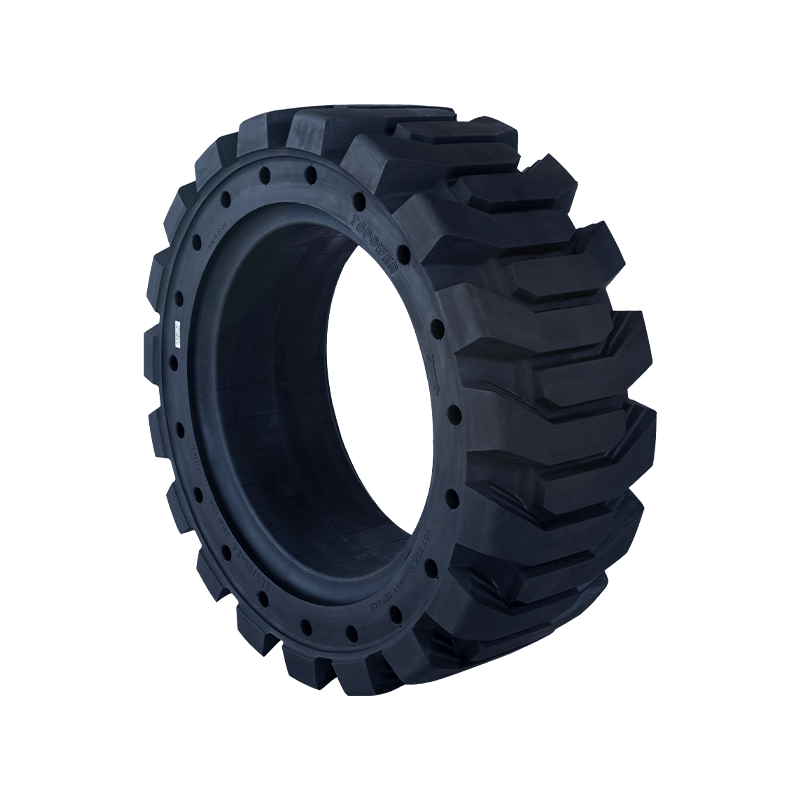
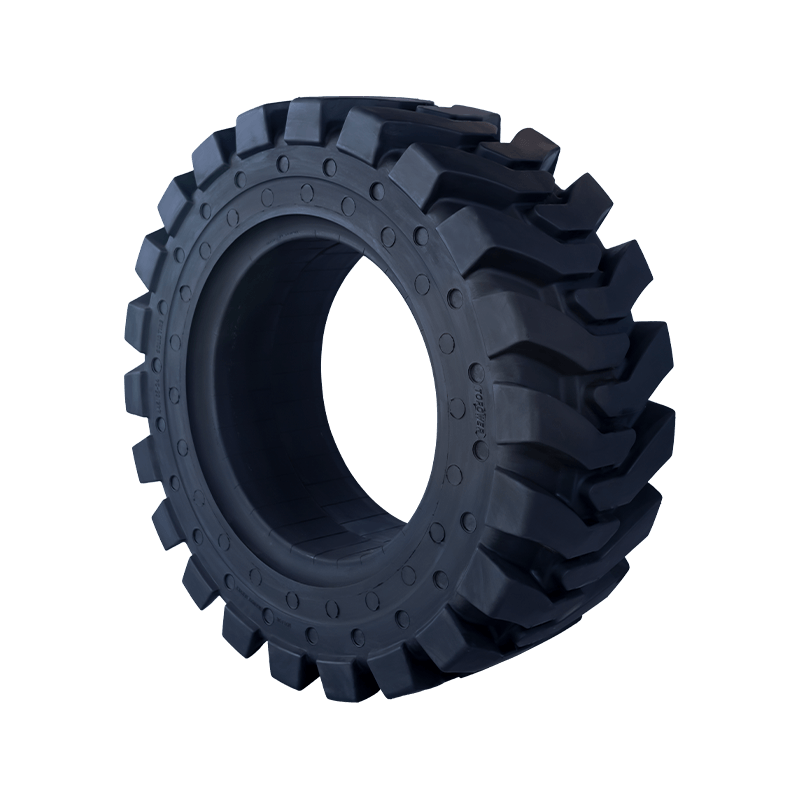
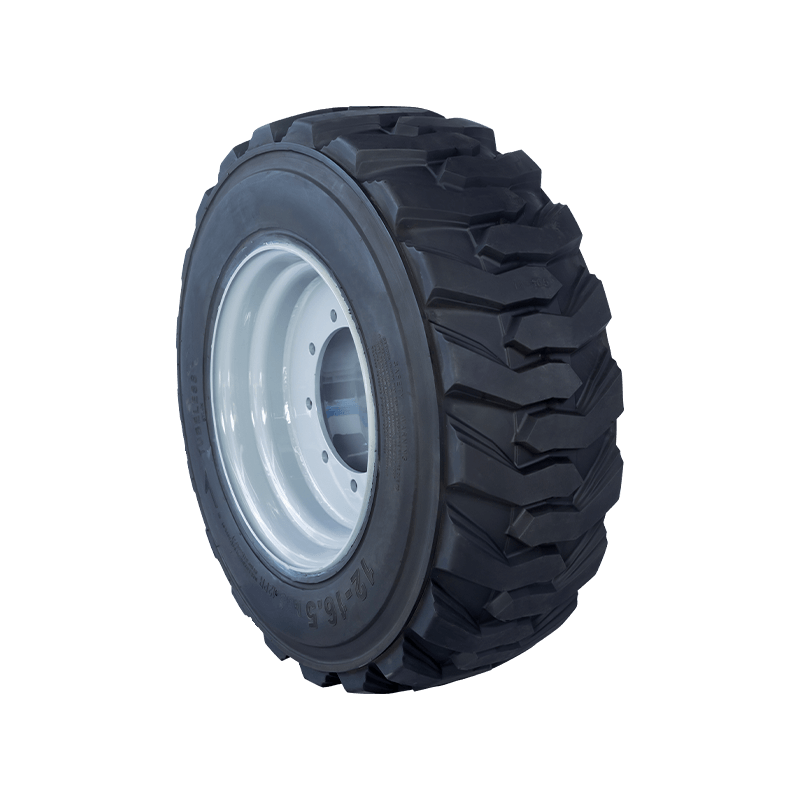
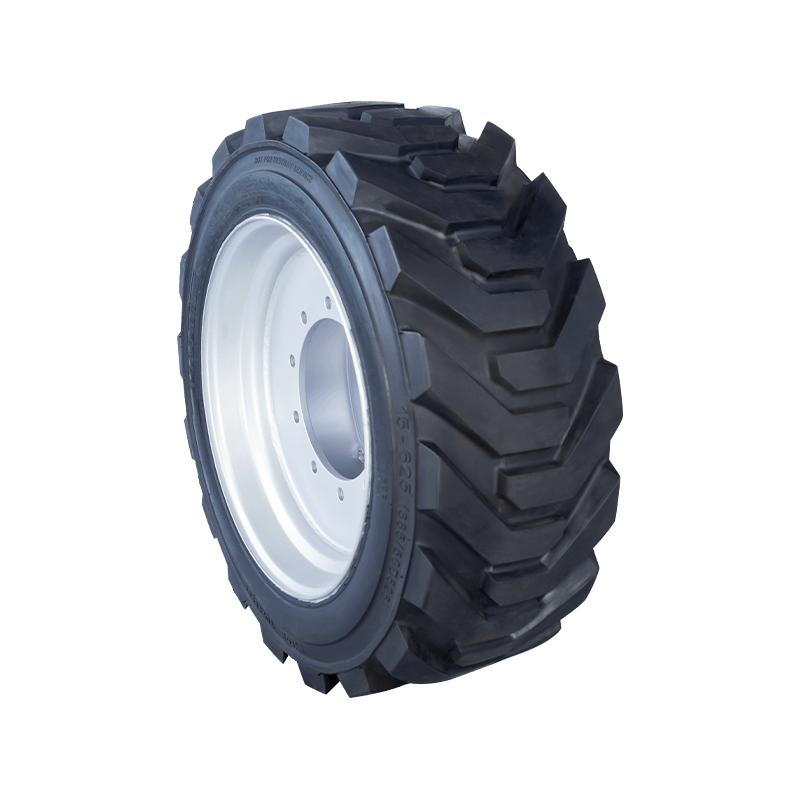
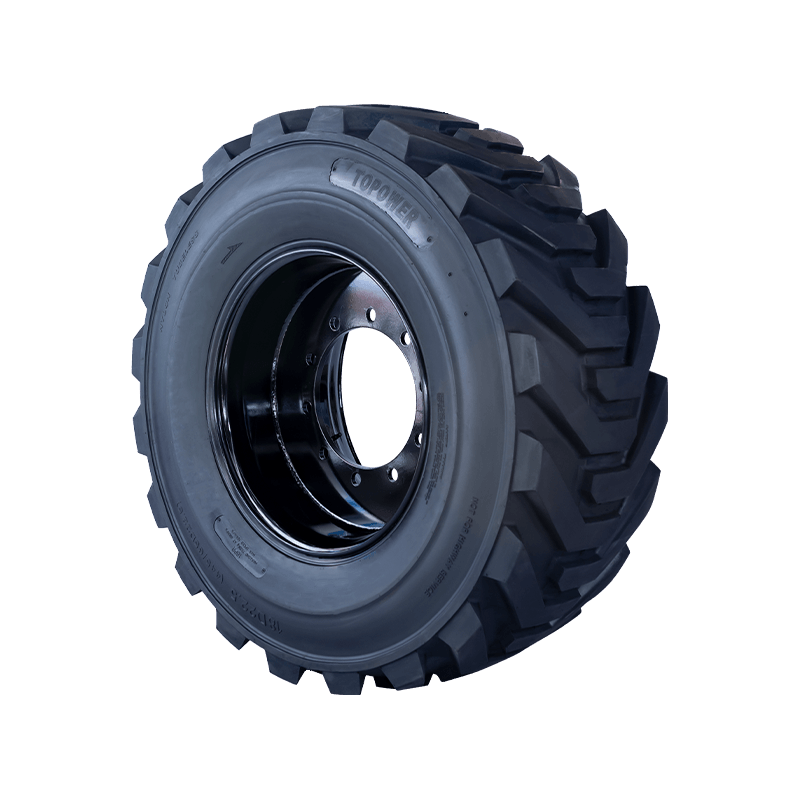
In contrast, the standard Solid Tyre is typically made from a combination of natural and synthetic rubber compounds. These tires are often built in multiple layers, including a rigid base, a cushioned middle layer, and a durable outer tread. The primary advantage of rubber is its inherent elasticity and shock absorption, which allow it to provide a ride quality that is much closer to a pneumatic tire while remaining immune to punctures. Rubber solid tyres are also better suited for managing high levels of heat generated by continuous motion, making them the preferred choice for long-distance transport tasks.
Load Bearing Capacity and Compression Set
One of the most critical differences between these two technologies lies in how they handle weight. Polyurethane possesses a very high modulus of elasticity, which means it can support a heavy load with minimal deformation. In applications where space is limited and vehicles must carry massive weights, polyurethane tires allow for a smaller wheel diameter without compromising the load rating of the machine. This material also has an excellent resistance to compression set, ensuring that the tire does not develop permanent flat spots if the vehicle remains stationary under a heavy load for an extended period.
Rubber solid tyres, while highly capable, will experience more significant deflection under the same load. This deflection increases the contact patch with the ground, which can be beneficial for traction but also increases rolling resistance. Because rubber is more prone to developing flat spots if left loaded for too long, it is often prioritized for applications where the vehicle is in constant motion rather than those involving long periods of static heavy lifting.
Heavy Manufacturing and Metal Processing Environments
When the industrial setting moves from the clean floors of a warehouse to the rugged environment of a heavy manufacturing plant or a steel foundry, the requirements change drastically. In these settings, the Solid Tyre constructed from specialized rubber compounds becomes the dominant choice due to its superior resilience and heat management capabilities.
Resistance to Extreme Heat and Slag
Foundries and steel mills are among the most punishing environments for industrial tires. The ground is often covered with hot slag, metal shavings, and abrasive debris. Furthermore, the ambient temperature near furnaces can be extremely high. Rubber solid tyres are engineered to withstand these conditions by utilizing high-temperature resistant compounds.
Polyurethane, while durable, has a much lower melting point and can become soft or even liquefy if exposed to high temperatures for sustained periods. Rubber, however, maintains its structural integrity across a wider temperature range. The multi-layered construction of a rubber solid tyre also allows for better heat dissipation through the sidewalls, preventing the internal core from reaching critical temperatures during a long shift of transporting heavy industrial components.
Shock Absorption for Machine Longevity
Heavy manufacturing plants often have uneven floors, expansion joints, and outdoor areas with gravel or cracked asphalt. A polyurethane tire is too rigid for these conditions and would transmit every bump and vibration directly into the machine chassis. This would lead to premature failure of bearings, hydraulic seals, and electronic components.
The rubber solid tyre provides the necessary damping to protect the vehicle. The cushioned middle layer acts as a built-in suspension system, absorbing the energy from impacts and providing a more comfortable ride for the operator. This vibration dampening is essential for machines like heavy-duty forklifts and tow tractors that must navigate both indoor and outdoor terrains. By reducing the mechanical stress on the vehicle, rubber solid tyres significantly lower the long-term maintenance costs of the fleet.
Food Processing and Pharmaceutical Environments
In industries where hygiene and cleanliness are strictly regulated, such as food production and pharmaceutical manufacturing, the choice of tire material is often dictated by compliance standards. Both the Polyurethane Tire and the non-marking Solid Tyre play vital roles in these specialized environments.
Chemical Resistance and Washdown Compatibility
Food processing facilities often involve the use of oils, fats, and harsh cleaning chemicals. Standard rubber tires can absorb these substances, leading to swelling, softening, and eventual failure. Polyurethane is exceptionally resistant to a wide range of chemicals and does not absorb moisture. This makes polyurethane tires ideal for use in facilities where floors are frequently washed down with hot water and sanitizing agents.
The smooth surface of a polyurethane tire is also easier to clean than the porous surface of a rubber tire. This prevents the buildup of bacteria and contaminants, ensuring that the material handling equipment does not become a vector for cross-contamination. In pharmaceutical cleanrooms, where particulate matter must be kept to an absolute minimum, the low-wear characteristics of polyurethane are a major advantage.
Stability in Cold Storage and Freezers
Many food logistics operations involve cold storage or blast freezers where temperatures can drop well below zero. In these extreme cold environments, rubber can become brittle and lose its traction. Polyurethane maintains its elasticity and grip in cold temperatures, making it the preferred material for tires used in refrigerated warehouses. The stability provided by polyurethane is also crucial when handling frozen goods, which can be slippery and difficult to manage if the vehicle is not perfectly level.
Port Terminals and Ground Support Equipment
Seaports and airports are 24-hour operations that require the highest levels of durability from their equipment. The machinery used in these environments, such as reach stackers, container trailers, and baggage tractors, is subject to massive loads and continuous duty cycles.
Continuous Duty and High Speed Towing
In port terminals, trailers are used to move shipping containers over long distances at relatively high speeds. This continuous motion generates a significant amount of heat within the tire. As discussed, polyurethane is not suited for high-speed continuous motion due to its poor heat dissipation. Therefore, the Solid Tyre is the mandatory choice for airport ground support and seaport logistics.
The rubber compounds used in these tires are specifically formulated to resist heat buildup through a process called hysteresis. By minimizing the amount of energy converted into heat during each rotation, these tires can operate for hours on end without the risk of internal delamination. This is essential for maintaining the tight schedules required in global logistics hubs.
Puncture Immunity in Debris-Heavy Zones
Airports and seaports are environments where debris is common. A single flat tire on a baggage tractor can delay a flight, while a flat on a reach stacker can halt the loading of a ship. Solid tyres eliminate these risks entirely. Even if the tire is cut by a sharp piece of metal or a heavy cable, it will continue to function. The deep tread patterns used on these tires also provide the necessary traction for operating on wet asphalt and during inclement weather, ensuring that operations remain safe regardless of the environmental conditions.
Comparison of Performance Characteristics
To assist in the selection process, the following table outlines the key performance differences between Polyurethane and Rubber Solid Tyres across various industrial criteria.
|
Performance Attribute |
Polyurethane Tire |
Rubber Solid Tyre |
|
Load Capacity |
Exceptionally high for its size |
High, but limited by material flex |
|
Rolling Resistance |
Very low, ideal for battery savings |
Moderate to high |
|
Shock Absorption |
Minimal, requires smooth floors |
Excellent, acts as a suspension |
|
Abrasion Resistance |
Excellent, outlasts rubber in clean zones |
High, but wears faster on smooth floors |
|
Heat Dissipation |
Poor, not for high-speed use |
Good, suited for continuous motion |
|
Floor Protection |
Superior, non-marking by nature |
Requires special compounds to be non-marking |
|
Chemical Resistance |
Excellent against oils and solvents |
Moderate, can be damaged by certain oils |
|
Operating Surface |
Best on smooth, level concrete |
Suitable for uneven and outdoor terrain |
Factors Influencing the Decision-Making Process
While the general applications for each tire type are well-defined, there are several nuanced factors that can influence the final decision. Every industrial facility has a unique set of variables that must be weighed carefully.
Assessing the Speed and Distance Requirements
The most common cause of failure for any industrial tire is heat. If a vehicle is required to travel distances greater than 200 meters at a time or maintain speeds above 15 kilometers per hour, the Solid Tyre is almost always the correct choice. The internal chemistry of polyurethane simply cannot dissipate the thermal energy generated by high-speed rotation. However, for a forklift that primarily performs short lifts and turns within a warehouse aisle, the benefits of polyurethane far outweigh the thermal risks.
Analyzing the Ground Conditions and Floor Loading
Before selecting a tire, one must consider the structural limits of the floor. Because polyurethane tires have a smaller contact patch and are much harder, they exert a higher pressure on the floor than rubber tires. In older buildings with less robust concrete, this can lead to floor cracking over time. In such cases, a wider rubber solid tyre might be necessary to distribute the weight more evenly and preserve the structural integrity of the facility.
Conversely, if the floor is made of a delicate material that must remain pristine, the non-marking and low-abrasion properties of polyurethane are non-negotiable. The cost of repairing an industrial floor often far exceeds the cost of a premium set of tires, making the tire selection a critical part of facility management.
Environmental Temperature and Humidity
The ambient environment plays a significant role in the longevity of the Polyurethane Tire. In environments with high humidity and high temperatures, some types of polyurethane can undergo a process called hydrolysis, where the material begins to break down chemically. In such climates, it is essential to specify a polyether-based polyurethane, which is resistant to moisture. Standard rubber solid tyres are generally less affected by humidity, making them a more straightforward choice for outdoor applications in tropical or coastal regions.
Operator Comfort and Occupational Health
In any material handling operation, the safety and well-being of the operator are paramount. A vehicle that is too rigid can cause long-term health issues for the driver, including back pain and joint stress caused by whole-body vibration.
Balancing Stability and Ergonomics
While the Polyurethane Tire provides the stability needed for high lifting, its rigidity is a drawback for operator comfort if the floor is not perfectly smooth. In large distribution centers where forklifts travel long distances between zones, the vibration caused by polyurethane can be significant. To address this, many manufacturers are now developing hybrid solutions or utilizing suspension seats to mitigate the impact on the operator.
The Solid Tyre remains the gold standard for ergonomics in rugged environments. The ability of the rubber to deform and absorb shocks reduces the physical toll on the driver, allowing them to remain focused and productive throughout their shift. When choosing between these two options, managers must consider the duration of the operator shift and the frequency of travel over uneven surfaces to ensure a safe work environment.
Safety Implications of Tire Stability
Safety is also a matter of vehicle stability. In high-reach applications, any swaying can lead to a load falling or the vehicle tipping over. Here, the lack of flex in a polyurethane tire is a safety feature rather than a drawback. It ensures that the center of gravity of the machine remains as stable as possible during the lifting process. For machines that primarily lift rather than travel, polyurethane is the safer choice. For machines that primarily travel, the traction and damping of a solid rubber tyre provide the necessary control and safety at higher speeds.
By carefully evaluating the application, the environment, and the mechanical requirements of the vehicle, industrial operators can choose between a Polyurethane Tire and a Solid Tyre with confidence. Both technologies offer substantial benefits that contribute to the efficiency and resilience of the modern supply chain, provided they are utilized in the roles for which they were engineered. The transition from air to solid materials is a foundational step toward a more reliable industrial future where flat tires and operational downtime are no longer a part of the daily routine. Selecting the right material is the key to unlocking this potential and ensuring that the machinery can meet the ever-increasing demands of global industry.
Take the First Step Toward Optimizing Your Fleet's Efficiency
Choosing the right tire technology is a critical decision that directly impacts your facility’s absolute uptime and Total Cost of Ownership (TCO). As a premier global manufacturer of non-pneumatic tire solutions, Jiangsu Topower Tyre Co., Ltd. understands the unique physical and chemical demands of your workspace. Whether your operations require the high-capacity precision of polyurethane tires or the rugged resilience of heavy-duty solid rubber tyres, we engineer the exact solutions to keep your business moving forward.