 English
 русский
 Español
 عربى
عربى
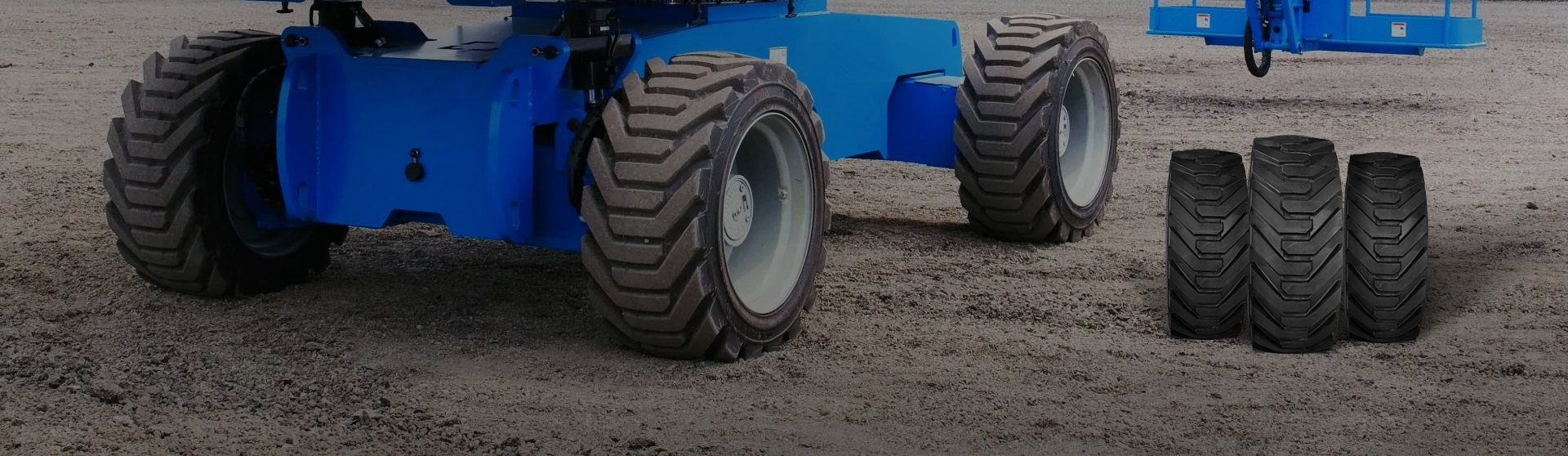

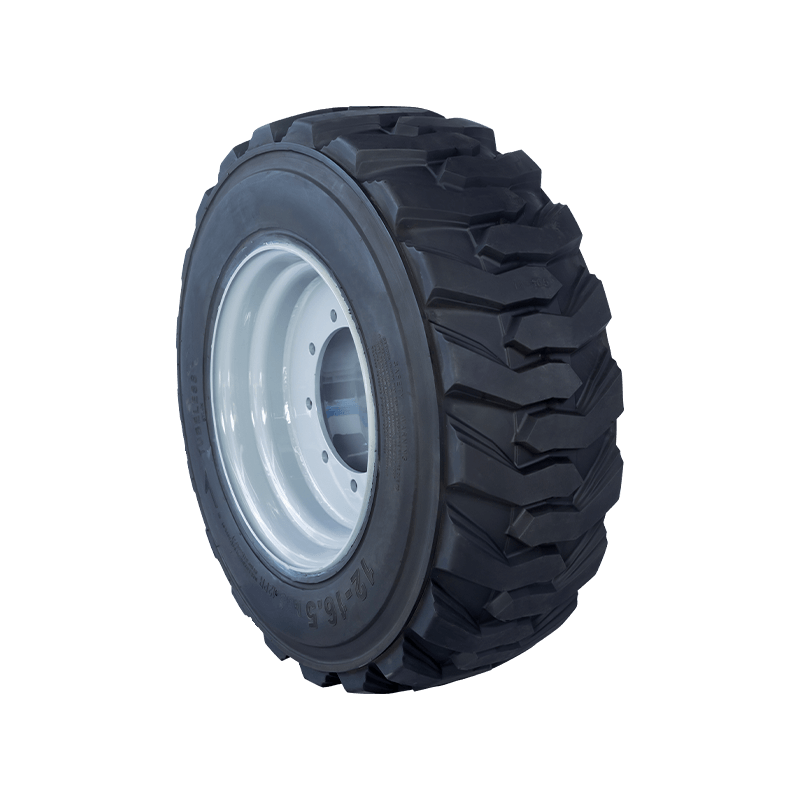
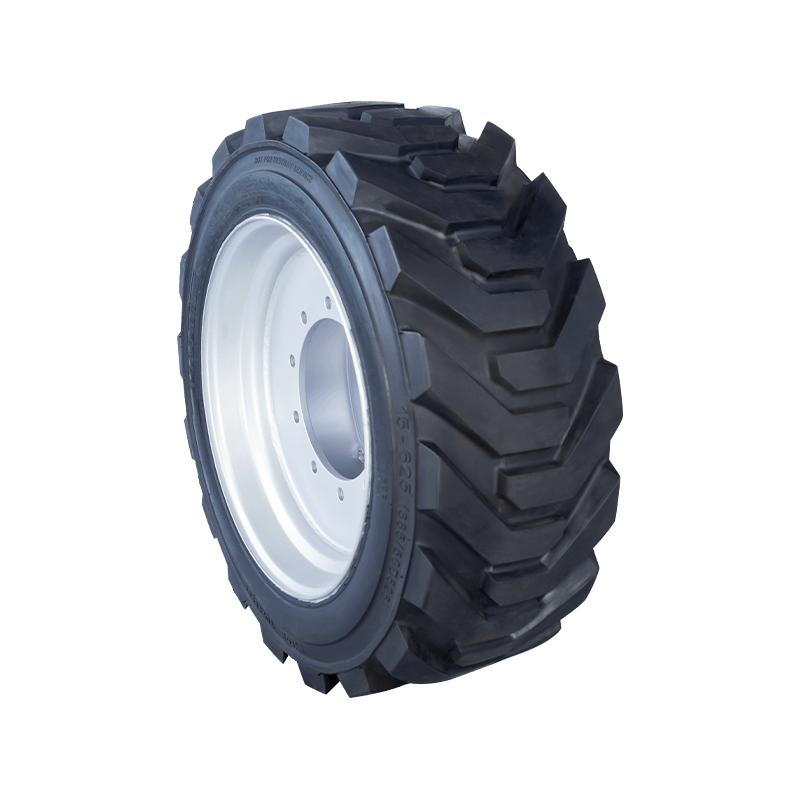
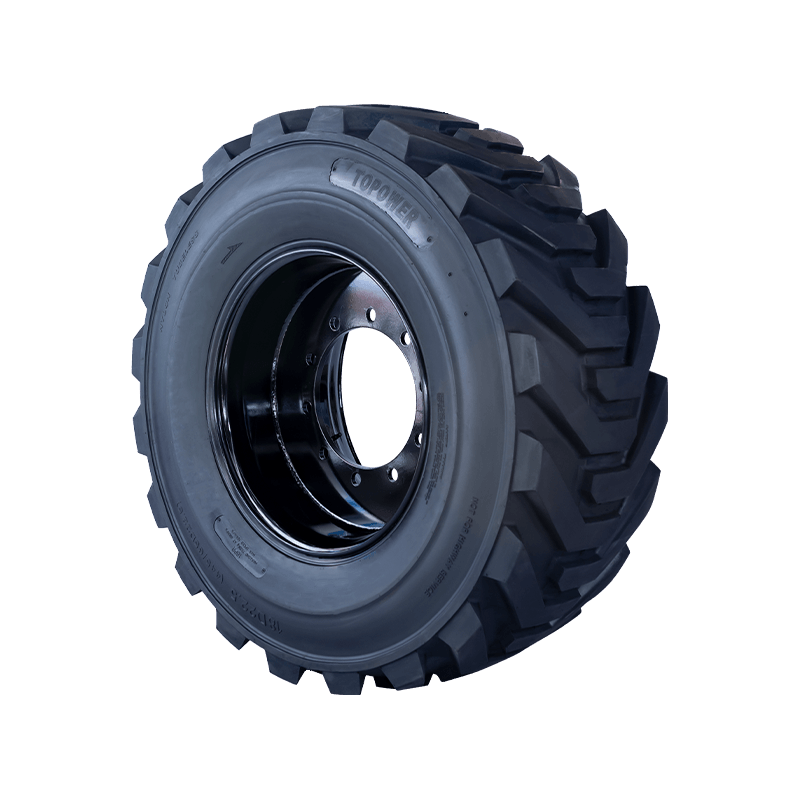
The short answer to what is an industrial tyre is that it is a heavy duty wheel covering engineered for material handling and warehouse equipment rather than road vehicles, built to carry high static loads over short distances on hard, controlled surfaces such as concrete warehouse floors, loading docks, and factory yards.
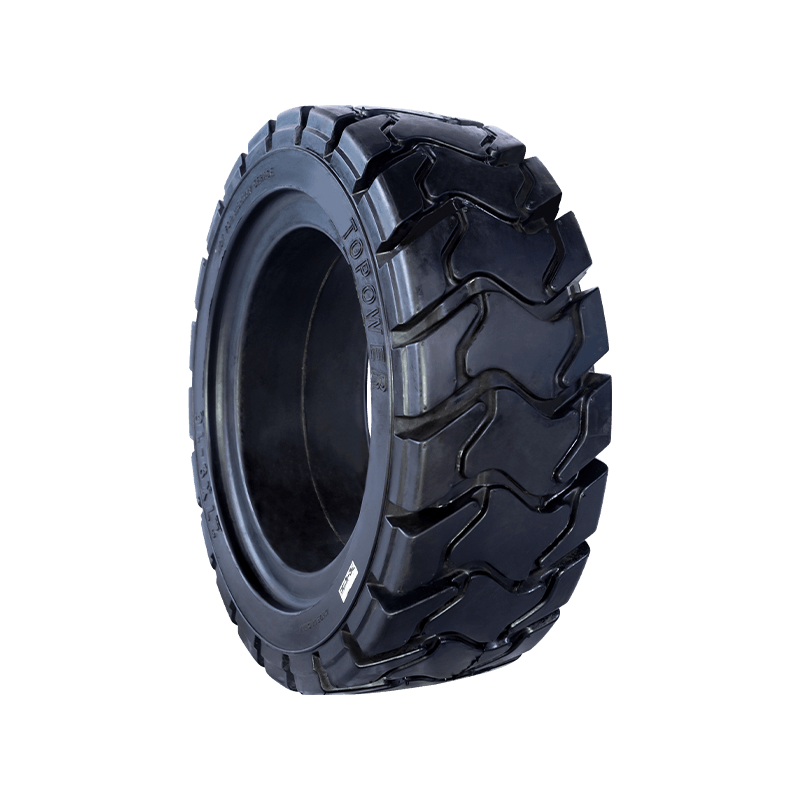
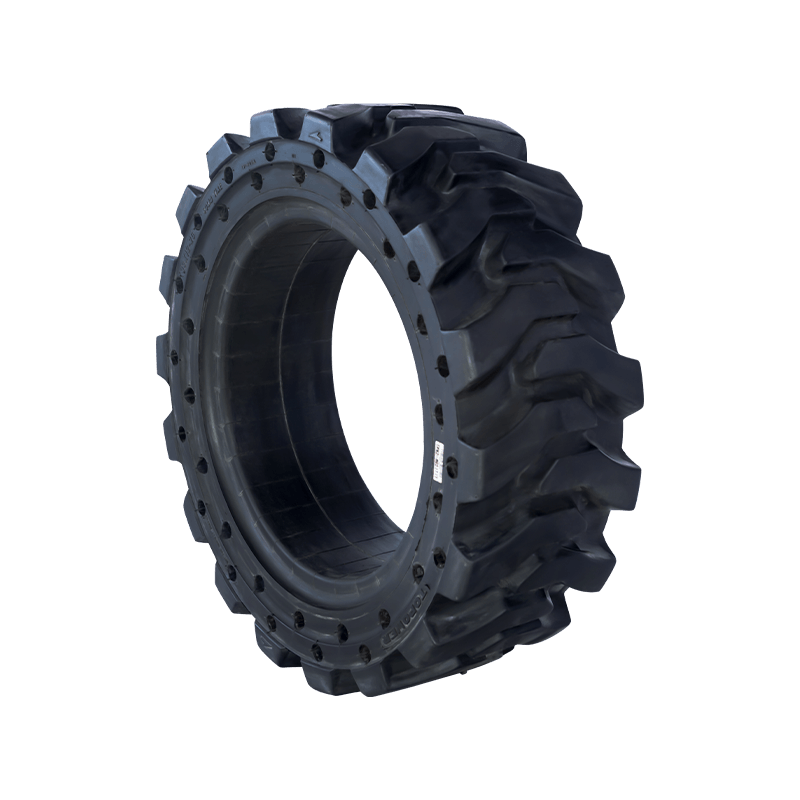
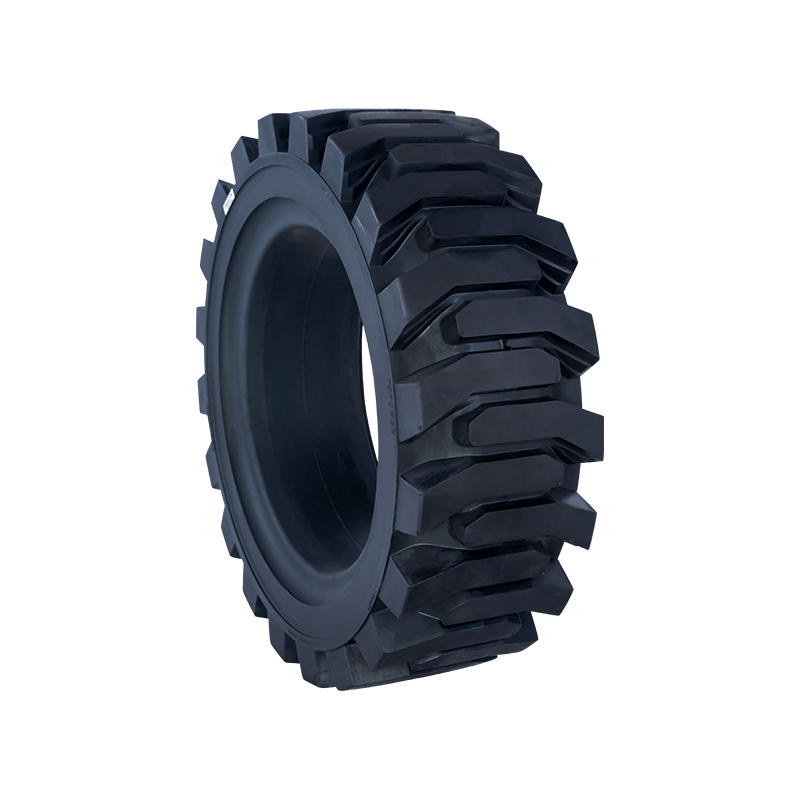
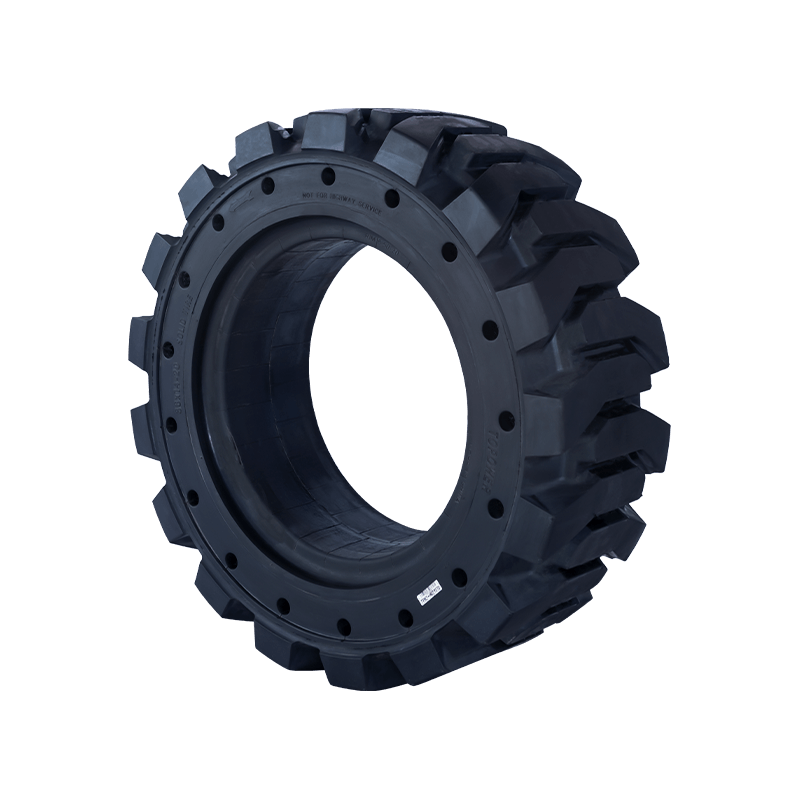
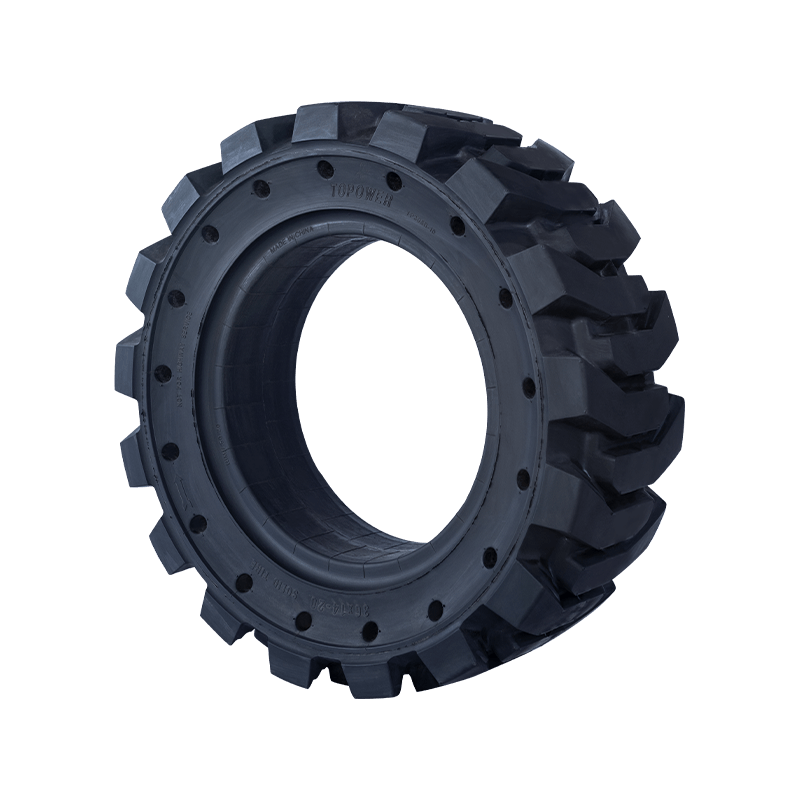
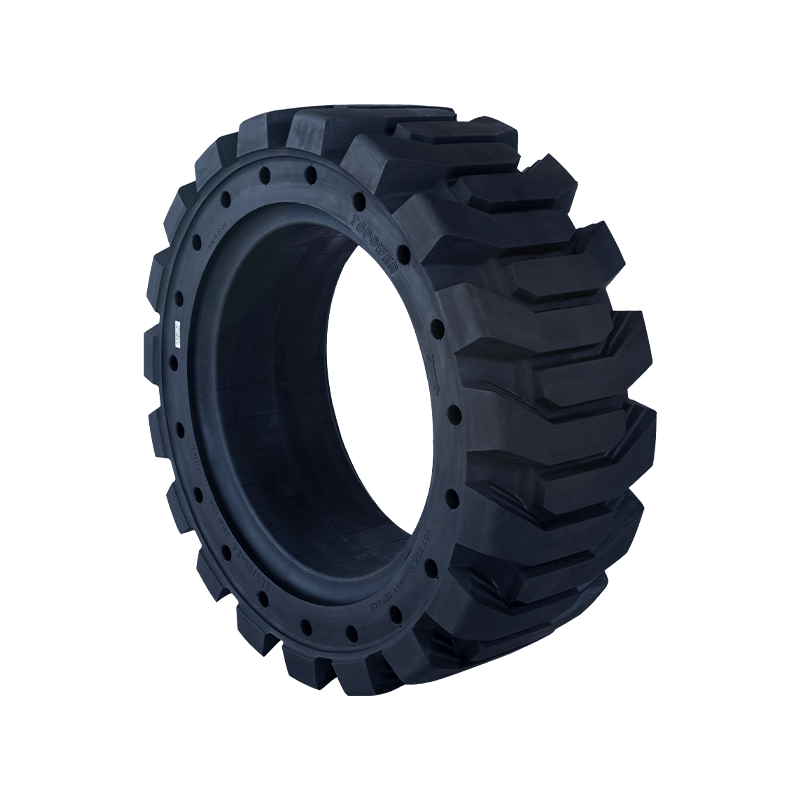
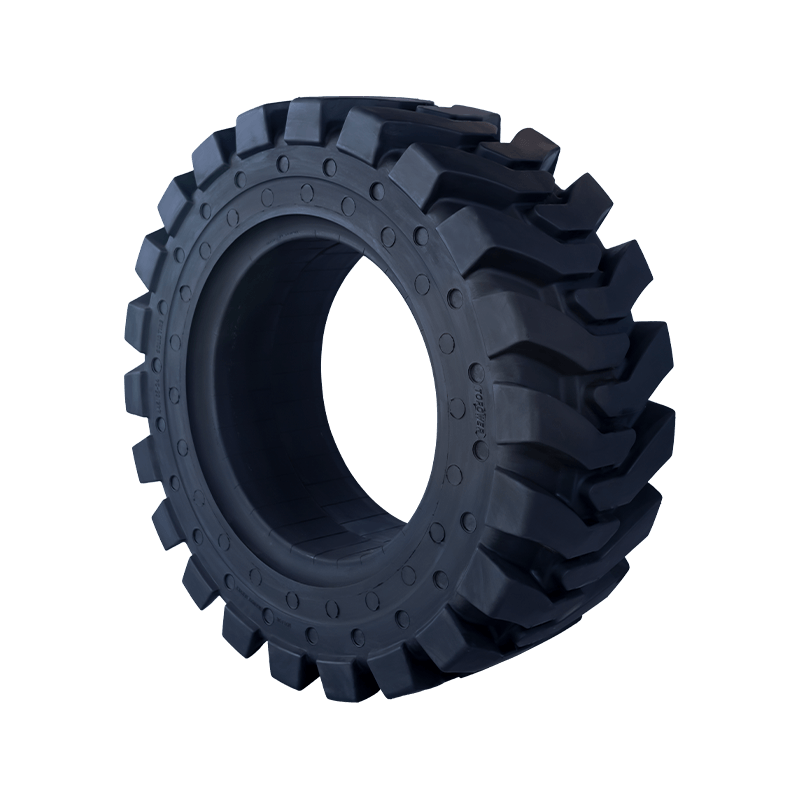
Within this category, an Industrial Solid tyre is the dominant choice for forklifts, pallet trucks, and similar equipment because it eliminates the single biggest failure risk of pneumatic tires in industrial settings: punctures. solid rubber tyres are molded or pressed from a solid rubber compound with no air chamber at all, which means a nail, metal shaving, or sharp debris on a warehouse floor simply cannot cause a blowout. For this reason, forklift tires solid configurations are standard equipment across the vast majority of indoor and mixed use material handling fleets worldwide. The sections below explain the construction, tradeoffs, and selection criteria in detail.
What Is an Industrial Tyre: Core Definition and Purpose
An industrial tyre is purpose built for equipment that operates under very different conditions than a passenger car or truck. Rather than being optimized for highway speed, fuel efficiency, and long distance comfort, industrial tyres are engineered around three priorities: load capacity, resistance to cuts and punctures, and stability during sharp, repeated turning typical of warehouse aisles.
Typical Equipment That Uses Industrial Tyres
- Forklifts, both counterbalance and reach truck configurations
- Pallet jacks and order pickers
- Airport ground support equipment
- Construction and mining equipment operating on debris covered surfaces
- Scissor lifts and other mobile access equipment
Because these machines typically travel at low speeds, usually under 20 kilometers per hour, ride comfort matters far less than durability and puncture resistance, which is why the industrial tyre category has developed so heavily around solid and semi solid rubber constructions rather than air filled designs.
How Industrial Tyre Sizing Works
Industrial tyre sizing follows a different convention than passenger car tires. Rather than the familiar width, aspect ratio, and rim diameter format found on road tires, industrial sizing is typically expressed as outer diameter, tire width, and rim or center hole diameter, since many industrial tires mount directly onto a wheel band rather than a standard bolt pattern rim. Buyers replacing a worn tire should always confirm the exact size stamped on the sidewall of the original unit rather than estimating from measurements alone, since even a small mismatch in tread width can affect how the tire seats on the wheel.
Industrial Solid tyre Construction and Material Composition
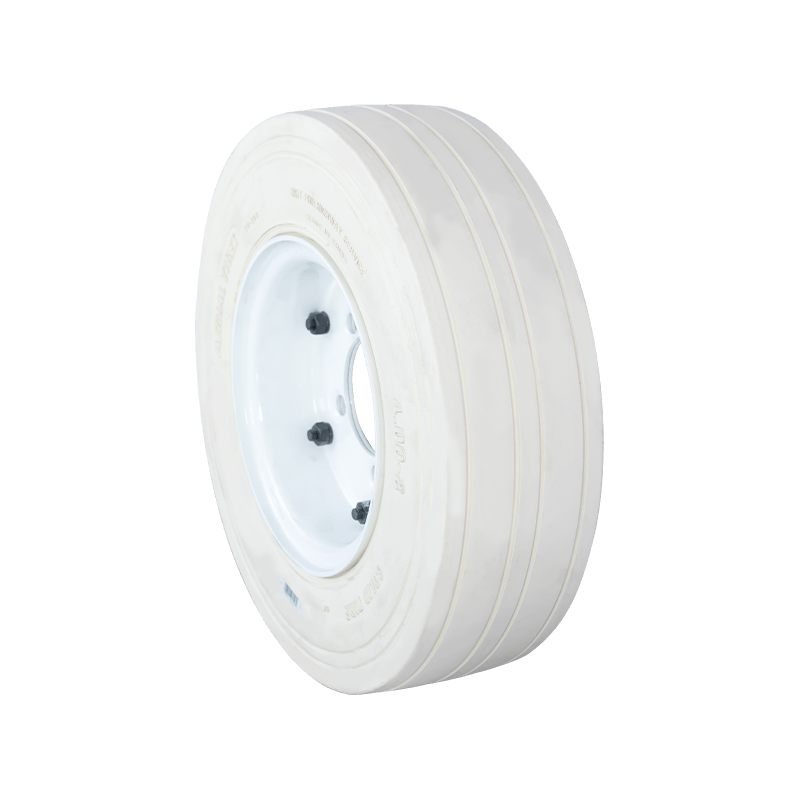
An Industrial Solid tyre is manufactured from a dense rubber compound that is either press on molded around a steel band or cured directly onto a wheel rim, depending on the equipment application. There is no internal air chamber, no valve stem, and no possibility of a slow leak, which fundamentally changes how maintenance teams plan for tire related downtime.
Common Manufacturing Methods
| Method | Description |
|---|---|
| Press on solid | Rubber band pressed onto a steel core, common for forklifts |
| Molded solid | Rubber cured directly to a wheel assembly, used on smaller equipment |
| Cushion solid | Thinner solid rubber ring, typically for lighter electric forklifts |
The rubber compound itself is formulated for a balance of hardness and grip. A compound that is too soft wears quickly under heavy loads, while a compound that is too hard reduces traction and increases vibration transmitted to the operator. Most industrial rubber compounds fall in a durometer hardness range that manufacturers tune specifically for warehouse floor conditions.
solid rubber tyres Versus Pneumatic and Foam Filled Alternatives
Buyers comparing tire options for material handling equipment generally choose between three categories, and each comes with a distinct set of tradeoffs.
| Tire Type | Puncture Risk | Ride Comfort | Maintenance Need |
|---|---|---|---|
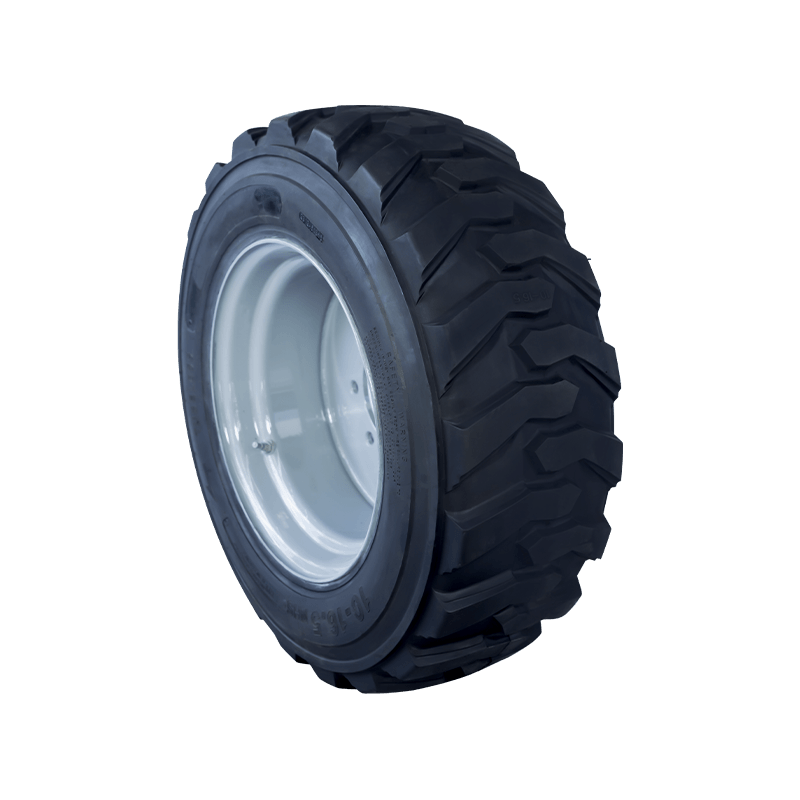
| Pneumatic (air filled) | High on debris covered surfaces | Best | Regular pressure checks required |
| Foam filled | Low | Good, close to pneumatic | Minimal, but heavier and costlier upfront |
| Solid rubber | None | Firmer, more vibration | Very low, mainly wear inspection |
Fleet managers who track downtime often report that tire related service calls drop by a large margin after switching a warehouse fleet from pneumatic to solid tires, since flat repairs and pressure checks are removed from the maintenance schedule entirely.
forklift tires solid: Why Solid Rubber Dominates Forklift Fleets
Forklifts represent the largest single application for solid industrial tyres, and the reasons are practical rather than incidental. Warehouse floors regularly contain metal banding scraps, nails from pallets, and other sharp debris that would rapidly puncture a pneumatic tire. A forklift operating an eight hour shift on such a surface with air filled tires can face repeated downtime for repairs, while a forklift tires solid setup simply rolls over the same debris without incident.
Load Stability Benefits
Solid tires also do not compress under load the way a pneumatic tire does, which keeps the forklift mast at a more consistent height and reduces the tipping risk that comes from tire deflection during sharp turns while carrying an elevated load. This stability is particularly valued in narrow aisle warehouse layouts where turning clearance is already tight.
Indoor Versus Outdoor Considerations
Indoor forklifts on smooth concrete typically run cushion solid tires, which are thinner and mount directly to the wheel without a separate rim band. Forklifts that split time between indoor and outdoor yard work more often use press on solid tires, which offer a deeper tread pattern for grip on uneven or slightly loose outdoor surfaces while retaining full puncture resistance.
Choosing the Right Solid Tyre for Your Equipment
Selecting the correct solid tyre involves matching load capacity, surface conditions, and operating environment rather than defaulting to whatever size fits the rim.
Match Load Rating to Equipment Capacity
Every solid tyre carries a rated load capacity printed on the sidewall. Undersizing this rating relative to the forklift's maximum lift capacity accelerates wear and increases the risk of tire cracking under sustained heavy loads.
Consider Surface Type
Smooth indoor concrete favors a smoother tread solid tire for lower rolling resistance and reduced vibration, while gravel yards or mixed surfaces call for a deeper tread pattern to maintain grip and shed debris from the contact surface.
Factor in Duty Cycle
A forklift running a single eight hour shift has very different wear expectations than one running continuously across three shifts. High duty cycle operations often benefit from a premium compound rated for extended heat buildup, since rubber that overheats under sustained friction wears and cracks faster than the same compound used moderately.
Maintenance and Expected Lifespan of Solid Industrial Tyres
While solid tyres eliminate pressure checks and puncture repairs, they are not entirely maintenance free. Routine inspection still plays a role in getting the full service life out of a set.
- Inspect tread depth regularly and schedule replacement before the wear indicator line is reached
- Check for chunking or cracking along the sidewall, which can indicate overload or excessive heat buildup
- Rotate tire position where equipment design allows, to even out wear from turning patterns
- Keep the operating surface as clear of sharp debris as practical, since while solid tires resist punctures, embedded debris can still accelerate localized wear
- Confirm the tire remains properly seated on the rim or wheel band after any significant impact
Under typical single or double shift warehouse use, a quality solid forklift tire commonly lasts between 2,000 and 3,000 operating hours before replacement is needed, though heavy triple shift operations or rough outdoor surfaces can shorten that range considerably.
Signs a Tire Should Be Replaced Immediately
Certain warning signs justify pulling a tire from service before its scheduled replacement date rather than waiting for the next routine inspection. Visible chunks missing from the tread surface, deep cracks that reach the reinforcing band beneath the rubber, or a tire that has begun to separate from its wheel band under load are all conditions that increase the risk of sudden failure. Continuing to operate equipment on a tire showing these signs risks not only further equipment damage but also operator safety, since a failed tire can cause a sudden loss of stability while carrying a raised load.
Frequently Asked Questions
1. What is an industrial tyre used for besides forklifts?
Beyond forklifts, industrial tyres are commonly used on pallet jacks, order pickers, airport ground support carts, scissor lifts, and various construction and mining vehicles operating on debris covered surfaces.
2. Are solid rubber tyres more expensive than pneumatic tires?
The upfront cost is often comparable or slightly higher, but the total cost of ownership is frequently lower once puncture repairs, downtime, and pressure maintenance for pneumatic tires are factored in.
3. Can forklift tires solid units be used outdoors?
Yes, press on solid tires with a deeper tread pattern are commonly used on forklifts that operate outdoors or on mixed surfaces, while cushion solid tires are typically reserved for smooth indoor floors.
4. How do I know when to replace an Industrial Solid tyre?
Replace the tire once tread depth reaches the manufacturer's wear indicator line, or sooner if you notice chunking, cracking, or the tire separating from its rim band.
5. Do solid rubber tyres provide less traction than pneumatic tires?
On smooth, clean surfaces the traction difference is minimal, though pneumatic tires generally offer somewhat better grip on loose, wet, or uneven outdoor terrain due to their ability to conform to surface irregularities.
6. What is the difference between press on solid and cushion solid tires?
Press on solid tires are pressed onto a separate steel band and mounted to the wheel, offering a deeper tread for outdoor use, while cushion solid tires are thinner rubber rings bonded directly to a smaller wheel, suited mainly to smooth indoor floors.
7. Do solid industrial tyres affect ride comfort for the operator?
Solid tyres transmit more vibration than pneumatic or foam filled options because they do not compress the same way, so operators on rough surfaces may notice a firmer ride, though modern compounds have narrowed this gap significantly.
8. How long do solid forklift tires typically last?
Most solid forklift tires last between 2,000 and 3,000 operating hours under normal single or double shift use, though heavy duty cycles or rough surfaces can reduce this significantly.
9. Are solid rubber tyres recyclable at end of life?
Many industrial rubber compounds can be reclaimed and reprocessed for other rubber products, and a growing number of tire suppliers now offer take back or recycling programs specifically for worn solid tires.
10. Can a pneumatic forklift be converted to solid tires?
In most cases yes, provided the correct size and load rated solid tire is matched to the existing rim or wheel assembly, though it is worth confirming compatibility with the equipment manufacturer or a qualified tire supplier before making the switch.