 English
 русский
 Español
 عربى
عربى
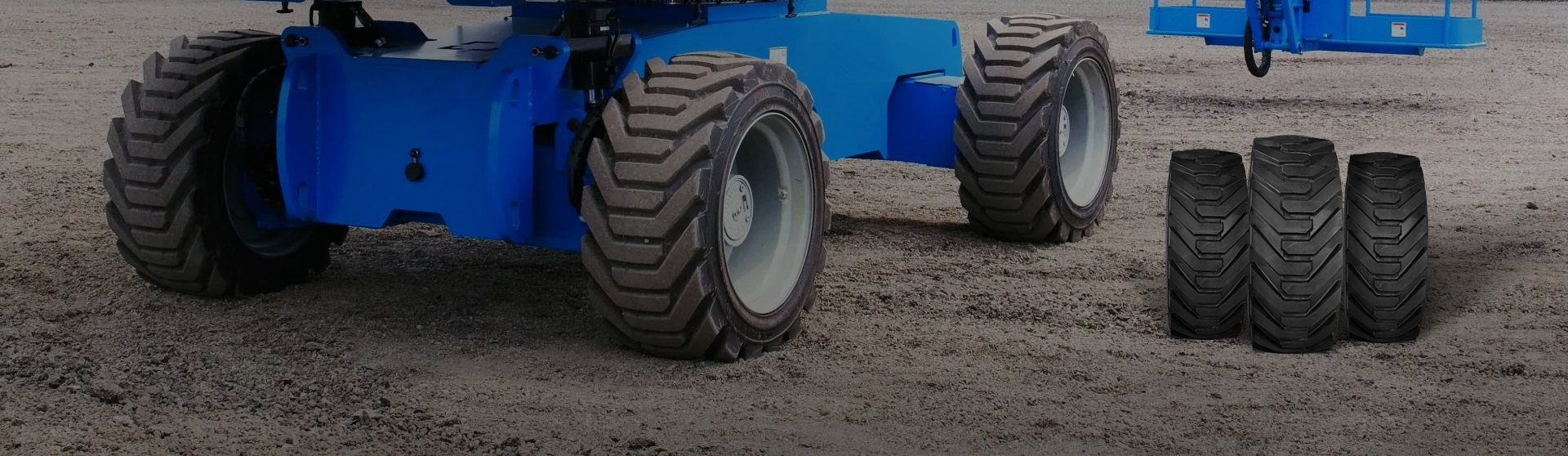

In the transportation, logistics, agriculture, and heavy manufacturing sectors, selecting appropriate tires for towed equipment determines operational safety, fuel efficiency, and overall haulage capability. Unlike passenger vehicle tires, which are designed to transmit engine torque to the road surface and provide responsive steering input, trailer tires operate under entirely different dynamic conditions. Towed vehicles rely on tires to carry heavy static and dynamic loads, resist high lateral sway forces, maintain directional stability, and endure extended periods of high stress without deformation. Understanding what the two types of trailer tires are requires exploring both the traditional structural classification based on internal ply architecture, namely radial ply tires and bias ply tires, and the operational classification between air-filled pneumatic tires and solid elastomeric options such as a trailer solid tyre.
Evaluating trailer tire options involves examining how physical components respond to continuous mechanical load, thermal build up from rolling friction, irregular road surfaces, and environmental exposure. A trailer solid tyre provides distinct mechanical benefits in harsh industrial environments, while radial and bias ply pneumatic tires serve specific purposes across highway and off road transport applications. By analyzing the internal carcass geometry, rubber compound formulations, sidewall rigidities, and load carrying limits of these tire categories, equipment fleet managers and trailer operators can optimize hardware performance and prevent costly transport delays.
Fundamental Structural Classifications of Trailer Tires
Trailer tires are manufactured using specific internal designs engineered to handle non powered axle loading. To answer what the two primary types of trailer tires are, automotive and heavy equipment engineers look at two distinct structural frameworks: internal carcass ply orientation and internal inflation media.
The Primary Distinction Between Radial and Bias Ply Construction
When examining standard pneumatic options, trailer tires are divided into two main categories based on how the internal reinforcing fabric and steel cords are arranged: radial ply tires and bias ply tires. In a radial trailer tire, the internal ply cords run perpendicular across the tread from bead to bead at an angle of ninety degrees relative to the direction of travel. This layout is supplemented by high strength steel stabilizer belts running circumferentially beneath the tread surface.
In contrast, a bias ply trailer tire utilizes multiple layers of textile fabric cords, typically nylon or polyester, that cross over each other diagonally at angles ranging between thirty and forty five degrees relative to the centerline of the tread. This crisscross pattern creates a single integrated structure where the tread and sidewall share the same continuous ply layers. The structural difference between these two internal carcass designs directly influences tread wear patterns, sidewall flex characteristics, heat dissipation capabilities, and overall highway stability.
Distinguishing Pneumatic Assemblies from Trailer Solid Tyre Applications
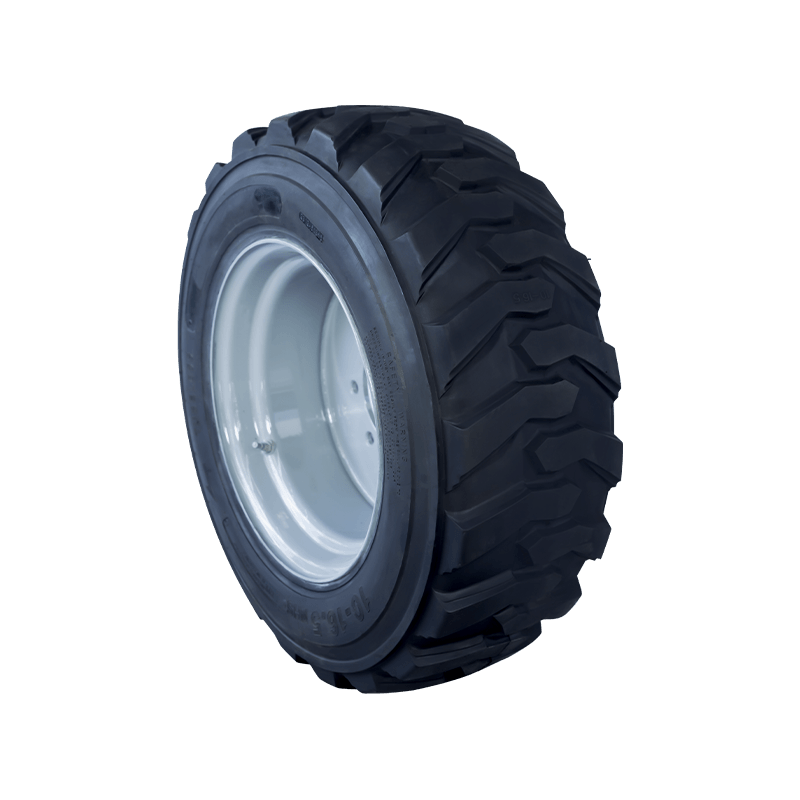
Beyond internal cord orientation, trailer tires are categorized by their reliance on compressed air for load support. Traditional pneumatic trailer tires rely on sealed air chambers, either tube type or tubeless, to maintain structural shape and cushion the vehicle frame against road impacts. Pneumatic tires offer excellent shock absorption and smooth ride characteristics, making them suitable for high speed transport on public highways.
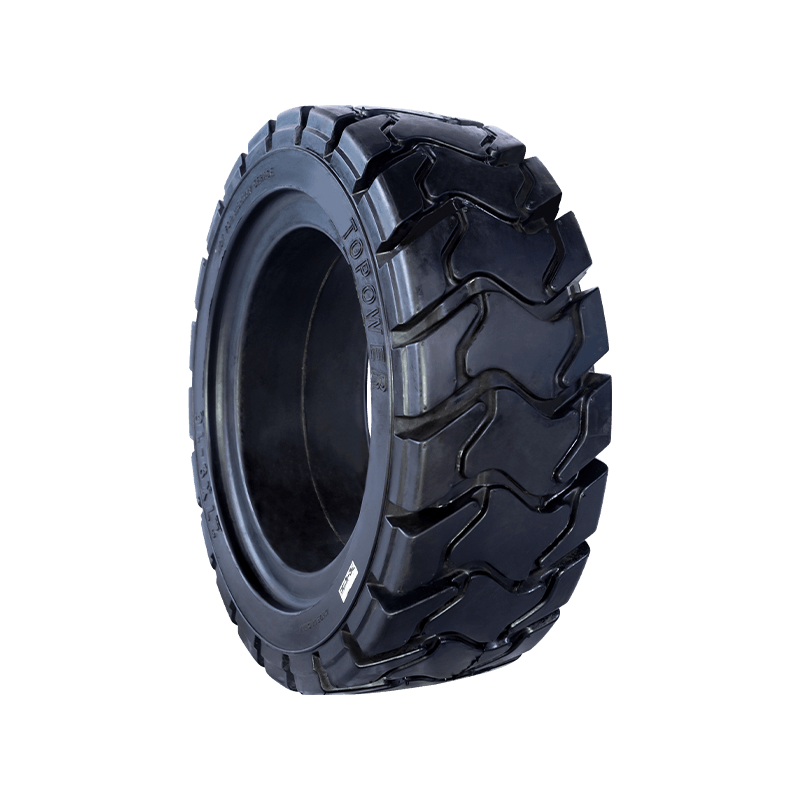
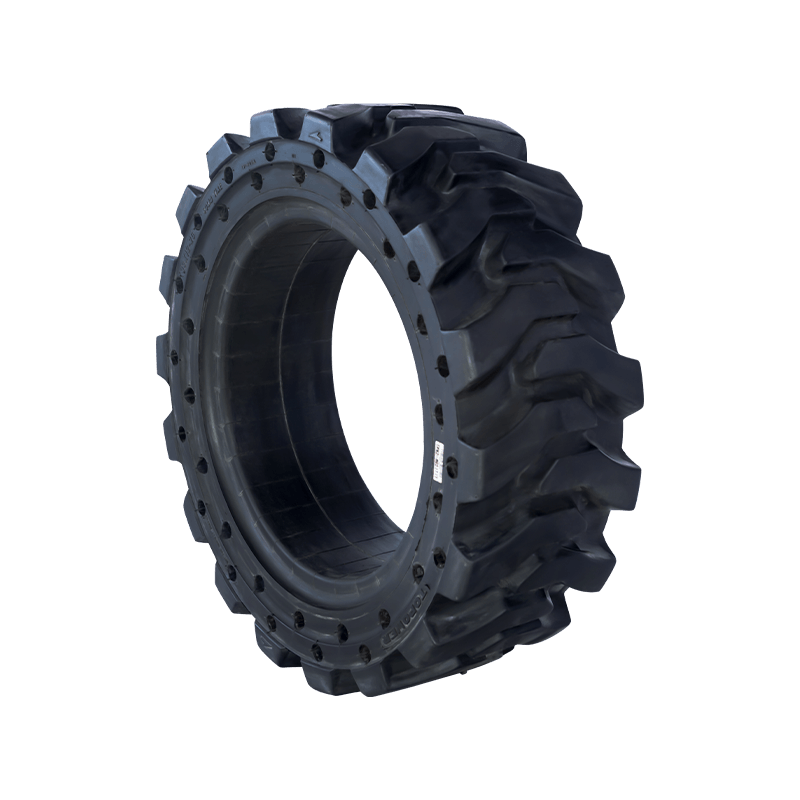
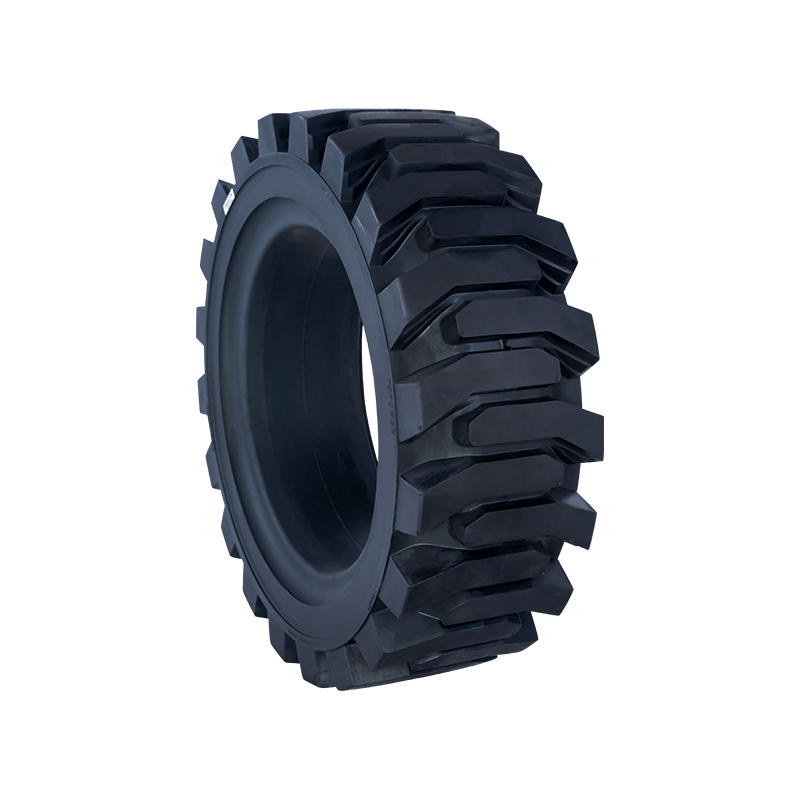
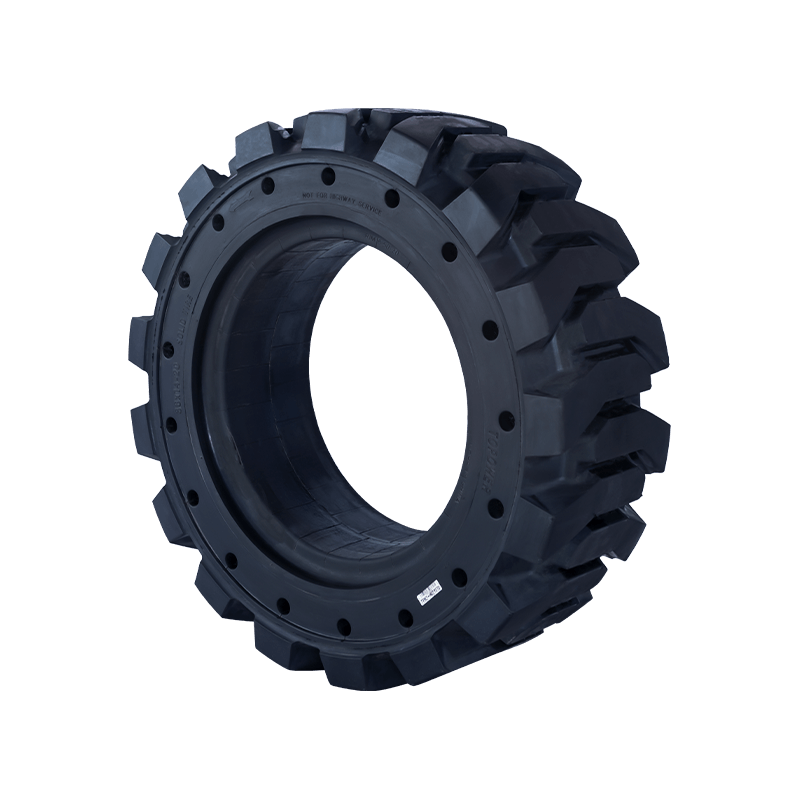
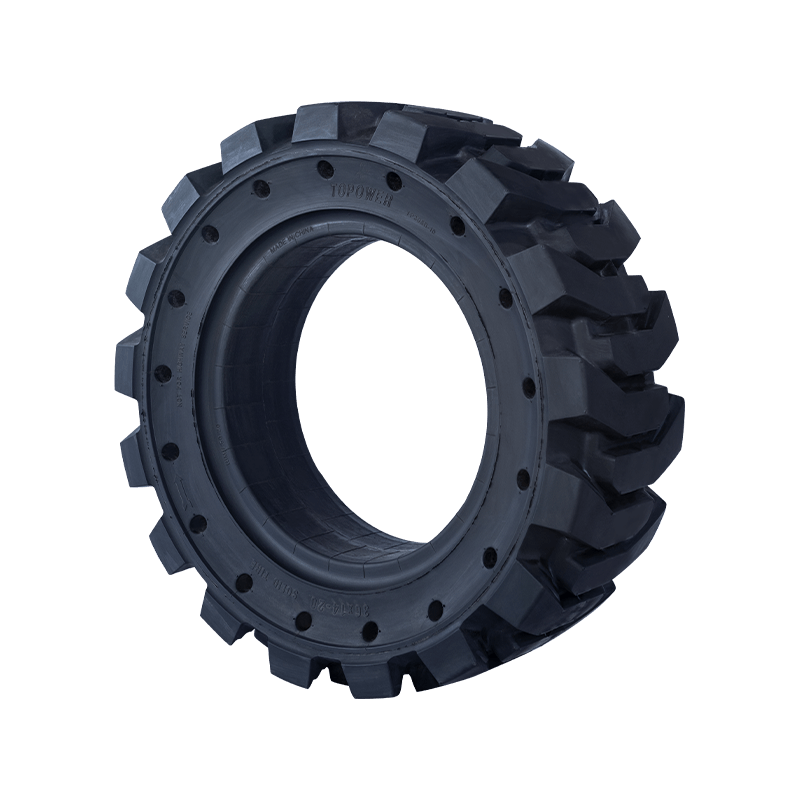
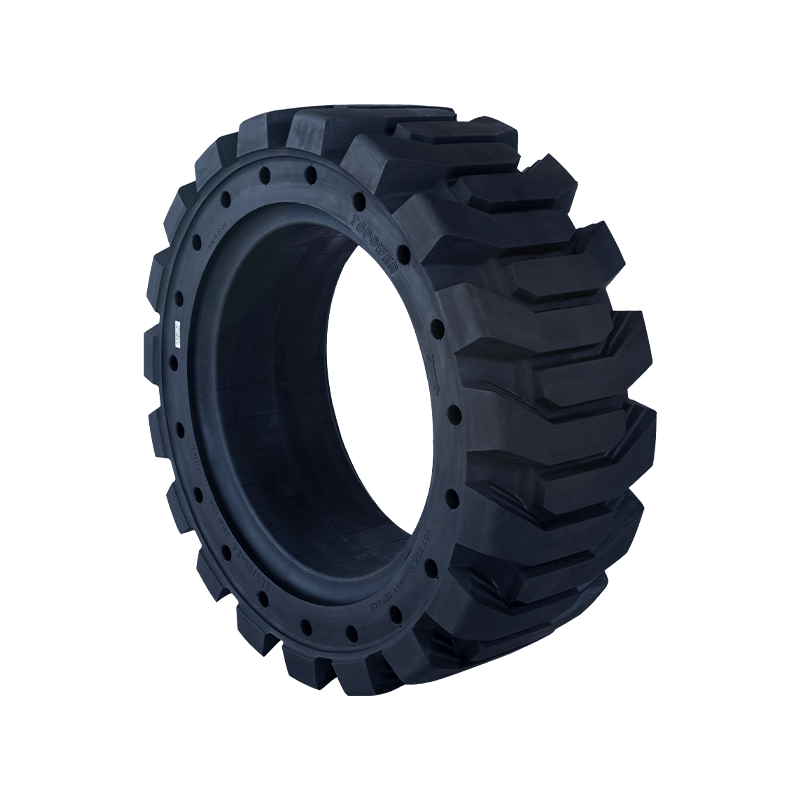
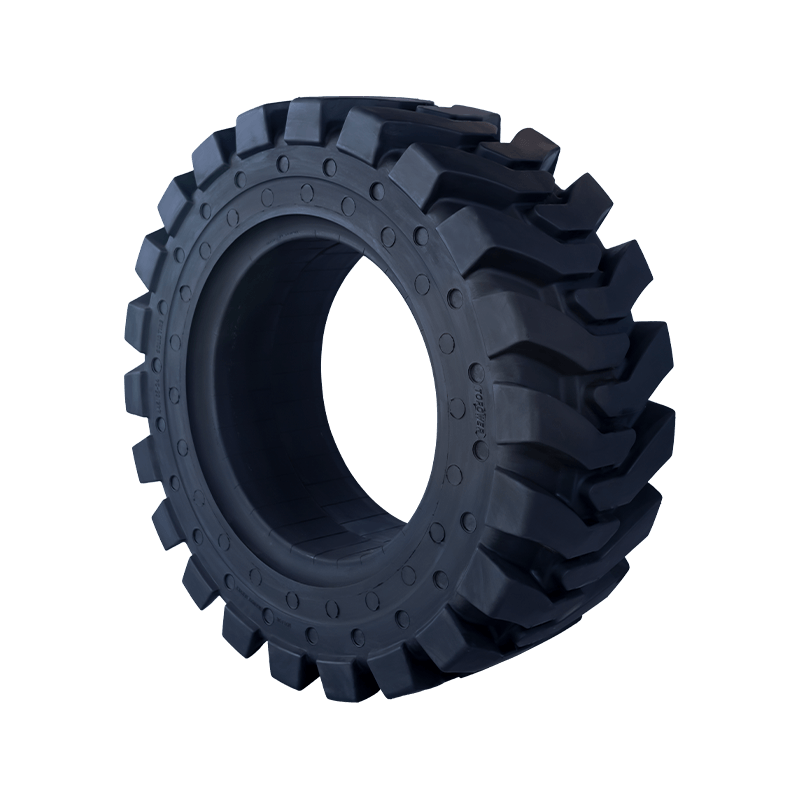
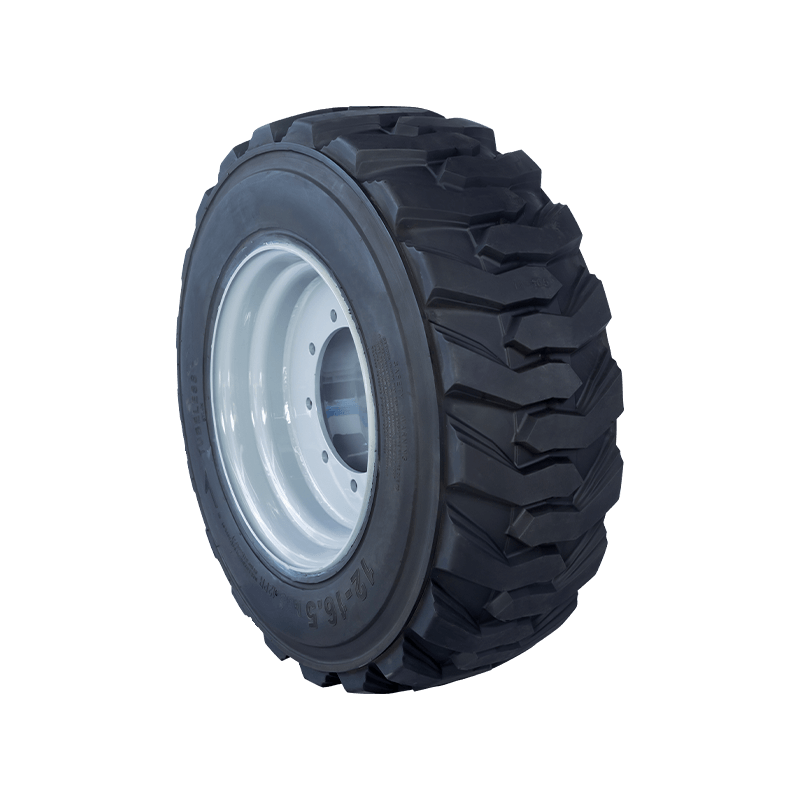
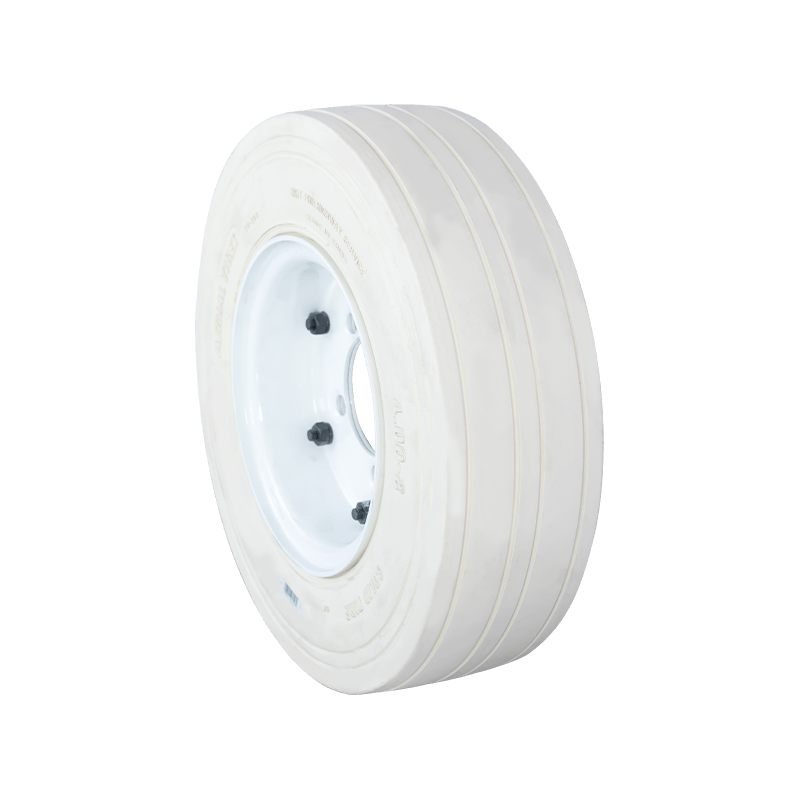
However, in heavy industrial facilities, scrap yards, ports, and mining operations, puncture risks and heavy shock loading render pneumatic tires vulnerable to sudden air loss and catastrophic sidewall blowouts. In these demanding environments, a trailer solid tyre serves as the alternative primary option. Constructed entirely from dense, multi layered rubber compounds bonded around a steel rim base, a trailer solid tyre eliminates the risk of flat tires completely. The solid elastomeric construction provides maximum structural rigidity and exceptional load carrying capacity, albeit with increased overall rotational mass and reduced shock absorption at elevated speeds.
Radial Ply Trailer Tires Mechanics and Performance
Radial trailer tires represent the standard choice for long distance highway hauling, commercial freight, and recreational vehicle towing. Their internal architecture separates the mechanical functions of the tread area from the sidewall area, providing functional advantages during continuous high speed travel.
Internal Architecture and Steel Belt Alignment
The core engineering feature of a radial trailer tire is the independent behavior of its sidewalls and tread face. Because the radial body cords run straight across from one bead to the other, the sidewalls can flex freely under vertical load without transferring tension directly into the tread face. Above these radial plies, multiple layers of steel belts run circumferentially beneath the tread pattern.
This steel belt reinforcement stabilizes the tread face, keeping it flat against the pavement surface during motion. By preventing the tread blocks from squirming or flexing excessively against the road surface, radial construction minimizes rolling friction and maintains a consistent contact patch. The independent sidewall flex also helps isolate road vibrations, preventing pavement unevenness from disturbing the overall balance of the towed load.
Heat Dissipation and Highway Efficiency Over Long Distances
Excessive thermal accumulation is the primary cause of premature failure in trailer tires operating under high loads. As a tire rotates, internal friction between structural plies generates heat, a mechanical process known as hysteresis. If internal temperatures exceed safe limits, the rubber compounds degrade, leading to tread separation or sudden tire failure.
Radial trailer tires excel at heat dissipation due to their thinner, more flexible sidewalls and steel belt construction. Steel conducts thermal energy rapidly, allowing heat generated deep within the tread base to radiate outward into the passing air stream. Furthermore, because radial tires experience less internal tread movement while rolling, they generate substantially less mechanical heat than bias ply tires during continuous high speed operation. This cool running characteristic extends tread life and improves fuel economy across long transportation routes.
Flex Characteristics and Tread Contact Patch Dynamics
The contact patch, or footprint, of a radial trailer tire remains stable under varying load conditions and minor cornering forces. Because the steel belts hold the tread face flat, the tread wear remains uniform across the width of the tire surface.
When a radial tire encounters a bump or expansion joint on the highway, the flexible sidewalls compress vertically while the tread face maintains solid traction with the road. This localized flexing action absorbs vertical impacts without lifting the edges of the tread away from the pavement. The resulting stability reduces trailer sway, enhances tracking behind the tow vehicle, and provides predictable braking performance under heavy payload conditions.
Bias Ply Trailer Tires Engineering and Structural Behavior
While radial tires dominate high speed highway applications, bias ply trailer tires remain widely utilized across specific industries, particularly where sidewall durability, lateral load stability, and cost efficiency are prioritized over continuous high speed travel.
Cross Hatch Nylon Fabric Belt Construction
The internal frame of a bias ply trailer tire consists of multiple overlapping fabric plies layered in alternating diagonal angles. Each layer of cord fabric is laid at an opposing angle to the layer beneath it, creating a crisscross structural network that encapsulates the entire tire carcass from bead to bead.
This continuous cross hatch construction results in a uniform wall thickness throughout the entire tire body. Unlike radial tires, where the tread and sidewalls act independently, a bias ply tire operates as a single unified unit. When tension is applied to the tread area of a bias ply tire, that force is immediately transmitted down through the diagonal cord layers directly into the sidewalls and wheel rim.
Sidewall Rigidity and Lateral Load Stability
The primary mechanical benefit of bias ply construction is exceptional sidewall stiffness. Because multiple layers of crisscross fabric cords extend through the sidewall area, bias ply tires resist lateral flexing and sidewall bulges far better than equivalent radial tires.
This high sidewall rigidity is advantageous when towing heavy loads with high centers of gravity, such as livestock trailers, tall equipment haulers, or agricultural supply wagons. When making sharp turns or operating on uneven ground, the stiff sidewalls of a bias ply tire prevent the trailer frame from leaning excessively. This lateral firmness reduces the sensation of sway and provides a planted, rigid platform during low speed maneuvering and stationary loading operations.
Irregular Terrain Performance and Rough Service Suitability
On unpaved agricultural fields, construction sites, gravel roads, and forestry tracks, tires face constant contact with sharp rocks, tree stumps, and debris. Flexible radial sidewalls are vulnerable to cuts, punctures, and impact ruptures when exposed to severe off road obstacles.
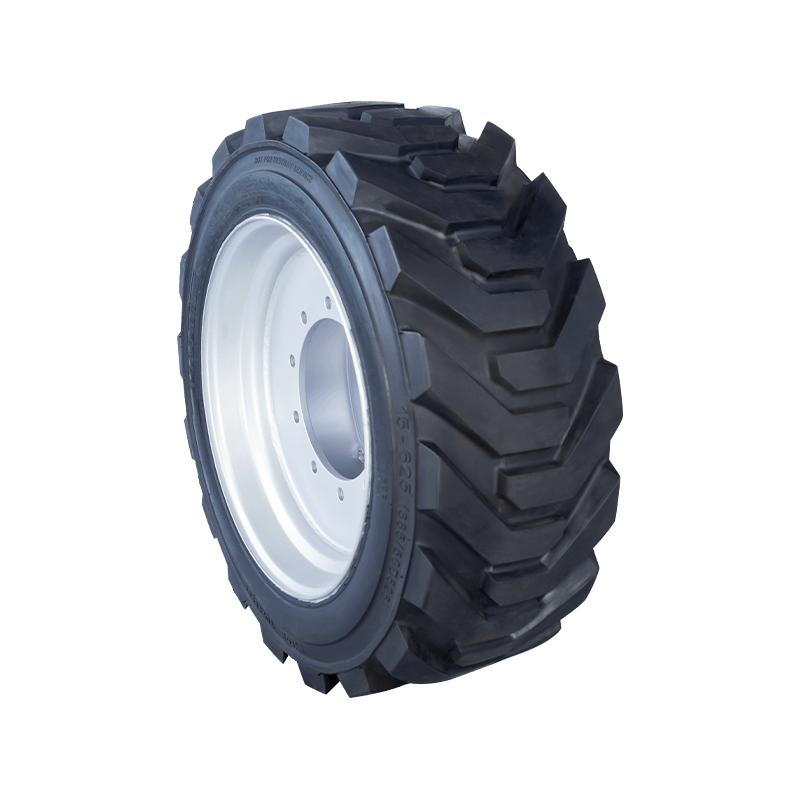
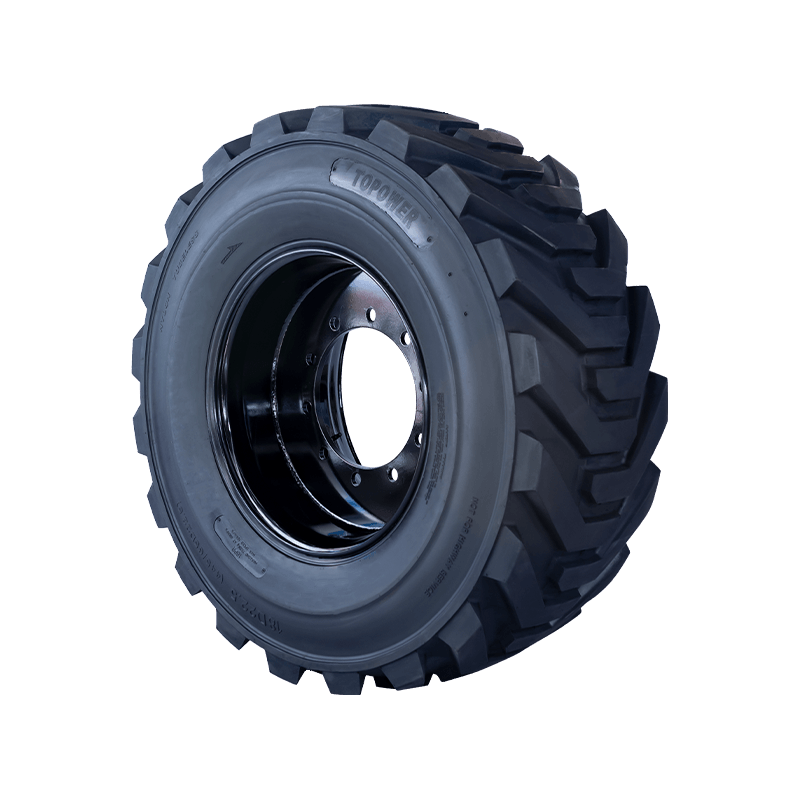
Bias ply trailer tires offer superior resistance to sidewall damage due to their uniform, multi layered fabric thickness. A sharp object that might slice through a thin radial sidewall often fails to penetrate the thick, cross hatched plies of a bias ply tire. Furthermore, bias ply tires are less expensive to manufacture, making them a practical choice for agricultural utility trailers, boat trailers that spend long periods in seasonal storage, and construction equipment that travels limited annual mileage.
Pneumatic versus Trailer Solid Tyre Systems in Heavy Transport
Comparing air-filled tires with solid elastomeric alternatives expands the understanding of trailer tire selection beyond standard highway vehicles into heavy industrial material handling.
Operational Demands in High Hazard Industrial Environments
In steel mills, glass manufacturing plants, scrap recycling yards, and busy seaport terminals, floor surfaces are frequently littered with metal shavings, sharp punchings, broken glass, dropped hardware, and discarded nails. Operating pneumatic trailer tires in these environments leads to frequent punctures, immediate pressure loss, and costly operational downtime.
A trailer solid tyre addresses these severe environmental hazards by eliminating compressed air entirely. Constructed from tough, cut resistant synthetic and natural rubber compounds, a trailer solid tyre rolls over sharp objects without experiencing flat tires or structural failure. This continuous operational availability is crucial for automated guided vehicles, heavy industrial transfer trailers, and port container chassis operating on tight schedules where downtime translates directly into financial loss.
Maintenance Requirements and Puncture Vulnerability
Pneumatic trailer tires require continuous maintenance to ensure safe operation. Fleet operators must check inflation pressures regularly, as underinflated pneumatic tires experience excessive heat buildup, accelerated tread wear, and reduced load carrying capacity. Overinflated pneumatic tires suffer from concentrated center tread wear and reduced impact resistance.
A trailer solid tyre removes the need for inflation monitoring completely. Because there is no internal air pressure to maintain, maintenance schedules for solid tires focus purely on tread wear monitoring and rim attachment integrity. The absence of valve stems, inner tubes, and pressure sensors simplifies fleet management in large industrial facilities. However, operators must periodically inspect solid tires for deep rubber gouges, tread chunking, or bond separation between the rubber compound and the central steel base ring.
Load Carrying Capacity and Structural Deflection Characteristics
The structural density of a trailer solid tyre allows it to support far higher static and dynamic loads per unit volume than a pneumatic tire of equivalent outer dimensions. Under heavy payload conditions, a pneumatic tire relies on air pressure compression, which causes the rubber carcass to bulge outward and deform.
A trailer solid tyre exhibits minimal structural deflection under heavy loads. The dense rubber formulation deforms only slightly under immense weight, maintaining a stable height and low center of gravity for the towed vehicle. This deflection resistance makes solid tires ideal for heavy machinery transport trailers, die handling carts, and modular industrial transporters that move multi ton loads at controlled speeds across factory floors.
Comprehensive Qualitative Comparison of Trailer Tire Technologies
To clarify the performance trade offs between radial pneumatic tires, bias ply pneumatic tires, and solid rubber alternatives, the following qualitative matrix illustrates key functional attributes across operational categories.
|
Performance Characteristic |
Radial Pneumatic Trailer Tire |
Bias Ply Pneumatic Trailer Tire |
Industrial Trailer Solid Tyre |
|---|---|---|---|
|
High Speed Heat Dissipation |
Superior |
Fair |
Poor |
|
Sidewall Puncture Resistance |
Moderate |
High |
Maximum |
|
Lateral Sway Stability |
Moderate |
High |
Outstanding |
|
Tread Life on Paved Roads |
Extended |
Moderate |
Exceptionally Long |
|
Ride Quality and Shock Absorption |
Soft and Smooth |
Firm |
Rigid |
|
Static Load Carrying Capacity |
Standard |
High |
High to Extreme |
|
Initial Acquisition Cost |
Moderate |
Low |
Higher Initial Investment |
|
Maintenance Demand |
Continuous Air Checks |
Continuous Air Checks |
Minimal Maintenance |
Critical Operational Factors Governing Trailer Tire Selection
Selecting the correct tire type requires analyzing key mechanical variables to ensure the equipment operates safely within its designed parameters.
Load Capacity Ratings and Speed Classifications
Trailer tires are manufactured to specific load standards that differ significantly from passenger vehicle tires. Special Trailer pneumatic tires are designed with stiffer sidewalls and higher load carrying capacities relative to their overall physical size.
Every trailer tire features a load index and speed rating stamped into its sidewall. Pneumatic radial tires typically offer higher speed ratings, making them suitable for legal highway speeds up to sixty five miles per hour or higher when properly inflated. Bias ply tires often feature lower maximum speed limits due to rapid heat buildup at elevated rotational speeds. A trailer solid tyre is restricted to low speed applications, typically below fifteen to twenty miles per hour, because solid rubber retains internal heat when flexed rapidly under continuous load.
Inflation Pressure Management and Thermal Expansion
For pneumatic trailer tires, maintaining correct cold inflation pressure is the single most critical factor in achieving safe performance and expected tread life. Inflation pressure recommendations are established by trailer manufacturers to match the gross axle weight rating of the towed vehicle.
When a pneumatic tire operates under load, air inside the sealed chamber warms up and expands, causing a natural increase in internal pressure. Operators must never vent air from a warm tire to lower the pressure back to the cold inflation target, as this leaves the tire underinflated once it cools down. Operating a pneumatic trailer tire even twenty percent below recommended cold pressure levels drastically increases internal carcass temperatures, leading to cord fatigue and eventual tread separation.
Storage Conditions and Rubber Oxidation Prevention
Trailers frequently spend long periods parked in outdoor storage lots, exposed to sunlight, weather changes, and atmospheric ozone. Unlike passenger cars that are driven daily, stationary trailer tires suffer from localized oxidation and ozone cracking.
Rubber compounds contain anti ozonant chemicals that migrate to the surface as the tire rolls and flexes, creating a protective barrier against atmospheric degradation. When a trailer sits stationary for months, these protective chemicals remain stagnant within the rubber matrix. Consequently, pneumatic tires stored outdoors develop dry rot cracks in the sidewall grooves. While a trailer solid tyre also experiences gradual surface weathering over years of exposure, its thick, solid cross section makes it far less vulnerable to catastrophic failure from surface ozone cracking compared to thin walled pneumatic tires.
Application Specific Trailer Tire Deployments Across Key Industries
Different transport operations require tailored tire solutions based on travel speeds, surface conditions, payload characteristics, and maintenance access.
Long Distance Highway Freight and Commercial Transportation
For long haul commercial trailers, enclosed cargo vans, car haulers, and recreational trailers traveling thousands of miles on interstate highways, radial ply pneumatic tires are the preferred choice.
The low rolling resistance of radial construction reduces tow vehicle fuel consumption over long distances. The flat, stable tread footprint provides uniform wear across high mileage runs, while cool running steel belts prevent heat induced failures during continuous summer hauling. Furthermore, the flexible radial sidewalls help protect delicate cargo, electronics, and interior trailer furnishings from harsh road shocks.
Agriculture and Construction Site Support Trailers
Agricultural operations and building construction sites present a mixed environment consisting of paved roads, muddy fields, rutted dirt tracks, and sharp gravel lanes. Equipment such as utility trailers, seed tenders, concrete buggies, and portable generator haulers require durable tire assemblies.
Bias ply trailer tires serve these applications effectively due to their tough, puncture resistant sidewalls and firm lateral stability. The stiff sidewalls keep supply trailers stable when traversing uneven farm fields or climbing over curb edges on construction sites. Additionally, the lower initial purchase price of bias ply tires makes them economical for support equipment that sees low annual mileage but demands rugged durability when in use.
Industrial Marine Terminals and Heavy Material Handling
In seaport container terminals, intermodal rail yards, manufacturing foundries, and heavy machinery assembly plants, material movement relies on heavy duty industrial trailers, yard chassis, and heavy platform transporters.
In these high duty cycle environments, a trailer solid tyre provides reliable, maintenance free service. Seaport chassis equipped with solid tires can transport fully loaded steel shipping containers across paved docks without risking downtime from dropped twist locks, stray bolts, or metal scrap. Similarly, heavy transfer trailers in steel foundries utilize solid rubber tires to move hot steel coils and heavy castings safely without vulnerability to thermal punctures or sudden pressure loss.
Proper Maintenance Protocols and Safety Practices
Ensuring trailer safety requires systematic maintenance routines tailored to the specific mechanical characteristics of the installed tire type.
Tread Depth Evaluation and Wear Pattern Analysis
Regular inspection of tread depth and wear patterns allows operators to identify suspension alignment issues, overloading, or improper inflation before failure occurs. Tread depth should be measured across multiple points using a standard tread depth gauge.
Uneven wear patterns provide valuable diagnostic information about trailer health:
Center tread wear on a pneumatic tire indicates continuous overinflation, forcing the center of the tread to carry a disproportionate amount of the load. Outer shoulder wear on both edges indicates chronic underinflation or heavy overloading, causing the center tread to bow inward while the shoulders drag along the pavement. Wear concentrated entirely on one side of the tread face points to axle bending, improper camber angle, or misaligned trailer suspension hangers. Cupping or scalloped dip wear across the tread face indicates loose wheel bearings, out of balance tire assemblies, or worn shock absorbers.
Wheel Alignment and Axle Geometry Checks
Unlike steering axles on tow vehicles, trailer axles are fixed in position relative to the trailer frame. If trailer axles are misaligned, the tires are forced to slide sideways slightly as the trailer travels forward, a condition known as dog tracking or scrub wear.
Axle misalignment rapidly destroys trailer tire tread, generates excessive frictional heat, and reduces tow vehicle fuel economy. Fleet mechanics check trailer alignment by measuring the precise distance from the center of the trailer kingpin or hitch coupler to the spindle centers on both sides of the front axle. Secondary axles are then measured parallel to the front axle. Correcting frame twisting, leaf spring hanger position, and axle bent tube conditions ensures that all trailer tires roll true along the direction of travel.
Inspection Criteria for Aging and Chemical Degradation
Because trailer tires often age out before their tread pattern wears down completely, visual inspection for age related rubber breakdown is essential. Automotive safety organizations recommend replacing pneumatic trailer tires every three to five years regardless of remaining tread depth.
Inspectors should examine the rubber surface for fine micro cracks, known as dry rot, particularly inside the tread grooves and along the mid sidewall area. Any tire displaying deep cracks that expose internal fabric plies or steel cords must be removed from service immediately. On a trailer solid tyre, inspection focuses on identifying severe rubber chunking, deep gouges that reach the inner mounting rim, or physical separation between the solid rubber body and the central steel base ring. Maintaining clean, oil free tire surfaces and storing idle trailers on wood blocks off bare ground helps preserve rubber elasticity and extends service life across all trailer tire categories.