 English
 русский
 Español
 عربى
عربى
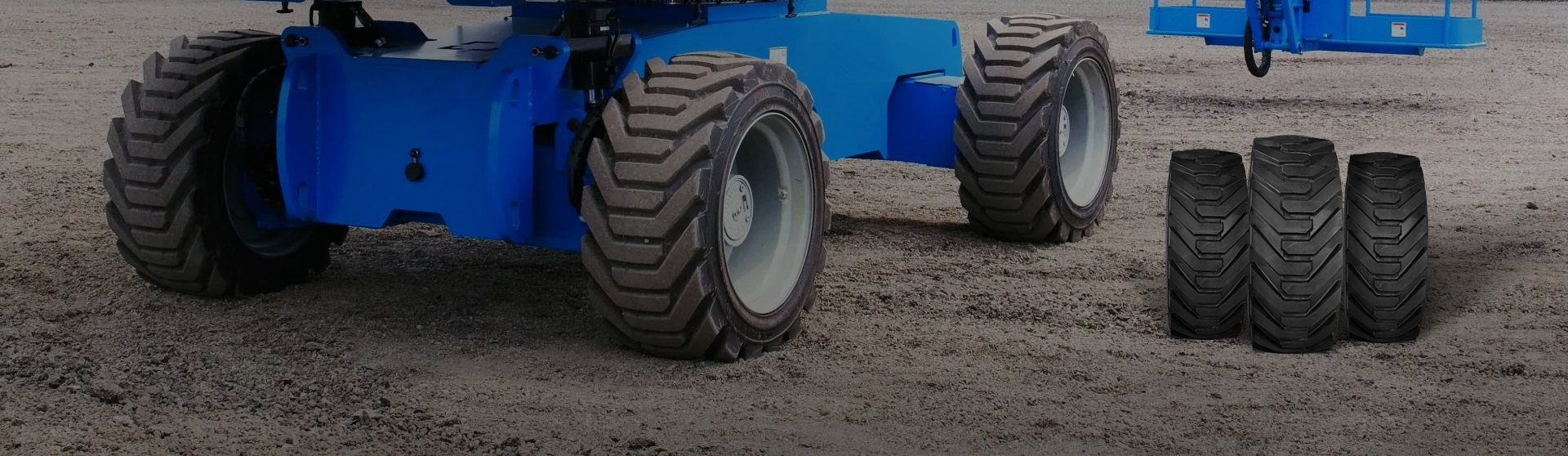

The demanding nature of modern material handling, heavy industrial processing, and construction logistics requires equipment that can perform consistently under extreme physical stress. In these environments, downtime caused by tire punctures or structural failures can lead to substantial financial losses and supply chain disruptions. To mitigate these risks, fleet operators and facility managers increasingly rely on solid tire technology to keep their machinery moving. Understanding the operational lifespan of a Solid Tyre is essential for accurate budgeting, preventive maintenance scheduling, and ensuring workplace safety.
Determining the exact lifespan of a solid tire is a complex engineering task that goes far beyond simple hourly estimates. Unlike pneumatic tires that rely on pressurized air to support a load, a solid tire is a continuous, dense mass of rubber or polyurethane that is subjected to constant compression, friction, and heat. By examining the detailed science of polymer chemistry, structural tire design, ground surface interactions, and operational habits, industrial professionals can maximize the longevity of their tires and select the most cost effective solutions for their specific materials handling needs.
Introduction to Solid Tyre Technology and Durability
To understand how long solid tires last, it is first necessary to examine the fundamental differences in construction and performance between solid and pneumatic options. This structural contrast explains why solid tires can withstand environments that would instantly destroy standard air filled tires.
The Structural Architecture of Solid Tires
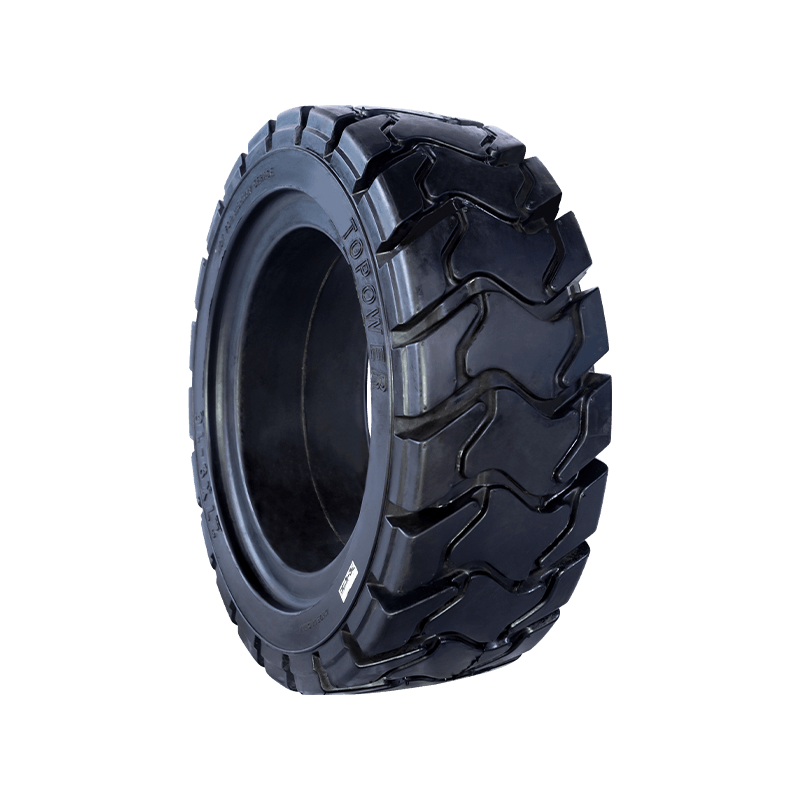
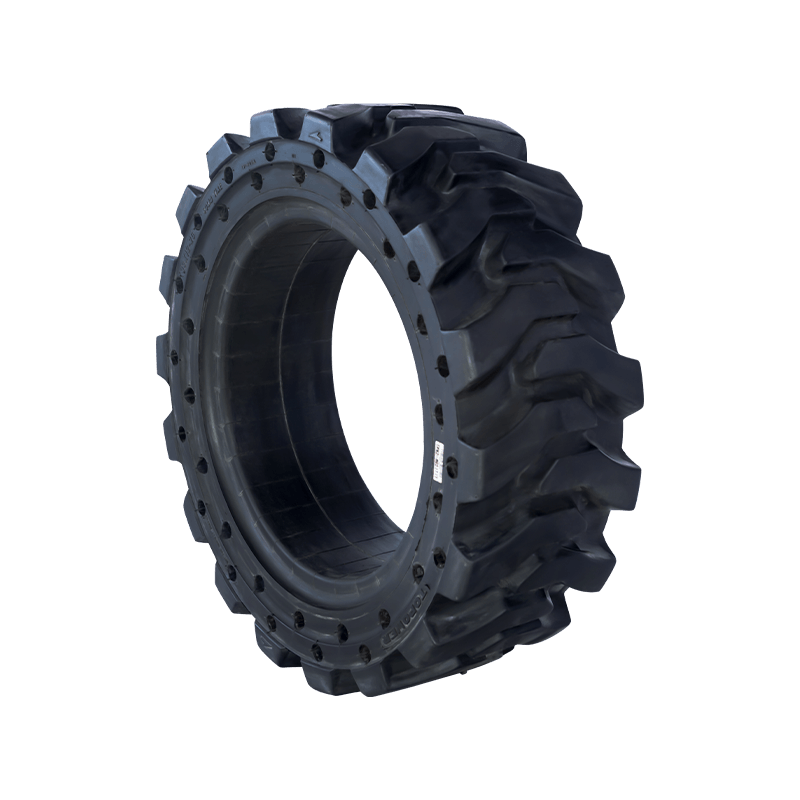
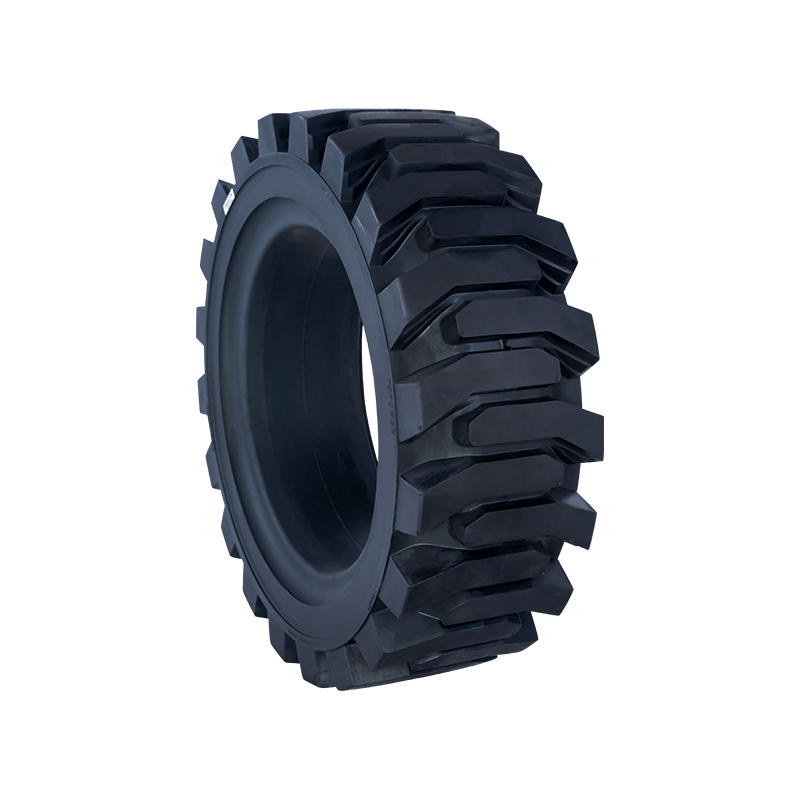
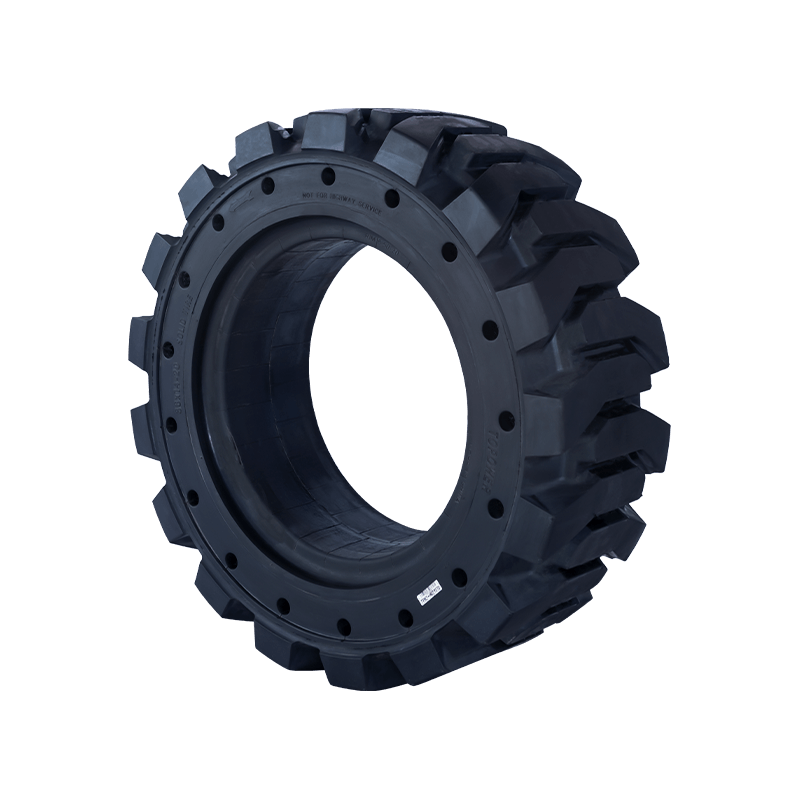
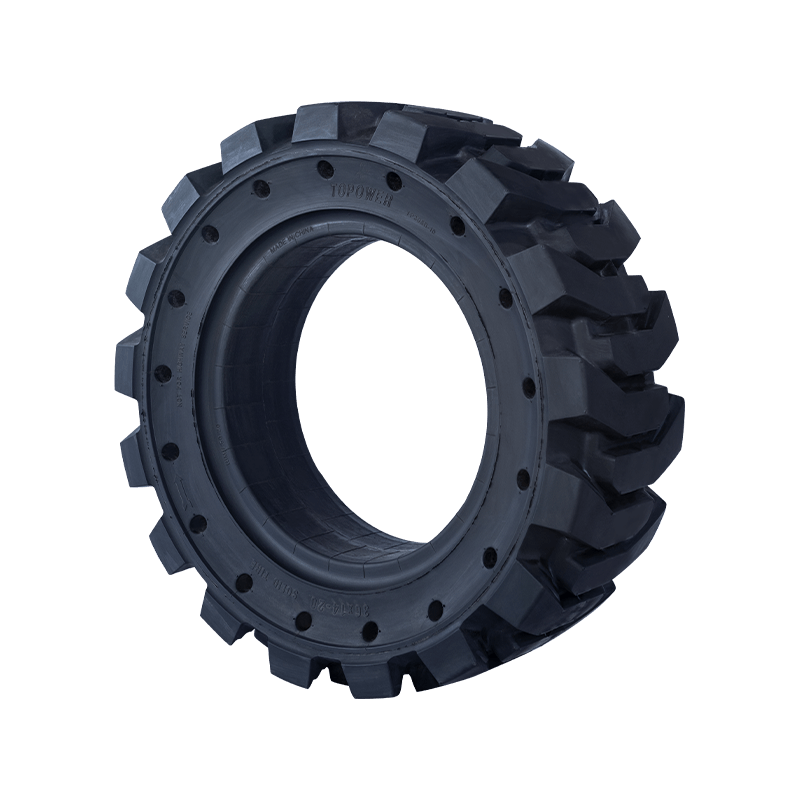
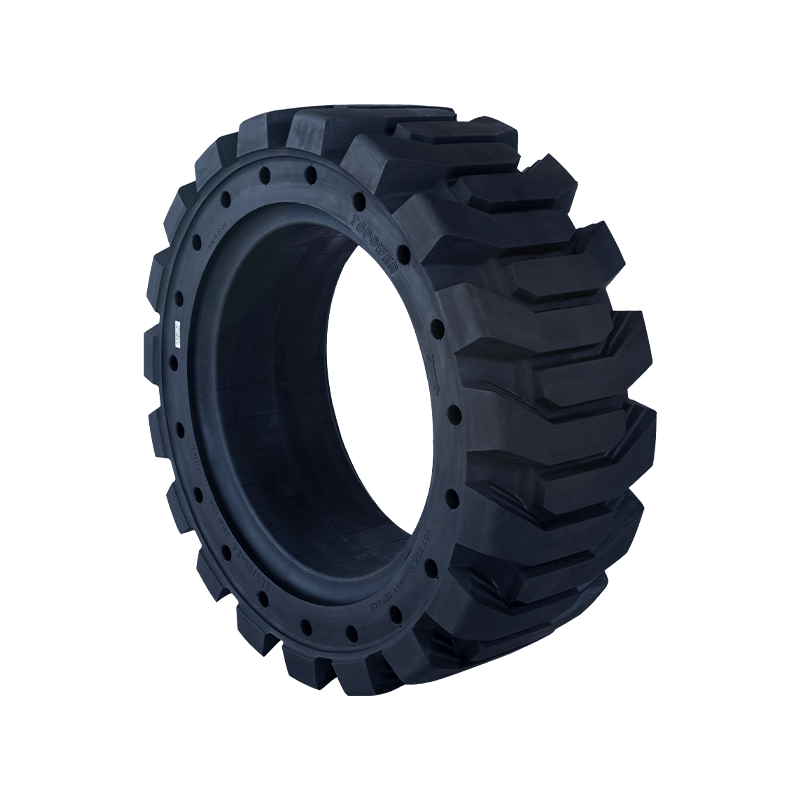
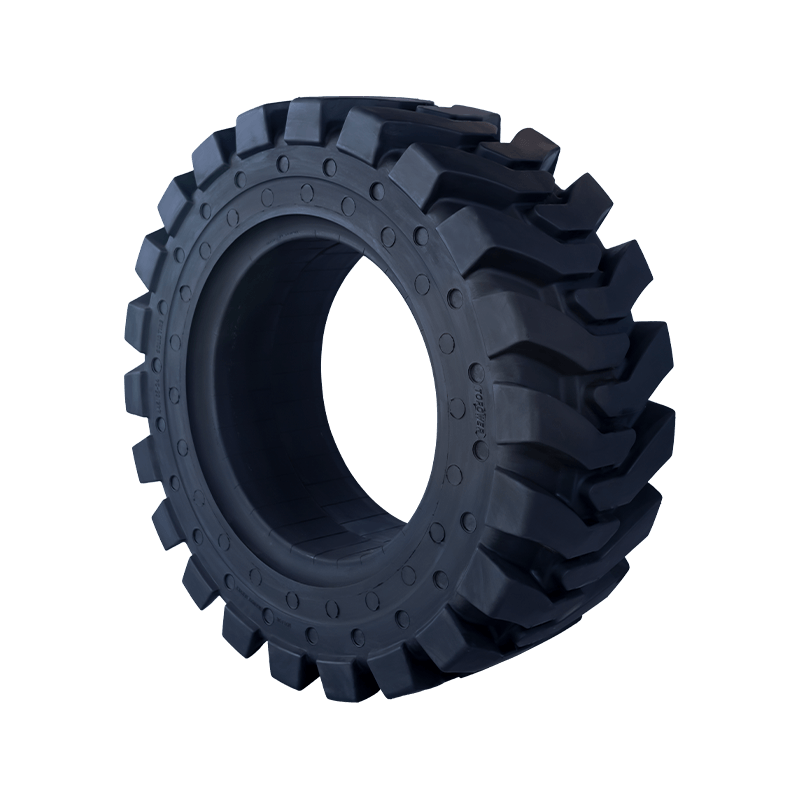
A high quality Solid Tyre is not a simple chunk of molded rubber. Instead, it is a highly engineered, multi layered system designed to balance structural stiffness with shock absorption. Most premium resilient solid tires utilize a three stage construction process to achieve these properties. The innermost layer, which is known as the base compound, is formulated with extremely hard rubber and reinforced with steel bead wires. This rigid base ensures that the tire remains securely mounted to the wheel rim, preventing slippage or spinning under high torque loads.
Surrounding the base is the cushion layer, which is a softer, more elastic rubber compound designed to act as the primary suspension system for the vehicle. This middle layer absorbs shocks, dampens vibrations from uneven ground, and reduces the physical strain on the vehicle axle and the operator. The outermost layer is the tread compound, which is engineered for maximum wear resistance, tear strength, and traction. This layer is exposed directly to the operating environment, meaning its chemical formulation determines how well the tire resists cutting, chunking, and abrasive wear over thousands of operating hours.
Eliminating the Threat of Sudden Punctures
The primary functional advantage of a Solid Tyre is its complete immunity to flat tires and sudden pressure loss. In hazardous environments like scrap metal yards, waste recycling facilities, glass manufacturing plants, and demolition sites, the ground is continuously littered with sharp objects such as steel shards, nails, jagged concrete, and broken glass. A pneumatic tire operating in these areas is vulnerable to instant punctures, which not only halts production but can also cause dangerous stability failures if a heavy forklift is carrying a load at high lift heights.
By utilizing solid tires, operations can completely eliminate flat tire downtime. Because there is no internal air cavity, cuts and punctures do not affect the structural integrity of the tire. A solid tire can continue to run safely even after absorbing numerous nails or sustaining deep surface gashes. This resilience is the main reason why solid tires are the absolute standard for forklifts, skid steers, baggage handlers, and heavy industrial vehicles that must operate continuously in severe conditions.
Primary Materials Determining the Lifespan of a Solid Tyre
The chemical composition and physical behavior of the polymers used to manufacture a Solid Tyre are the primary factors that dictate how long the tire will last under load. Industrial tires generally fall into two material categories, which are rubber and polyurethane.
Natural Rubber Compounds and Vulcanization Chemistry
The vast majority of heavy duty industrial solid tires are manufactured from high grade natural rubber compounds. Natural rubber is valued for its exceptional elasticity, tear resistance, and mechanical toughness, which allows the tire to flex and absorb impacts without cracking. During the manufacturing process, raw rubber is blended with carbon black, sulfur, and various chemical accelerators before undergoing a heat treatment process known as vulcanization.
Vulcanization creates strong chemical cross links between the individual polymer chains, transforming the soft, sticky raw rubber into a highly durable, resilient elastomer. Carbon black serves as a vital reinforcing filler, increasing the tensile strength and wear resistance of the tread compound while providing protection against ultraviolet radiation. The precise ratio of natural rubber to synthetic rubber, carbon black, and vulcanizing agents determines the hardness of the tire, which directly impacts its rate of abrasive wear and its ability to dissipate internal heat during operation.
Polyurethane Formulations for High Load Capacities
For applications requiring extreme load bearing capacity and clean operation, polyurethane solid tires represent a highly effective alternative to rubber. Polyurethane is a synthetic elastomer characterized by outstanding tensile strength, high hardness, and exceptional resistance to oil, grease, and common industrial chemicals. Unlike rubber tires that are vulcanized under heat and pressure, polyurethane tires are manufactured through a liquid casting process, where reactive chemical monomers are mixed and poured directly onto a steel wheel hub.
The molecular structure of polyurethane allows it to support up to three times the weight of a comparable rubber tire without undergoing excessive deformation. This high load capacity makes polyurethane tires highly suitable for narrow aisle reach trucks, order pickers, and automated guided vehicles operating on smooth concrete warehouse floors. Furthermore, polyurethane does not leave black scuff marks on floors, which is a critical requirement for food processing facilities, pharmaceutical warehouses, and clean room environments. However, polyurethane has a relatively low tolerance for high speeds and rough outdoor surfaces, which limits its application to indoor, controlled environments.
Key Factors Influencing the Operational Longevity of Industrial Tires
The physical lifespan of a Solid Tyre is highly variable and is determined by a combination of the operating environment, the weight of the loads being carried, and the thermal behavior of the polymer under stress.
Ground Surface Conditions and Abrasive Wear
The texture and cleanliness of the ground surface are the most significant external drivers of tire wear. When a Solid Tyre operates on smooth, sealed concrete floors, the friction between the tread and the ground is minimal, which allows the rubber to wear down very slowly and evenly. Under these ideal indoor conditions, a high quality solid rubber tire can easily last for several thousand hours of continuous operation.
If the same vehicle is moved outdoors to operate on rough asphalt, unpaved gravel, or heavily cracked concrete, the rate of abrasive wear will increase dramatically. The irregular surface acts like a giant piece of sandpaper, continuously grinding away the microscopic bonds of the vulcanized rubber. Furthermore, if the operating area is contaminated with sharp metal shavings, masonry debris, or chemical solvents, the tread will experience chunking, where large pieces of rubber are physically torn away from the tire body. This mechanical damage drastically reduces the usable volume of the tread, leading to premature tire replacement long before the rubber has naturally worn down to its structural limits.
Load Capacity and Static Compression Dynamics
The weight of the cargo being carried by the vehicle exerts continuous vertical force on the solid tires, causing them to compress against the ground. This compression is necessary to distribute the load, but if the vehicle is consistently overloaded, the internal structure of the tire will experience excessive stress. Under extreme loads, the rubber can exceed its elastic limit, leading to permanent deformation or structural cracking near the rigid base compound.
Static compression is particularly problematic for vehicles that remain parked with heavy loads for extended periods. When a loaded forklift sits stationary, the localized section of the tire in contact with the ground is subjected to continuous, concentrated pressure. This prolonged stress can cause the rubber to develop flat spots, where the tire loses its round shape and fails to recover its original elasticity. When the vehicle is eventually driven, these flat spots create a bumpy, vibrating ride that not only decreases operator comfort but also accelerates the wear of the steering components and the remaining tire tread.
Speed Limits and Heat Dissipation Challenges
The most common cause of sudden solid tire failure is internal heat buildup, a phenomenon that is directly tied to vehicle speed and duty cycles. When a solid rubber tire rolls under load, the continuous compression and relaxation of the rubber fibers generates internal friction, which is released as thermal energy. Because rubber is an exceptionally poor conductor of heat, this thermal energy cannot easily escape from the deep center of the tire.
If the vehicle is driven at high speeds or operated continuously without rest periods, the temperature inside the core of the tire will rise steadily. When the internal temperature exceeds critical limits, typically around one hundred and twenty degrees Celsius, the chemical bonds of the vulcanized rubber begin to break down, a process known as thermal degradation. This degradation can cause the internal rubber to liquefy or separate from the steel wheel hub, leading to sudden blowout failures or complete structural collapse of the tire body. To prevent thermal failure, solid tires are designed with strict speed limits, typically restricted to fifteen kilometers per hour or less, and require periodic cooling periods to allow the accumulated heat to dissipate safely.
Wear Indicators and the Sixty J-Line Standard
Unlike pneumatic tires that must be replaced immediately when they lose air, solid tires can be safely run until the tread material has been fully depleted. Recognizing when a solid tire has reached the end of its useful lifespan is critical for maintaining vehicle stability and preventing damage to the wheel rims.
Locating the Safety Line or Sixty J-Line
Most industrial solid rubber tires feature a built in physical wear indicator molded directly into the sidewall of the tire. This indicator is commonly referred to as the safety line or the sixty J-line, which is a raised rib or a recess that runs around the entire circumference of the tire wall. The sixty J-line represents the precise boundary between the wearable tread compound and the structural cushion and base layers of the tire.
As the tire is used, the outer tread gradually wears away, bringing the outer diameter closer to the safety line. Once the wear reaches this line, the tire has lost approximately sixty percent of its original volume, and all of the wearable tread has been depleted. Running a tire beyond the sixty J-line is highly dangerous, as the softer internal cushion rubber is not designed to resist abrasion, cutting, or high friction. Operating on the cushion layer can cause the tire to disintegrate rapidly, leading to severe stability issues and risking catastrophic load tipping.
Inspecting for Non Wear Damage and Chunking
While the safety line is the standard indicator for tread wear, solid tires often require replacement due to physical damage before the rubber has worn down to the limit. Inspectors must regularly examine the tires for signs of severe chunking, tearing, and cracking along the sidewalls and tread area. If a tire has lost large sections of rubber due to impact with sharp obstacles, the remaining tread surface will be highly uneven, creating a rough ride and reducing the contact patch needed for safe braking and acceleration.
Another critical area to inspect is the bond between the rubber base and the steel wheel hub. If the tire experiences severe impact forces or extreme thermal stress, the adhesive layer holding the rubber to the metal can fail, causing the rubber body to slide or spin on the wheel rim. This separation is a critical safety hazard, as it eliminates the mechanical connection between the drive axle and the ground, preventing the vehicle from braking or steering effectively. Any sign of base separation or deep radial cracking that reaches the wheel hub requires immediate replacement of the tire assembly.
Comparative Evaluation of Solid Tyre Types and Lifespans
To assist fleet managers in selecting the most durable and cost effective tire configurations for their industrial applications, the table below compares the primary classes of solid tires used in the materials handling industry.
|
Solid Tyre Category |
Material Formulation |
Primary Surface Compatibility |
Abrasive Wear Resistance |
Load Bearing Capacity |
Average Lifespan in Standard Hours |
|---|---|---|---|---|---|
|
Three Stage Resilient Solid |
Vulcanized natural rubber with steel base wires |
Concrete, asphalt, and rough outdoor gravel |
High resistance to cuts, chunking, and tearing |
High with excellent shock absorption |
Three thousand to five thousand operating hours |
|
Two Stage Resilient Solid |
Basic natural rubber with rigid mounting base |
Smooth indoor concrete and clean warehouse floors |
Moderate, prone to rapid wear on rough gravel |
Moderate with basic dampening properties |
Two thousand to three thousand operating hours |
|
Press On Band Solid |
Thin rubber compound bonded to a steel band |
Smooth indoor industrial floors and concrete docks |
High resistance to localized scuffing and friction |
High with a very low profile design |
One thousand five hundred to three thousand hours |
|
Cast Polyurethane Solid |
Liquid cast synthetic polyurethane elastomer |
Smooth, clean concrete and epoxy coated floors |
Outstanding resistance to surface abrasion |
Exceptional with minimal rolling resistance |
Four thousand to six thousand operating hours |
Best Operational Practices to Maximize Solid Tyre Lifespan
While the physical environment and load weights are often fixed parameters of an industrial operation, implementing proper driving habits and maintenance protocols can significantly extend the usable lifespan of your solid tires.
Improving Operator Driving Habits and Steering Behavior
The habits of the vehicle operator have a profound impact on the rate of tire wear. Sudden, aggressive braking and rapid acceleration cause the drive tires to slip and spin on the concrete floor, generating intense localized friction that rubs away the rubber compound. Operators should be trained to accelerate smoothly and decelerate gradually, which minimizes tire slippage and preserves the tread structure.
Steering habits are equally critical, especially for forklifts that utilize tight rear steer angles to maneuver in narrow warehouse aisles. Turning the steering wheel while the vehicle is completely stationary, a practice known as dry steering, forces the steer tires to grind against the hard concrete surface without any rolling movement. This grinding action creates concentrated friction that wears down the tread rapidly and can cause localized flat spots. Operators should always ensure the vehicle is moving slightly before initiating a turn, allowing the tire to roll smoothly across the floor and distributing the steering friction evenly around the circumference of the tread.
Maintaining Ground Surfaces and Removing Chemical Hazards
Keeping the operating floor clean and free of debris is one of the most effective ways to prevent premature tire damage. Scrap metal shavings, discarded screws, wooden pallet splinters, and concrete fragments should be swept up regularly using industrial floor sweepers. By maintaining a clean workspace, facilities can prevent the occurrence of severe chunking and cuts that destroy the tread before the rubber has naturally worn out.
Additionally, any chemical spills, oils, greases, and hydraulic fluids must be cleaned up immediately. While high quality rubber tires possess moderate resistance to chemicals, prolonged contact with petroleum based oils and strong organic solvents can cause the rubber compound to soften, swell, and lose its mechanical strength. Softened rubber wears away at an accelerated rate and is highly susceptible to tearing and cutting. For environments where chemical exposure is unavoidable, switching to polyurethane tires or specialized chemical resistant rubber compounds is essential for ensuring long term tire durability.
Proper Tire Storage and Environmental Protection
For operations that maintain a stock of replacement tires or utilize seasonal industrial vehicles, proper storage conditions are vital for preventing the natural aging of the rubber compounds. Raw and vulcanized rubber is an organic material that degrades over time when exposed to environmental elements, a process known as dry rot or environmental oxidation.
To preserve the mechanical properties of stored tires, they must be kept in a cool, dry, and dark indoor space. The storage temperature should ideally be maintained between fifteen and twenty-five degrees Celsius, with relative humidity levels kept low. The tires must be completely shielded from direct sunlight and artificial ultraviolet light sources, as UV radiation breaks down the polymer chains, causing the rubber to lose its elasticity and develop fine surface cracks. Furthermore, tires should be stored away from electric motors, generators, and ozone producing equipment, as ozone gas is highly corrosive to vulcanized rubber and accelerates the aging process, rendering the tires brittle and unsafe for high load operations even before they are ever mounted on a vehicle.