 English
 русский
 Español
 عربى
عربى
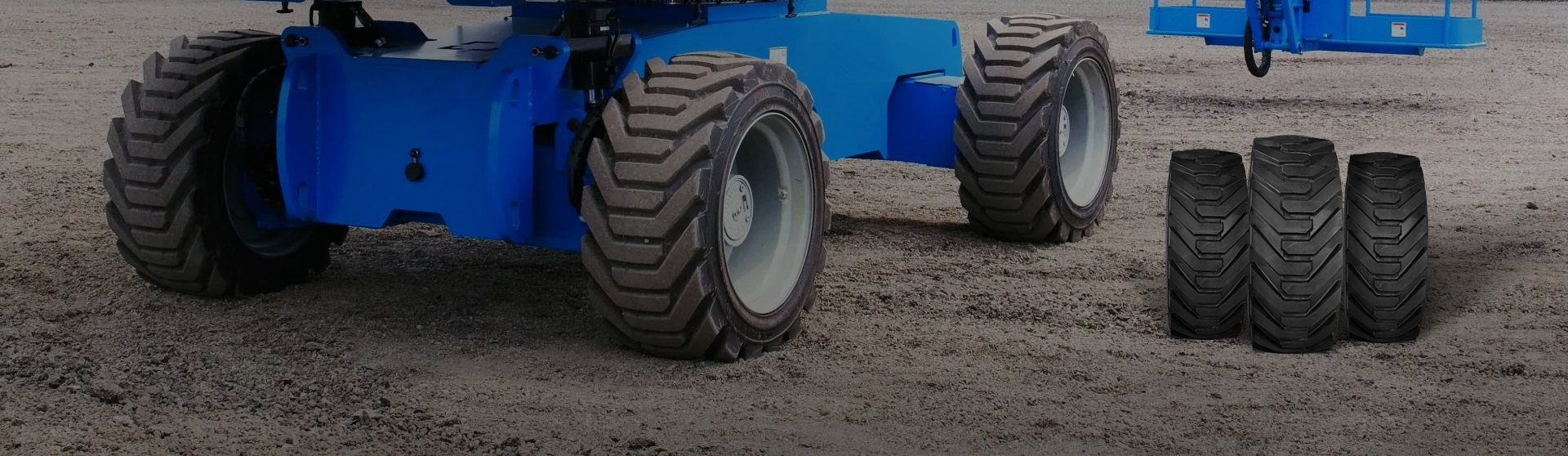

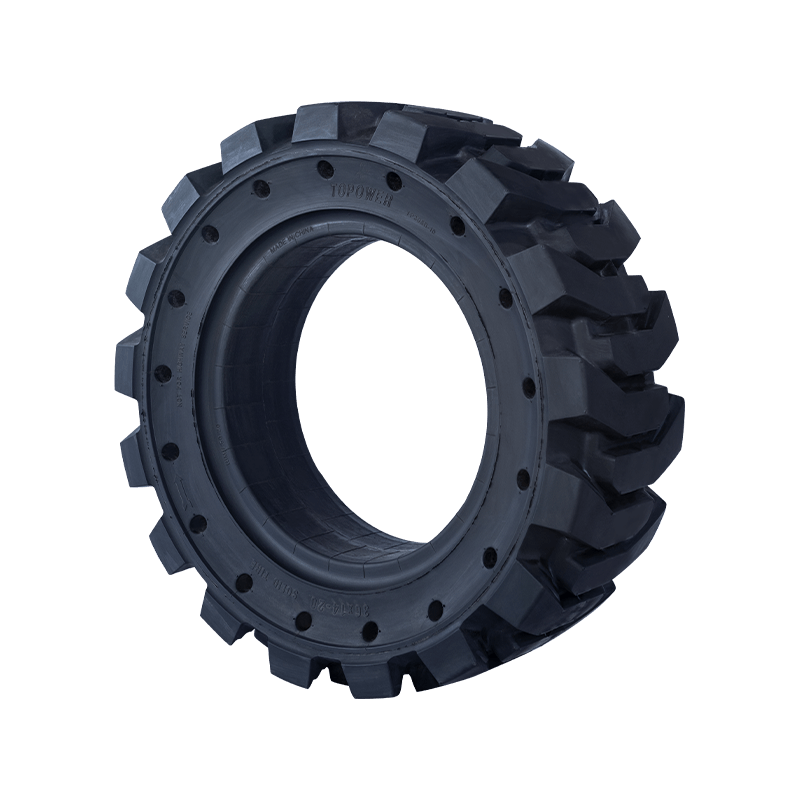
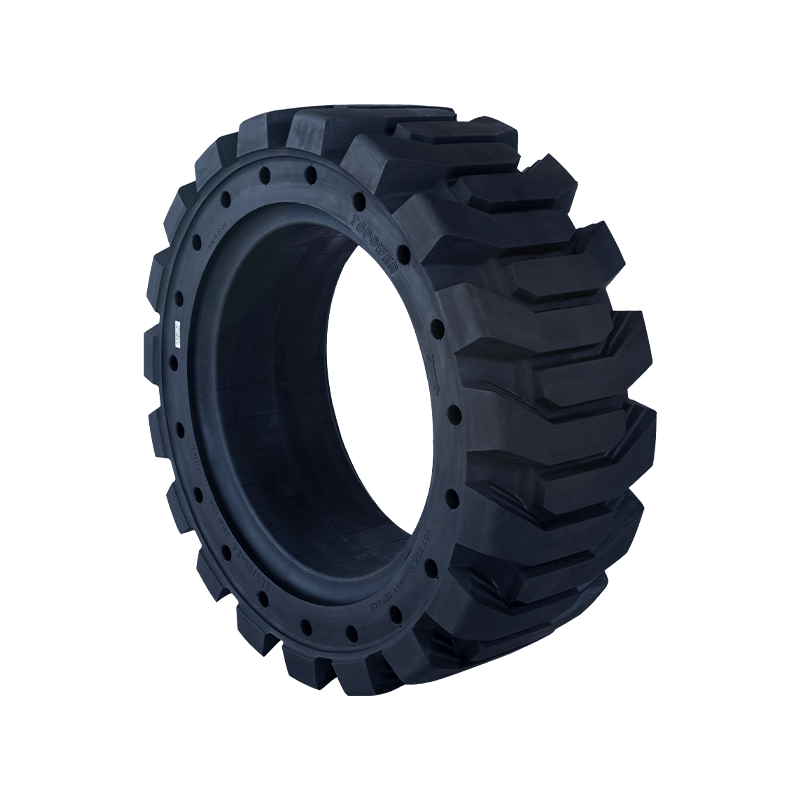
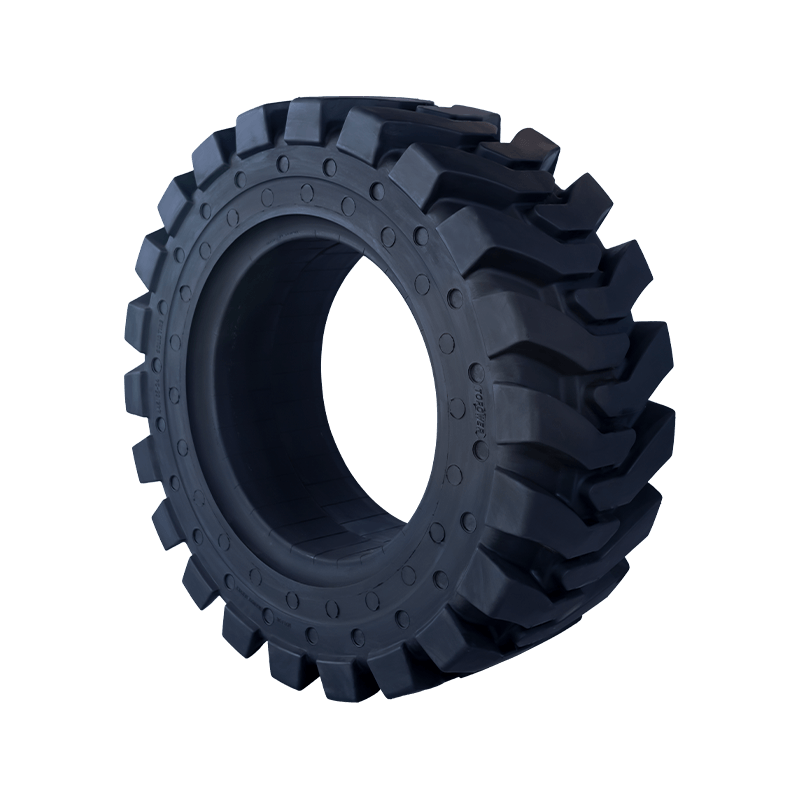
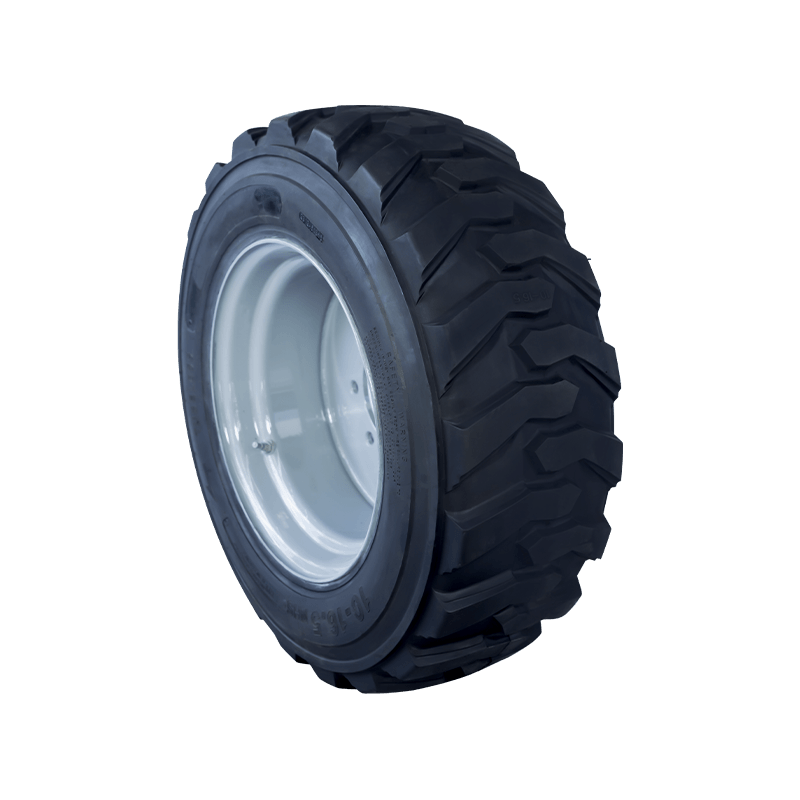
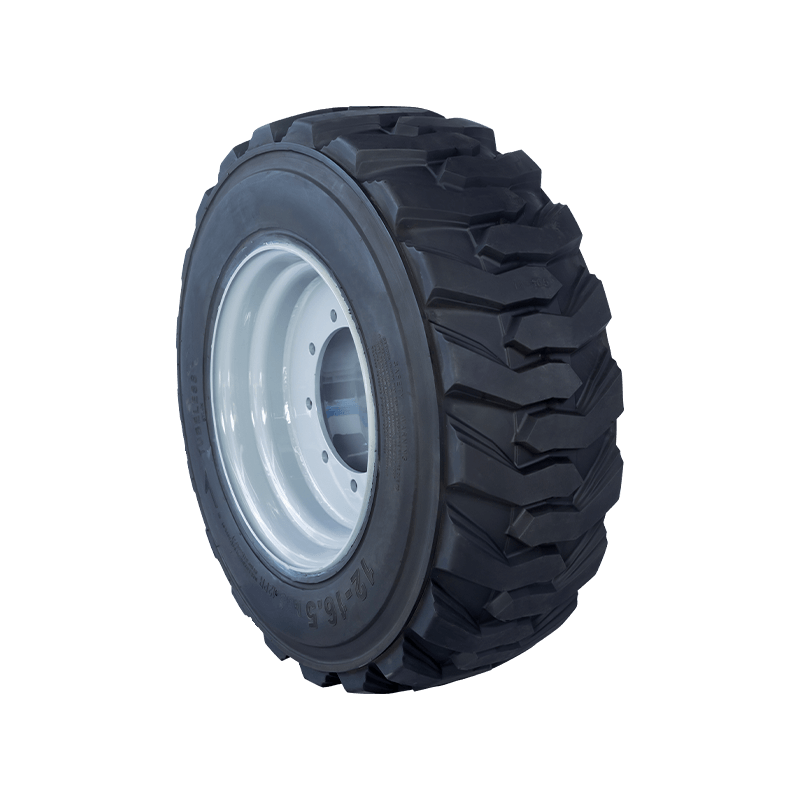
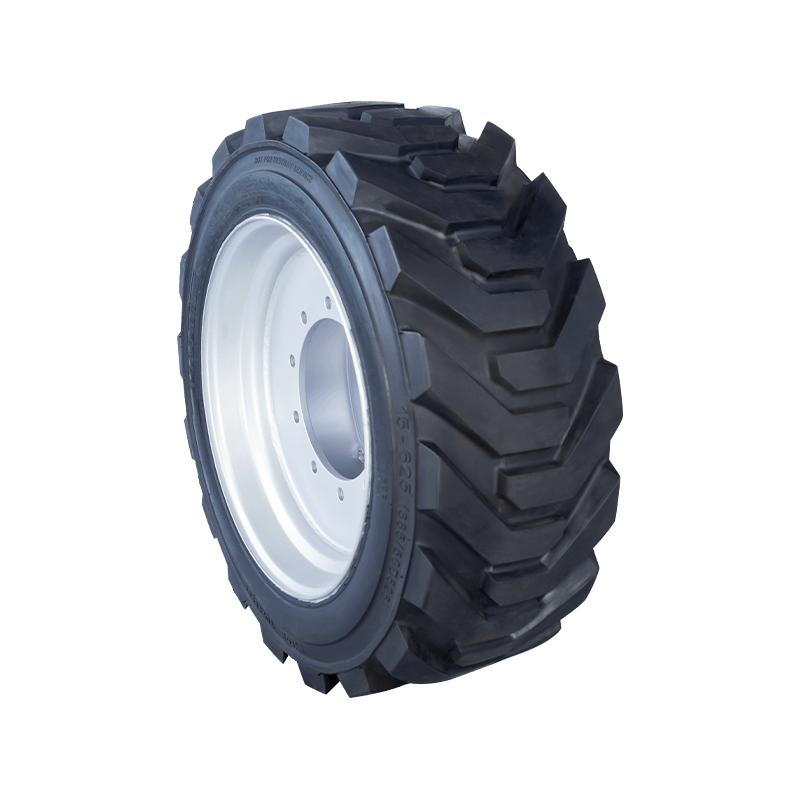
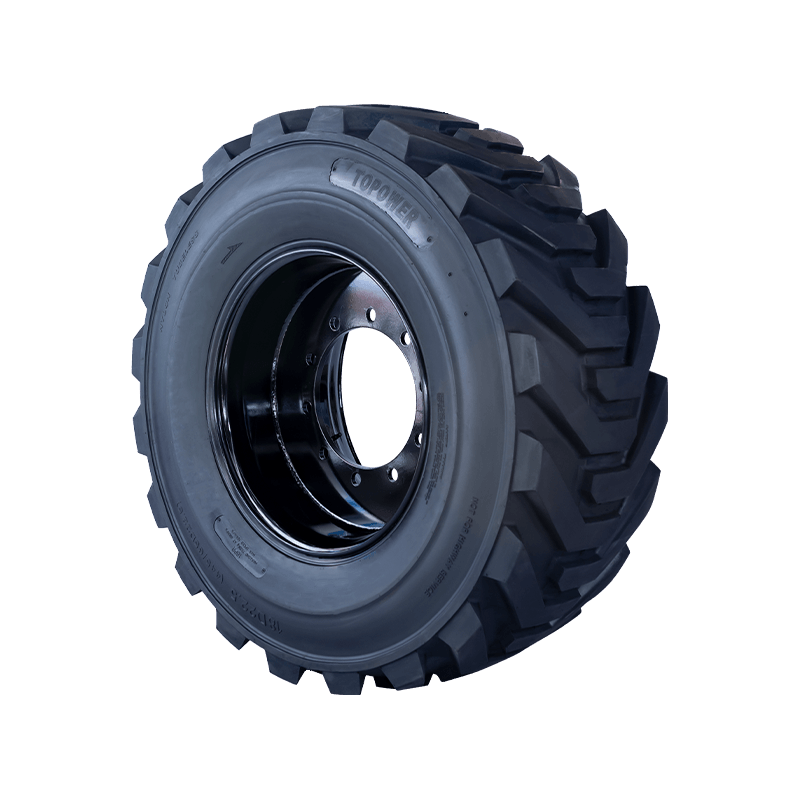
Among the various solutions developed to combat the persistent problem of flat tires, the Foam Filled Tire has emerged as a dominant choice for heavy duty applications. This technology, which involves replacing the pressurized air inside a standard pneumatic tire with a specialized polyurethane elastomer, provides a unique combination of puncture immunity and pneumatic like performance. When exploring the acquisition of a PU Foam Filled Tyre, procurement managers and maintenance engineers must look beyond simple price points and examine a complex set of technical variables that determine the success of the installation.
The process of foam filling is not merely a product purchase but a sophisticated engineering service that transforms a standard casing into a solid, yet resilient, industrial component. Understanding the nuances of this transformation is essential because a poorly specified foam filled solution can lead to premature mechanical failure, increased fuel consumption, or compromised safety. By analyzing the critical factors involving material density, heat management, vehicle dynamics, and environmental compatibility, stakeholders can ensure that their investment in foam filling technology yields the maximum possible return over the service life of the machinery.
Understanding the Fundamental Concept of the Foam Filled Tire
To make an informed decision when buying a Foam Filled Tire, one must first grasp the underlying mechanics of how these components function. A standard pneumatic tire relies on the tension of its carcass and the pressure of internal air to support a load. When that air is replaced by polyurethane foam, the tire becomes a composite structure where the casing provides the shape and traction while the foam provides the structural support. This eliminates the possibility of a flat tire, as there is no pressurized air to escape if the casing is punctured by a nail, a piece of rebar, or a sharp stone.
The Chemical Foundation of the PU Foam Filled Tyre
The quality of a PU Foam Filled Tyre is dictated by the chemical integrity of the filling material. This material is typically a two component polyurethane system consisting of an isocyanate and a polyol. When these two liquids are mixed and pumped into a tire under controlled conditions, they undergo a chemical reaction that results in a soft, synthetic rubber elastomer. The precision of this mixture is vital because any deviation in the chemical ratio can result in a filler that is either too brittle or too soft.
A critical factor to consider is the purity of the polyurethane used by the service provider. Some low cost providers might use recycled materials or fillers that contain volatile organic compounds, which can degrade the tire casing from the inside over time. High quality foam fillers are designed to be chemically stable and inert, ensuring that the bond between the internal filler and the tire walls remains intact throughout the entire wear life of the tread. When evaluating suppliers, asking for the technical data sheets of the chemical components is a necessary step to verify the long term reliability of the filler.
The Critical Importance of Polyurethane Density Selection
One of the most significant decisions during the procurement of a Foam Filled Tire is selecting the correct density of the polyurethane filler. Density is measured in pounds per cubic foot and directly corresponds to the equivalent air pressure that the tire will mimic. If the density is too low, the tire will be underinflated and prone to excessive deformation. If the density is too high, the tire will become overly rigid, leading to a harsh ride and potential damage to the vehicle chassis.
Matching Density to Load Requirements
The primary purpose of the filler is to support the weight of the machine and its payload. Manufacturers provide different grades of foam that correspond to specific PSI ratings, such as thirty pounds per square inch for light duty work or over one hundred pounds per square inch for heavy lifting. When buying a PU Foam Filled Tyre, the buyer must accurately communicate the maximum expected load of the vehicle to the filling specialist.
A tire filled with a density that is insufficient for the load will suffer from excessive deflection during operation. This deflection increases the contact patch with the ground, leading to higher rolling resistance and increased fuel consumption. More importantly, excessive deflection causes the internal foam to flex rapidly, which generates internal heat. If this heat accumulation is not managed, it can lead to the structural breakdown of the polyurethane core. Conversely, a density that is too high will not allow the tire to absorb shocks, which increases the vibration levels transmitted to the operator and the mechanical joints of the machine.
Impact of Density on Ride Quality and Ergonomics
While the primary goal of the Foam Filled Tire is to prevent flats, the comfort of the operator must not be neglected. In many industrial settings, machines operate on uneven surfaces for long hours. A polyurethane filler with a carefully selected density can provide a ride quality that is nearly identical to a pneumatic tire. This dampening effect is crucial for reducing operator fatigue and protecting sensitive electronic components on the vehicle.
During the selection process, it is important to consider the balance between load capacity and vibration absorption. In applications where the ground is relatively smooth, a higher density might be preferred for better stability. In rugged terrain, such as a quarry or a demolition site, a slightly lower density that offers more flex might be the more appropriate choice to preserve the integrity of the vehicle suspension and steering systems.
Managing Thermal Energy and Speed Restrictions
Heat is the primary enemy of all industrial tires, but it is a particularly sensitive factor for the Foam Filled Tire. Because polyurethane is an excellent insulator, it does not dissipate heat as efficiently as air. When a foam filled tire is in motion, the constant compression and recovery of the filler generate heat through a process called hysteresis. If this heat cannot escape, the internal temperature of the tire can rise to levels that cause the foam to liquefy or the casing to delaminate.
Understanding Speed Envelopes and Duty Cycles
Every Foam Filled Tire has a specific speed and distance rating that must be respected to avoid thermal failure. Most industrial foam fillers are designed for low speed applications, typically defined as vehicles traveling less than twenty five miles per hour. If a vehicle is required to travel long distances at sustained speeds, the heat generation within the PU Foam Filled Tyre will exceed its ability to cool down.
When buying these tires, it is essential to analyze the duty cycle of the machine. A forklift that works for ten minutes and then rests for twenty has a very different thermal profile than a tow tractor that pulls trailers for hours at a time. If the application involves continuous motion, the filler must be formulated with specialized additives that reduce hysteresis and improve thermal stability. Buyers should always verify that the speed rating of the foam filled solution aligns with the actual operational speed of the vehicle.
Environmental Temperature Considerations
The ambient temperature of the operating environment also plays a role in the selection of a Foam Filled Tire. In extremely hot climates or indoor environments like steel foundries, the baseline temperature of the tire is already elevated. This leaves less room for the additional heat generated by motion. In such cases, the use of high temperature resistant foam formulations is mandatory.
Conversely, in extremely cold environments, some types of polyurethane can become stiffer, which changes the ride characteristics and potentially increases the risk of the filler cracking under extreme impacts. Ensuring that the chemical properties of the foam are compatible with the specific temperature range of the worksite is a critical procurement factor that prevents premature failure.
[Table Placeholder: Comparison of Different Foam Densities and Their Industrial Applications]
|
Application Type |
Required Density Level |
Equivalent PSI Range |
Primary Benefit |
|
Lightweight Warehousing |
Low Density |
30 to 50 PSI |
Maximum comfort and floor protection |
|
Construction and Earthmoving |
Medium Density |
60 to 90 PSI |
Balanced load support and puncture resistance |
|
Heavy Lifting and Ports |
High Density |
100 to 145 PSI |
Maximum stability for heavy containers |
|
Scrap Yards and Recycling |
Ultra High Density |
Above 150 PSI |
Extreme durability against jagged metal |
Evaluating the Impact on Vehicle Dynamics and Total Weight
One of the most overlooked factors when buying a Foam Filled Tire is the significant increase in weight that the filling process introduces to the vehicle. Because polyurethane foam is much denser than compressed air, a single large tire can gain hundreds of pounds after being filled. This change in mass has several implications for the performance and maintenance of the machinery.
Benefits and Drawbacks of Increased Counterweight
In many lifting applications, such as for forklifts or telehandlers, the extra weight of a PU Foam Filled Tyre can be a benefit. The weight is concentrated at the lowest point of the vehicle, which lowers the center of gravity and improves the static stability of the machine when it is lifting heavy loads to high elevations. This often allows operators to work more safely on slight inclines or uneven ground.
The added weight also increases the sprung mass of the vehicle. This puts additional stress on the axles, bearings, and drive motors. The engine must work harder to overcome the inertia of the heavier tires, which can lead to increased fuel consumption or faster battery depletion in electric vehicles. Before converting a fleet to foam filled tires, it is wise to consult the vehicle manufacturer to ensure that the axles and powertrain are rated to handle the increased rotational and static weight.
Transportation and Logistical Challenges
The weight of a Foam Filled Tire also complicates the logistics of shipping and maintenance. Transporting a set of four foam filled tires requires more energy and potentially more expensive shipping equipment than transporting standard pneumatic tires. Additionally, the sheer weight of the tires makes them more difficult to handle during installation. Specialized tire handling equipment or cranes may be required to move the wheels onto the machine hubs, which can increase the complexity of on site maintenance tasks.
Tread Selection and Environmental Compatibility
While the foam filler provides the structural support, the external tire casing remains responsible for providing traction and resisting environmental degradation. When purchasing a Foam Filled Tire, selecting the appropriate tread pattern and casing construction is just as important as the choice of filler.
Matching Tread Patterns to Surface Conditions
The effectiveness of a PU Foam Filled Tyre is limited by the grip its tread provides on the ground. For indoor warehouse applications on smooth concrete, a smooth or shallow lug tread is often preferred as it maximizes the contact area and reduces vibration. For outdoor construction sites with mud, loose gravel, or sand, deep and aggressive tread patterns are necessary to ensure that the machine does not lose traction and become stuck.
It is a common mistake to assume that any casing can be foam filled. The casing must be in excellent structural condition, as the filling process puts significant outward pressure on the tire walls. If a used or damaged casing is filled with foam, the internal pressure can cause existing cracks to expand, leading to the failure of the tire shortly after installation. When buying these solutions, starting with a high quality, brand new casing is always the most cost effective strategy in the long term.
Chemical Resistance and Floor Preservation
In specialized environments such as chemical processing plants or food production facilities, the external casing must be resistant to oils, acids, and other corrosive substances. Standard rubber can swell or dissolve when exposed to certain solvents, which will eventually expose the internal foam filler to the environment.
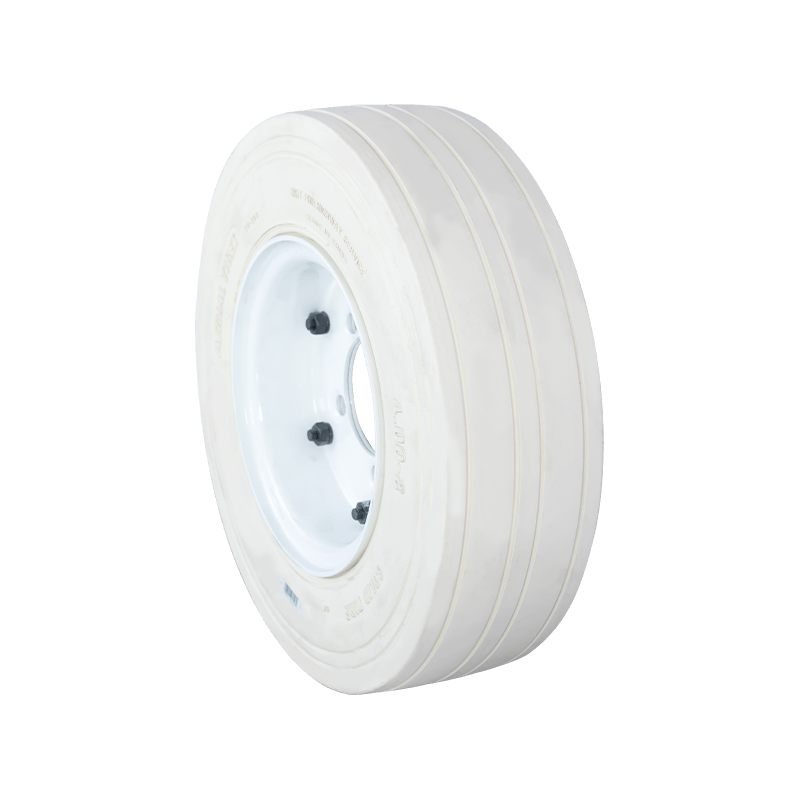
Additionally, if the machine operates on finished floors, such as in a retail center or a modern aircraft hangar, the choice of non marking rubber compounds for the casing is essential. These casings ensure that the Foam Filled Tire does not leave permanent scuff marks while still providing the puncture proof benefits required for the operation.
Technical Quality Standards for the Filling Process
The performance of a Foam Filled Tire is heavily dependent on the quality of the installation process. Unlike buying a pre manufactured solid tire, foam filling is a process that occurs within the tire itself, meaning that the expertise of the technician and the quality of the equipment used are paramount.
The Importance of Correct Rim Preparation
Before the polyurethane is injected, the tire must be correctly seated on the metal rim. The rim itself must be inspected for any signs of rust, cracks, or deformation. Any air leaks or gaps between the tire bead and the rim will allow the liquid foam to escape during the injection process, resulting in an incomplete fill. High quality service providers will always clean and prime the rim surfaces to ensure an airtight seal before the process begins.
During the injection, the tire must be positioned correctly to allow the foam to distribute evenly throughout the entire internal volume. Any air pockets or voids left inside the tire will create flat spots and imbalances, which cause the machine to bounce or vibrate at higher speeds. A professional PU Foam Filled Tyre service will use specialized venting techniques to ensure that every cubic inch of the casing is occupied by the elastomer.
Curing Times and Post Filling Inspection
After the foam is injected, it requires a specific period to cure and reach its final hardness. This process typically takes twenty four to forty eight hours at room temperature. Rushing this process or exposing the tire to loads before it is fully cured can lead to permanent deformation of the internal structure. When planning a purchase, the lead time for curing must be factored into the maintenance schedule to ensure the tires are ready for service.
A thorough post filling inspection should also be performed to verify that the tire has reached the correct weight and hardness. Reputable suppliers will weigh each tire to ensure it matches the calculated volume of the casing, confirming that no air voids are present. This attention to detail during the manufacturing phase is what distinguishes a reliable industrial tire from one that will fail prematurely in the field.
Comparing Vibration Dampening and Operator Ergonomics
One of the primary reasons to choose a Foam Filled Tire over a solid rubber tire is the superior shock absorption it provides. While solid tires are extremely durable, they are often very rigid, which leads to a harsh operating environment. A PU Foam Filled Tyre acts much more like a traditional pneumatic tire in how it manages impacts.
Interaction with Vehicle Suspension Systems
Modern industrial vehicles are engineered with suspension systems that assume a certain level of tire deflection. Solid tires often bypass this suspension by transmitting shocks directly to the frame. The Foam Filled Tire, however, retains the ability to compress and rebound, which works in harmony with the vehicle suspension to protect the machine.
This harmony is vital for the longevity of the mast sections on forklifts and the hydraulic cylinders on excavators. By absorbing the high frequency vibrations caused by driving over expansion joints or small debris, the foam filler prevents these vibrations from causing stress cracks in the metal components of the machine. When considering the purchase of a tire solution, the total cost of machine maintenance must be weighed against the initial cost of the tires.
Enhancing Operator Productivity and Safety
An operator who is subjected to constant jarring and vibration will experience higher levels of fatigue, which can lead to mistakes and accidents. The smooth ride provided by a Foam Filled Tire helps maintain a safe and productive work environment. In some jurisdictions, health and safety regulations specifically limit the amount of whole body vibration an operator can be exposed to during a shift. Utilizing a foam filled solution is an effective way for fleet managers to stay compliant with these regulations while still achieving the goal of flat proofing.
Cost Analysis and Operational Efficiency
The initial cost of a Foam Filled Tire is higher than that of a standard pneumatic tire, and sometimes higher than a solid tire depending on the casing used. However, the total cost of ownership is often much lower when considering the indirect savings.
Eliminating Downtime Costs
The most obvious saving comes from the elimination of flat tire repairs. In a busy construction site, a flat tire on a primary piece of equipment can stop work for several hours. This includes the cost of the repair technician, the idle time of the machine operator, and the potential delay in the project schedule. For many businesses, the cost of a single instance of downtime is higher than the entire cost of the foam filling service.
Because the tire is always at the correct equivalent pressure, the tread wears more evenly and lasts longer than a pneumatic tire that might be operated while underinflated. This extended tread life further reduces the frequency of tire replacements and the associated labor costs.
Analyzing Long Term Fleet Management
For large fleets, the predictability offered by a Foam Filled Tire is a major management advantage. Maintenance schedules can be planned around tread wear rather than emergency flat repairs. This allow for better budget forecasting and more efficient use of maintenance staff. When performing a cost analysis, it is important to calculate the number of flats typically experienced over a three year period and compare that to the one time investment of foam filling.
Final Selection Criteria for Specialized Industrial Environments
As we have explored, the decision to buy a Foam Filled Tire involves a complex evaluation of mechanical, chemical, and operational factors. The environment in which the machine operates will ultimately dictate which of these factors takes priority.
In mining and quarrying, the focus must be on puncture resistance and load capacity. In these environments, sharp rocks and massive payloads make the PU Foam Filled Tyre an indispensable tool. The choice should lean toward high density fillers and extra heavy duty casings that can withstand the punishing conditions.
In warehousing and logistics, the priorities shift toward floor protection and vibration dampening. Here, non marking tires with medium density foam provide the best balance of performance and cleanliness. The goal is to protect the facility as much as possible while ensuring that the forklifts are always ready for service.
By carefully considering each of these factors, including density, heat management, weight, and installation quality, you can ensure that your selection of a Foam Filled Tire provides a reliable, safe, and cost effective solution for your industrial challenges. The transition from air to polyurethane is a significant step toward a more efficient and resilient operation, provided that the engineering details are handled with the necessary expertise and care.