 English
 русский
 Español
 عربى
عربى
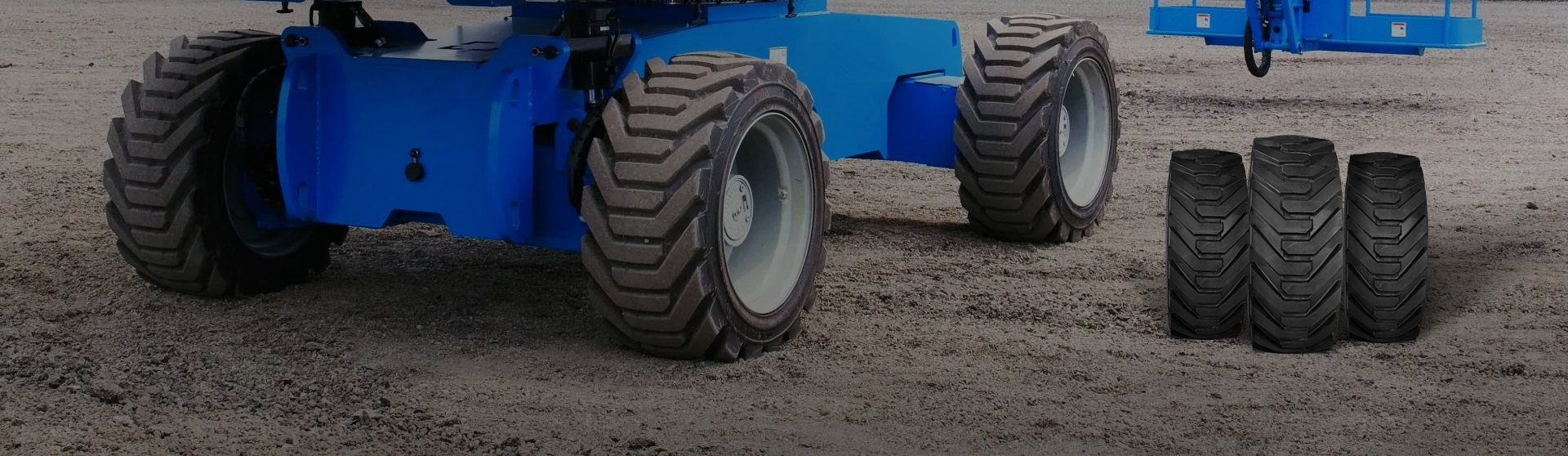

Which Tyre Type and Format Fits Your Machine
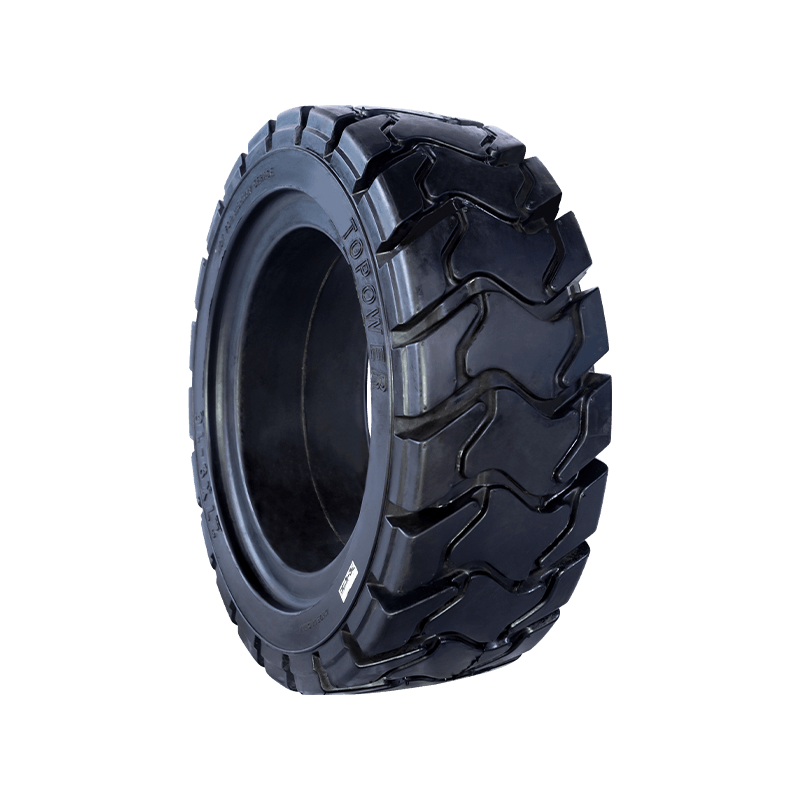
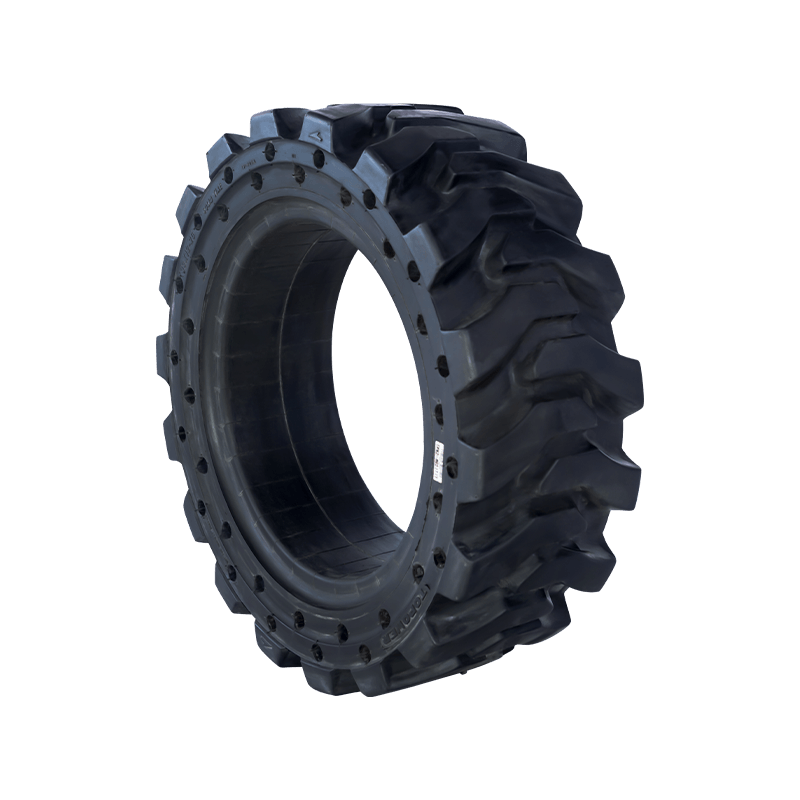
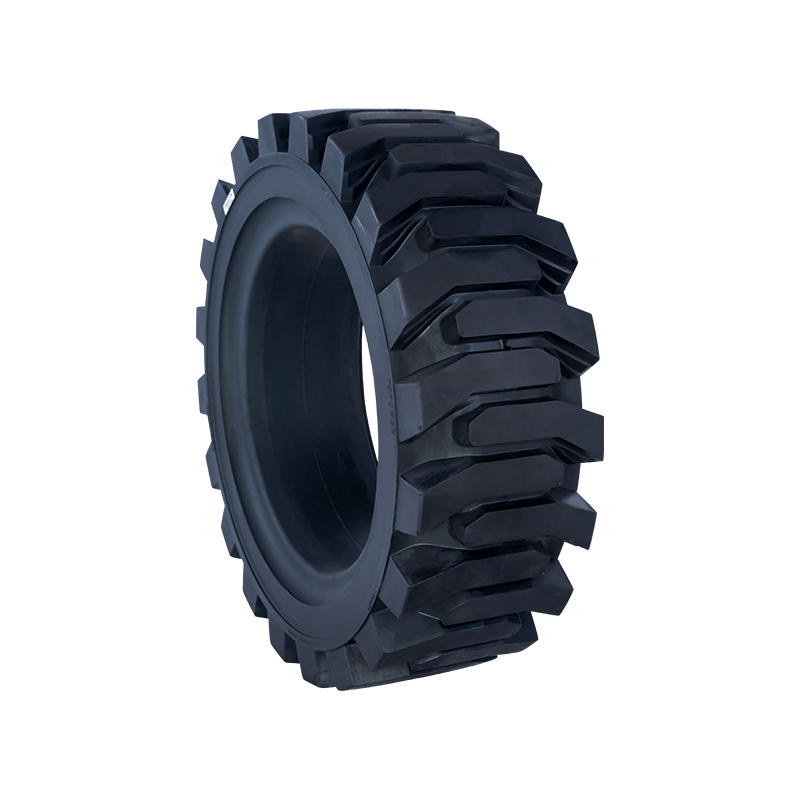
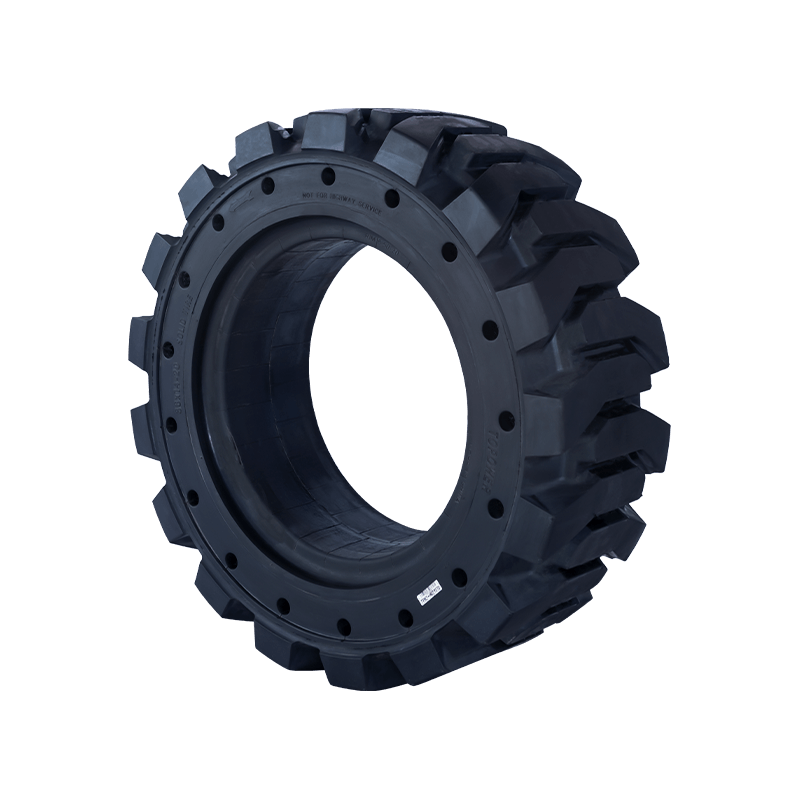
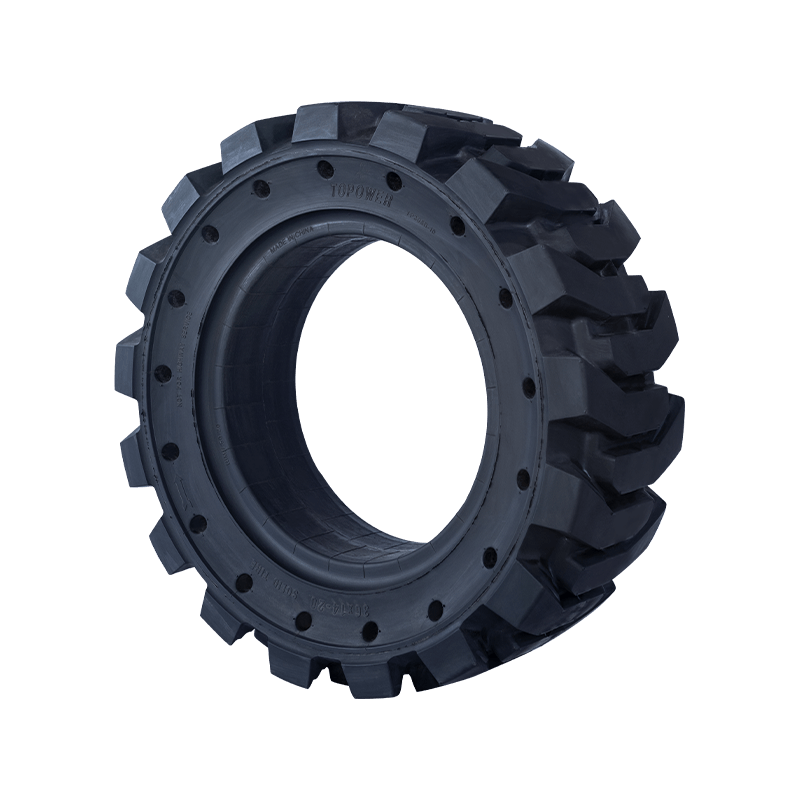
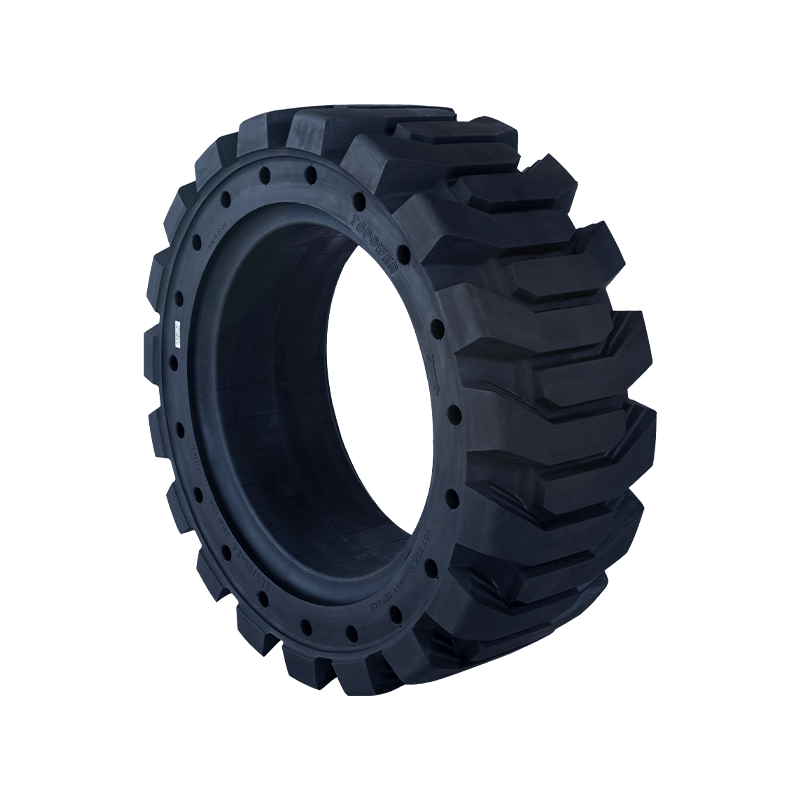
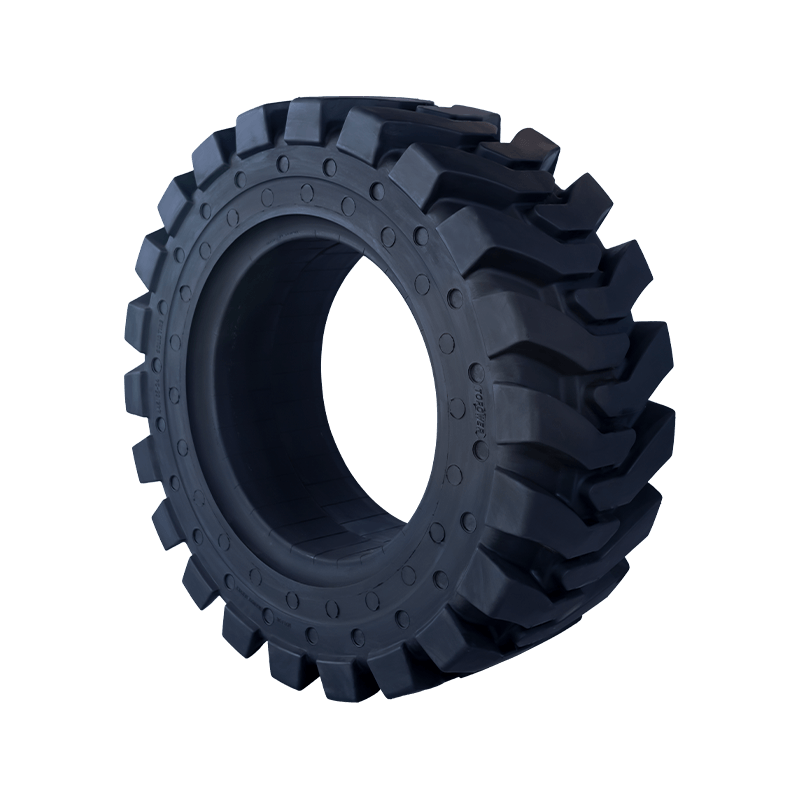
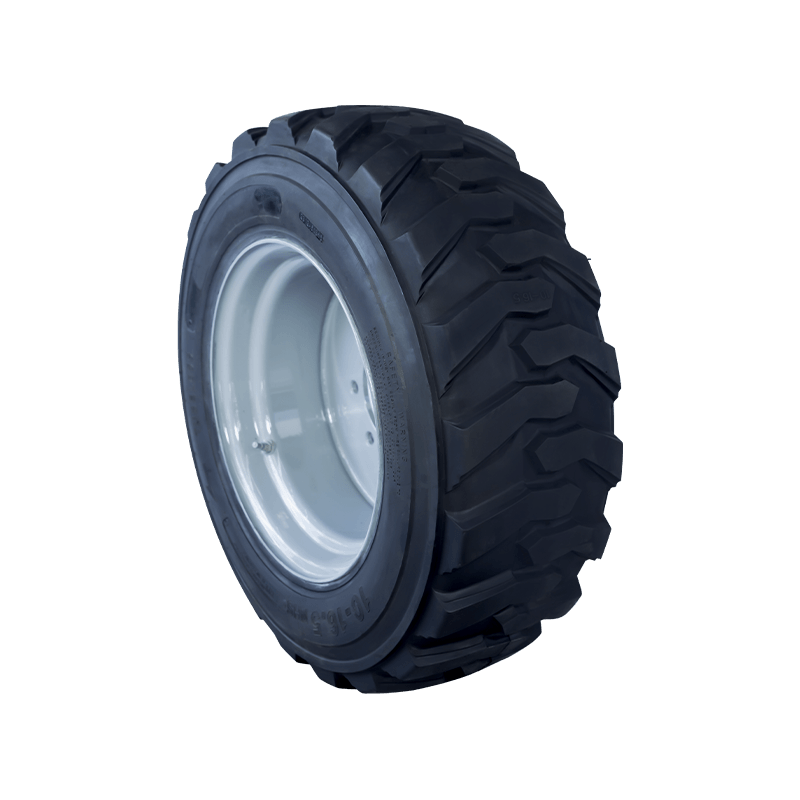
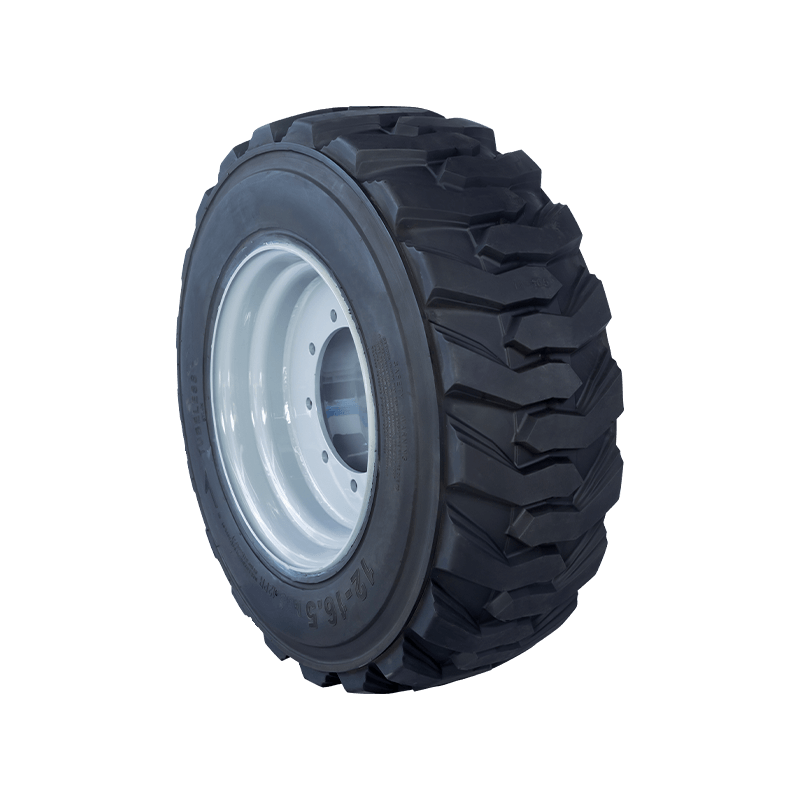
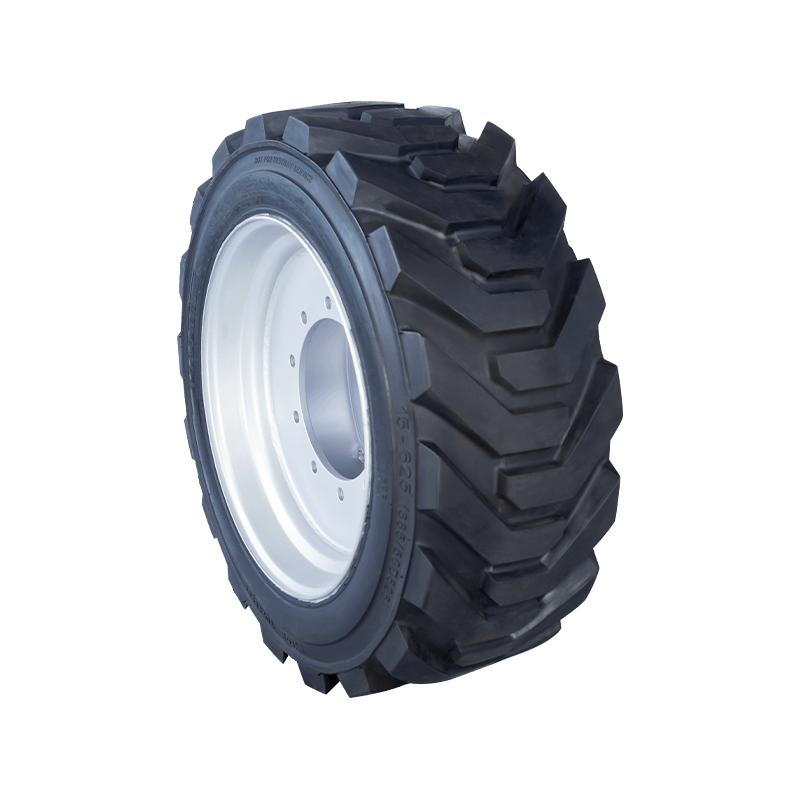
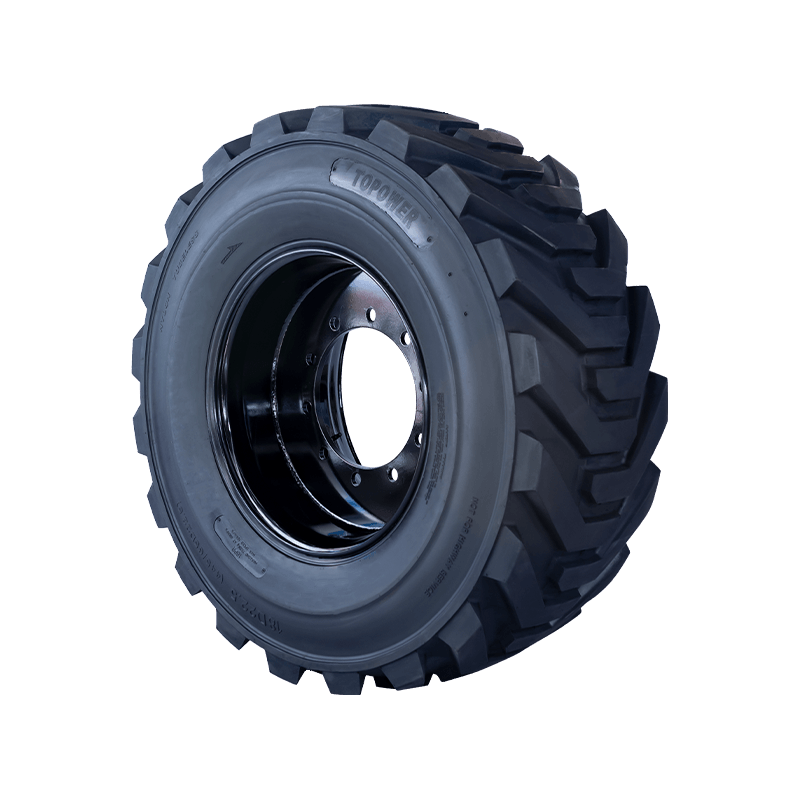
Wheel loader tires are large pneumatic radial or bias-ply tyres built for high-load, high-speed earthmoving and material handling on construction sites, quarries, mines, and aggregate yards. Skid Steer Loader Solid Tyre products are press-on or bolt-on solid rubber tyres designed specifically for the compact, zero-turn-radius operating pattern of skid steer machines working in demolition, scrap, recycling, and indoor construction environments. These two product categories serve different machine types with fundamentally different operating profiles and should never be confused or substituted for one another.
If you operate a full-size wheel loader such as a Caterpillar 950 through 980, Komatsu WA320 through WA500, or Volvo L90 through L150, you need pneumatic wheel loader tires in the correct OTR (Off The Road) size for your machine. If you operate a compact skid steer loader such as a Bobcat S570, Case SR240, Caterpillar 262D, or New Holland L228, and your work environment involves sharp debris, demolition rubble, or scrap metal, a Skid Steer Loader Solid Tyre is the solution that eliminates downtime from flat tyres without sacrificing the machine's compact operating capability.
Wheel Loader Tires: Construction, Size Systems, and Application Matching
Wheel loader tires are a subcategory of OTR (Off The Road) tyres, a broad classification that includes tyres for earthmoving equipment, mining machinery, and construction plant. They are among the largest pneumatic tyres manufactured commercially, with diameters ranging from approximately 1.2 metres for compact wheel loaders up to over 2.0 metres for large mining wheel loaders. Understanding the size designation system and tread pattern codes is the first practical step toward correct tyre selection.
How Wheel Loader Tires Are Sized
Wheel loader tires use two primary sizing systems that appear on tyre sidewalls and in manufacturer specifications:
- Inch system (conventional OTR format): Expressed as overall width x rim diameter, for example 20.5x25. Here 20.5 is the nominal section width in inches and 25 is the rim diameter in inches. This system is common for mid-size wheel loaders and remains the most widely used format in global markets.
- Metric system: Expressed as section width / aspect ratio (rim diameter), for example 600/65 R25. Here 600 is section width in millimetres, 65 is the aspect ratio (sidewall height as a percentage of section width), R indicates radial construction, and 25 is the rim diameter in inches. This format is common for newer radial OTR tyre models from Michelin, Bridgestone, and other premium manufacturers.
Matching the correct rim diameter is non-negotiable. A 25-inch rim diameter tyre cannot be mounted on a 24-inch rim, and attempting to do so risks catastrophic bead failure during inflation. Always verify the rim diameter stamped on the wheel before ordering replacement wheel loader tires.
Tread Pattern Codes for Wheel Loader Tires
The tread pattern of wheel loader tires is standardized under the ETRTO (European Tyre and Rim Technical Organisation) and TRA (Tire and Rim Association) L-series codes, where L stands for loader. Each code specifies a different tread depth, lug pattern, and application:
| Tread Code | Tread Depth | Best Application | Typical Example |
|---|---|---|---|
| L2 | Standard depth | General earthmoving, light to moderate terrain | Compact wheel loaders on dirt roads |
| L3 | Deep tread (1.5x L2) | Quarry loading, rocky surfaces, abrasive conditions | Aggregate loading, shot rock handling |
| L4 | Extra deep tread (2x L2) | Severe rock, mining face loading, high-wear conditions | Underground mine loaders, hard rock quarries |
| L5 | Maximum depth (2.5x L2) | Extreme rock, chip seal, extremely abrasive material | Rip-rap loading, slag handling |
Choosing too shallow a tread code for a rocky or abrasive application causes premature tyre removal due to tread wear before the carcass reaches its service limit. Choosing too deep a tread code for a smooth surface application wastes money on extra rubber and increases rolling resistance without delivering any benefit. In aggregate loading operations, using an L3 tyre instead of an L2 typically extends tyre life by 40% to 60%, making it a straightforward cost-per-hour improvement even though the L3 tyre carries a 15% to 25% higher purchase price than the equivalent L2.
Radial vs Bias Ply Wheel Loader Tires
The choice between radial and bias ply construction is one of the highest-impact specification decisions for wheel loader tires:
- Radial wheel loader tires have carcass cords running at 90 degrees to the direction of travel, stabilized by circumferential steel belts under the tread. They run cooler, have lower rolling resistance, provide a larger, flatter contact patch that distributes load more evenly, and typically last 20% to 40% longer than equivalent bias-ply tires in continuous cycle operations. They are the preferred choice for medium and large wheel loaders on long haul cycles and in hot climates.
- Bias-ply wheel loader tires have carcass cords running diagonally at 30 to 45 degrees. Their integrated sidewall and tread structure is more resistant to sidewall cuts from sharp rock faces. They are preferred in severe rock applications where sidewall puncture risk is higher than heat build-up risk, and in applications where the machine travels slowly and never travels significant distances between loading points.
For most construction site wheel loader applications involving mixed surfaces and travel distances above 200 metres per cycle, a radial wheel loader tire delivers lower cost per operating hour than a bias-ply alternative of the same size and tread code.
Common Wheel Loader Tire Sizes and Their Typical Machines
| Tire Size | Rim Size | Machine Operating Weight | Typical Machine Models |
|---|---|---|---|
| 17.5x25 | 25 inch | 8,000 to 12,000 kg | Cat 926M, Komatsu WA200, Volvo L60 |
| 20.5x25 | 25 inch | 12,000 to 18,000 kg | Cat 938, Komatsu WA320, Case 721 |
| 23.5x25 | 25 inch | 18,000 to 25,000 kg | Cat 950, Komatsu WA380, Volvo L90 |
| 26.5x25 | 25 inch | 25,000 to 35,000 kg | Cat 966, Komatsu WA500, Volvo L120 |
| 29.5x25 | 25 inch | 35,000 to 50,000 kg | Cat 972, Komatsu WA600, Volvo L150 |
Skid Steer Loader Solid Tyre: Why Compact Machines Need a Dedicated Tyre Category
A skid steer loader is fundamentally different from a wheel loader in its operating mechanics. Skid steers steer by differentially driving the left and right wheel sets at different speeds, causing the stationary wheels on one side to literally skid across the ground surface during turns. This generates extreme lateral shear forces at the tyre contact patch during every turning maneuver. A standard pneumatic OTR tyre is not designed for the lateral shear loading pattern that skid steer operation imposes, which is why a purpose-designed Skid Steer Loader Solid Tyre or dedicated skid steer pneumatic tyre is the correct product for these machines.
Why Solid Construction Is Chosen for Skid Steer Loaders in Many Applications
Skid steer loaders are disproportionately likely to suffer tyre damage compared to other construction equipment because of the combination of their compact operating environments and the extreme variety of debris-laden surfaces they encounter. Demolition sites, concrete recycling yards, scrap metal facilities, land clearing operations, and waste transfer stations all expose skid steer tyres to an almost continuous risk of puncture from rebar, nails, wire, broken concrete with embedded aggregate, and glass.
A survey of skid steer fleet operators in North American construction markets found that pneumatic tyre-related downtime accounted for an average of 12% of total machine downtime in high-debris environments. Switching to a Skid Steer Loader Solid Tyre eliminates this category of downtime entirely, which in a machine operating 1,500 hours per year translates to approximately 180 hours of recovered productivity annually per machine.
Standard Skid Steer Loader Solid Tyre Sizes and Load Ratings
| Solid Tyre Size | Rim Diameter | Load Capacity per Tyre | Compatible Machine Class |
|---|---|---|---|
| 10x16.5 | 16.5 inch | 2,500 to 3,200 kg | Small to mid-size skid steers up to 2,500 kg operating weight |
| 12x16.5 | 16.5 inch | 3,500 to 4,500 kg | Mid to large skid steers up to 4,500 kg operating weight |
| 14x17.5 | 17.5 inch | 4,500 to 5,500 kg | Large skid steers and compact wheel loaders |
| 33x12x20 | 20 inch | 5,000 to 6,000 kg | Large format skid steers and telehandler front axles |
Rubber Compound Options for Skid Steer Loader Solid Tyre Products
- Standard black compound: Carbon black reinforced natural and synthetic rubber blend. The baseline compound for most demolition, construction, and aggregate handling applications. Shore A hardness typically 65 to 72 for the tread zone.
- Soft compound (resilient): Lower Shore A hardness in the range of 55 to 65. Designed for applications requiring better traction on loose soil, mud, or gravel, and for operations where operator comfort on rough terrain is a priority. Wears faster than standard compound on abrasive concrete or asphalt surfaces.
- Extra hard compound: Shore A hardness above 72. Used in extremely abrasive environments such as steel mill floor operations, coarse aggregate handling, and slag removal where standard compound would wear too quickly.
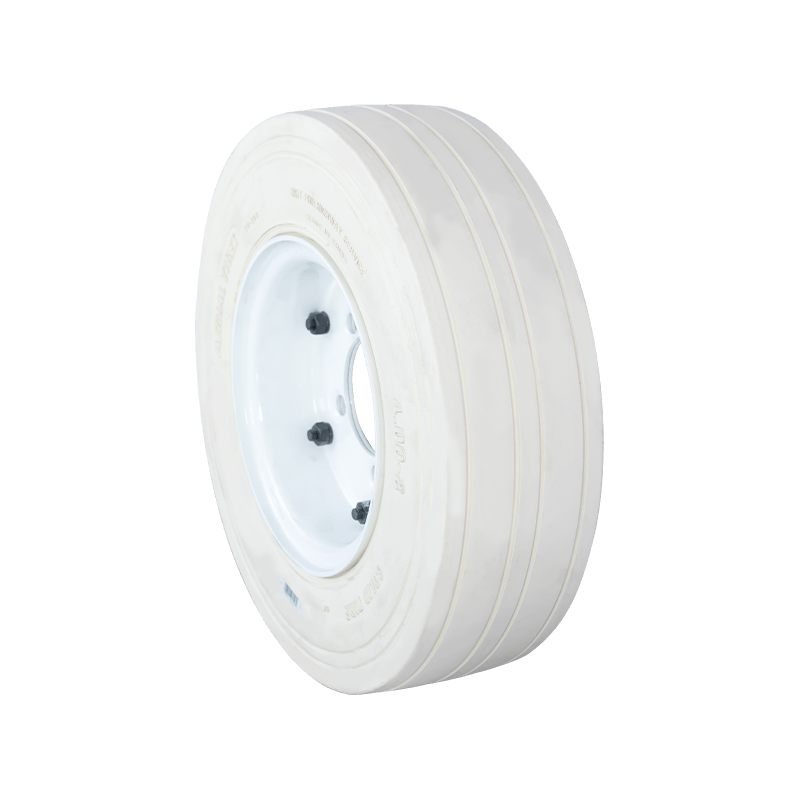
- Non-marking compound: Silica-reinforced rubber without carbon black, available in white, grey, or beige. Required in food processing facilities, ceramic tile plants, and pharmaceutical manufacturing. Typically costs 25% to 40% more than equivalent black compound Skid Steer Loader Solid Tyre products.
Tread Pattern Design for Skid Steer Loader Solid Tyre Products
- Flat tread (smooth): No tread pattern, just a flat rubber surface. Maximizes contact area on smooth concrete and asphalt floors. Best for indoor operations. Commonly used in warehouses, distribution centres, and food processing plants.
- Block tread: Square or rectangular tread blocks separated by grooves. The grooves provide edges that bite into loose material and improve traction on soil, gravel, and loose aggregate. Widely used for outdoor construction and demolition site operations.
- Lug tread: Angled or chevron-shaped lugs similar to those on pneumatic loader tyres. Provides the best traction in mud, clay, and soft ground conditions with self-cleaning action during muddy operations.
Key Differences Between Wheel Loader Tires and Skid Steer Loader Solid Tyre Products
| Feature | Wheel Loader Tires | Skid Steer Loader Solid Tyre |
|---|---|---|
| Construction type | Pneumatic (radial or bias-ply) | Solid rubber (press-on or bolt-on) |
| Typical rim diameter | 24 to 57 inch (OTR sizes) | 16.5, 17.5, or 20 inch |
| Machine operating weight range | 8,000 kg to over 100,000 kg | 2,000 kg to 6,000 kg |
| Puncture risk | Present (air-filled construction) | Zero (no air chamber) |
| Inflation maintenance | Required (daily checks recommended) | None required |
| Speed capability | Up to 40 km/h on site roads | Up to 20 to 25 km/h |
| Tread classification system | TRA L-series (L2 through L5) | Flat, block, or lug pattern |
| Ride quality for operator | Good (pneumatic cushioning) | Harder ride, higher vibration |
| Typical service life | 1,500 to 5,000 hours depending on application | 2,000 to 4,000 hours on smooth surfaces |
Buying and Maintenance Guidance for Both Products
Whether sourcing wheel loader tires for a quarry fleet or Skid Steer Loader Solid Tyre products for a demolition contractor, the purchasing and maintenance decisions made at the time of specification determine the total cost per operating hour delivered by the tyre investment.
What to Confirm Before Ordering Wheel Loader Tires
- Verify the exact rim diameter and width from the wheel assembly, not from a previous purchase record, as wheels are sometimes changed between machines.
- Confirm the correct tread code (L2 through L5) by evaluating the primary surface the machine operates on and the primary cause of previous tyre removal on this application.
- Confirm whether radial or bias-ply construction is preferred, considering the cycle length, surface type, and ambient temperature range at the site.
- Check the load index and speed symbol on the tyre sidewall against the machine manufacturer's minimum tyre specification listed in the operator manual.
- Request TRA-compliant load and inflation tables from the supplier to confirm that the proposed inflation pressure delivers the required load capacity for the machine's gross vehicle weight.
What to Confirm Before Ordering a Skid Steer Loader Solid Tyre
- Verify the rim diameter and width from the machine specification sheet or by physical measurement of the existing wheel assembly.
- Confirm the machine's rated operating weight and compare it against the solid tyre's rated load capacity at the intended operating speed.
- Select the compound grade appropriate for the primary operating surface: standard for demolition and outdoor construction, non-marking for indoor clean facilities, extra-hard for highly abrasive conditions.
- Select the tread pattern based on the primary surface: flat tread for smooth concrete and indoor floors, block or lug for outdoor and loose material applications.
- Confirm the mounting method required: press-on for standard skid steer rim profiles, or bolt-on for split rim wheel assemblies used on larger machines.
Extending Tyre Life: Practical Maintenance Habits
- For wheel loader tires: Check and correct inflation pressure at the start of every shift. A tyre that operates at 10% below its specified inflation pressure experiences 25% higher carcass flexing heat and loses approximately 15% of its rated load capacity. Rotate tyres front to rear at the first significant wear differential between positions to equalize wear across all four tyres.
- For Skid Steer Loader Solid Tyre products: Inspect tread depth at each 250-hour service interval and record measurements. Replace the tyre when tread depth reaches 50% of original depth above the base compound line. Inspect for chunking, cracking, or sidewall deformation that indicates the operating condition exceeds the tyre's compound rating.
Frequently Asked Questions
1. Can wheel loader tires be used on a skid steer loader?
No. Wheel loader tires are OTR pneumatic tyres designed for large, conventionally steered wheel loaders with rim diameters of 24 inches and above. Skid steer loaders use 16.5 inch, 17.5 inch, or 20 inch rim diameters. The rim sizes, mounting systems, and load distribution patterns are completely different between the two machine types. Attempting to fit a wheel loader tire to a skid steer machine is physically impossible because the rim diameters are incompatible.
2. How long does a Skid Steer Loader Solid Tyre last in a demolition environment?
Service life in demolition environments varies significantly with the sharpness of debris, the frequency of skid turns, and the compound grade of the tyre. A standard compound Skid Steer Loader Solid Tyre in a typical urban demolition application with mixed concrete rubble and rebar handling averages 1,200 to 2,000 operating hours before reaching the 50% tread depth replacement limit. In contrast, the same machine on pneumatic tyres in the same environment might suffer 2 to 4 puncture-related tyre removals per week, with each event consuming 1 to 2 hours of productive time regardless of the nominal pneumatic tyre service life.
3. What inflation pressure should wheel loader tires be set to?
The correct inflation pressure for wheel loader tires depends on the specific tyre size, load index rating, and the actual load being carried. There is no single universal figure. As a general reference, a 23.5x25 L3 radial wheel loader tire is typically inflated to 350 to 450 kPa (51 to 65 psi) depending on the specific load and speed application. Always consult the manufacturer's TRA-compliant inflation table rather than relying on general approximations.
4. Is a Skid Steer Loader Solid Tyre heavier than the equivalent pneumatic tyre?
Yes. A solid rubber Skid Steer Loader Solid Tyre is significantly heavier than an equivalent sized pneumatic skid steer tyre. A 10x16.5 solid tyre typically weighs 55 to 75 kg, compared to 22 to 28 kg for the pneumatic version of the same size. This weight increase of approximately 30 to 50 kg per tyre adds 120 to 200 kg to the machine's total weight across all four tyres. Fleet operators must verify that this additional weight does not push the machine's gross vehicle weight beyond the rated capacity for the surfaces it operates on.
5. What is the most common cause of premature wear in wheel loader tires?
The most common cause of premature wheel loader tires wear is under-inflation. An underinflated tyre flexes excessively on each revolution, generating heat in the carcass that degrades the rubber compounds and steel cords over time, eventually causing belt separation or carcass failure long before the tread reaches its wear limit. Correct inflation management alone can extend wheel loader tires service life by 20% to 30% in most construction site applications.
6. Can a Skid Steer Loader Solid Tyre be repaired if it is damaged?
Solid rubber tyres cannot be repaired in the same way as pneumatic tyres. Minor surface cuts and gouges in the tread face do not compromise the structural integrity of the solid tyre and can be left in service as long as the remaining tread depth above the base line is within the acceptable service range. Cracks that penetrate more than 25% of the sidewall depth, or chunks missing from the tread that reduce local tread depth below the 50% replacement threshold, are grounds for tyre removal and replacement.
7. How do I know which tread code to specify for my wheel loader tires?
Start by identifying the primary cause of tyre removal on your current tyres. If tyres are being removed primarily due to tread wear before carcass damage or age, you need a deeper tread code. If tyres are being removed primarily due to carcass cuts, punctures, or heat-related failures before the tread reaches its wear limit, a tread code change will not help. For mixed construction site operations involving some rock and some earthmoving, the L3 tread code is the most commonly specified and represents the best overall balance of tread life and purchase cost.
8. Are there non-marking versions of wheel loader tires available?
Non-marking versions of wheel loader tires are not commercially available in standard OTR sizes because the application environments for full-size wheel loaders do not require floor mark-free operation. Non-marking compound is a feature specific to smaller industrial tyres and the Skid Steer Loader Solid Tyre product category where indoor clean-room or food-safe environments mandate it.