 English
 русский
 Español
 عربى
عربى
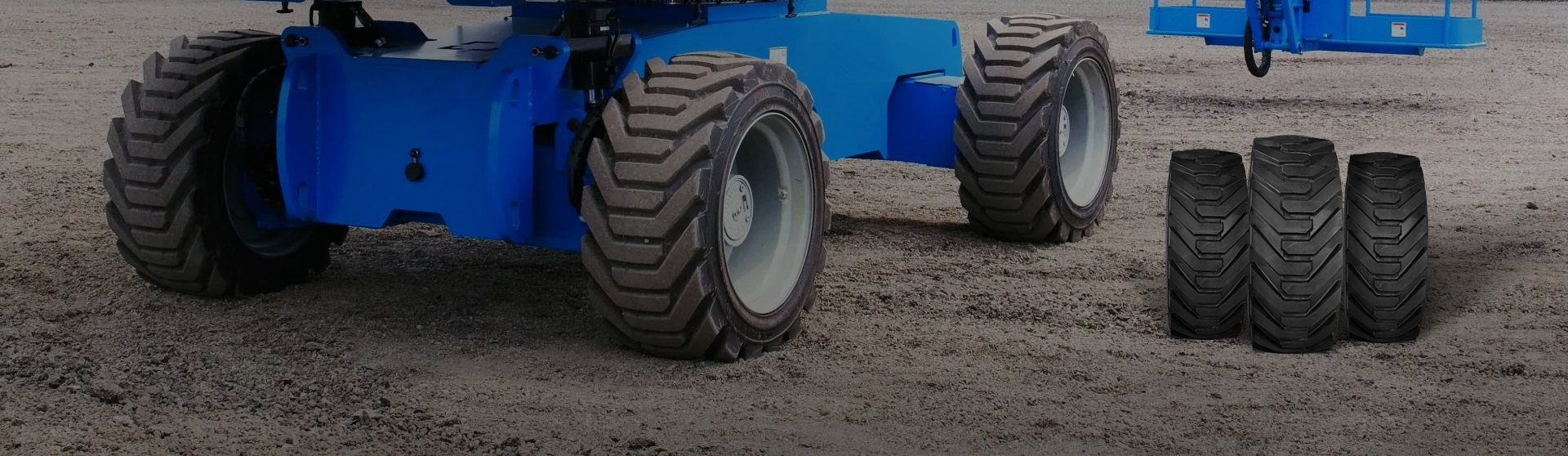

Solid Tires vs Foam-Filled Tires: The Ultimate 2026 Buying Guide
For warehouse operations, construction sites, material handling fleets and industrial equipment owners, flat tires, punctures and frequent tire maintenance have always been costly headaches. Downtime caused by blown tires delays work, increases repair costs and affects overall operational efficiency.
More business owners are now switching to solid tires and foam-filled tires as the more reliable alternative to traditional pneumatic tires. If you are confused about the differences, advantages, suitable applications and which one is more cost-effective, this complete guide will clear up all your doubts.
What Are Solid Tires & Their Key Benefits
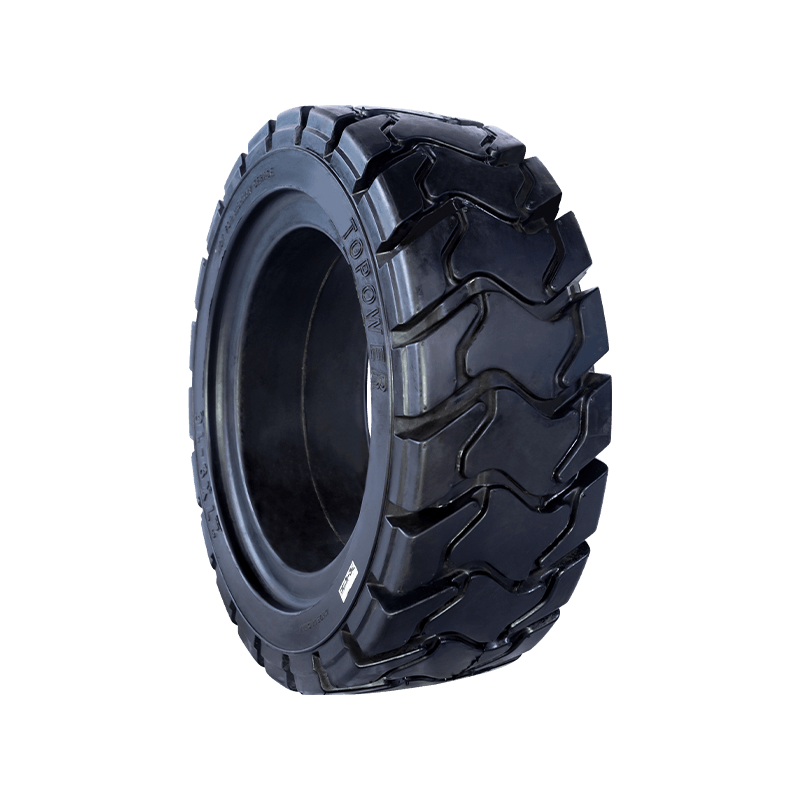
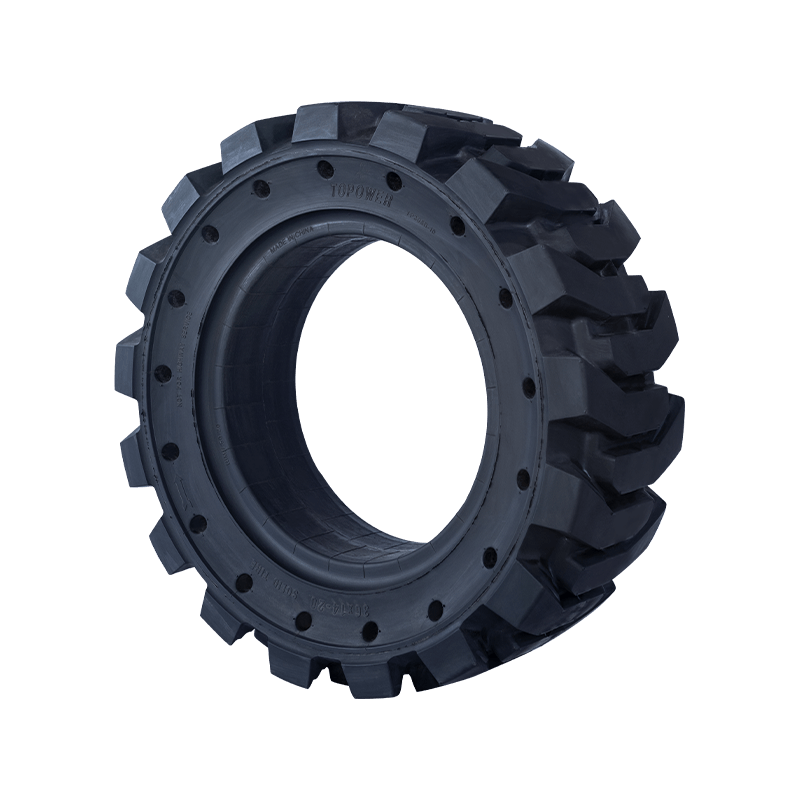
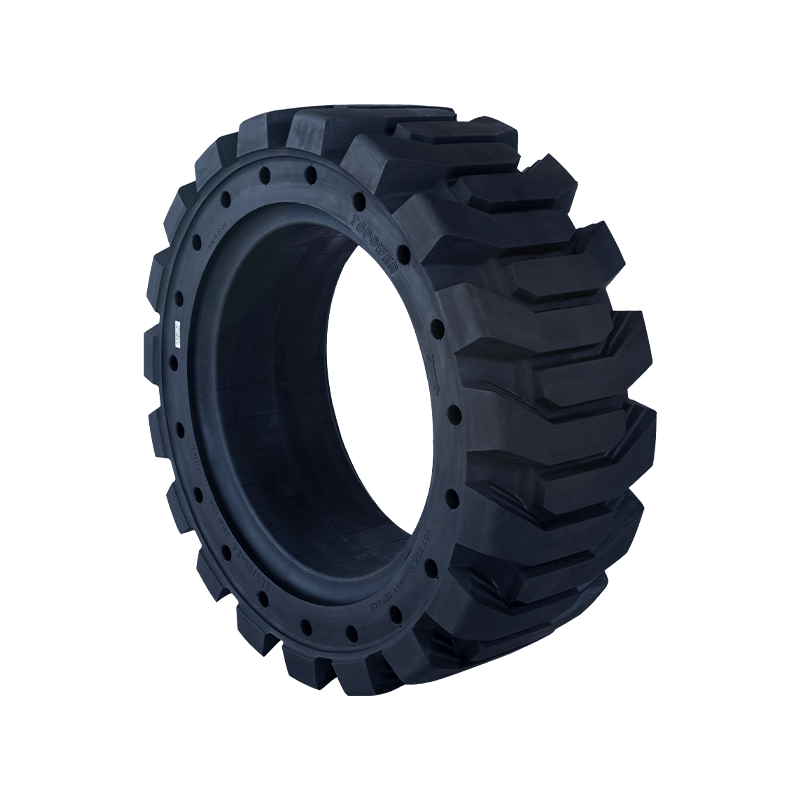
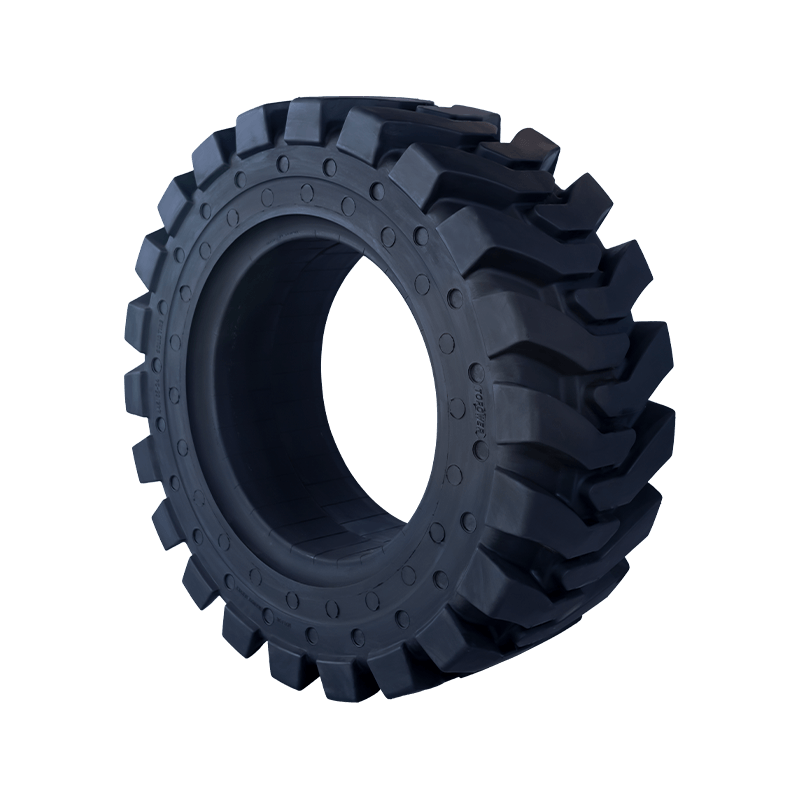
Solid tires are made of solid rubber or polyurethane material without any inflation inner tube. They are designed for heavy-duty and harsh working conditions.
Core advantages:
- puncture-proof and flat-free, no more downtime from sharp rocks, steel bars or debris.
- Ultra-long service life, 3 to 5 times longer than standard pneumatic tires.
- Zero maintenance required, no need to inflate, repair or replace frequently.
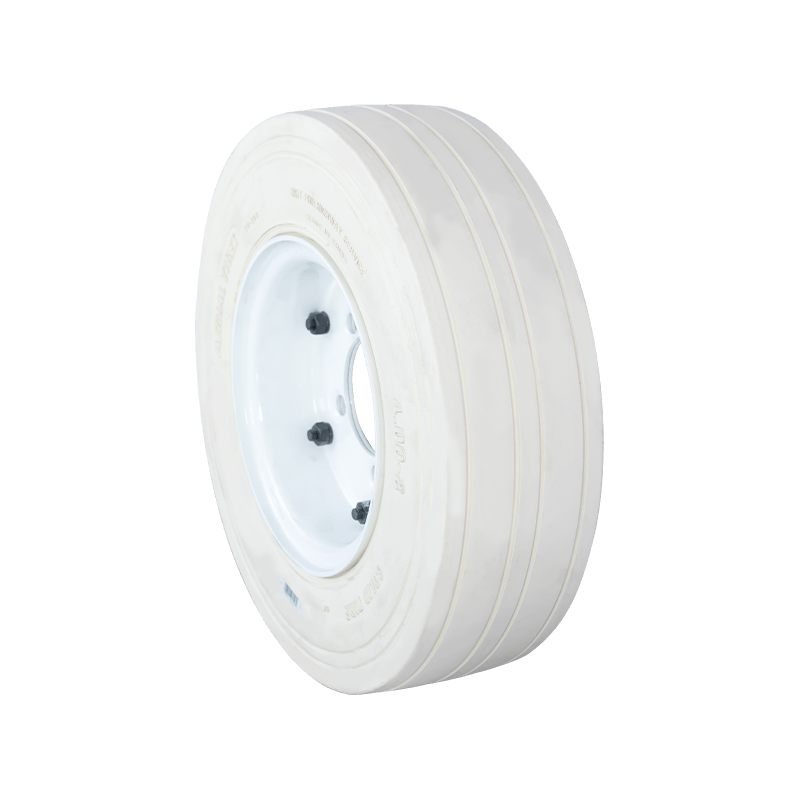
- Available in non-marking solid tires to protect indoor warehouse floors without leaving black marks.
- Excellent load-bearing capacity, ideal for high-frequency heavy-load scenarios.
Solid tires are widely used in forklifts, port equipment, industrial trailers and indoor warehouse logistics vehicles.
What Are Foam-Filled Tires & Their Key Benefits
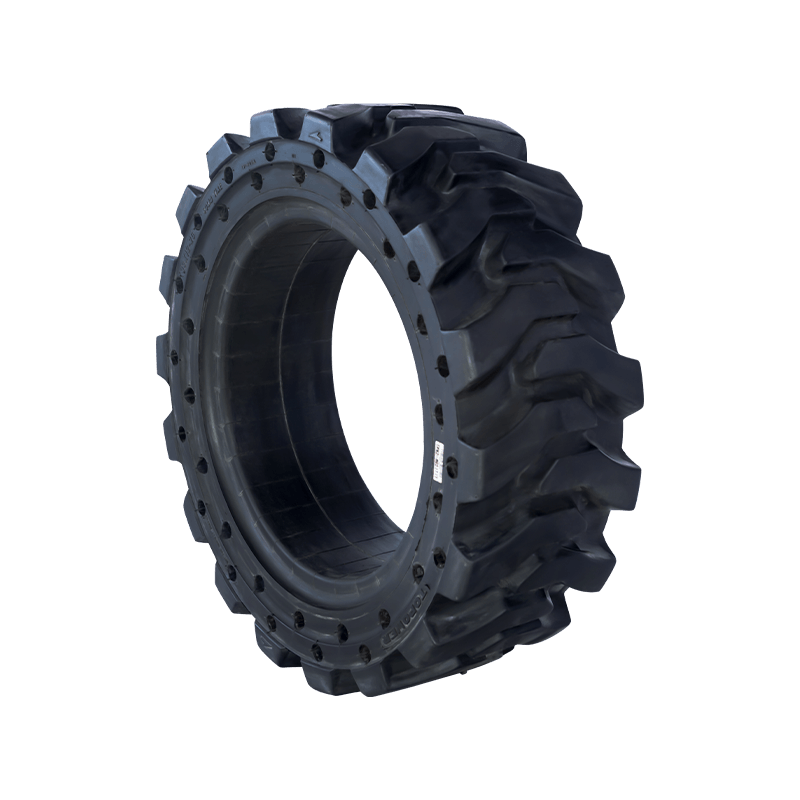
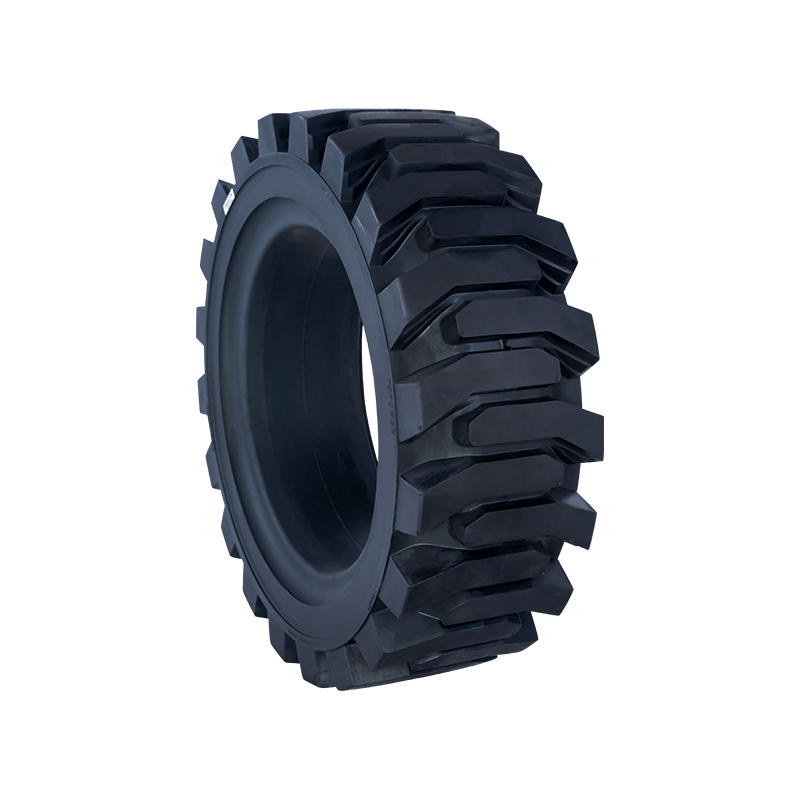
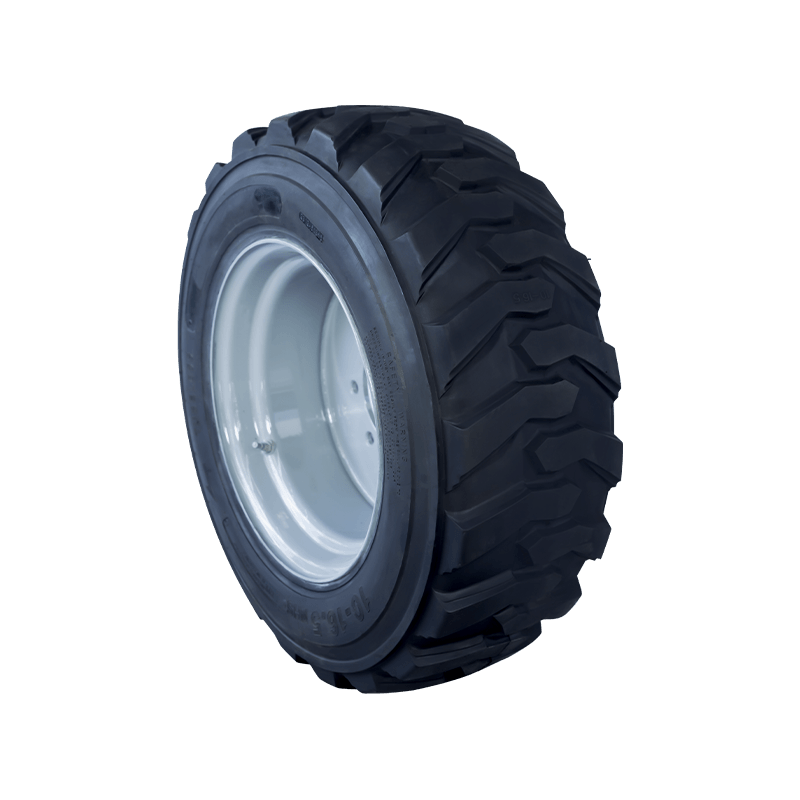
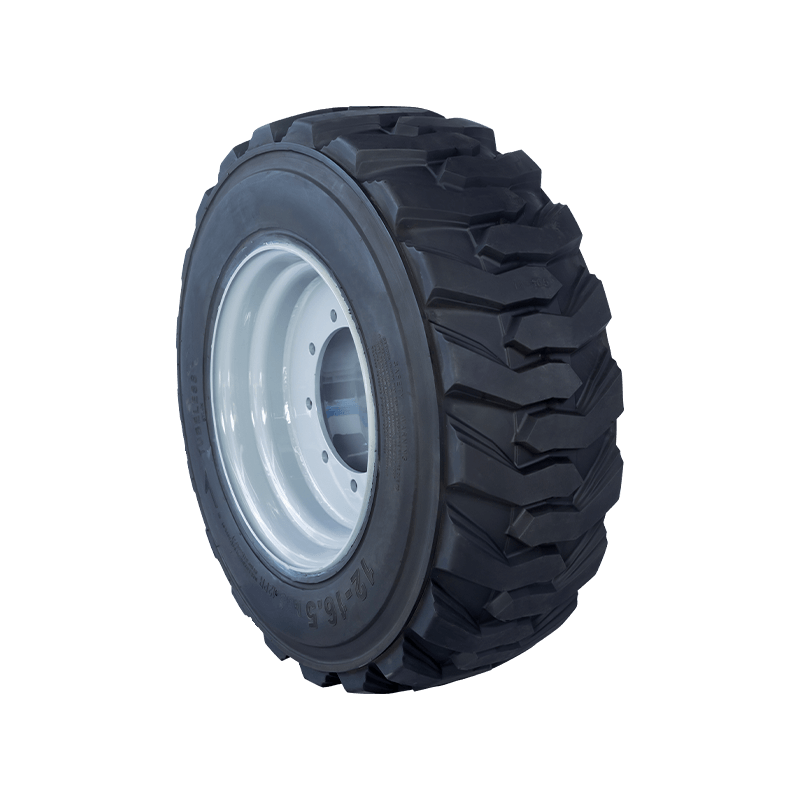
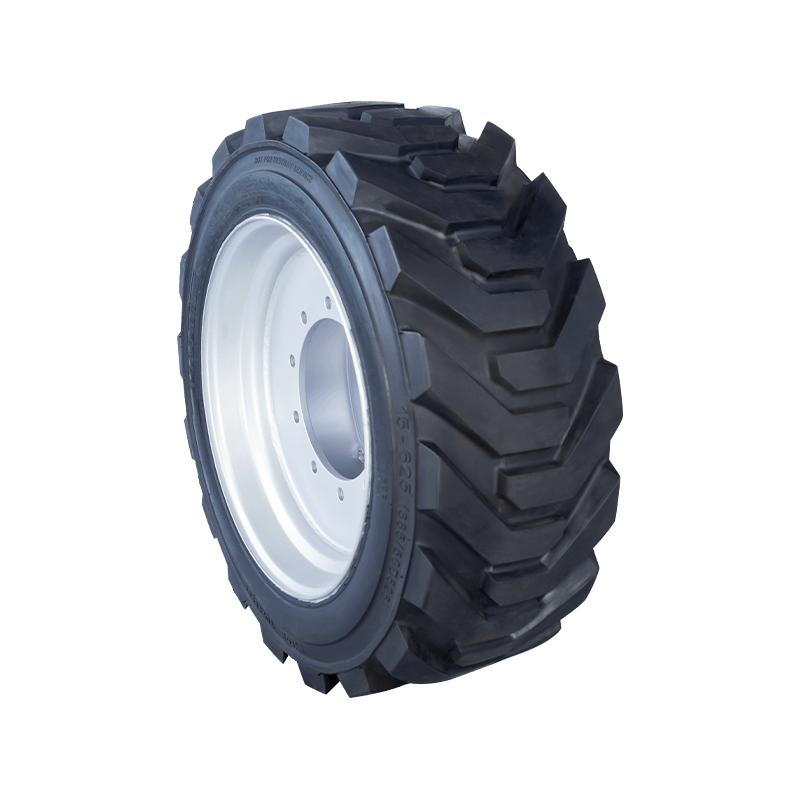
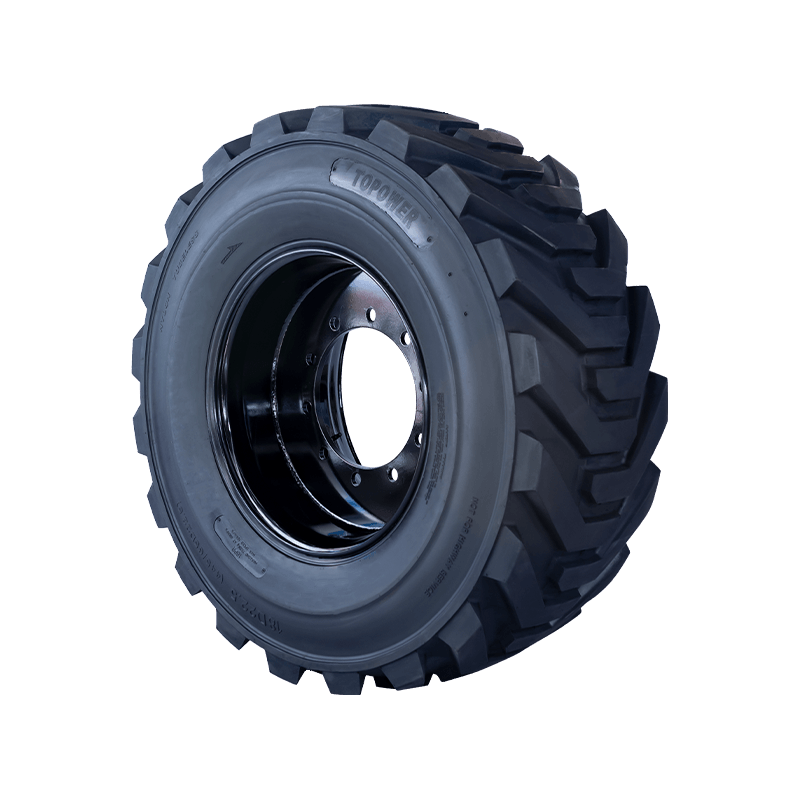
Foam-filled tires are original pneumatic tires filled with high-density polyurethane foam inside. They combine the comfort of air tires and the safety of solid tires.
Core advantages:
- Better shock absorption than solid tires, offering a smoother ride on rough and uneven terrain.
- Completely leak-proof, the foam structure never goes flat even if the outer tire is damaged.
- Lower vibration, reducing driver fatigue during long-hour operation.
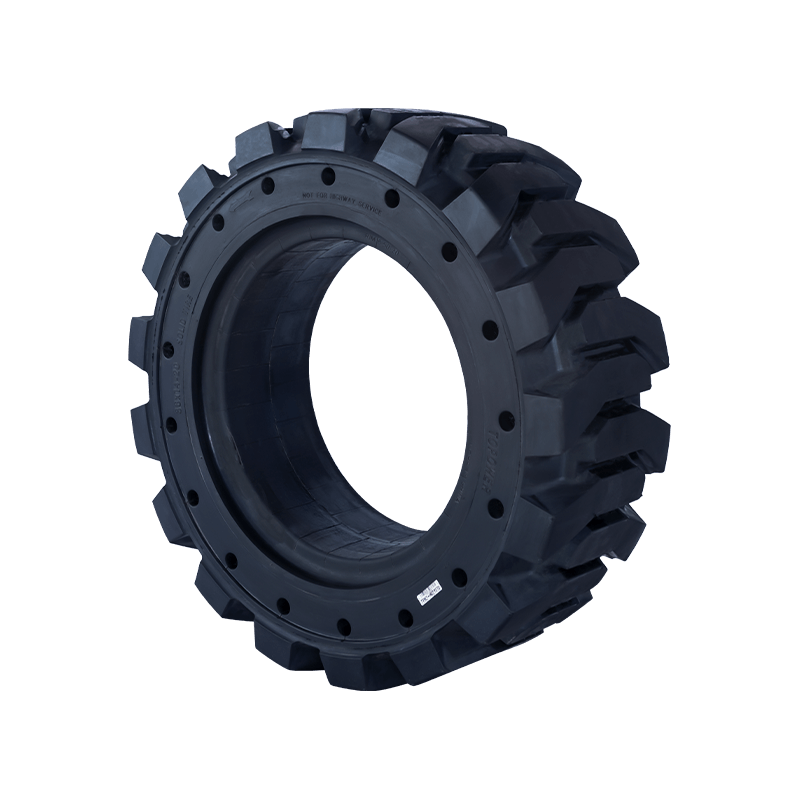
- Perfect for outdoor construction, agricultural machinery, skid steer loaders and rough terrain equipment.
- Low later maintenance cost and stable performance in muddy, gravel and rugged environments.
Solid Tires vs Foam-Filled Tires: Full Comparison
| Comparison Item | Solid Tires | Foam-Filled Tires |
|---|---|---|
| Shock Absorption | Average | Excellent |
| Load Capacity | Superior | Good |
| Wear Resistance | Superior | Good |
| Puncture Proof | Fully proof | Fully proof |
| Maintenance | No maintenance | Almost no maintenance |
| Best Use Scene | Indoor warehouse, forklift, port, heavy load | Construction site, agriculture, rough terrain, skid steer |
| Service Life | Longer | Long |
How to Choose According to Your Equipment & Application
- Warehouse & Indoor Logistics: Choose non-marking solid tires to keep floors clean and support frequent indoor handling.
- Forklifts & Port Heavy Machinery: Heavy-duty solid tires are the top choice for stable load and long service life.
- Skid Steer & Construction Equipment: Foam-filled tires are preferred for better shock absorption on rocky sites.
- Agricultural & Off-Road Equipment: Pick foam-filled tires to adapt to muddy, uneven and wild terrain.
- High-frequency Continuous Operation: Solid tires reduce replacement frequency and cut long-term operating costs.
Cost-Benefit Analysis: Long-Term Value
Admittedly, the initial purchase price of solid tires and foam-filled tires is higher than ordinary pneumatic tires. However, when calculating the 3–5 year total cost, they are far more economical.
No repair fees, no downtime losses, fewer replacements and less labor cost for maintenance. For fleet companies, factories and rental equipment businesses, switching to solid or foam-filled tires is a wise investment that brings long-term savings.
Frequently Asked Questions (FAQ)
1. Which lasts longer, solid tires or foam-filled tires?
Solid tires generally have a longer service life, especially under continuous heavy-load working conditions.
2. Do foam-filled tires ever go flat?
No. The high-density polyurethane foam keeps the tire stable and flat-free for its entire lifespan.
3. Are non-marking solid tires necessary for indoor warehouses?
Yes. They prevent black tire marks on epoxy floors and keep the warehouse clean and undamaged.
4. Is the shock absorption of solid tires too poor?
Standard solid tires have firmer hardness. You can choose compound layered solid tires for improved comfort if needed.
5. Which one is better for business investment?
For indoor heavy load — solid tires; For outdoor rough terrain — foam-filled tires. Both save much cost in the long run.
Final Conclusion
Solid tires excel in heavy load, wear resistance and zero maintenance, good for warehouses, forklifts and port equipment.
Foam-filled tires stand out in shock absorption and comfort, ideal for construction, agriculture and off-road machinery.