 English
 русский
 Español
 عربى
عربى
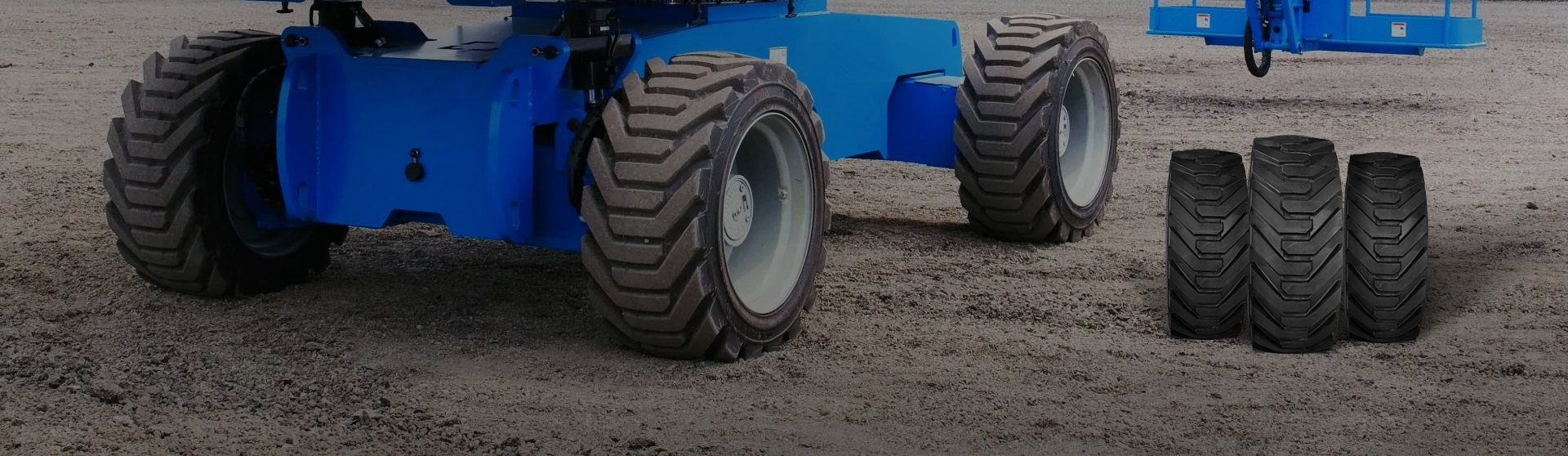

What Foam Filled Tires Are and When You Should Choose Them
Foam filled tires are standard pneumatic tire casings that have had their air replaced with injected polyurethane foam, making them permanently flat-proof while retaining the shape, footprint, and general ride characteristics of the original pneumatic tire. They are the correct choice when your equipment operates in puncture-prone environments but requires the larger ground contact patch and better terrain conformity that a standard solid rubber tire cannot provide.
The core decision is straightforward: if your equipment suffers frequent flats that cause downtime and you operate on surfaces where a rigid solid tire would damage floors or reduce traction, foam filled tires solve both problems simultaneously. They are especially practical for forklifts, skid steers, wheelbarrows, golf carts, trailers, lawn mowers, and construction equipment operating on surfaces littered with nails, glass, wire, or sharp aggregate. In operations where tire-related downtime accounts for 8% to 15% of total equipment downtime, switching to foam filled tires eliminates virtually the entire category of flat-tire maintenance events.
How Foam Filled Tires Work: The Filling Process and Material
The foam filling process converts a standard pneumatic tire into a permanently inflated unit. The valve core is removed from the existing tire and the air is released. A two-part polyurethane liquid is then injected through the valve stem hole using specialized equipment. The two components react chemically inside the tire cavity and expand to fill the entire internal volume, curing into a closed-cell or semi-closed-cell polyurethane foam solid within 24 to 72 hours depending on the formulation and ambient temperature.
Two-Part Polyurethane Foam Formulation
The foam used in foam filled tires is not the same lightweight open-cell foam found in furniture or insulation. It is a high-density polyurethane elastomer formulated specifically for load-bearing applications. The cured foam density in properly filled tires typically ranges from 0.3 g/cm³ to 0.6 g/cm³, creating a material that is firm enough to carry operational loads while retaining enough elasticity to absorb minor ground irregularities. The two components mixed during injection are a polyol blend and an isocyanate. The ratio, temperature, and injection pressure are controlled precisely by the filling equipment to ensure uniform foam density throughout the tire cavity without voids or density gradients that would create uneven load distribution and vibration during operation.
What Happens to Ride Quality After Filling
Because polyurethane foam is slightly more compressible than a pure solid rubber tire but significantly less flexible than an air-filled tire at correct inflation pressure, foam filled tires deliver a ride quality that falls between the two. Vibration levels on foam filled tires are typically 20% to 35% higher than on equivalent properly inflated pneumatic tires under the same surface and speed conditions, but 15% to 25% lower than on equivalent solid rubber tires of the same size. For equipment operated by a person over long shifts, this difference matters. Fleet managers should factor in operator comfort when evaluating foam filled tires for manned equipment on rough surfaces.
Key Applications Where Foam Filled Tires Deliver the Most Value
Not every piece of equipment benefits equally from foam filled tires. The value is highest where the cost of flat-tire downtime is significant, where the operating surface is genuinely hazardous to pneumatic tires, and where the equipment speed and load profile fall within the operating limits of foam-filled construction.
Forklifts and Material Handling Equipment
Forklifts operating outdoors on yards containing nail-embedded wooden pallets, metal banding, or gravel are strong candidates for foam filled tires. A forklift flat tire in a busy receiving yard typically generates 45 to 90 minutes of downtime per event when accounting for the time to identify the problem, source a replacement, and complete the change. At an average forklift operating cost of USD 35 to USD 65 per hour including operator wages and equipment amortization, each flat-tire event costs USD 52 to USD 97 in direct lost productivity before counting the cost of the replacement tire itself. Foam filled tires eliminate these events entirely.
Skid Steer Loaders and Compact Track Loaders
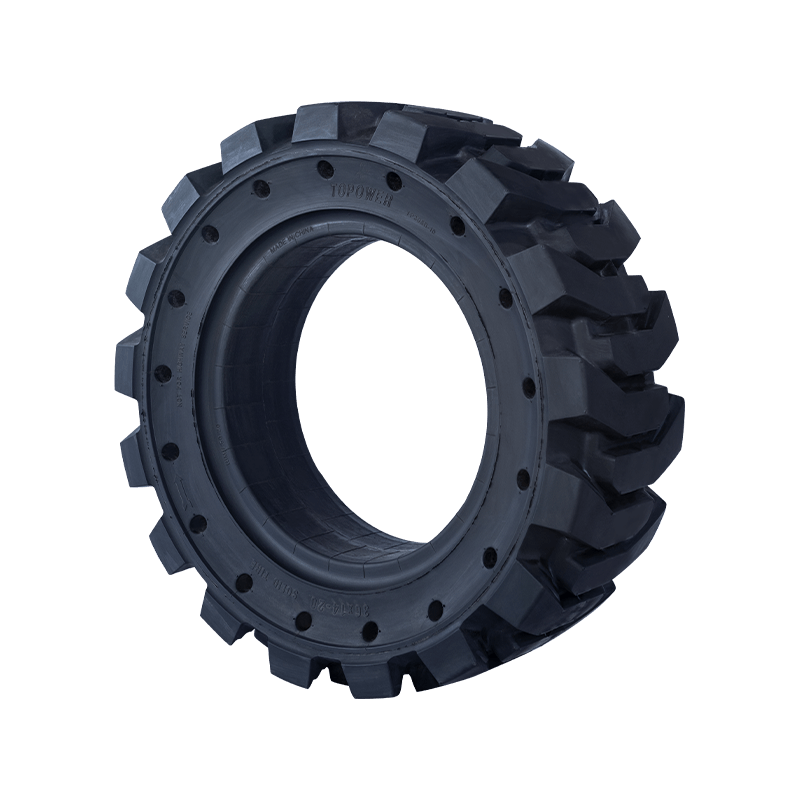
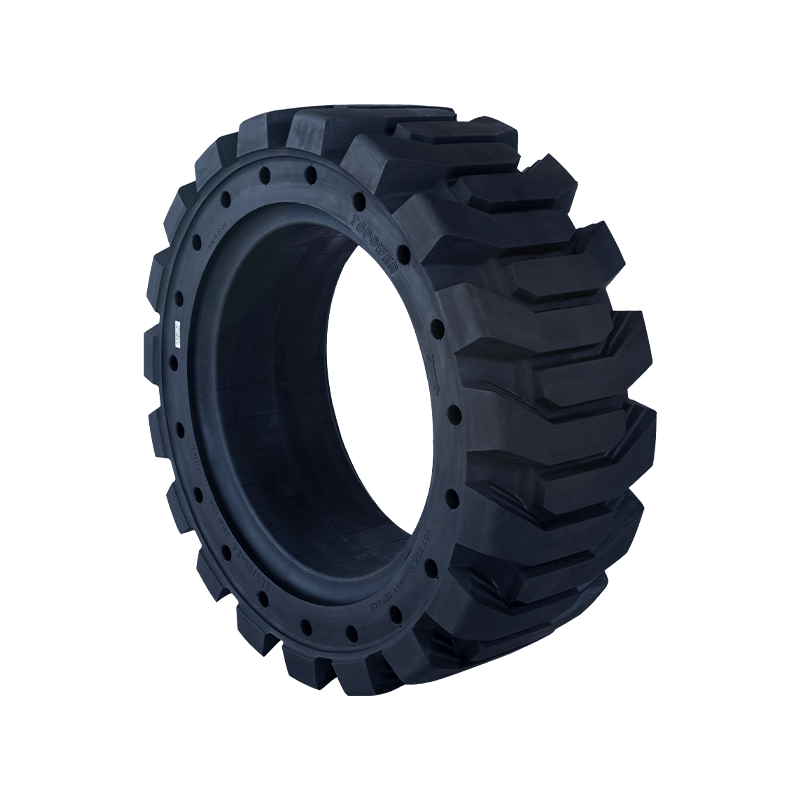
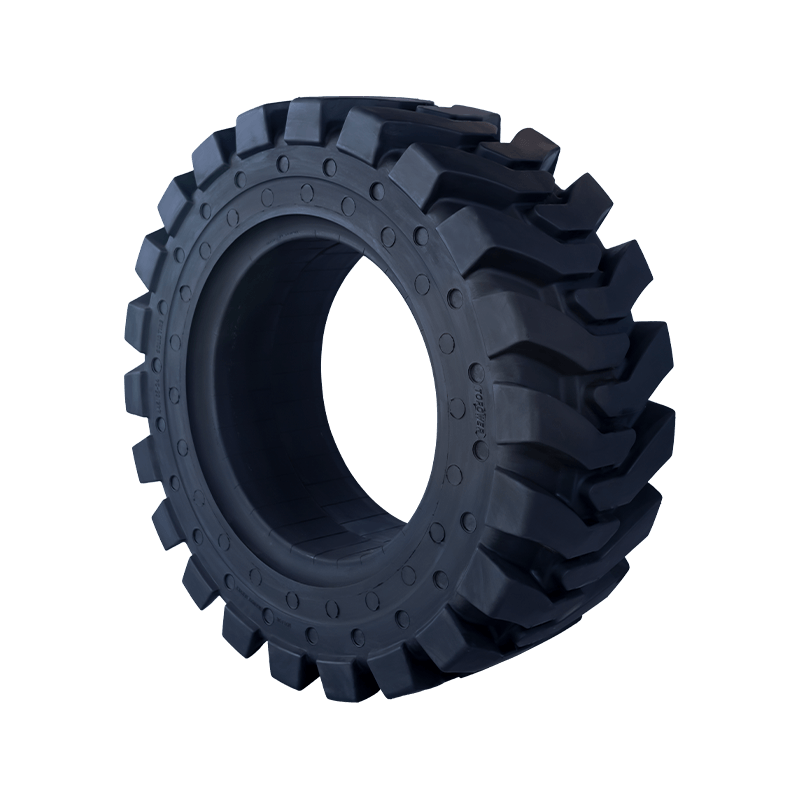
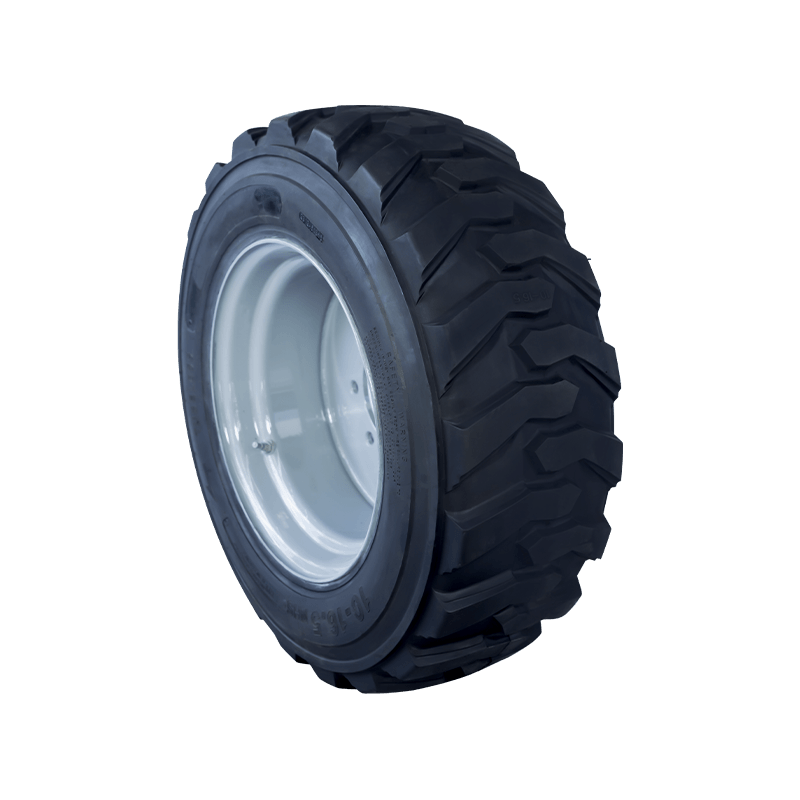
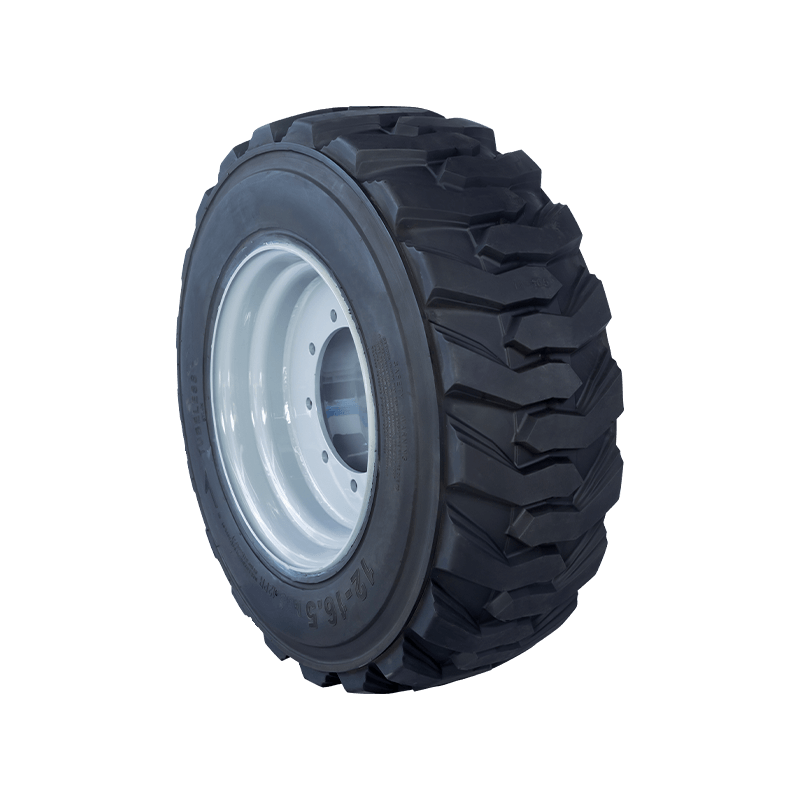
Skid steers working on demolition sites, land clearing operations, and construction sites with scattered rebar and concrete rubble are one of the highest-value applications for foam filled tires. Standard pneumatic skid steer tires in these environments can suffer multiple punctures per week. The large tire volume in skid steer sizes such as 10x16.5 or 12x16.5 means that foam filling is cost-effective because the alternative of running on underinflated or repeatedly patched tires leads to premature carcass failure.
Wheelbarrows, Hand Trucks, and Small Utility Vehicles
At the smaller end of the application range, foam filled tires for wheelbarrows and hand trucks represent one of the most cost-effective upgrades available to landscapers, contractors, and maintenance professionals. A pre-filled foam tire for a standard 4.80/4.00x8 wheelbarrow costs approximately USD 18 to USD 35 and eliminates all future flat-tire maintenance for the life of the wheel. The weight increase compared to an air-filled wheelbarrow tire is modest at this small size, making foam-filled wheelbarrow tires a straightforward upgrade decision for any user who has experienced the frustration of a flat mid-task.
Golf Carts and Utility Vehicles on Maintained Grounds
Golf course maintenance vehicles, resort utility carts, and municipal grounds vehicles that operate primarily on grass and paved paths but occasionally cross areas with debris are well suited to foam filled tires where the low operating speed (typically below 25 km/h) and smooth surface conditions keep vibration within acceptable comfort levels.
Trailers, Towable Equipment, and Unattended Assets
Trailers that are parked for extended periods and then towed to job sites are particularly vulnerable to slow leaks and rim damage from operating on underinflated tires. Foam filled tires on utility trailers, equipment trailers, and construction site temporary structures eliminate the risk of arriving at a job site with a flat trailer tire. The inability to lose pressure also means that long-term storage does not degrade the tire's service condition.
Foam Filled Tires vs Pneumatic vs Solid: When Each Option Wins
Choosing correctly among foam filled tires, pneumatic tires, and solid rubber tires requires matching product characteristics to operating conditions. The table below summarizes the key decision criteria across all three types.
| Criterion | Foam Filled Tires | Pneumatic Tires | Solid Rubber Tires |
|---|---|---|---|
| Puncture immunity | Complete | None | Complete |
| Ride quality and vibration | Medium | Best | Worst |
| Ground contact patch | Large (same as pneumatic) | Large | Smaller |
| Weight added to vehicle | Significant increase | Baseline | Moderate increase |
| Maintenance requirement | None after filling | Regular pressure checks | None |
| Suitability for rough outdoor terrain | Good | Best | Poor to moderate |
| Maximum operating speed | Typically below 40 km/h | Road speeds possible | Below 25 km/h |
| Cost compared to pneumatic (per tire) | 2x to 4x higher initial cost | Baseline | 1.5x to 3x higher initial cost |
| Reusability of tire casing | Casing not reusable after fill | Repairable | Not repairable |
The Weight Penalty of Foam Filled Tires: Why It Matters
The most significant operational tradeoff of foam filled tires versus pneumatic tires is weight. Polyurethane foam is significantly denser than air. A foam-filled 10x16.5 skid steer tire weighs approximately 95 to 110 kg, compared to 28 to 32 kg for the same tire filled with air. This weight increase of 65 to 80 kg per tire, multiplied across four tires, adds 260 to 320 kg to the operating weight of the machine. For equipment with rated load capacities, this additional weight reduces the effective payload the machine can safely carry. Fleet operators must check the vehicle manufacturer's payload rating before specifying foam filled tires, and must deduct the weight increase from the rated load capacity for compliance and safety purposes.
How to Specify and Buy Foam Filled Tires: Practical Guidance for Procurement
Buying Pu foam filled tires correctly requires understanding both the tire specification and the foam filling specification. A poor-quality fill in a high-quality tire casing will deliver poor results, as will a high-quality fill in a worn or structurally compromised casing.
Can Any Pneumatic Tire Be Foam Filled?
Not every pneumatic tire is suitable for foam filling. The tire casing must be structurally sound with no cracks, sidewall damage, bead damage, or tread separation. Tires that have been run flat, even briefly, are not suitable for foam filling because running flat causes internal carcass damage that is not always visible from outside. The recommended minimum remaining tread depth for a tire to be considered for foam filling is 50% of the original tread depth. Filling a tire with less than 50% tread depth wastes the cost of the foam because the tire will reach its wear limit before the casing delivers the service life needed to justify the filling investment. Bias-ply and radial pneumatic tires can both be foam-filled, but the recommended foam density differs: bias-ply casings typically require slightly higher density foam to achieve equivalent load support because their stiffer sidewall construction provides less inherent load distribution contribution.
Pre-Filled vs On-Site Filling: Which Approach Is Right for Your Operation
Foam filled tires are available in two supply formats: pre-filled tires supplied by a manufacturer or distributor already cured and ready to mount, and on-site foam filling services where a technician brings the equipment and fills your existing tires.
- Pre-filled tires are the most convenient option for standard sizes such as wheelbarrow tires, hand truck tires, and commonly-stocked skid steer sizes. They are available for immediate delivery from distributors and require no special equipment or scheduling. The disadvantage is that you cannot reuse your existing tire casings, and for large or unusual sizes the pre-filled option may not be available in stock.
- On-site foam filling services allow you to fill your existing tire casings that are still in serviceable condition, maximizing the use of the original tire investment. The service technician brings a two-component foam mixing and injection unit, fills the tires on your equipment or off the rim, and leaves them to cure. This approach is cost-effective for large fleets, unusual tire sizes, and operations where managing tire inventory is impractical. Curing time is typically 24 to 72 hours, during which the filled tires must not be operated.
Foam Density and Load Capacity: Getting the Specification Right
The single most important technical specification when buying foam filled tires is the foam density, because density directly determines the load-carrying capacity and ride stiffness of the filled tire. Too low a density and the tire cannot carry the rated load without excessive deflection. Too high a density and the tire transmits excessive vibration, accelerates wear on vehicle suspension components, and causes operator discomfort.
| Application | Recommended Foam Density | Typical Tire Size Range | Notes |
|---|---|---|---|
| Wheelbarrows and hand trucks | 0.25 to 0.35 g/cm³ | 3.50x6 to 4.80x8 | Lightweight load, comfort matters |
| Golf carts and utility vehicles | 0.30 to 0.40 g/cm³ | 18x8.50x8 to 22x11x10 | Operator comfort at low speed priority |
| Forklifts up to 5 tonne | 0.45 to 0.55 g/cm³ | 6.50x10 to 8.25x15 | Balance of load support and ride |
| Skid steers and compact loaders | 0.50 to 0.60 g/cm³ | 10x16.5 to 12x16.5 | Higher density for aggressive terrain use |
| Heavy construction equipment | 0.55 to 0.65 g/cm³ | 23.5x25 to 29.5x25 | Maximum density for highest load demands |
Limitations of Foam Filled Tires That Buyers Must Understand Before Committing
Foam filled tires solve the flat-tire problem definitively, but they introduce constraints that are not present with pneumatic tires. Understanding these limitations prevents poor purchasing decisions and ensures that foam filling is only applied where it genuinely improves the overall operating outcome.
The Process Is Irreversible
Once a tire has been foam filled, the process cannot be reversed. The cured polyurethane bonds chemically and mechanically to the inner carcass surfaces. If the tire reaches its tread wear limit while the foam is still in good condition, both the foam and the carcass must be disposed of together. There is no way to extract and reuse the foam, and attempting to remold or re-grind the tire as a recycled rubber product is complicated by the presence of the foam filler. Fleet operators who routinely retread their pneumatic tires to extend service life cannot apply retreading to foam filled tires, which represents a significant lifecycle cost consideration for large-tire applications.
Speed and Heat Limitations
Polyurethane foam generates heat through hysteresis (internal friction) when repeatedly compressed and released during rolling. At operating speeds above 40 km/h, the heat generated inside a foam-filled tire cannot dissipate quickly enough, causing the foam to soften, lose density, and ultimately delaminate from the carcass interior. Most foam filling manufacturers specify a maximum continuous operating speed of 25 to 40 km/h for foam filled tires, depending on the foam formulation and the tire size. Equipment that travels at highway speeds even briefly, such as telehandlers towed between sites or trailers hauled at road speed, should not use foam filled tires for the road-speed portion of their operation.
Load Capacity Reduction Compared to Equivalent Air-Filled Tire
A correctly foam-filled tire does not carry exactly the same rated load as the equivalent air-filled tire at its specified inflation pressure. The air-filled tire's load capacity derives from the tension in the inflated carcass, which distributes load across the entire tire structure. The foam-filled tire carries load through the compressive strength of the foam, which is less efficient per unit of cross-sectional area than an equivalent pneumatic system. Load capacity of foam filled tires is typically 90% to 95% of the equivalent pneumatic tire at its maximum rated inflation pressure. This 5% to 10% reduction should be factored into payload calculations for equipment operating near its maximum rated capacity.
Disposal and Environmental Considerations
Foam filled tires are more difficult to dispose of at end of life than standard pneumatic tires. Standard tires can be shredded for crumb rubber recycling, tire-derived fuel, or civil engineering applications. Foam filled tires require pre-processing to separate the foam from the rubber carcass before either material can be recycled, and many standard tire recycling facilities do not accept foam filled tires without prior arrangement. Buyers operating in jurisdictions with strict extended producer responsibility (EPR) regulations for tire disposal should confirm the disposal pathway for foam filled tires with their local waste management authority before specifying them across a large fleet.
Frequently Asked Questions
1. How long do foam filled tires last compared to pneumatic tires?
Foam filled tires last as long as the tire casing and tread last, because the foam itself does not wear. In applications where punctures previously caused premature pneumatic tire removal, foam filled tires often deliver 30% to 60% longer service life measured in operating hours because the tread is allowed to wear to its natural end-of-life limit without being interrupted by flat-tire events. On smooth indoor surfaces with no puncture risk, foam filled tires and pneumatic tires of the same model will wear at similar rates because punctures are not shortening the pneumatic tire's life in that environment.
2. Can foam filled tires be used on a standard passenger car or pickup truck?
No. Foam filled tires are not suitable for passenger cars, light trucks, or any vehicle operating at road speeds above 40 km/h. The weight addition, speed limitation, heat generation, and ride quality degradation associated with foam filling are incompatible with road vehicle requirements. Foam filled tires are an industrial and off-road product category, not a consumer vehicle product.
3. How much does it cost to have tires foam filled on-site?
On-site foam filling service costs vary by tire size and location. As a general reference in the North American and European markets, small tires in the 4.80x8 to 6.50x10 range cost approximately USD 25 to USD 60 per tire for the foam filling service excluding the tire itself. Forklift-sized tires in the 8.25x15 range cost approximately USD 80 to USD 150 per tire for filling. Large construction equipment tires in the 23.5x25 range can cost USD 400 to USD 900 or more per tire for professional foam filling service. These costs must be weighed against the cost of repeated flat-tire replacement in the specific operation.
4. Will foam filled tires damage floors in my warehouse?
Foam filled tires use the same pneumatic tire casing, so the contact patch shape and rubber compound that contacts the floor are identical to the equivalent pneumatic tire. Floor damage from foam filled tires is therefore no worse than from equivalent pneumatic tires. The contact pressure at the floor surface is slightly higher in foam filled tires than in properly inflated pneumatic tires because the foam system is slightly stiffer and produces a marginally smaller contact patch, but the difference is generally small and does not create floor damage where the pneumatic version would not.
5. Can foam filled tires be balanced on the rim?
Standard wheel balancing is not applicable to foam filled tires because the foam mass inside the tire cannot be adjusted by adding balance weights. Minor imbalance in foam filled tires is generally acceptable at the low speeds these tires operate, because vibration from imbalance only becomes significant at speeds above 40 km/h where foam filled tires should not be operated in any case. For applications where smooth, vibration-free operation at low speed is important, ensuring that the foam filling is completed by an experienced service provider with proper metering equipment minimizes density variation and resulting imbalance.
6. What happens if a foam filled tire is cut or punctured by a very large object?
Because the interior is solid foam rather than pressurized air, there is no sudden deflation event. If a large sharp object cuts through the tread and penetrates the foam, the tire continues to operate, although the cut area becomes a point of potential structural weakness in the carcass. The equipment can continue to function without immediate danger. Casing cuts deeper than 25% through the sidewall thickness should be assessed by a tire professional before continuing operation, because a severely cut casing can fail structurally under load even without pressure loss.
7. Are foam filled tires heavier than solid rubber tires of the same size?
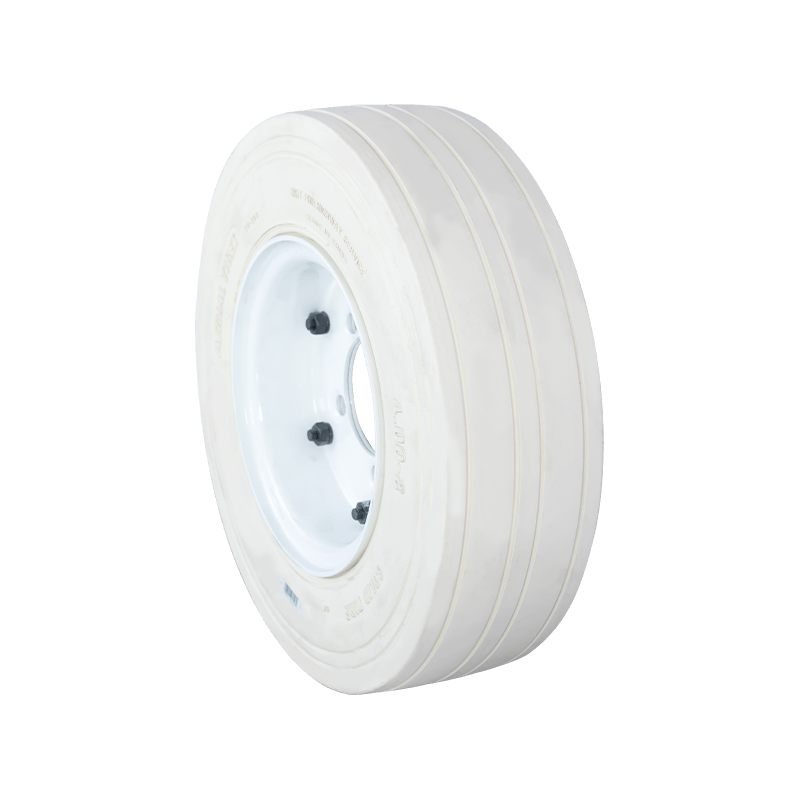
Yes, foam filled tires are generally heavier than solid rubber press-on tires of equivalent size, because the tire casing itself adds material weight on top of the foam fill. A solid rubber press-on tire for a given rim size is a compact rubber ring without the casing layers of a pneumatic tire. However, foam filled tires in pneumatic tire casings are often larger in overall diameter and section width than the equivalent solid press-on tire for the same vehicle, which means they provide a larger footprint and better terrain conformity despite the weight penalty.
8. How do I know if the foam filling in my tires has degraded or failed?
Signs of foam degradation in foam filled tires include visible flat spots on the tire surface after the vehicle has been parked overnight (indicating foam has taken a permanent set and lost its elasticity), unusual vibration during operation that was not present when the tires were newly filled, visible separation between the tire sidewall and the foam (which can sometimes be detected by pressing firmly on the sidewall and feeling movement), and uneven wear patterns suggesting non-uniform load distribution across the contact patch. Foam filled tires showing any of these signs should be removed from service and the casing inspected before refilling or replacement.
9. Do foam filled tires require any special mounting equipment?
Pre-filled foam tires that arrive cured and ready to use require standard tire mounting equipment for the appropriate tire and rim type, the same as mounting any pneumatic tire. On-site foam filling requires specialized two-component polyurethane metering and injection equipment, which is operated by the service technician rather than the buyer. The buyer does not need to own any special equipment for either supply format. For large fleet operations where on-site filling is performed in-house, the foam injection equipment represents a capital investment typically ranging from USD 3,000 to USD 15,000 depending on the size range being serviced.
10. Are there any tires that absolutely should not be foam filled?
Yes. Tires that should never be foam filled include: any tire that has been run flat even once, any tire with sidewall cracks or bead damage, any tire with tread depth below 50% of original, any tire intended for road operation above 40 km/h, any tire on a vehicle whose rated load capacity does not account for the additional weight of the foam, and any tire on equipment that must be quickly restarted without waiting for a 24 to 72 hour foam curing period. Beyond these hard limits, radial truck tires for on-highway use, aircraft tires, and high-speed agricultural tires are not appropriate candidates for foam filling regardless of casing condition, because the speed and load demands of these applications exceed what foam-filled construction can safely deliver.