 English
 русский
 Español
 عربى
عربى
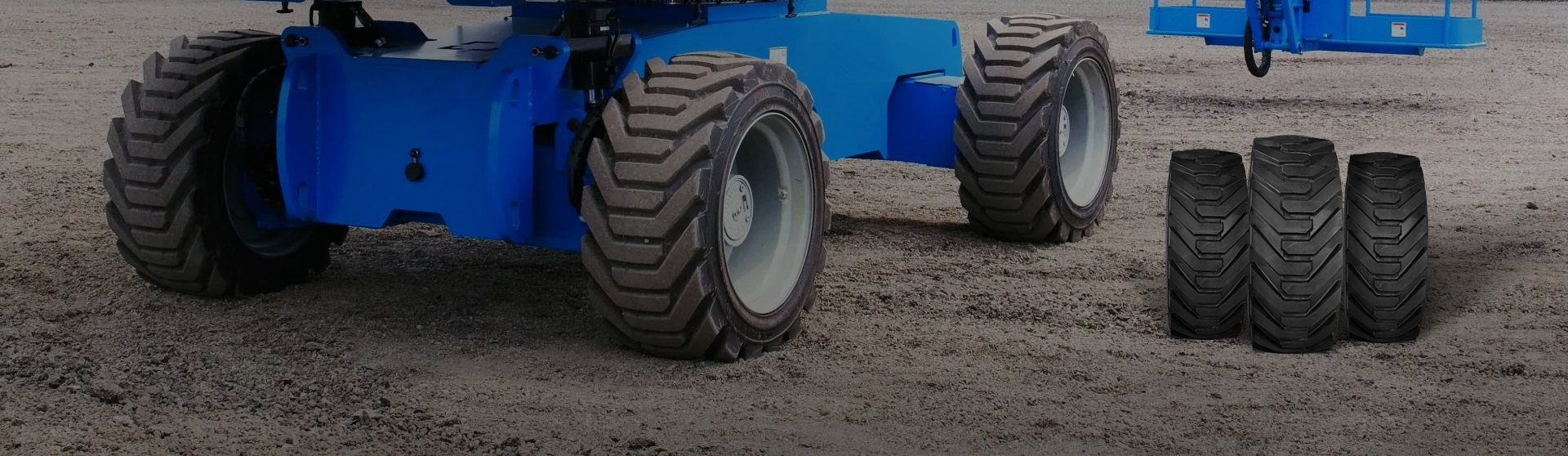

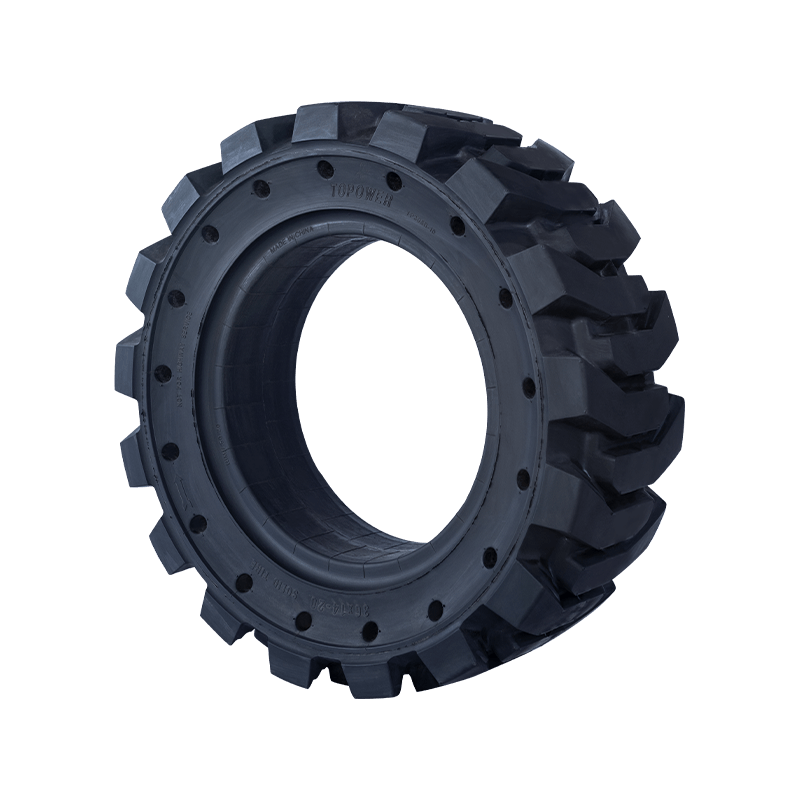
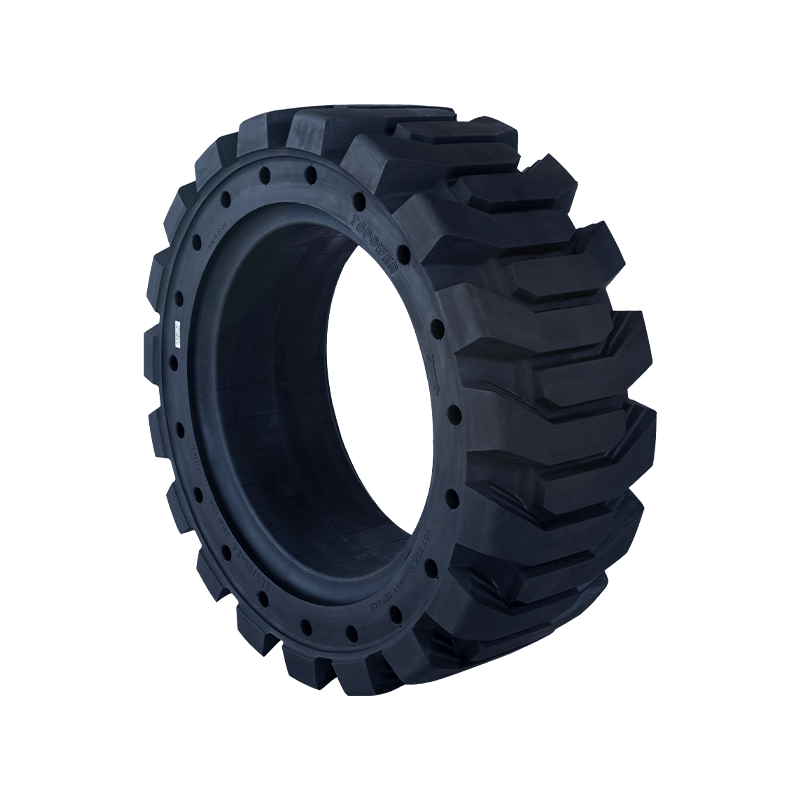
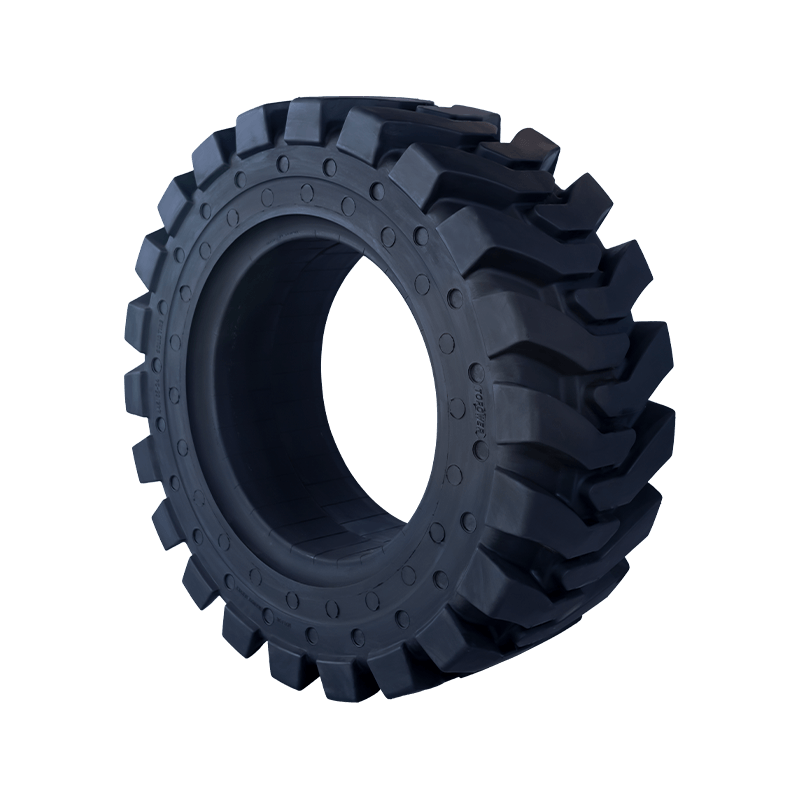
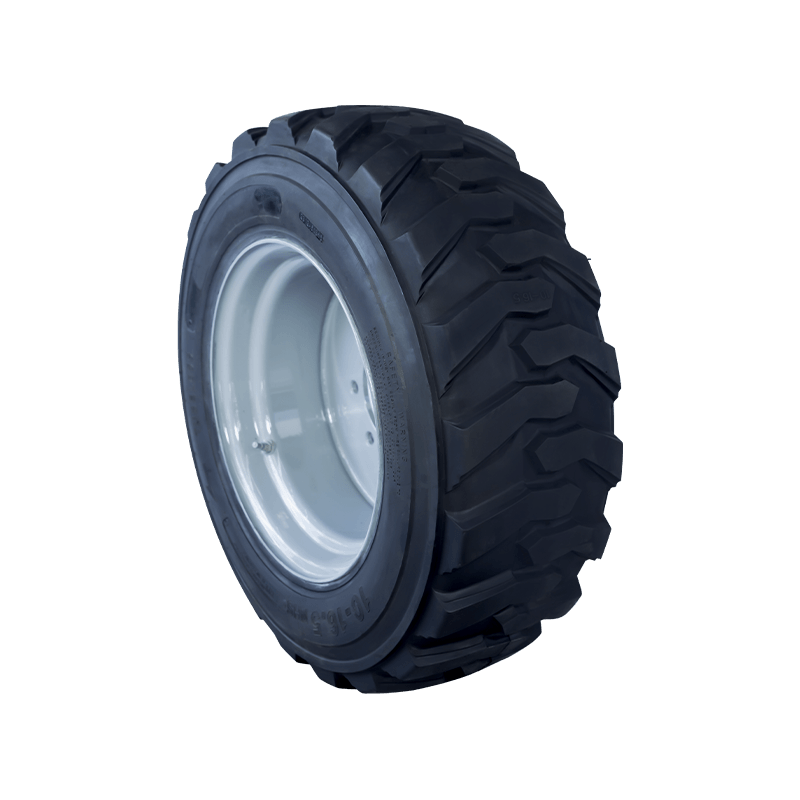
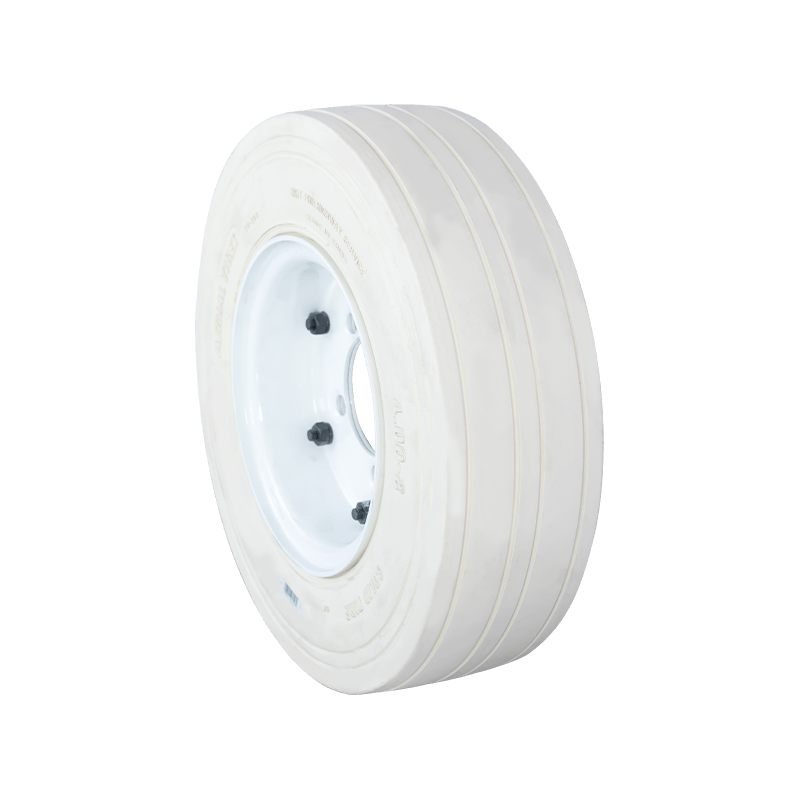
At the heart of this movement lies a critical component that often goes unnoticed until it fails which is the industrial wheel. Among the various types of equipment available today, the solid rubber wheel has established itself as an essential solution for environments where reliability and durability are non negotiable requirements. Unlike pneumatic alternatives that rely on pressurized air to maintain their shape and function, these wheels are constructed from dense, high quality rubber compounds throughout their entire volume. This fundamental design choice eliminates the possibility of flat tyres and ensures that machinery can operate continuously in the most hazardous conditions.
Understanding why a solid rubber wheel is so prevalent requires an exploration of the mechanical advantages it provides over other materials such as plastics, polyurethanes, or air filled chambers. These wheels are not merely blocks of rubber attached to a rim but are instead sophisticated pieces of engineering designed to manage heat, distribute extreme loads, and provide necessary damping for sensitive equipment. From the busy aisles of a high volume distribution center to the punishing floors of a steel foundry, the solid rubber wheel serves as the reliable interface between heavy machinery and the ground.
Defining the Concept and Structure of a Solid Rubber Wheel
To comprehend the value of a solid rubber wheel, one must first understand its internal architecture. At its simplest level, this component is a wheel made entirely of rubber or a combination of different rubber layers bonded to a central hub. This construction method stands in direct contrast to pneumatic tyres which feature a hollow carcass filled with air. The absence of an air chamber is the defining characteristic that provides the solid rubber wheel with its primary functional benefits.
The Multi Layered Composition of Modern Solid Wheels
- The highest quality examples of a solid rubber wheel often utilize a three stage construction process to balance competing physical requirements. The first stage is the base layer which is composed of an exceptionally hard rubber compound reinforced with steel wires or high strength fibers. This layer is designed to fit securely against the metal rim to prevent rotational slippage during high torque acceleration or heavy braking. Without this rigid base, the friction generated between the wheel and the rim would quickly destroy the component.
- The second stage is the cushion layer which sits in the middle of the wheel structure. This layer uses a softer and more resilient rubber formulation that acts as an internal shock absorber. When a vehicle drives over an expansion joint or a small piece of debris, the cushion layer compresses and then regains its shape. This action dissipates energy and prevents vibrations from being transmitted directly to the vehicle chassis or the operator. This middle section is what allows a solid rubber wheel to mimic some of the comfort found in pneumatic tyres while retaining the strength of a solid object.
- The final stage is the tread layer which represents the outer surface of the wheel. This layer is engineered for maximum abrasion resistance and traction. Depending on the specific industrial application, the tread might be smooth for indoor use on clean floors or heavily lugged for outdoor use on gravel and dirt. The chemical composition of the tread is adjusted to resist cuts, tears, and chemical degradation from oils or solvents commonly found on factory floors.
The Role of High Quality Rubber Compounds
The performance of any solid rubber wheel is dictated by the quality of the raw materials used in the manufacturing process. Natural rubber provides excellent elasticity and tear resistance while synthetic rubbers like SBR or nitrile offer superior resistance to heat and chemicals. Engineers carefully blend these materials to create a compound that offers a low rolling resistance. Low rolling resistance is critical because it reduces the amount of energy required to move the vehicle and minimizes internal heat buildup which is the leading cause of wheel failure in continuous duty cycles.
Key Benefits That Drive Widespread Industrial Adoption
The widespread adoption of the solid rubber wheel across global industries is the result of several distinct performance advantages that directly impact the bottom line of a business. When maintenance managers and procurement officers evaluate their options, they focus on factors such as uptime, safety, and total cost of ownership.
Absolute Puncture Resistance and Elimination of Downtime
The most significant advantage of a solid rubber wheel is its immunity to punctures. In many industrial settings such as scrap metal yards, recycling centers, and construction sites, the ground is frequently littered with sharp objects including nails, metal shards, and broken glass. For a pneumatic tyre, these objects represent an immediate threat that can lead to a flat tyre and a complete cessation of work. Replacing a large industrial tyre is a time consuming and expensive process that involves specialized equipment and labor.
By using a solid rubber wheel, a facility eliminates the risk of sudden deflation. Even if a sharp object becomes embedded in the rubber, the wheel continues to function without any loss of load capacity or stability. This allows the maintenance team to remove the object during scheduled inspections rather than responding to an emergency breakdown in the middle of a shift. The resulting increase in machinery uptime is a primary reason why solid wheels are the standard choice for critical material handling equipment.
Superior Load Capacity and Static Stability
Another critical reason for the use of the solid rubber wheel is its ability to support immense weight with minimal deformation. Because rubber is nearly incompressible in a confined state, a solid wheel can carry significantly higher loads than a pneumatic tyre of the same size. This high load density allows manufacturers to design smaller, more maneuverable vehicles that can still lift and transport several tons of material.
Solid wheels provide exceptional static stability. When a forklift lifts a heavy load to a great height, any swaying or tilting at the base is amplified at the top of the mast. Pneumatic tyres can flex and compress unevenly which creates a tipping hazard. A solid rubber wheel maintains a consistent profile and a stable footprint which ensures that the vehicle remains level and safe during high reach operations. This stability is particularly important in narrow aisle warehouses where precision is required to avoid colliding with storage racks.
Maintenance Free Operation for Increased Efficiency
Industrial operations thrive on predictability. Managing the air pressure in a large fleet of vehicles is a logistical challenge that requires constant monitoring and labor. If pneumatic tyres are underinflated, they wear out prematurely and increase fuel consumption. If they are overinflated, they provide a harsh ride and are more prone to blowouts.
A solid rubber wheel is essentially maintenance free once it is correctly installed. There is no need to check air pressure and no risk of pressure loss due to temperature fluctuations. The only required maintenance is a periodic visual inspection of the tread wear. This simplicity reduces the burden on the maintenance department and ensures that the fleet is always ready for service. For large scale operations with hundreds of vehicles, the labor savings associated with moving away from air filled tyres are substantial.
Technical Performance Comparison: Solid vs. Pneumatic
To better understand the niche of the solid rubber wheel, it is helpful to compare its performance against other common industrial wheel types. This comparison highlights why certain environments mandate the use of solid options while others might still prefer air filled versions.
|
Performance Attribute |
Solid Rubber Wheel |
Pneumatic Tyre |
Polyurethane Wheel |
|
Puncture Resistance |
Excellent and immune to flats |
Poor and prone to failure |
Excellent and immune to flats |
|
Load Capacity |
High for heavy duty tasks |
Moderate and limited by air |
Very high for specific floors |
|
Shock Absorption |
Moderate due to internal cushion |
Excellent due to air volume |
Poor and very rigid |
|
Rolling Resistance |
Low in high quality versions |
Moderate to high |
Exceptionally low |
|
Floor Protection |
Good and leaves minimal marks |
Excellent and very soft |
Moderate and can be hard |
|
Speed Capability |
Low to moderate for safety |
High for long distances |
Moderate for smooth floors |
Diverse Applications of the Solid Rubber Wheel
The versatility of the solid rubber wheel allows it to be used across an incredibly broad spectrum of industries. Each application places unique demands on the wheel which requires specialized formulations and designs to ensure optimal performance.
Material Handling and Warehousing Logistics
The most common place to find a solid rubber wheel is on a forklift or a reach truck. In these environments, the floor is usually made of smooth concrete and the vehicles are required to perform repetitive lifting and turning maneuvers. The solid construction allows these machines to operate in tight spaces with a high degree of precision. For facilities that handle food, pharmaceuticals, or electronics, non marking versions of the solid rubber wheel are used. These wheels utilize a silica based compound instead of carbon black to ensure that they do not leave scuff marks on the clean floors.
In high volume distribution centers, automated guided vehicles or AGVs also rely on solid rubber wheels. These robotic systems require consistent diameter and traction levels to navigate accurately using laser or magnetic guidance. Because a solid rubber wheel does not change shape due to air pressure loss, it provides the predictable performance needed for automation.
Heavy Manufacturing and Foundry Environments
In environments where extreme heat and abrasive materials are present, such as steel mills and foundries, a standard wheel would quickly fail. Solid rubber wheels designed for these areas are often made with high temperature resistant compounds that can withstand contact with hot surfaces and flying sparks. The ability of the solid rubber wheel to resist cutting from metal slag makes it indispensable in these harsh settings.
Heavy duty trailers used to transport massive engine components or raw materials also utilize solid rubber wheels. These trailers often have no suspension system, so the wheels must provide all the necessary damping to protect the cargo. The multi stage resilient wheel is often the preferred choice here as it offers the best balance between load capacity and shock absorption.
Ground Support Equipment at Seaports and Airports
Seaports and airports are 24 hour operations where machinery must be ready at a moment notice. Baggage carts, passenger stairs, and container trailers are frequently equipped with solid rubber wheels to ensure they are never out of commission due to a flat tyre. At seaports, large reach stackers and empty container handlers use massive solid wheels to navigate through areas where debris from shipping containers is common. The high salt environment of a seaport can also be corrosive, so the hubs of these wheels are often treated with specialized coatings to prevent rust and ensure the rubber remains securely bonded to the metal.
Critical Engineering Factors in Wheel Selection
Choosing the right solid rubber wheel is a complex task that requires an understanding of the specific operational environment. Selecting a wheel that is not suited for the application can lead to premature failure and increased costs.
Surface Conditions and Traction Requirements
The nature of the floor or ground where the vehicle will operate is the first consideration. Smooth indoor floors require a wheel with a high coefficient of friction to prevent slipping during braking. However, if the floor is frequently wet or covered in oil, a tread pattern with deep grooves is necessary to channel the liquid away from the contact patch.
For outdoor applications, the solid rubber wheel must be able to handle uneven terrain. A wheel that is too rigid will cause the vehicle to bounce, which can damage the load and cause discomfort for the driver. In these cases, a softer rubber compound or a thicker cushion layer is selected to provide a more forgiving ride.
Thermal Management and Duty Cycles
Internal heat is the primary enemy of the solid rubber wheel. When a wheel is in motion, the rubber undergoes continuous deformation and recovery. This process generates heat at a molecular level through a phenomenon known as hysteresis. If the wheel is operated at high speeds for long periods without rest, the internal temperature can rise to a point where the rubber begins to degrade or delaminate from the hub.
Engineers must consider the duty cycle of the machine. A forklift that moves for ten minutes and then sits for twenty minutes has time to cool down. A tow tractor that pulls trailers for three hours straight requires a solid rubber wheel with a specialized low heat compound. These compounds are designed to minimize energy loss during deformation, thereby keeping the operating temperature within safe limits.
Environmental Resistance and Chemical Compatibility
Industrial floors are rarely just clean concrete. They are often contaminated with various chemicals, oils, and cleaning agents. Standard rubber compounds can swell or become brittle when exposed to certain solvents. It is essential to ensure that the solid rubber wheel being used is compatible with the specific chemicals present in the facility. Nitrile rubber blends are often used when high oil resistance is required, while other synthetic blends might be chosen for their resistance to ozone and ultraviolet light in outdoor settings.
Installation and Maintenance Best Practices
While a solid rubber wheel is low maintenance, it is not no maintenance. Proper installation and periodic inspections are necessary to ensure a long and safe service life.
The Importance of Correct Press Fitting
Most industrial solid rubber wheels are pressed onto a metal rim using high pressure hydraulic equipment. This process requires precision to ensure that the wheel is perfectly centered and that the base is in full contact with the rim. If the wheel is not pressed on correctly, it may develop an imbalance that causes vibration at higher speeds. Furthermore, a loose fit can lead to the wheel spinning on the hub which generates immense heat and leads to immediate failure. Many modern wheels feature a steel bead base that provides an interference fit, ensuring that once the wheel is pressed on, it remains securely in place for the duration of its life.
Identifying Wear Indicators and Replacement Timing
Knowing when to replace a solid rubber wheel is critical for maintaining safety. Unlike pneumatic tyres where the loss of tread depth is the primary indicator, solid wheels are often used until they reach a specific wear line known as the 60-J line or the safety line. This line is usually molded into the sidewall of the wheel.
Once the rubber has worn down to this line, the cushion layer is no longer effective and the wheel must be replaced. Continuing to use a wheel beyond this point increases the risk of the rubber separating from the base and reduces the vehicle stability. Maintenance teams should also look for signs of chunking where large pieces of rubber have been torn away or evidence of heat separation which often appears as a bulging or discoloration of the sidewall.
Static Dissipation and Safety in Hazardous Areas
In environments where explosive gases or fine dust are present, the buildup of static electricity is a major safety concern. As a vehicle moves, the friction between the solid rubber wheel and the floor can generate a significant static charge. If this charge is not safely discharged to the ground, it can create a spark that triggers an explosion.
To combat this, specialized antistatic or conductive solid rubber wheels are used. These wheels are formulated with additives that allow electricity to flow through the rubber. By providing a continuous path to the floor, these wheels prevent the buildup of static and ensure the safety of the facility. These wheels are mandatory in chemical plants, grain elevators, and ammunition depots.
Load Distribution and Floor Loading Constraints
Architectural limits of a building often dictate the type of wheel that can be used. Every floor has a maximum load rating usually expressed in weight per square inch. Because a solid rubber wheel is more rigid than a pneumatic one, it has a smaller contact patch with the floor. This means the weight of the vehicle and its load are concentrated over a smaller area.
In older buildings with less robust floor structures, this can be an issue. Engineers must calculate the floor loading to ensure that the high pressure exerted by the solid wheels does not cause structural damage to the concrete. If floor loading is a concern, a wider solid rubber wheel or a wheel with a softer tread compound can be used to increase the contact area and distribute the weight more evenly.
The Engineering Behind the Bonding Process
One of the most critical points of failure for a solid rubber wheel is the bond between the rubber and the metal hub or rim. If this bond fails, the rubber can peel away from the hub, leading to a catastrophic loss of function. Manufacturers use sophisticated chemical bonding agents and surface preparation techniques to ensure that the rubber is physically and chemically fused to the metal.
The metal rim is usually shot blasted to create a rough surface area which increases the mechanical bond. A specialized primer and adhesive are then applied before the rubber is vulcanized onto the hub under high pressure and temperature. This process ensures that the bond is often stronger than the rubber itself, meaning the rubber would tear before the bond would release. This level of reliability is what makes the solid rubber wheel a trusted component in the world's most demanding industrial environments.
By understanding the complex interplay of material science, mechanical engineering, and operational requirements, it becomes clear why the solid rubber wheel remains the dominant choice for industrial movement. Its ability to provide continuous, maintenance free service in hazardous and high load environments offers a value proposition that air filled or plastic alternatives simply cannot match. For any operation where downtime is the enemy, the solid rubber wheel is the most effective ally.