 English
 русский
 Español
 عربى
عربى
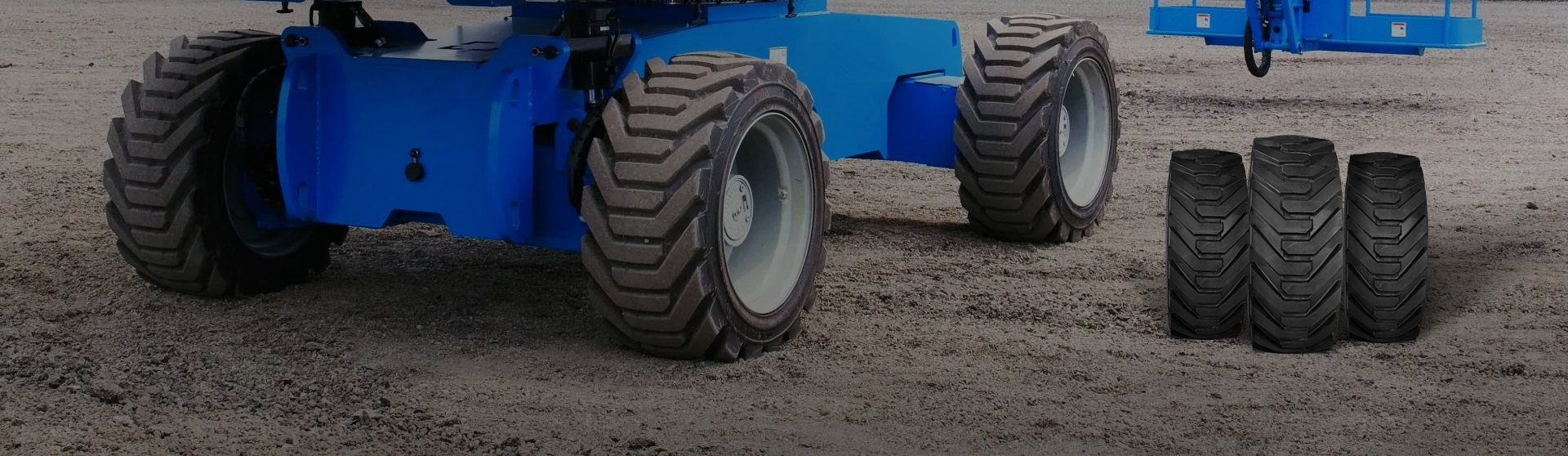

In the demanding world of material handling and industrial maintenance, the reliability of your machinery depends heavily on the interface between the vehicle and the ground. Industrial Solid Tyres represent the gold standard for applications where downtime is unacceptable and puncture hazards are a constant threat. While pneumatic tyres offer a cushioned ride, they are highly susceptible to damage from sharp debris, nails, metal shavings, and extreme load stresses. Consequently, solid tyres have emerged as the primary choice for fleet managers seeking to maximize uptime and lower the total cost of ownership.
Selecting a solid tyre is not a generic process. An industrial fleet typically comprises a diverse range of vehicles, including forklifts, heavy duty trailers, and commercial sweepers. Each of these machines operates under vastly different physical dynamics, speed envelopes, and surface conditions. Using a tyre designed for a forklift on a high speed industrial trailer, or installing a rigid trailer tyre on a delicate indoor floor sweeper, can lead to premature component failure, reduced machine efficiency, and significant safety hazards.
To make an informed procurement decision, it is essential to understand how tyre manufacturers engineer these products to meet the unique mechanical demands of each vehicle type. This comprehensive analysis explores the fundamental engineering differences, compounding variations, and structural designs that distinguish a Forklift Solid Tyre from a Trailer Solid Tyre and a Sweeper Solid Tyre.
Understanding the Core Foundations of Industrial Solid Tyres
Before examining the differences between specific vehicle applications, it is crucial to establish how solid tyres are constructed and why they have become indispensable in heavy industry. Unlike traditional tyres that rely on compressed air to support loads, solid tyres utilize a multi layered rubber structure or a polyurethane compound to carry weight and absorb shocks. This eliminates the risk of sudden deflations and blowout accidents, which are particularly hazardous when handling heavy or elevated materials.
The Engineering Principles Behind Solid Construction
The vast majority of premium industrial solid tyres utilize a three stage construction process. The innermost layer is the base compound, which is engineered with extremely high rigidity. This base layer often incorporates reinforced steel beads or steel rings embedded within the rubber to ensure a secure fitment onto the wheel rim. This tight fitment prevents the tyre from slipping on the wheel under high torque, which is a common issue with high power electric and diesel machinery.
Above the rigid base lies the cushion layer. This middle layer is formulated with softer, highly resilient rubber compounds designed to act as a shock absorber. It mimics the damping qualities of air, reducing the vibrations transmitted to the vehicle chassis, the motor, and the operator. A well engineered cushion layer is vital because excessive vibration can loosen mechanical joints, accelerate electronic component wear, and cause operator fatigue over long shifts.
The outermost layer is the tread compound. This portion of the tyre is directly exposed to the operating environment, meaning it must possess exceptional resistance to abrasion, tearing, and cutting. Depending on the intended application, the tread can be formulated with natural rubber, synthetic polymers, or polyurethane. The exact chemical composition of this outer layer determines the traction, heat resistance, and wear profile of the tyre.
Operational Advantages of Solid Tyres Over Pneumatic Alternatives
The primary advantage of solid options is their absolute immunity to flats. In scrap metal yards, recycling facilities, construction zones, and busy warehouses, the ground is frequently littered with puncture hazards. A single flat tyre on a critical machine can disrupt an entire supply chain, leading to costly idle labor and delayed shipments. Solid tyres eliminate this vulnerability entirely.
Furthermore, solid tyres offer significantly greater load carrying capacity than pneumatic tyres of the same dimensions. This is due to the dense, unyielding nature of the rubber layers, which do not compress or distort under heavy loads in the same manner as an air filled chamber. The resulting structural stability is essential when vehicles are lifting heavy loads to high elevations or carrying massive payloads over uneven terrain.
Finally, the lifespan of a solid tyre is substantially longer than that of a pneumatic counterpart. The usable tread depth is much greater, and the overall volume of wearable material allows the tyre to remain in service for thousands of hours. This longevity offsets the higher initial purchase price of solid tyres, making them a highly cost effective investment over the lifespan of the machine.
The Distinct Characteristics of Forklift Solid Tyre Solutions
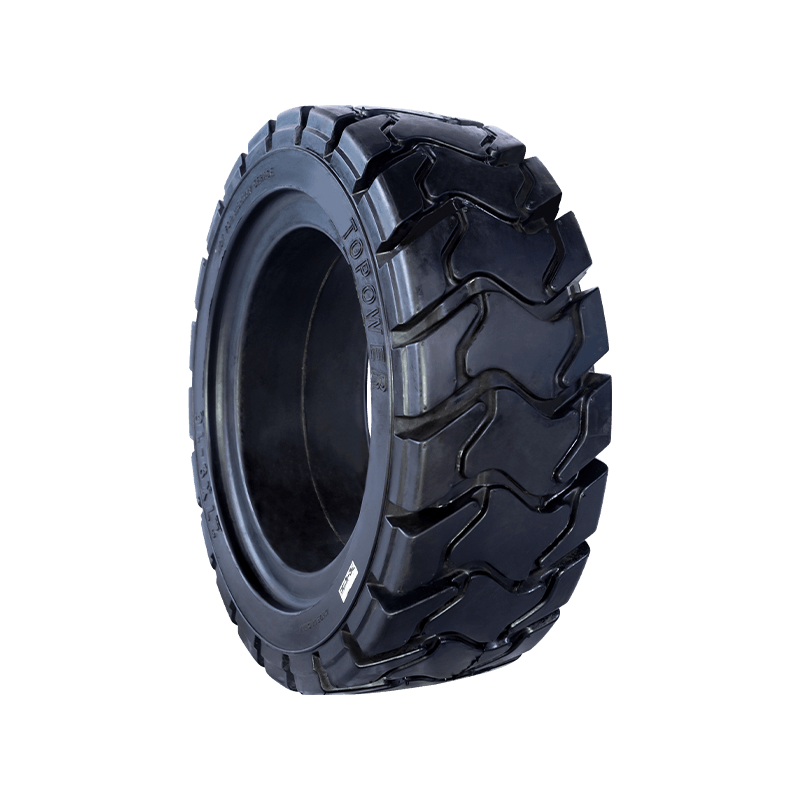
Forklifts are the workhorses of modern warehousing, manufacturing, and logistics. A Forklift Solid Tyre must be engineered to withstand a highly specific set of physical forces, primarily characterized by extreme vertical loads, frequent tight turning maneuvers, and continuous stop and go operation.
High Load Capacity and Static Stability Requirements
When a forklift lifts a heavy pallet to a height of several meters, the center of gravity of the entire machine shifts dramatically. Any lateral deflection or swaying at the tyre level is amplified at the top of the mast, creating a severe tipping hazard. Therefore, forklift solid tyres are designed with maximum static stability in mind.
The sidewalls of a forklift tyre are extremely stiff to prevent lateral flexing when the vehicle is turning while carrying an elevated load. The base of the tyre must maintain an absolute, unmoving connection with the rim to prevent any rotational slippage when the high torque electric drive motors are engaged. This rigid structure ensures that the operator has precise control over the machine, even when maneuvering in tight aisles with loads weighing several tons.
Additionally, the load distribution on a forklift is highly uneven. When unloaded, the rear steering axle carries the majority of the weight due to the heavy counterweight. When loaded, the weight shifts rapidly to the front drive axle. Forklift tyres must be capable of handling these rapid transitions in weight distribution without suffering from structural deformation or uneven wear.
Heat Dissipation Challenges in Continuous Material Handling
One of the greatest enemies of a solid tyre is internal heat buildup. When a solid tyre is in motion, the continuous compression and expansion of the rubber as it contacts the ground generates friction at a molecular level. Because rubber is a poor conductor of heat, this thermal energy accumulates inside the core of the tyre.
In continuous material handling operations where forklifts run for multiple shifts with minimal downtime, internal temperatures can rise to dangerous levels. If the internal heat exceeds the tolerance of the rubber compound, the core of the tyre can begin to liquefy or delaminate, leading to catastrophic internal failure. This phenomenon is known as thermal blowout or heat separation.
To combat this, premium forklift tyres are engineered with specialized natural rubber compounds in the cushion layer that exhibit low rolling resistance and high heat dissipation properties. The tread pattern may also feature deep grooves and lateral blocks that help circulate air and cool the tyre during operation. For operations involving continuous, long distance travel at higher speeds, selecting a tyre with superior thermal properties is absolutely critical.
Common Tread Patterns and Compounding for Specific Forklift Environments
Forklifts operate in a wide variety of environments, ranging from pristine pharmaceutical cleanrooms to muddy, unpaved lumber yards. Consequently, forklift tyres are available in several tread configurations and compound formulations to suit these distinct conditions.
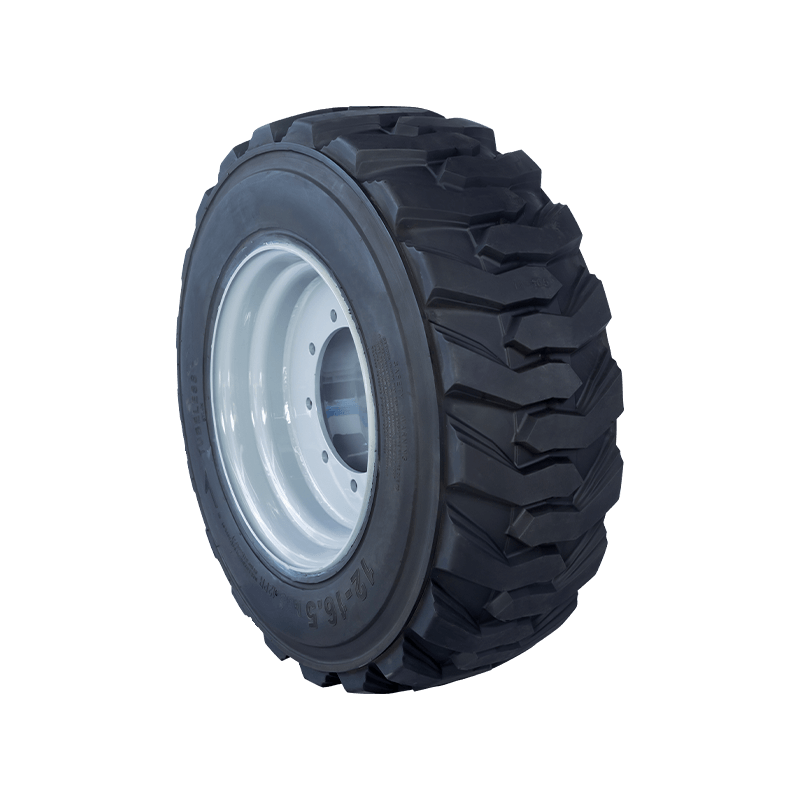
For indoor applications on smooth, dry concrete floors, smooth or slick tread patterns are highly popular. These tyres maximize the contact patch between the rubber and the floor, providing excellent grip, reduced vibration, and a longer wear life. However, if the indoor environment is prone to wet spills or oil contamination, a lugged tread pattern is required to channel liquid away from the contact area and prevent slipping.
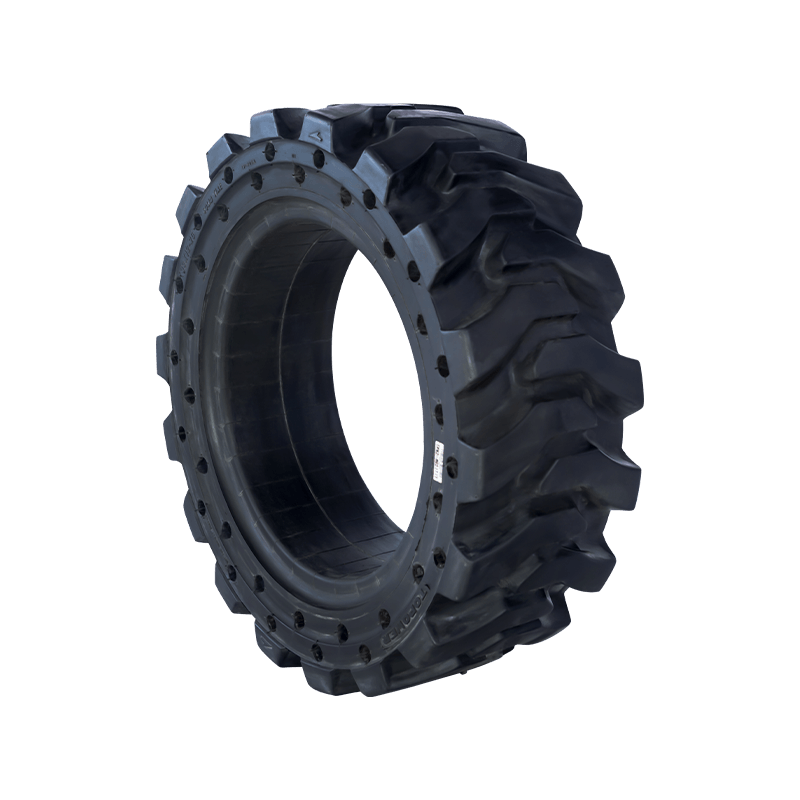
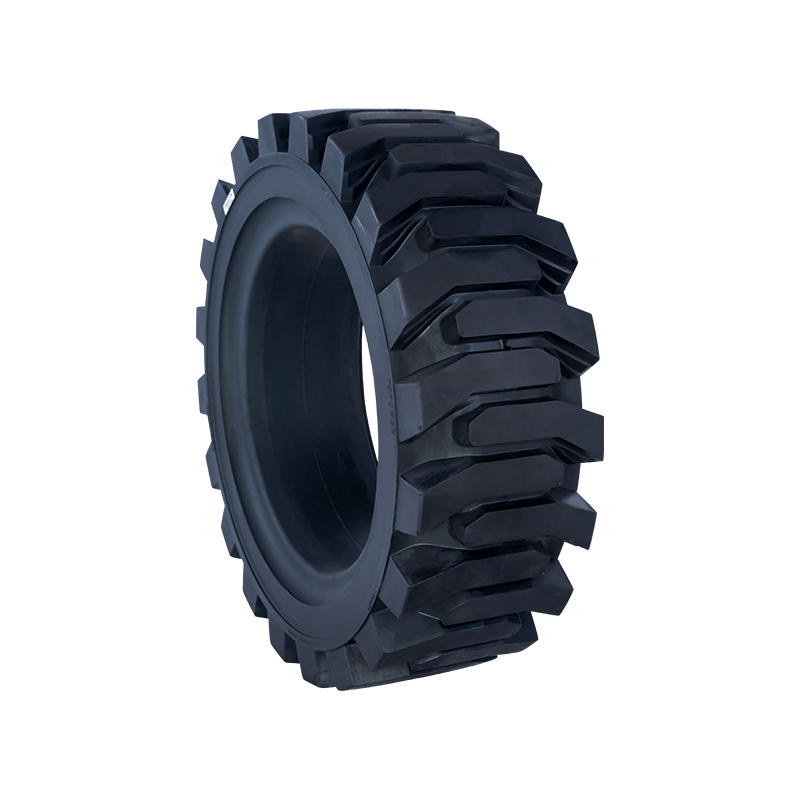
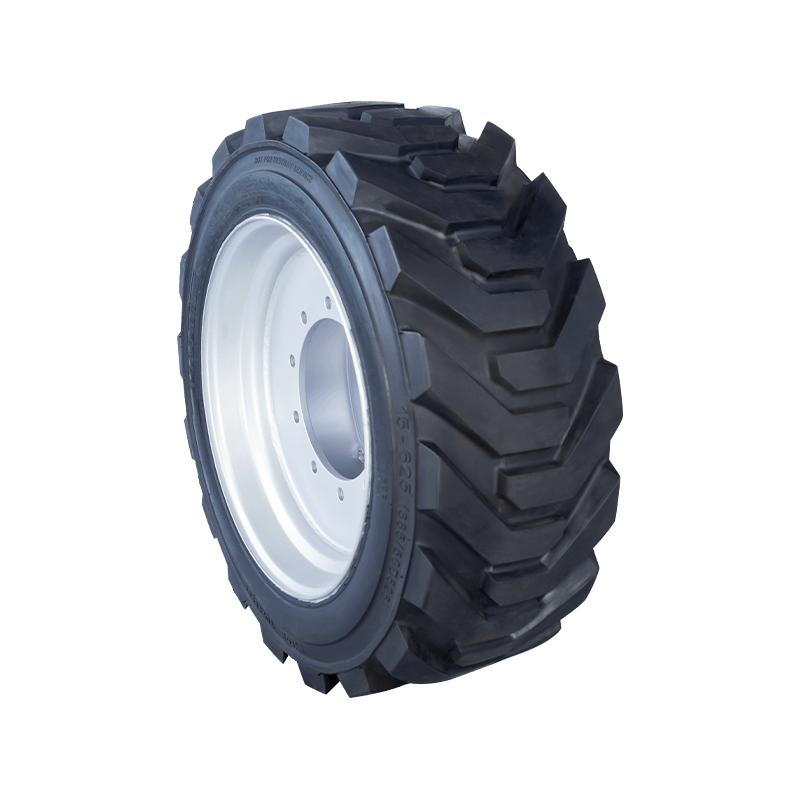
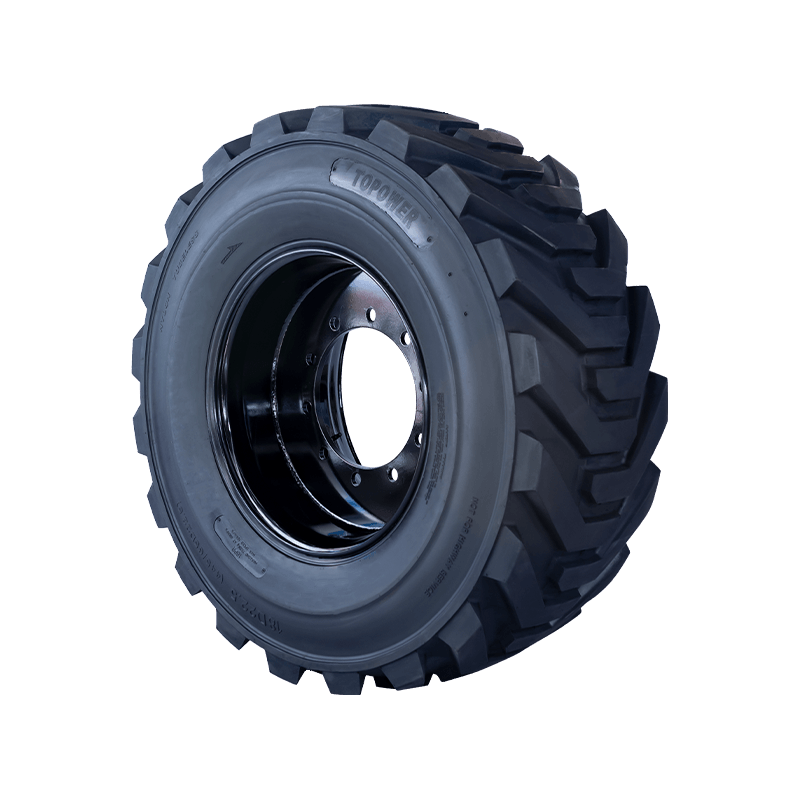
In outdoor applications on gravel, dirt, or uneven asphalt, deep lugged tread patterns are mandatory. These aggressive tread designs provide the necessary bite to navigate soft ground and slippery slopes.
Another critical variation is the choice between standard black rubber and non marking compounds. Standard black tyres contain carbon black, which provides excellent wear resistance but leaves unsightly black scuff marks on floors. In industries such as food processing, pharmaceuticals, and electronics manufacturing, non marking tyres made with silica compounds are required to maintain clean, dust free environments.
Exploring the Specialized Design of Trailer Solid Tyre Systems
While forklifts are self propelled vehicles designed for lifting and short distance transport, industrial trailers are towed vehicles designed for moving massive payloads over longer distances. The operational profile of a Trailer Solid Tyre is fundamentally different, focusing on high speed stability, low rolling resistance, and continuous rolling durability.
High Speed Stability and Roll Resistance Considerations
Industrial trailers, such as those used in seaports, airports, and large manufacturing complexes, often travel at higher speeds and over longer distances than forklifts. While a forklift might travel at five to ten kilometers per hour over short bursts, a tractor towing a train of loaded trailers might maintain a speed of twenty kilometers per hour or more over several kilometers.
At these higher speeds, the rotational forces acting on the tyre increase exponentially. A trailer tyre must be designed to remain perfectly round and stable under high centrifugal forces. Any imbalance or flat spotting can cause the trailer to sway or bounce, which is highly dangerous when transporting heavy containers or delicate components.
Furthermore, because trailers are towed by a separate prime mover, minimizing rolling resistance is a primary design goal for trailer tyres. High rolling resistance increases the fuel consumption of diesel tractors or rapidly drains the battery of electric tow vehicles. Trailer solid tyres are therefore formulated with highly resilient rubber compounds that deform very little under load, minimizing the energy lost to internal friction and ensuring smooth, efficient towing.
Extreme Load Capacity for Industrial Port and Airport Trailers
Industrial trailers are frequently tasked with carrying extremely heavy payloads. In port terminals, roll on roll off trailers carry loaded shipping containers weighing up to forty tons or more. In steel mills, trailers transport massive coils of raw steel over rough, debris strewn concrete.
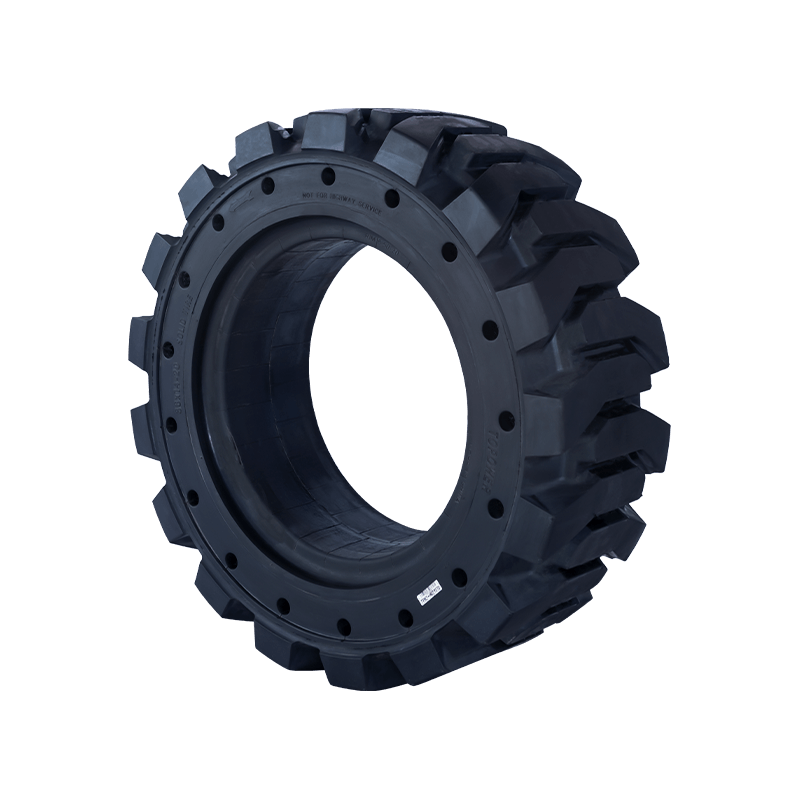
To support these immense weights without requiring excessively large tyre dimensions, trailer solid tyres utilize advanced heavy duty constructions. These tyres often feature a reinforced steel bead structure and ultra high density rubber compounds that can withstand extreme compressive forces.
Because trailers do not have complex suspension systems, the tyres themselves must absorb all the impacts from potholes, expansion joints, and uneven ground. The internal cushion layer of a trailer tyre must be carefully calibrated to provide adequate shock absorption to protect the trailer frame, axles, and cargo, while still maintaining the structural integrity required to support the massive static loads.
Dynamic Lateral Force Resistance during High Speed Cornering
When a long train of industrial trailers navigates a curve, each trailer is subjected to significant lateral forces. Unlike a forklift, which steers from the rear and rotates around its front axle, a towed trailer must follow the path of the towing vehicle, leading to lateral scrubbing and high side loads on the tyres.
If the trailer tyres lack sufficient lateral stiffness, they can slide sideways across the pavement, causing rapid tread wear and destabilizing the entire train. Trailer solid tyres are engineered with reinforced shoulders and specialized tread profiles that distribute lateral forces evenly across the contact patch. This prevents the tyre from rolling over its rim during sharp turns and ensures that the trailer tracks accurately behind the prime mover.
The Unique Requirements of Sweeper Solid Tyre Applications
Industrial floor sweepers and scrubbers play a vital role in maintaining safety and cleanliness in warehouses, factories, and commercial spaces. While these machines do not carry the massive loads of forklifts or trailers, they have a highly specialized operational profile that requires a unique approach to Sweeper Solid Tyre design.
Soft Compounds for High Traction and Debris Protection
Industrial sweepers are designed to remove dust, dirt, liquid spills, and small debris from indoor and outdoor surfaces. To do this effectively, the sweeper must maintain consistent traction, even on wet, dusty, or polished concrete floors. A loss of traction can cause the machine to slip, leading to incomplete cleaning or collisions with racks and personnel.
To ensure reliable grip under these challenging conditions, sweeper tyres are formulated with much softer rubber or polyurethane compounds than those used on forklifts or trailers. These soft compounds allow the tyre tread to conform to the microscopic imperfections of the floor surface, maximizing the coefficient of friction.
Vibration Dampening and Floor Preservation in Commercial Spaces
Many industrial sweepers operate in commercial environments such as retail centers, airports, and hospitals where floor preservation is a major concern. The tyres must not leave any marks, scuffs, or stains on expensive epoxy, terrazzo, or tiled floors.
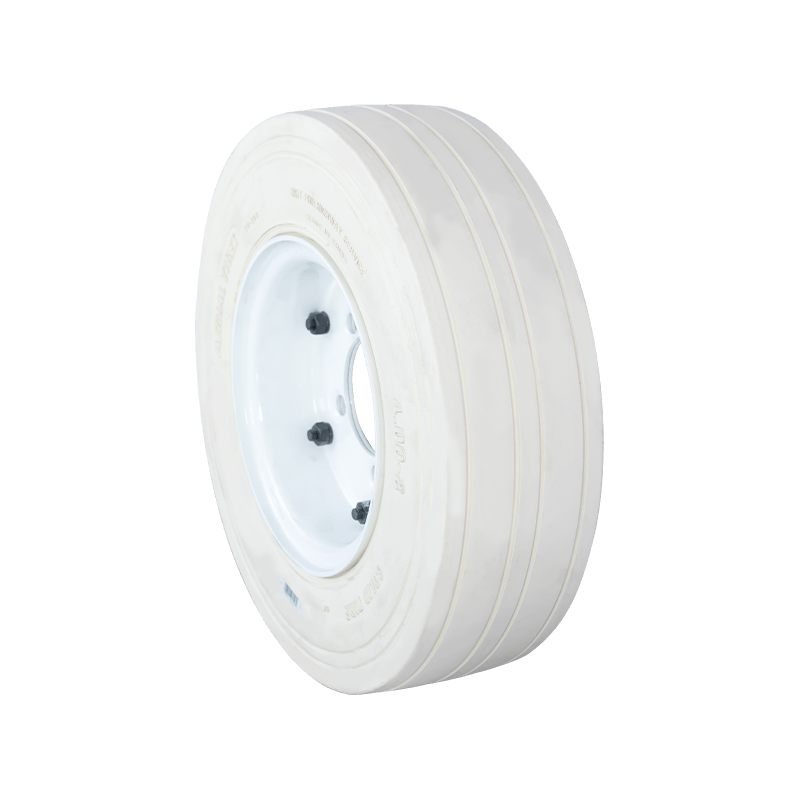
For this reason, sweeper tyres are almost exclusively made from non marking compounds, often utilizing premium polyurethane or light colored natural rubber. These materials are formulated to wear down microscopically without leaving visible residues on the floor.
In addition to floor preservation, operator comfort is a critical factor in sweeper tyre design. Ride on sweepers are often operated for entire shifts, and the operator sits directly over the wheels. Because these machines have minimal built in suspension, any vibrations from the floor are transmitted directly to the operator. Sweeper solid tyres are engineered with a highly compliant, shock absorbing structure that dampens low frequency vibrations, reducing operator fatigue and increasing productivity.
Specialized Tread Designs for Water and Dust Dispersion
To maintain traction on wet or dusty floors, sweeper tyres require highly specialized tread designs. Unlike smooth forklift tyres that rely on a dry surface, sweeper tyres must be capable of clearing water and fine dust from the contact patch.
The tread patterns on sweeper tyres often feature a series of deep, longitudinal grooves combined with lateral sipes. These grooves act as channels, allowing water to escape from underneath the tyre and preventing hydroplaning. The sipes create multiple biting edges that cut through fine layers of dust and moisture to establish direct contact with the solid floor beneath.
Comparative Analysis: Structural and Performance Variations
To help fleet managers and procurement professionals select the correct tyre for their specific operational needs, it is helpful to compare these three types of solid tyres across several key performance indicators. The following section highlights the distinct design priorities that define each category.
A Side by Side Performance Evaluation of the Three Tyre Types
The physical differences between these tyres are a direct result of the contrasting demands of their target applications. By comparing their core characteristics, we can see how engineering priorities shift from load capacity to speed tolerance and traction.
| Performance Indicator | Forklift Solid Tyres | Trailer Solid Tyres | Sweeper Solid Tyres |
| Primary Engineering Goal | High load capacity and maximum static stability | Low rolling resistance and high speed durability | High traction and superior floor preservation |
| Compound Hardness | Medium to High to resist deformation | High to minimize energy loss and heat generation | Low to Medium to maximize grip on slippery surfaces |
| Tread Design | Smooth for dry indoor floors, lugged for outdoor use | Ribbed or smooth to facilitate easy towing | Deep grooves and sipes for water and dust dispersion |
| Heat Resistance | High to manage thermal buildup from stop and go | Very High to withstand continuous high speed towing | Moderate due to lower operating speeds |
| Shock Absorption | Moderate, focusing on protecting mast and chassis | Moderate, calibrated for heavy payload protection | High to maximize operator comfort during long shifts |
| Non Marking Options | Widely available for indoor warehousing | Less common, usually limited to specialized cleanrooms | Standard requirement for commercial cleaning |
Key Factors for Choosing the Right Industrial Solid Tyres for Your Fleet
Selecting the correct solid tyre requires a thorough assessment of your operational environment, vehicle specifications, and performance expectations. Making the wrong choice can lead to premature tyre wear, increased energy consumption, and potential safety risks.
- Analyze the load profile of your vehicles. If your machinery is carrying extremely heavy, elevated loads, prioritizing static stability and sidewall stiffness is essential, pointing toward a dedicated forklift tyre design. For towed configurations carrying massive payloads over long distances, look for tyres engineered specifically for trailer applications, emphasizing low rolling resistance and high speed capability.
- Consider the operating surface. Smooth, dry concrete floors allow for the use of smooth tread patterns, which offer the longest wear life. However, if your vehicles operate on wet, oily, or dusty surfaces, you must select tyres with appropriate groove and sipe configurations to ensure adequate traction. For delicate indoor surfaces, non marking compounds are essential to prevent floor damage and scuffing.
- Evaluate the continuous duty cycle of your fleet. If your machines run continuously across multiple shifts, heat buildup is your primary concern. In these scenarios, investing in premium tyres with advanced natural rubber cushion layers and superior heat dissipation properties is necessary to prevent premature thermal failure. Cheap, low quality solid tyres often lack these advanced compounding techniques, leading to rapid degradation under heavy duty cycles.
- Ensure that the physical dimensions and mounting specifications of the replacement tyre match the vehicle manufacturer recommendations exactly. Solid tyres require specialized press equipment to mount onto wheel rims, and a proper fit is critical to prevent tyre slippage and maintain operational safety. By carefully aligning your tyre selection with the unique mechanical demands of your vehicles, you can ensure optimal performance, maximum safety, and a significantly lower total cost of ownership.