 English
 русский
 Español
 عربى
عربى
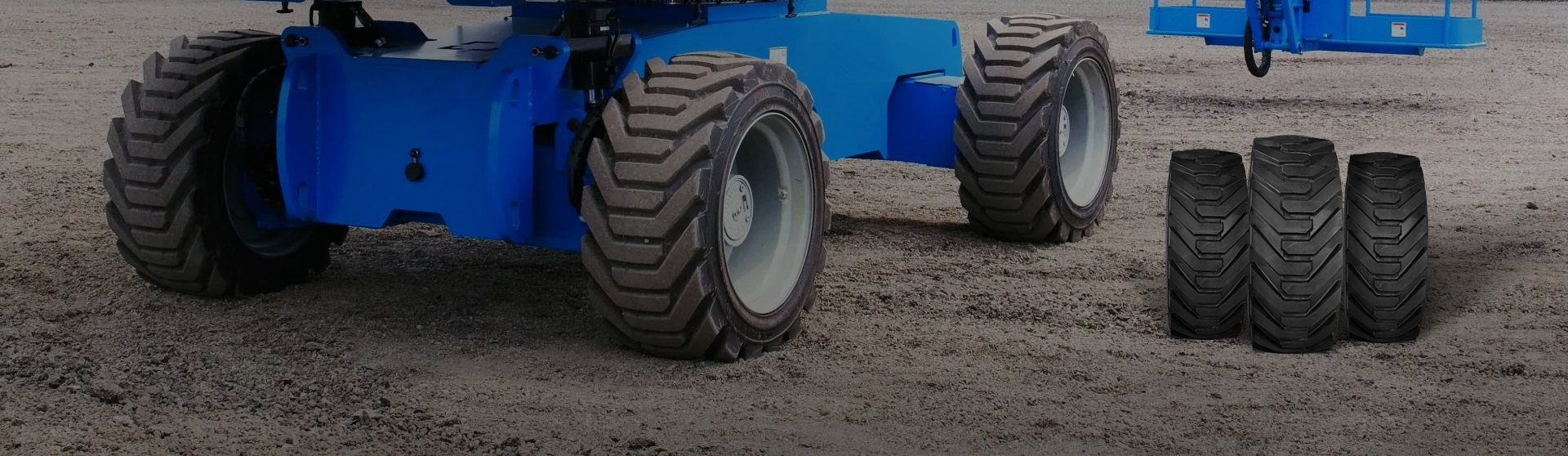

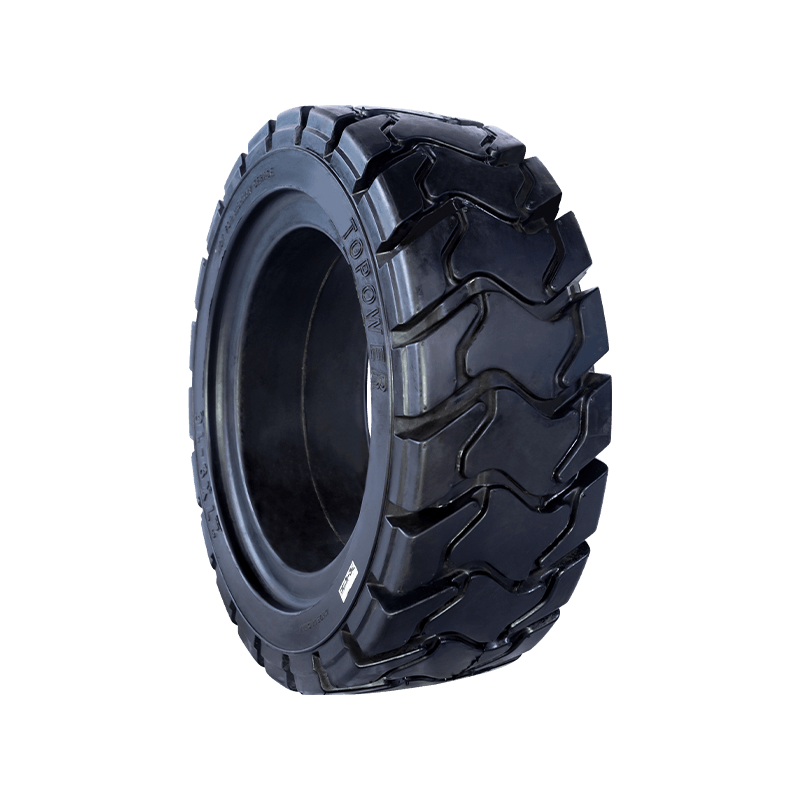
In the sophisticated landscape of modern industrial logistics and global supply chain management, choosing the optimal forklift tyre is a strategic decision that transcends simple maintenance. Often mistakenly viewed as a mundane consumable replacement task, the forklift tyre serves as the critical interface between multi-ton machinery and high-value facility flooring. The material composition of a forklift tyre dictates not only energy conversion efficiency and battery longevity but also directly influences operator ergonomic health, the structural integrity of the floor, and overall logistical throughput. This comprehensive guide provides an in-depth analysis comparing Forklift Solid Tyres (Rubber) and Polyurethane Tires, navigating through the complexities of material science, dynamic thermodynamics, and practical operational boundaries.
Understanding Rolling Resistance and the Economics of Energy
Rolling resistance is far more than a mere physical coefficient; it is the fundamental metric for determining the total cost of ownership (TCO) of a forklift tyre. Its value directly dictates the operational economy and carbon footprint of a warehouse fleet throughout its entire lifecycle. On a macro-economic level, rolling resistance acts as a persistent "invisible drain" on power, consuming a significant portion of the energy output before it can be converted into productive movement.
From a microscopic material science perspective, rolling resistance is primarily the result of internal friction generated as the forklift tyre cyclically deforms under load and subsequently recovers its shape. This phenomenon is scientifically categorized as "Hysteresis Loss"—a process where the kinetic energy intended for vehicle propulsion is irreversibly converted into wasted thermal energy. For large-scale logistics hubs operating hundreds of units, even a marginal 5% difference in resistance can accumulate into thousands of dollars in excess electricity or fuel costs annually.
Polyurethane Tire: The Benchmark for High-Efficiency Logistics Polyurethane Tires are engineered with a significantly higher elastic modulus and superior rebound resilience compared to traditional elastomers. Under the immense pressure of heavy industrial loads, the microscopic deformation of a Polyurethane Tire remains exceptionally low. Consequently, the electric motor requires substantially less torque to overcome static inertia and maintain cruising speeds. For modern battery-powered fleets, such as high-reach trucks or automated pallet stackers, integrating high-performance Polyurethane Tires can extend the effective operational range per charge by an estimated 15%–25%, effectively reducing charging downtime and prolonging the chemical life of the battery cells.
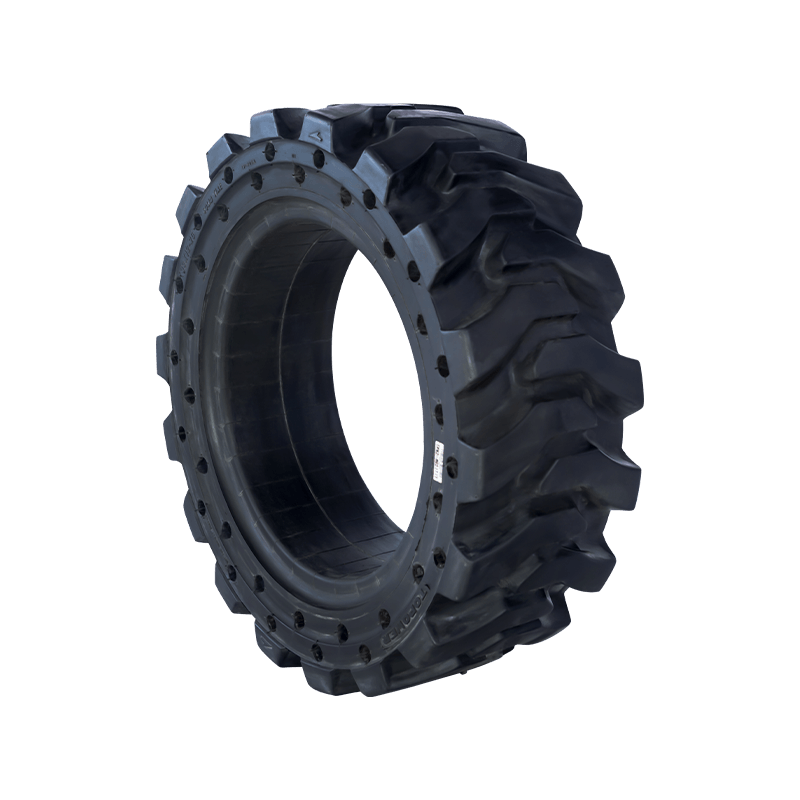
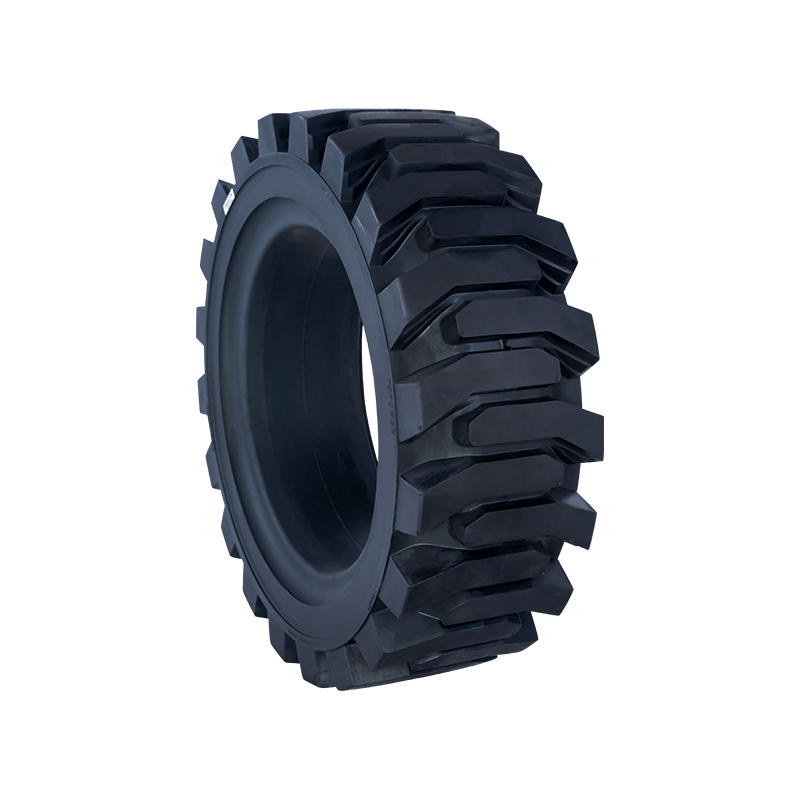
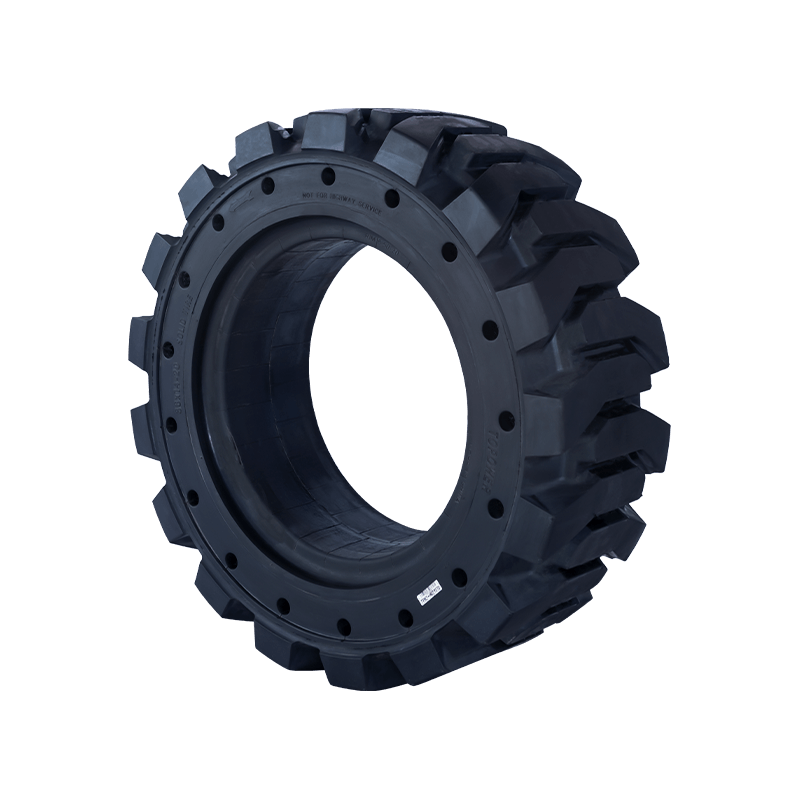
Forklift Solid Tyre (Rubber): The Balance of Traction and Cushioning Natural or synthetic Forklift Solid Tyres utilize a softer molecular matrix that facilitates greater deformation under load. While this allows for better shock absorption, it inevitably results in higher hysteresis losses. In high-intensity, pure electric indoor operations where energy conservation is paramount, the energy-draining profile of a rubber forklift tyre generally makes it a secondary choice compared to the high-efficiency Polyurethane Tire, despite advancements in low-rolling-resistance rubber compounds.
Comprehensive Dynamic Performance Comparison
|
Performance Metric |
Polyurethane Tire (Poly) |
Forklift Solid Tyre (Rubber) |
|---|---|---|
|
Rolling Resistance Coefficient |
Ultra-Low (approx. 0.01 - 0.015) |
Medium-High (approx. 0.02 - 0.03) |
|
Startup Energy Draw |
Minimal; facilitates "instant" takeoff |
Higher; demands significant peak current |
|
Energy System Synergy |
Optimized for Li-ion & Lead-acid batteries |
Preferred for IC Engines & Heavy Electrics |
|
Thermal Accumulation |
Poor dissipation; prone to heat-soaking |
Superior dissipation; ideal for 24/7 duty cycles |
The Critical Role of Hardness in Load Capacity and Structural Stability
The Shore hardness of a forklift tyre is the primary determinant of its load-bearing density and its capacity to act as a buffer against ground-level impacts. In the context of heavy-duty material handling, hardness isn't just a surface property—it represents the "structural backbone" of the vehicle's stability system.
High Load Resilience and High-Altitude Stacking Safety A standard industrial Polyurethane Tire typically operates within the 90–95 Shore A hardness range. This extreme rigidity provides unmatched compression resistance, allowing a single tire to carry loads that would cause a rubber forklift tyre of the same dimensions to suffer catastrophic lateral collapse. In VNA (Very Narrow Aisle) applications, where forklift masts can extend beyond 12 meters, the stability provided by a Polyurethane Tire is a non-negotiable safety requirement. Because the tread remains rigid under multi-ton pressure, it minimizes "mast sway," ensuring that the forks remain perfectly aligned with high-level racking, thereby preventing the risk of racking collisions or tipped loads.
Ergonomic Cushioning and Mechanical Longevity Conversely, the relatively lower hardness of a rubber Forklift Solid Tyre (typically 65–75 Shore A) allows it to function as a primary suspension element. In facilities with uneven flooring, outdoor transition zones, or prominent expansion joints, the rubber forklift tyre absorbs the high-frequency vibrations that would otherwise be transmitted through the chassis. This dampening effect is vital for mitigating long-term musculoskeletal disorders in operators and protecting sensitive onboard electronics, such as laser navigation sensors and hydraulic manifolds, from the destructive effects of constant mechanical jarring.
Mastering Surface Grip and Braking Safety
The Coefficient of Friction (COF) is perhaps the most critical safety-related physical parameter in warehouse management. It defines the hard physical boundaries of what a forklift tyre can achieve during rapid acceleration, sharp cornering, and emergency braking maneuvers.
The Viscoelastic Advantage of Rubber Rubber is uniquely characterized by its "viscoelastic" behavior. Under the weight of a forklift, the rubber molecules physically "conform" and flow into the microscopic crevices of the floor surface, creating a powerful mechanical interlock. This "suction-like" grip allows a rubber forklift tyre to maintain reliable traction even on moist surfaces, such as those found at cold storage thresholds or outdoor loading docks during inclement weather. This superior grip profile is essential for preventing the dangerous "fishtailing" effect often seen during high-speed emergency stops in high-traffic zones.
Polyurethane Hydroplaning: The Physics of Hard Materials Because a Polyurethane Tire is so dense and rigid, it cannot conform to surface irregularities as effectively as rubber. On dry, clean floors, this results in excellent efficiency; however, the presence of water, oil, or even fine dust can create a lubricating layer. This leads to "hydroplaning," where the Polyurethane Tire loses all direct contact with the floor, causing braking distances to increase exponentially. Consequently, in any environment where liquid spills are possible, specialized tread patterns or the use of rubber compounds is strictly recommended to maintain the safety of personnel.
Durability Analysis in Hostile Industrial Environments
Durability is a complex, multi-variable metric that encompasses resistance to mechanical laceration, thermal stability over time, and tolerance to aggressive chemical exposure.
Cut, Tear, and Abrasion Resistance In heavy manufacturing environments—such as metal stamping plants or wood processing facilities—the floor is often littered with sharp debris. A Polyurethane Tire possesses a high-density polymer chain that is incredibly difficult to penetrate. Its inherent tear strength is significantly higher than that of a rubber forklift tyre, making it virtually immune to "chunking," where chunks of the tire tread are torn off by sharp objects. This structural integrity translates to a longer service life in indoor environments plagued by "industrial litter."
The Thermal Vulnerability of Polyurethane The greatest weakness of polyurethane is its poor thermal conductivity. During continuous operation at high speeds (exceeding 15 km/h), the heat generated by internal hysteresis cannot be dissipated quickly enough. This "heat soaking" can lead to the thermal breakdown of the polymer bonds, resulting in a sudden and catastrophic "delamination" where the tread separates from the hub. For long-distance shuttle applications or outdoor use in high ambient temperatures, a rubber Forklift Solid Tyre remains the only viable solution due to its superior heat-venting capabilities.
ESG Compliance, Cleanliness, and Asset Protection
Modern facilities are no longer just storage spaces; they are precision-engineered assets. The interaction between the forklift tyre and the floor is now a primary concern for facility managers focused on ESG (Environmental, Social, and Governance) goals and maintenance cost reduction.
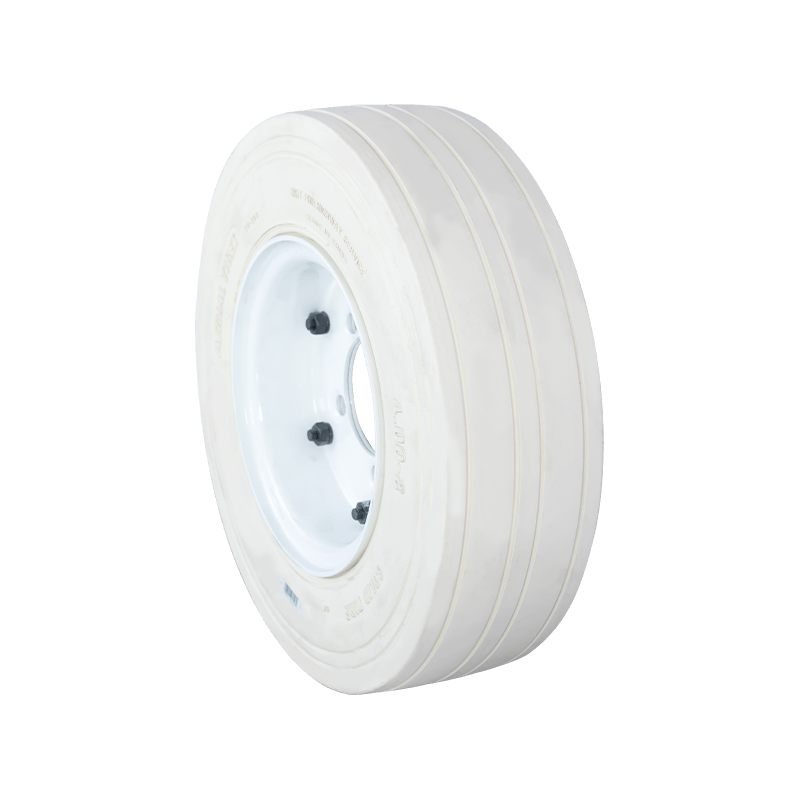
Non-Marking Standards and Indoor Air Quality In the pharmaceutical, food and beverage, and electronics sectors, maintaining a sterile or "high-clean" environment is mandatory. Traditional rubber forklift tyres contain high concentrations of carbon black, which leaves permanent, unsightly black streaks on the floor and releases fine particulates into the air. Polyurethane Tires are inherently non-marking and particulate-stable. By eliminating "black-track" contamination, they reduce the need for aggressive chemical floor cleaning and help facilities meet stringent ISO or GMP certification requirements.
Terrain Versatility and Drivetrain Protection For operations that require a forklift to move from a smooth indoor warehouse to a rough outdoor asphalt yard, the rubber Forklift Solid Tyre is the superior "all-terrain" choice. Its ability to absorb the shock of crossing rail tracks or uneven pavement protects the vehicle's drivetrain. Without this cushioning, the impact energy would be transferred directly to the drive motor and transmission, leading to premature gear wear and costly downtime for drivetrain overhauls.
The Executive Decision Model for Tyre Selection
To maximize your Return on Investment (ROI) and minimize unplanned downtime, use the following strategic decision framework for your next forklift tyre procurement.
The Strategic Case for Polyurethane Tires:
Operating Environment: Exclusively indoor use on high-cost, smooth surfaces (epoxy, polished concrete).
Stacking Requirements: High-density warehousing with racking heights exceeding 8 meters where mast sway must be eliminated.
Economic Priority: Maximum energy efficiency for multi-shift battery operations and maintenance of a "white-floor" aesthetic.
Primary Machinery: VNA Trucks, Reach Trucks, Order Pickers, and high-precision AGV/AMR units.
The Strategic Case for Forklift Solid Tyres (Rubber):
Operating Environment: Multi-terrain use, including outdoor loading docks, ramps, and uneven asphalt.
Operational Intensity: High-speed shuttle applications and long-distance travel where heat buildup is a major risk.
Safety Priority: High-moisture environments or cold storage zones where maximum braking grip and operator comfort are paramount.
Primary Machinery: Heavy-duty Counterbalance Forklifts (3.0t+), IC Engine trucks, and Yard Tractors.
Professional Maintenance Protocol:
Remember: A forklift tyre is only as good as the management system supporting it.
Daily Tread Inspection: Inspect for embedded metal shavings or wood splinters. Removing these early prevents them from migrating into the core of the forklift tyre and causing delamination or floor scarring.
Strict Speed Governance: Enforce speed limits for vehicles equipped with Polyurethane Tires. Excessive speed is the number one cause of premature thermal failure in polyurethane compounds.
Rigorous Floor Hygiene: Maintain dry and debris-free aisles. Even the best forklift tyre cannot provide safety on a floor covered in oil or standing water.
Data-Driven Replacement: Utilize "wear-to-limit" indicators (like the 60J line). Replacing a forklift tyre before it reaches the rim prevents irreversible damage to the axle and ensures the vehicle's ground clearance remains within safe operational tolerances.