 English
 русский
 Español
 عربى
عربى
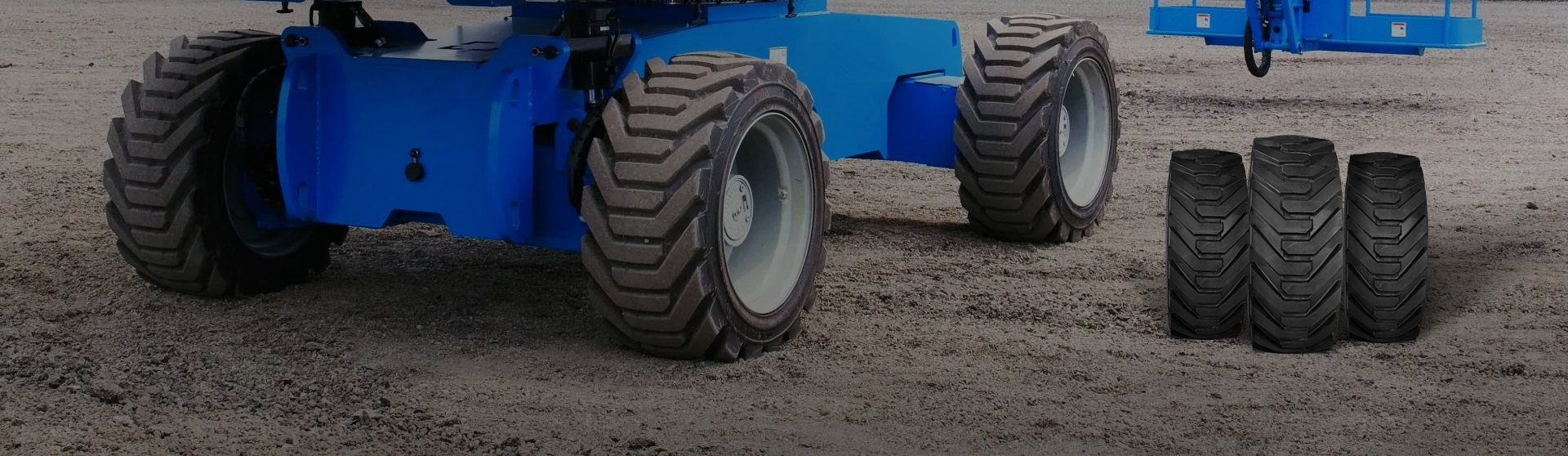

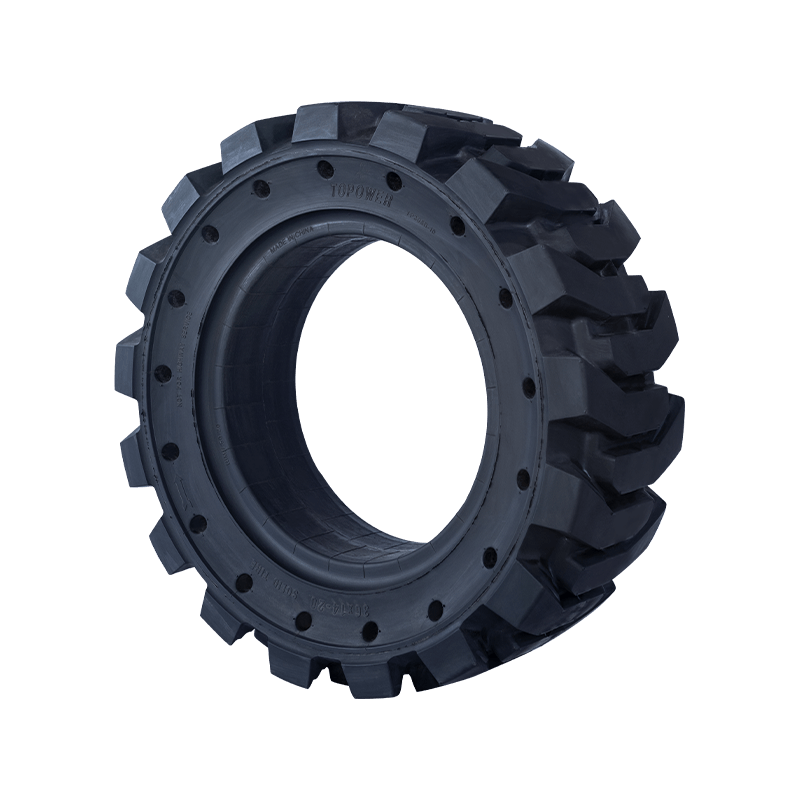
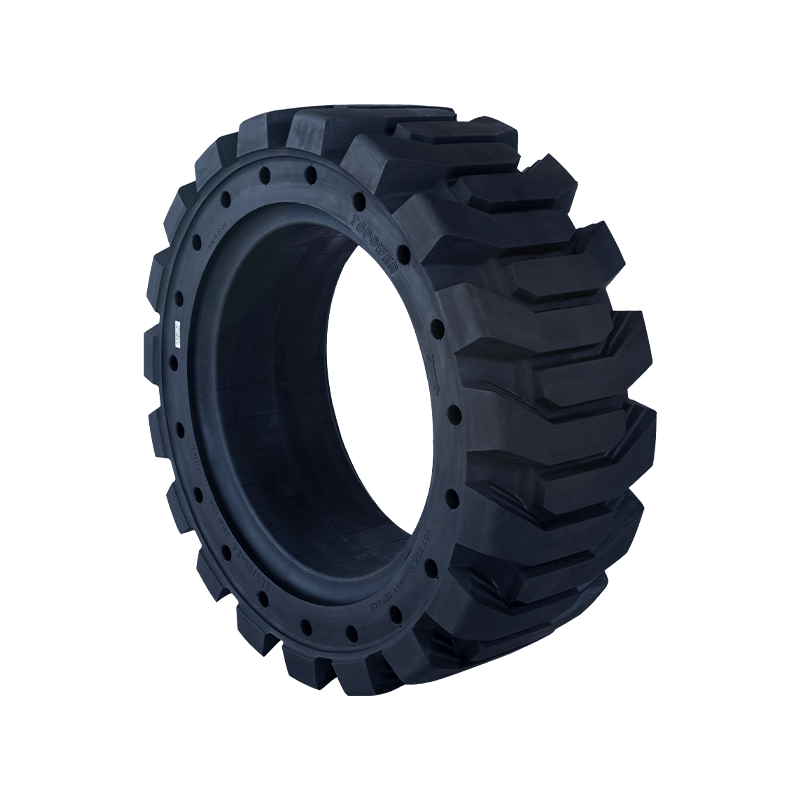
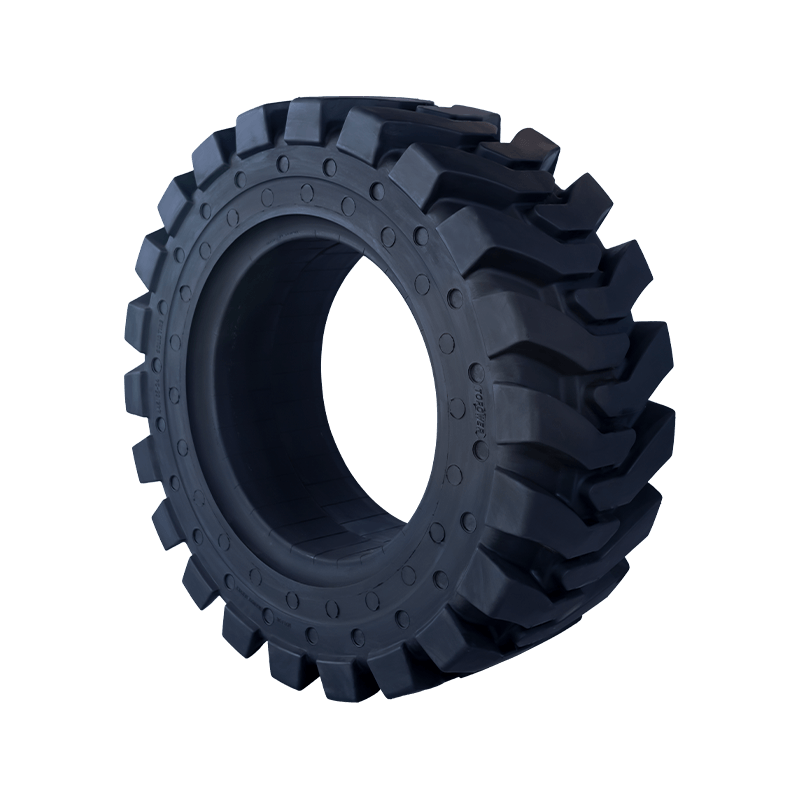
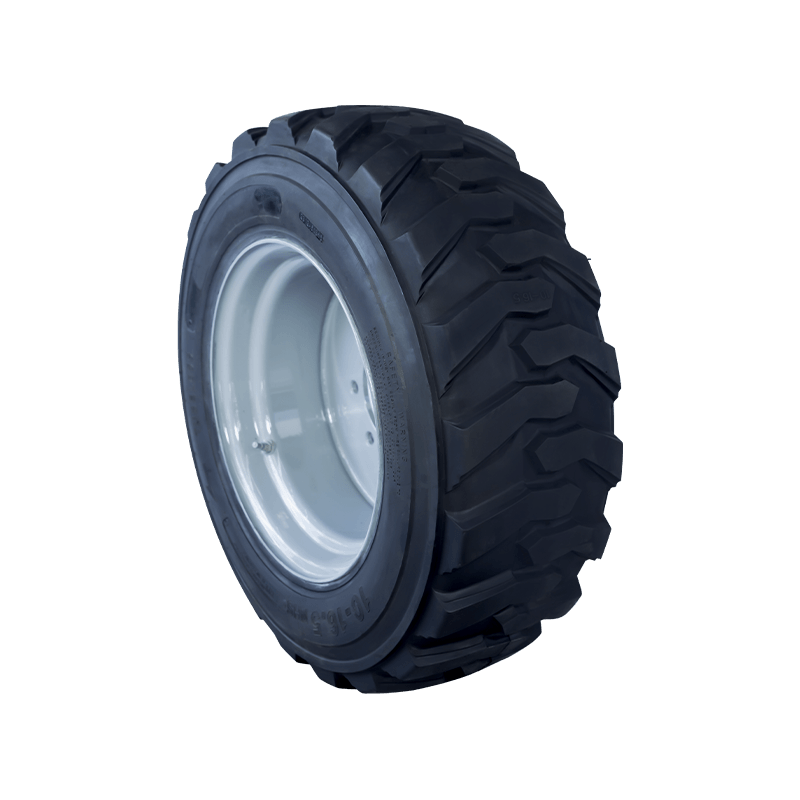
As global industries shift toward more demanding duty cycles, the integration of an additional support ring or insert attached to the wheel has become the gold standard for supporting the weight of a vehicle in the event of a sudden loss of pressure. This comprehensive report explores how these polymer-based systems provide an unsurpassed ability to carry heavy vehicle loads for long distances at high speeds, even with zero internal air pressure.
How Does the Support Ring System Defy Pressure Loss?
The core architecture of a high-performance run-flat system relies on a sophisticated mechanical interface between the wheel rim and the tyre casing. Unlike "self-supporting" tyres that rely on reinforced sidewalls, the Support Ring System utilizes a physical internal component—the Polymer Run Flat Insert.
Mechanics of Immediate Load Transfer
When a tyre loses its inflation pressure, the internal support ring takes over the load-bearing duties. In this system:
Direct Load Path and Structural Support: The weight of the vehicle is transferred from the wheel rim directly onto the apex of the polymer insert, effectively bypassing the collapsed and weakened sidewalls. This mechanical bridge ensures that the vertical load is supported by a rigid internal structure rather than the flexible rubber casing, preventing the rim from grinding into the ground.
Tread Profile Integrity and Footprint Management: The insert prevents the tyre from collapsing entirely or folding under the wheel rim, maintaining a consistent and functional "footprint" of the tread on the road surface. This preservation of the tyre’s shape is essential to ensure precise steering control and braking efficiency during zero-pressure maneuvers.
High-Torque Bead Retention Systems: High-quality polymer inserts are meticulously engineered to keep the tyre bead securely seated against the rim flange. By locking the tyre in place, these systems prevent the rubber from spinning on the wheel or slipping off entirely during high-torque maneuvers, aggressive cornering, or emergency braking scenarios.
Why High-Performance Polymers?
The shift from traditional metal or heavy rubber inserts to advanced Polymer Run Flat Inserts is driven by weight-to-strength ratios. Modern polymers provide the necessary rigidity to support multi-ton armored vehicles while remaining light enough to minimize unsprung mass, thereby protecting the vehicle’s suspension and drivetrain longevity.
Is Your Fleet Ready for Unsurpassed Load-Carrying Challenges?
One of the most significant advantages of the Polymer Run Flat Insert is its unsurpassed ability to carry heavy vehicle loads. In sectors where vehicles frequently operate at their Maximum Authorized Mass (MAM), a standard flat tyre would result in immediate immobilization.
High-Speed Endurance Under Zero Pressure
Traditionally, run-flat systems were limited to low speeds (typically 50 km/h) for short distances. However, advanced polymer formulations allow for:
Thermal Management and Heat Dissipation Technology: During run-flat operation, the intense friction between the tyre interior and the insert generates massive amounts of kinetic heat. Modern polymer inserts are now designed with exceptional thermal resistance and heat-wicking properties, allowing vehicles to maintain speeds of 80 km/h or higher without the insert deforming, melting, or suffering structural breakdown.
Extended Mission Range for Tactical Safety: In the event of a sudden pressure loss, these advanced systems allow for operational distances exceeding 50km to 100km, depending on the vehicle load and road conditions. This extended range is critical for military "escape and evade" scenarios where stopping in a hostile environment is not an option.
Reliability in Armored and Industrial Sectors
From armored cash-in-transit vans to high-capacity industrial transporters, the support ring system ensures that the vehicle remains controllable. The rigidity of the polymer provides a predictable handling characteristic, preventing the "wallowing" effect common in other run-flat technologies.
Operational Security: How Does a "Zero-Downtime" Strategy Benefit Fleet Managers?
For fleet managers and security coordinators, the Polymer Run Flat Insert is more than a safety component; it is a strategic asset.
Defense and Tactical Advantage
In the defense sector, "mobility is life." Ballistic attacks often target the tyres to immobilize a convoy. By utilizing a Run-Flat Support Ring, armored SUVs and troop carriers can navigate through "kill zones" despite multiple hits to the tyres. The polymer material is often chosen for its ability to absorb impact without shattering, unlike brittle metallic alternatives.
In deep-pit mining or remote construction sites, a flat tyre on a heavy-duty truck can halt production for hours. The cost of downtime in these environments can reach thousands of dollars per minute. By equipping these vehicles with Heavy-Duty Polymer Inserts, operators can drive the vehicle back to a maintenance depot for a controlled tyre change, eliminating the need for dangerous and time-consuming field repairs.
What Is Driving the Global Run-Flat Insert Demand?
The global market for run-flat technology is experiencing a CAGR (Compound Annual Growth Rate) of over 7% as safety regulations tighten and the demand for armored civilian vehicles rises.
Critical Success Drivers:
Emergency First Response and Disaster Relief: Firefighting, tactical police units, and rapid-response disaster relief vehicles are increasingly adopting support ring systems. These inserts ensure that emergency teams reach their destinations without delay, despite navigating through debris-filled roads or over sharp rubble in disaster zones.
What Are the Professional Standards for Installation?
Installing a Polymer Run Flat Insert requires specialized equipment and technical expertise. Because the insert is attached directly to the wheel, the process typically involves:
Rim Precision Preparation and Verification: Ensuring the wheel rim is perfectly compatible with the support ring mounting hardware and checking for any structural micro-fissures that could compromise the airtight seal or the physical attachment of the insert.
Hydraulic Seat Positioning and Compression: Utilizing a specialized industrial hydraulic press to carefully seat the polymer ring within the tyre cavity. This ensures the insert is perfectly centered, preventing wheel balance issues that could lead to dangerous vibrations at high speeds.
Friction-Reduction and Thermal Lubrication: Applying proprietary, high-temperature "run-flat lubricants" to the interface between the tyre's inner liner and the polymer insert. This critical step reduces internal friction and heat buildup during emergency operation, significantly extending the run-flat range.
Life-Cycle Maintenance Protocols
While the inserts themselves are largely maintenance-free, they must be inspected whenever the tyre is replaced. Signs of "scuffing" or thermal discoloration on the polymer indicate that the system has been utilized and may require replacement to ensure continued reliability.
Polymer Inserts vs. Self-Supporting Systems
|
Key Decision Metric |
Polymer Run Flat Insert |
Self-Supporting |
|
Load Capacity |
Extremely High (Up to 10+ tons) |
Moderate (Passenger Vehicles) |
|
Flat-Running Speed |
High Speed (80+ km/h) |
Limited (50-80 km/h) |
|
Endurance Distance |
Long Distance (50km - 100km+) |
Short Distance (Max 80km) |
|
Ride Comfort |
Similar to Standard Tyres |
Often Harsh/Stiff |
|
Wheel Requirement |
Requires Specific Support Ring Rim |
Standard Rims |
Why Investing in High-Load Resilience Is Non-Negotiable?
Choosing a Polymer Run Flat Insert is an investment in resilience. Whether it is a government convoy protecting high-level officials or a logistics firm ensuring that critical cargo arrives on time, the ability to maintain mobility under pressure is priceless.
The "Run-flat tire with support ring" system stands as a testament to engineering excellence, offering an unsurpassed ability to carry heavy vehicle loads for long distances at high speeds. As we look toward a future of autonomous heavy transport and increased global security challenges, the polymer support ring will remain the silent guardian of the road, ensuring that no matter the obstacle, the wheels keep turning.