 English
 русский
 Español
 عربى
عربى
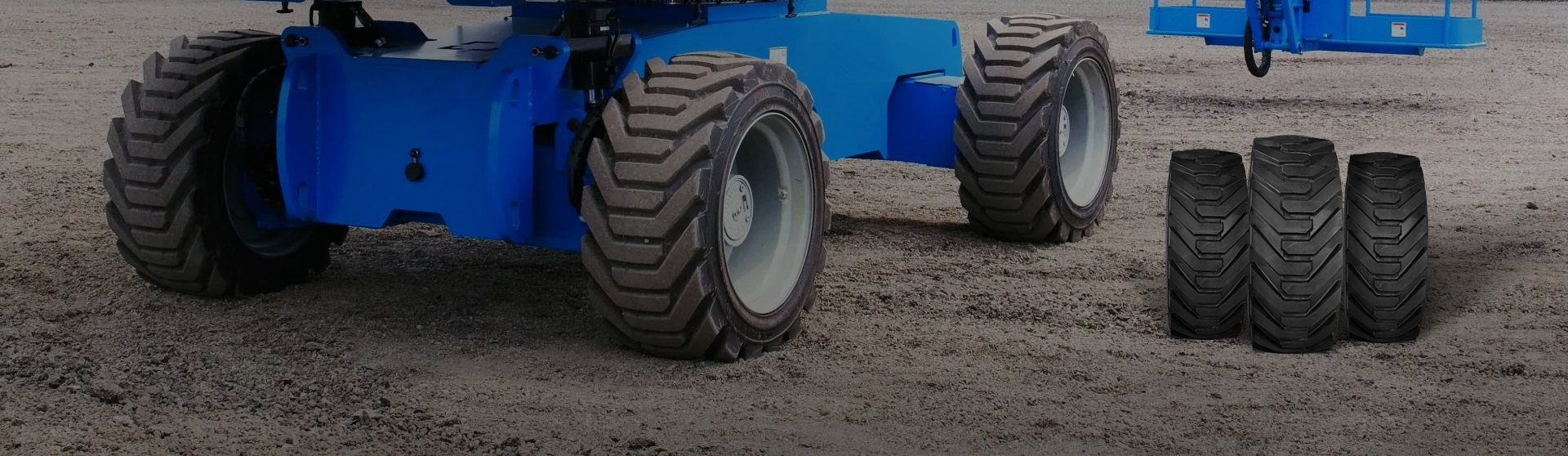

Understanding the weight and mechanical properties of a Foam Filled Tire is essential for fleet managers and equipment operators who prioritize maximum uptime. While these tyres offer total flat-proofing, their unique density and mass significantly impact machine stability and performance.
What is a Foam Filled Tire?
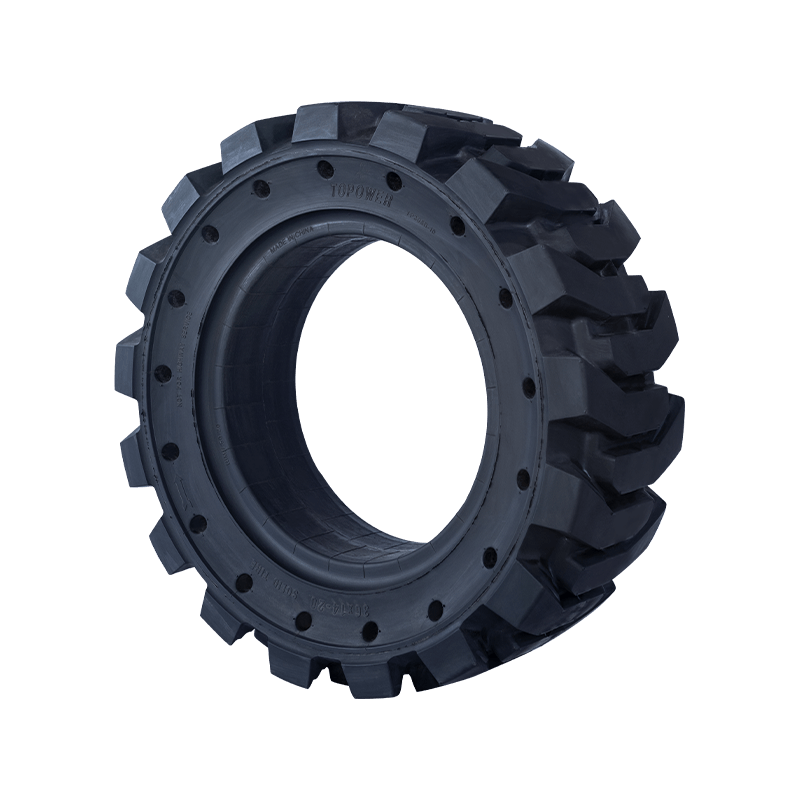
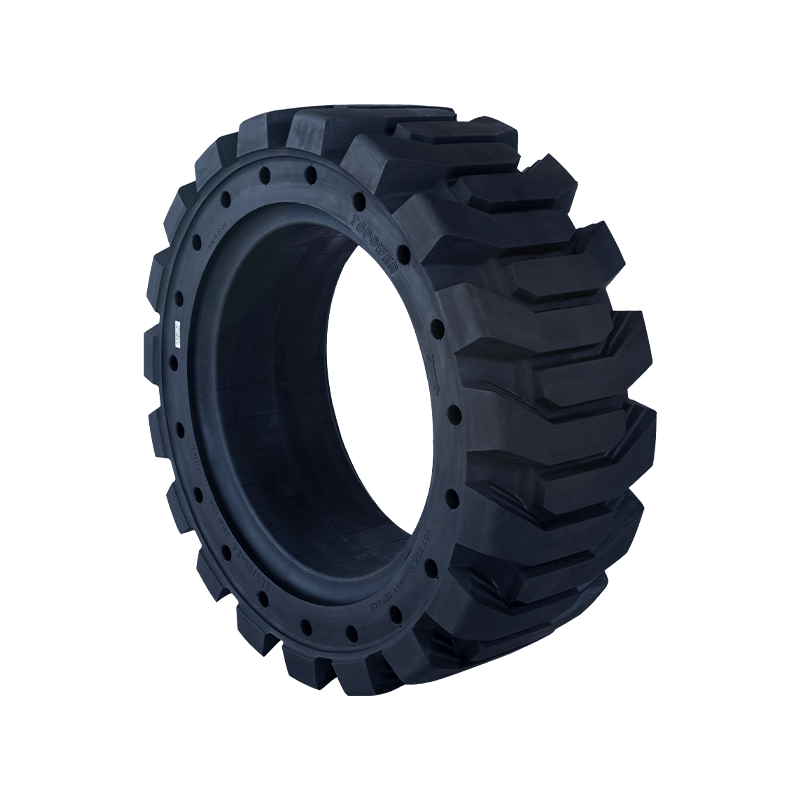
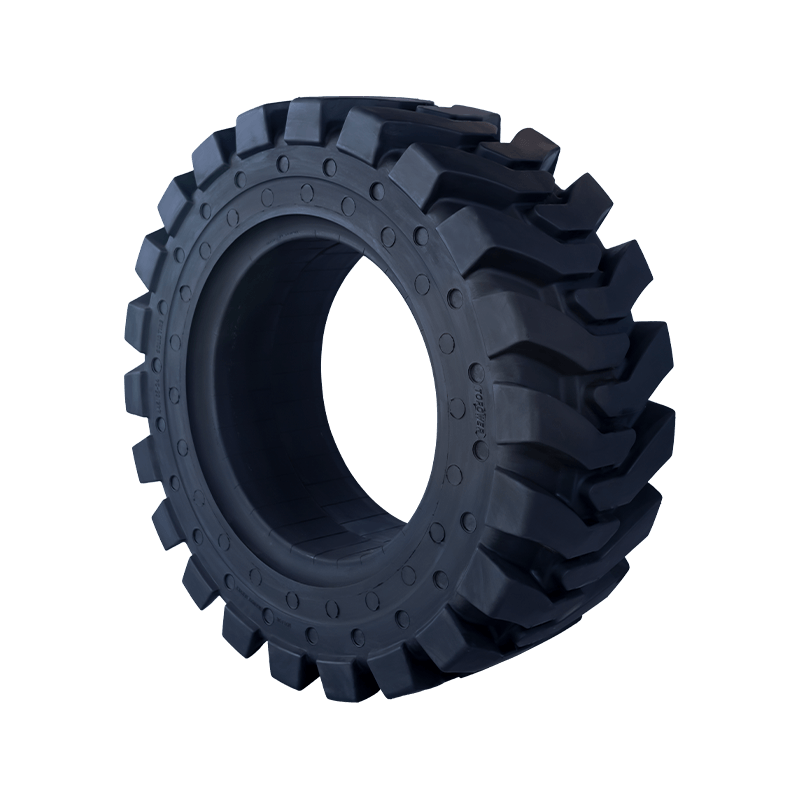
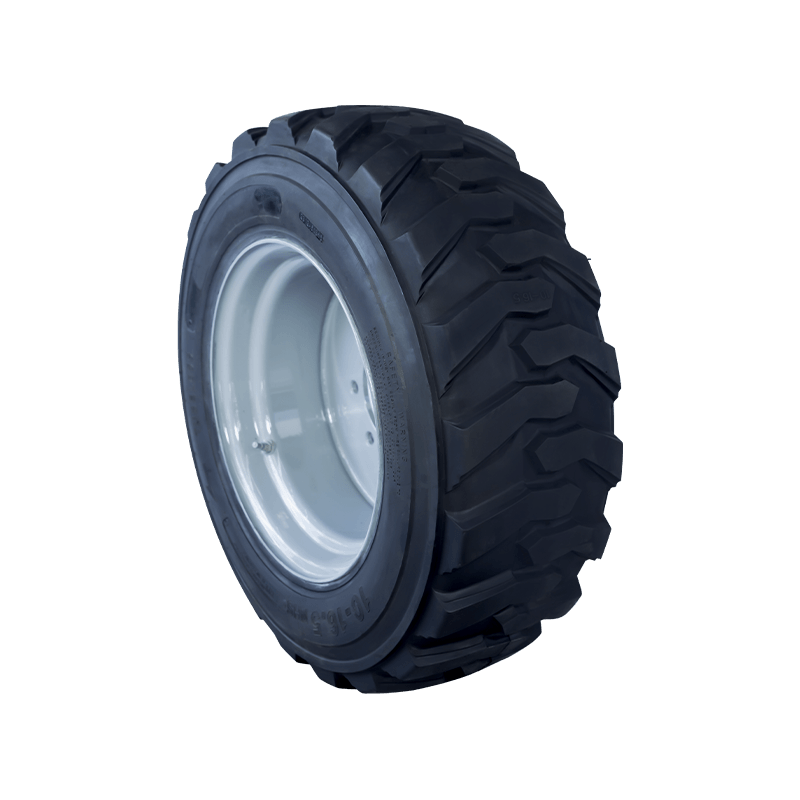
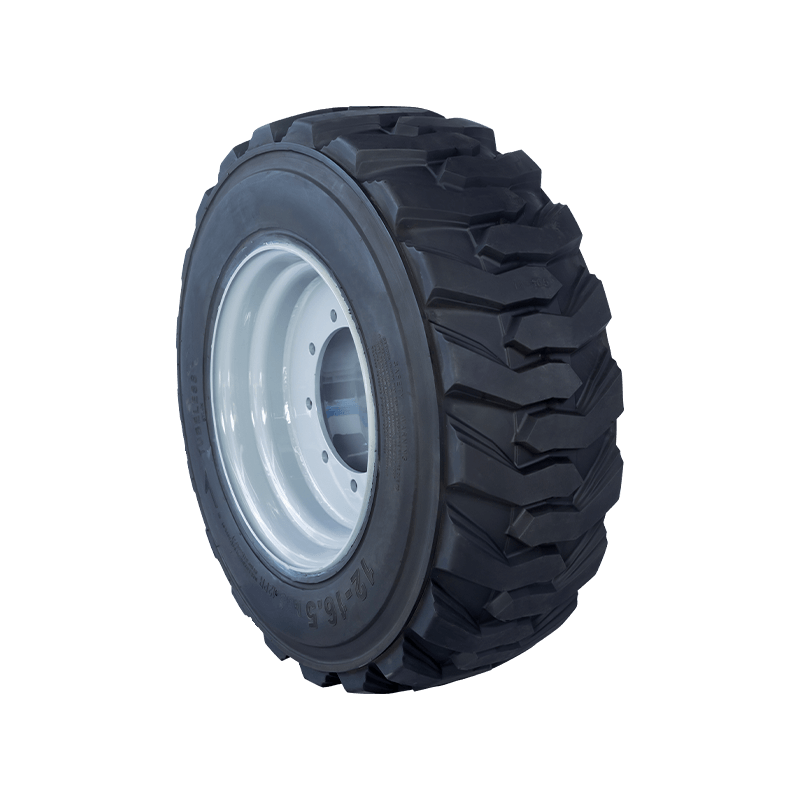
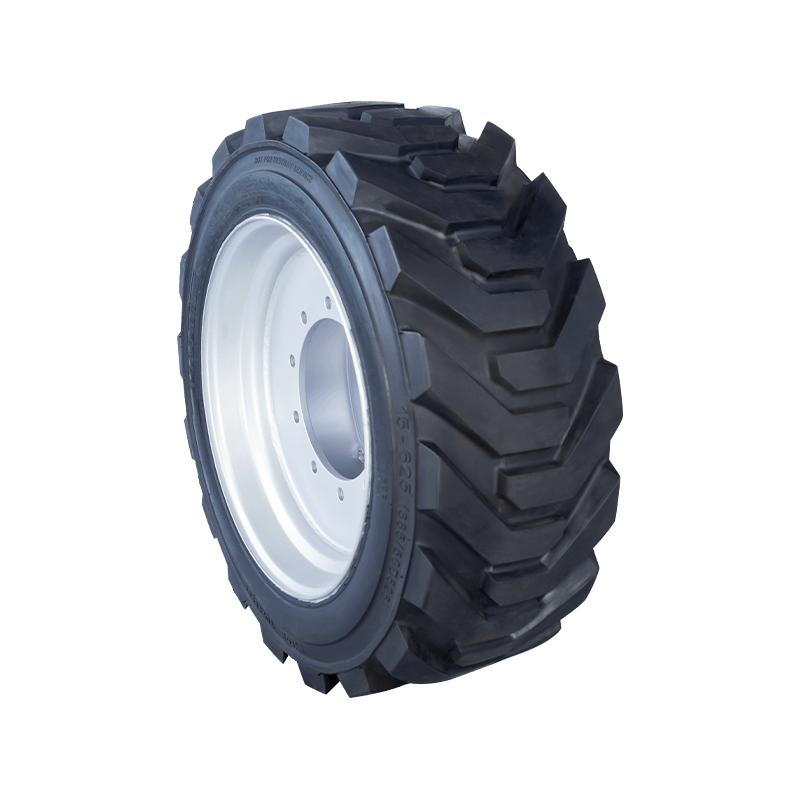
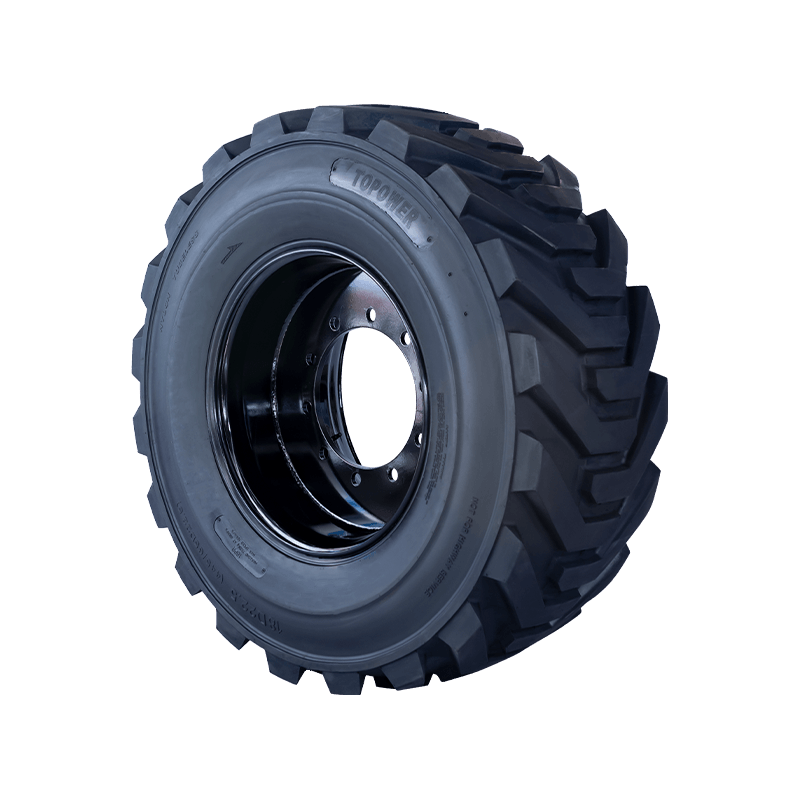
A Foam Filled Tire (often referred to as a PU Foam Filled tyre) starts its life as a standard pneumatic tyre. Instead of being filled with compressed air, the casing is injected with a specialized two-part liquid polyurethane (PU) elastomer. Once injected through the valve stem, the liquid cures into a solid, synthetic rubber-like core within 24 to 48 hours.
This process transforms a vulnerable air-filled tyre into a "flat-proof" powerhouse. Because the volume is entirely occupied by a resilient elastomer, the tyre can withstand punctures from nails, jagged rocks, and even rebar without losing its structural shape or pressure.
How Heavy is a Foam-Filled Tire?
Air has negligible weight, whereas the PU foam used in a PU Foam Filled tyre typically has a density ranging from 0.95 to 1.05 g/cm³. Essentially, you are replacing "nothing" with a solid mass of synthetic rubber.
The Weight Formula
While the exact weight varies by tyre size and the specific brand of fill, the added weight can be estimated by calculating the internal volume of the tyre. For most industrial tyres, a foam-filled version will weigh 3 to 5 times more than its pneumatic counterpart.
Why the Extra Weight Matters
The added mass of a Foam Filled Tire acts as a "liquid ballast." This is often a deliberate engineering choice for:
Lowering the Center of Gravity: By concentrating significant mass at the lowest physical point of the chassis, foam-filled tires effectively pull the machine's center of gravity downward. This provides a critical safety margin during high-lift operations, significantly reducing the risk of tipping or swaying when the mast or boom is fully extended.
Counterweight Efficiency: In heavy-duty equipment like telehandlers, boom lifts, and cranes, the heavy tires serve as an integrated counterweight system. This added low-end mass helps balance the leverage created by the extended weight of the arm and cargo, allowing for safer load handling at greater reaches.
Traction Enhancement: The massive increase in downward pressure forces the tire's tread to "bite" more aggressively into the ground surface. This results in superior traction on soft, muddy, or slippery industrial floors, ensuring that the machine maintains consistent drive power and braking performance even in unfavorable conditions.
Weight Comparison Table: Pneumatic vs. PU Foam Filled Tyre
To help you plan your shipping and equipment logistics, here is a comparison of common industrial tyre sizes when filled with polyurethane foam.
|
Tyre Size |
Pneumatic Weight (Approx. kg) |
Foam-Filled Weight (Approx. kg) |
Added Weight per Tyre (kg) |
|
10-16.5 (Skid Steer) |
25 kg |
95 - 110 kg |
+70 - 85 kg |
|
12-16.5 (Skid Steer) |
32 kg |
120 - 145 kg |
+88 - 113 kg |
|
14-17.5 (Backhoe/Lift) |
45 kg |
180 - 210 kg |
+135 - 165 kg |
|
17.5-25 (Earthmover) |
140 kg |
650 - 800 kg |
+510 - 660 kg |
|
23.5-25 (Large Loader) |
250 kg |
1,200 - 1,500 kg |
+950 - 1,250 kg |
|
12.00-24 (Crane) |
90 kg |
450 - 550 kg |
+360 - 460 kg |
The Engineering Advantages of PU Foam Filled Tyres
Beyond the obvious benefit of being puncture-proof, a Foam Filled Tire offers several technical advantages that improve the lifecycle of industrial machinery.
Constant Pressure Performance
Unlike pneumatic tyres, which lose pressure over time or due to temperature fluctuations, a PU Foam Filled tyre maintains a constant "simulated" pressure. This ensures that the machine always operates at the manufacturer’s intended footprint, reducing uneven tread wear and improving fuel efficiency on hard surfaces.
Heat Dissipation and Speed Ratings
Modern PU fill is engineered to manage heat buildup. While solid rubber tyres often struggle with heat during long-distance travel, high-quality foam fill allows the tyre to flex and dissipate heat more effectively, making it suitable for machines that move at moderate speeds across job sites.
Shock Absorption (G-Force Reduction)
A common misconception is that foam-filled tyres are as hard as stone. In reality, the "Durometer" (hardness) of the fill can be customized. Soft-fill options provide excellent shock absorption, protecting the machine's axle and the operator from the jarring vibrations typical of solid tyres.
Critical Application Scenarios
Where does the weight of a Foam Filled Tire provide the most value?
High-Altitude Access (Boom Lifts & Scissor Lifts):
Safety is the number one priority for Aerial Work Platforms (AWP). A blowout at a 40-foot height is catastrophic. Industry leaders like JLG and Genie almost exclusively use PU Foam Filled tyres to ensure the machine remains upright and stable regardless of ground debris.
Demolition and Scrap Handling:
In environments filled with sharp metal, broken glass, and rebar, a pneumatic tyre wouldn't last an hour. Foam filling allows skid steers and loaders to drive directly over hazardous materials without any risk of a flat, keeping the project on schedule.
Underground Mining:
Mining operations face extreme pressure and sharp rock hazards. The maintenance-free nature of foam-filled tyres means that a machine doesn't have to be hauled out of a deep tunnel just for a tyre repair, saving thousands of dollars in labor and lost production time.
Maintenance and Lifecycle Considerations
While a Foam Filled Tire is technically "maintenance-free" regarding air pressure, there are still best practices to maximize its lifespan:
Monitor Tread Depth: Since the tyre cannot go flat, operators often run them until they are completely bald. It is important to replace the casing before the rubber wears down to the carcass to maintain traction.
Inspect for Chunking: In extremely harsh conditions, chunks of rubber may be torn from the tread. Small nicks are fine, but large "gouges" can affect the balance of the wheel.
Rim Integrity: Because the tyre is much heavier, the stress on the rim and bolts is increased. Regular torque checks on the lug nuts are highly recommended.