 English
 русский
 Español
 عربى
عربى
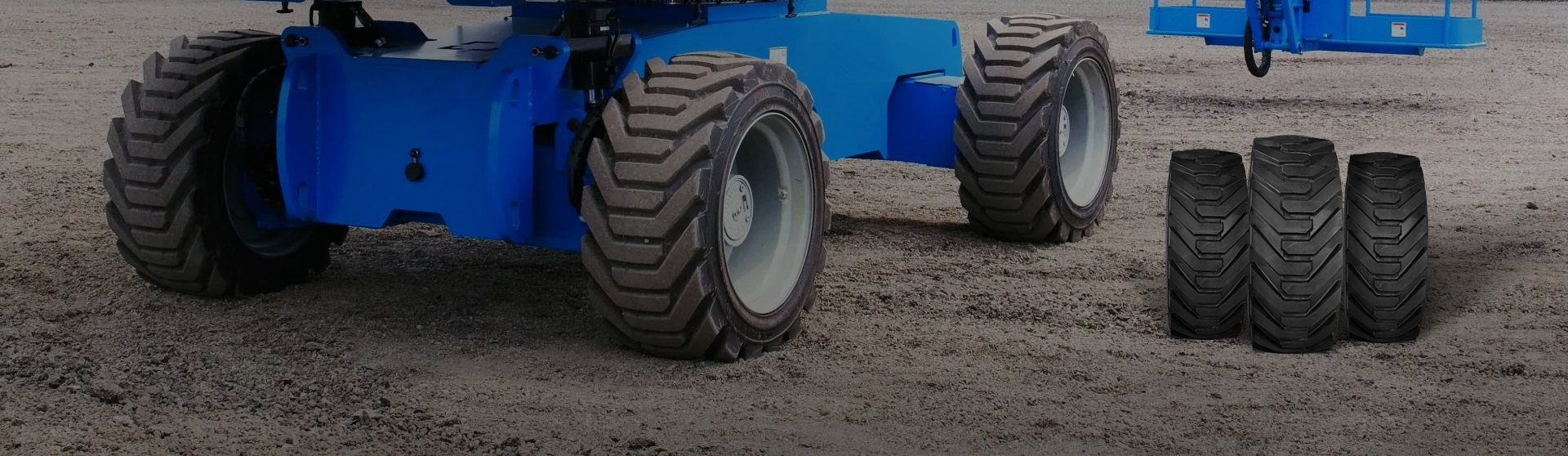

The choice between pneumatic tires and solid tires is one of the most consequential equipment decisions for any industrial materials handling, construction, or logistics operation. These two tire technologies differ fundamentally in their construction, their physical behavior under load and over surface irregularities, and the operating environments where each performs at its best. For forklift operators, fleet managers, warehouse supervisors, and equipment procurement specialists, understanding the practical differences between pneumatic tires vs solid tires, the specific advantages of solid forklift tires, and the correct interpretation of industrial tire size designations such as the 7.00-15 tire size is not academic knowledge but a direct driver of equipment productivity, tire replacement cost, and operational safety.
The direct conclusion is this: pneumatic tires are the correct choice for outdoor applications on rough, uneven, or unpaved surfaces where shock absorption and traction on varied terrain are critical; solid tires and solid rubber wheels are the correct choice for indoor and smooth surface industrial applications where puncture risk, maintenance downtime, and load capacity consistency take priority over cushioning performance. Solid forklift tires in particular eliminate the risk of flat tire induced load drops, provide consistent load capacity throughout their service life, and significantly reduce per kilometer tire costs in high cycle warehouse operations compared to pneumatic alternatives. This article addresses what a pneumatic tire is, how it differs from a solid tyre, the definition and industrial applications of solid rubber wheels, the 7.00-15 tire size specification, and the full practical comparison of pneumatic tires vs solid tires across all relevant industrial contexts.
What Is a Pneumatic Tire: Construction, Function, and Industrial Use
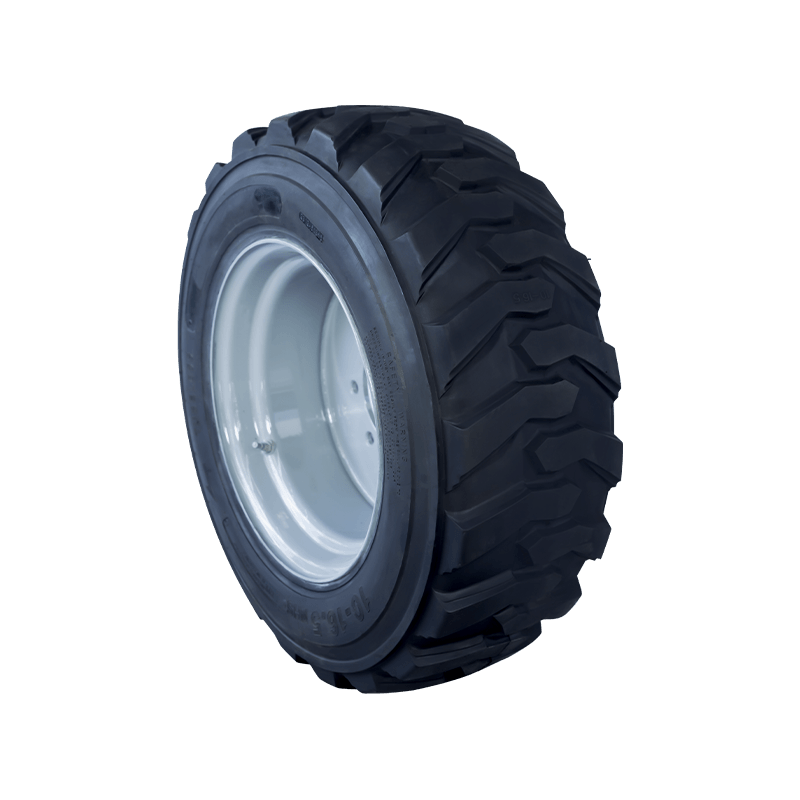
A pneumatic tire is a tire that uses compressed air contained within its structure to support the load applied to the wheel and to cushion the vehicle against the shocks and vibrations of the operating surface. The word pneumatic derives from the Greek word for air or breath, and the defining characteristic of all pneumatic tires is the presence of a pressurized air cavity that acts as a compliant spring between the hard wheel rim and the road or operating surface.
The Internal Structure of a Pneumatic Tire
A pneumatic tire consists of several structural layers working together to contain the air pressure and transmit loads between the wheel rim and the ground contact patch:
- The bead: The innermost edge of the tire, constructed from high tensile steel wire embedded in rubber. The bead seats against the wheel rim and prevents the tire from sliding off the rim under lateral forces. Bead construction determines the rim compatibility of the tire and is a critical safety dimension: a tire mounted on an incompatible rim can unseat the bead explosively if the tire loses pressure rapidly.
- The carcass plies: Layers of rubber coated cord fabric (historically cotton, now primarily rayon, nylon, polyester, or steel) that provide the structural strength of the tire body. The number of plies, the cord material, and the cord angle relative to the tire circumference determine the tire's load capacity, stiffness, and resistance to flexing fatigue. Industrial pneumatic tires for forklifts and heavy equipment typically have higher ply ratings than automotive tires to support the concentrated loads of industrial equipment.
- The belt package (in radial tires): A set of steel or fabric belt layers positioned between the carcass and the tread, running at a low angle to the tire circumference. The belt package restricts tread area expansion under centrifugal force, stabilizes the tread contact patch geometry, and provides resistance to puncture from objects penetrating through the tread into the interior air cavity.
- The inner liner: A layer of low permeability rubber on the inner surface of the tire body that retains the compressed air. In tubeless pneumatic tires, this inner liner replaces the separate inner tube used in tubed tire constructions. The integrity of the inner liner determines how well the tire holds its inflation pressure over time between inflation checks.
- The tread: The outermost rubber layer of the tire that contacts the ground. Tread compound composition, tread pattern geometry, and tread depth together determine the tire's grip on different surface types, its resistance to wear, and its ability to channel water away from the contact patch on wet surfaces.
How Pneumatic Tires Absorb Shock and Support Load
The load carrying mechanism of a pneumatic tire depends on the air pressure inside the tire acting against the tire sidewalls and inner surface area to support the weight applied to the wheel. As the tire contacts the ground, the portion of the tire in the contact patch flattens slightly, increasing the contact area until the upward reaction force from the ground equals the downward load on the wheel. A pneumatic tire inflated to 8 bar (116 PSI) in a forklift application with a contact patch area of 200 cm2 generates approximately 16,000 Newtons (approximately 1,630 kg) of load carrying capacity from the air pressure alone, with the tire structure contributing additional capacity through the stiffness of the carcass. The compliance of the pressurized air column allows the tire to deflect as it encounters surface irregularities such as expansion joints, speed bumps, and debris on the floor, absorbing the shock energy in the elastic deformation of the air and the tire body rather than transmitting it rigidly to the vehicle structure and the load being carried.
Bias Ply vs Radial Pneumatic Tires in Industrial Applications
Industrial pneumatic tires are produced in two structural configurations that differ in how the carcass cords are oriented relative to the tire's direction of travel. Bias ply (also called cross ply) tires have cords running at 30 to 45 degrees to the circumferential direction, alternating between adjacent layers to form a strong, stable structure with good resistance to sidewall damage. Radial tires have cords running perpendicular to the circumferential direction (radially from bead to bead), with a separate belt package stabilizing the tread area. Radial industrial tires typically show 20 to 40 percent better tread wear life than equivalent bias ply tires in forklift applications, generate less heat during operation (reducing blowout risk), and provide more uniform tread contact pressure than bias ply construction. For high duty cycle outdoor forklift applications where tire wear cost is a significant operating expense, radial pneumatic tires offer better total cost of ownership despite their higher purchase price.
Solid Tyre and Solid Rubber Wheel: Definition, Construction, and Industrial Applications
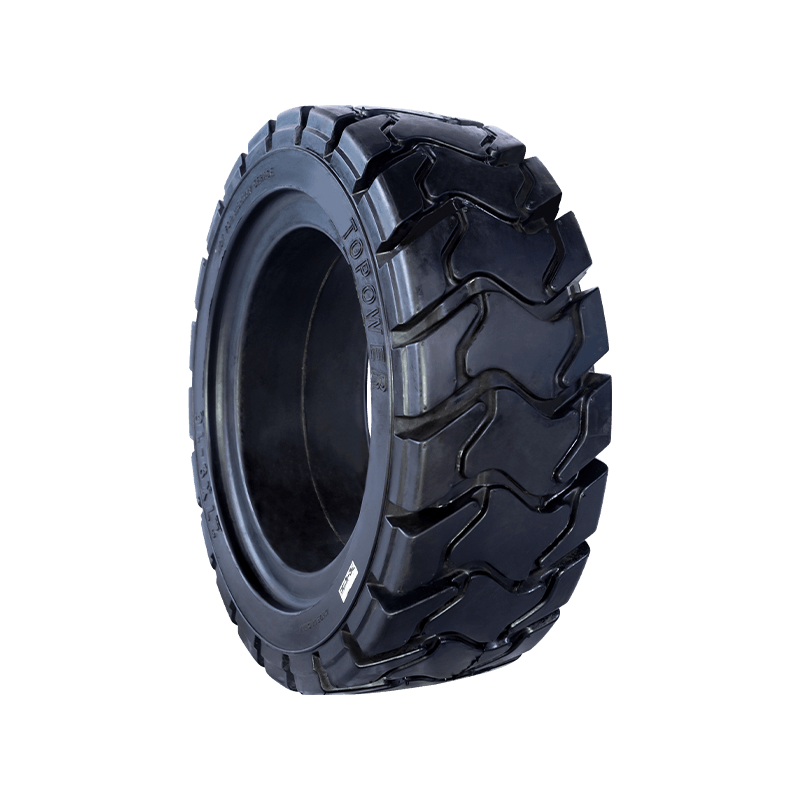
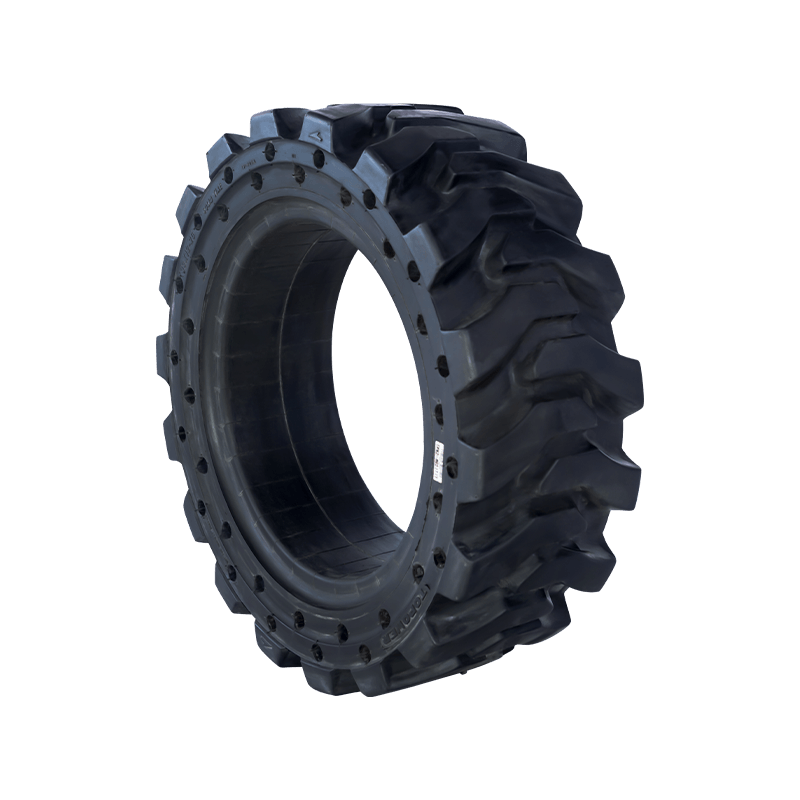
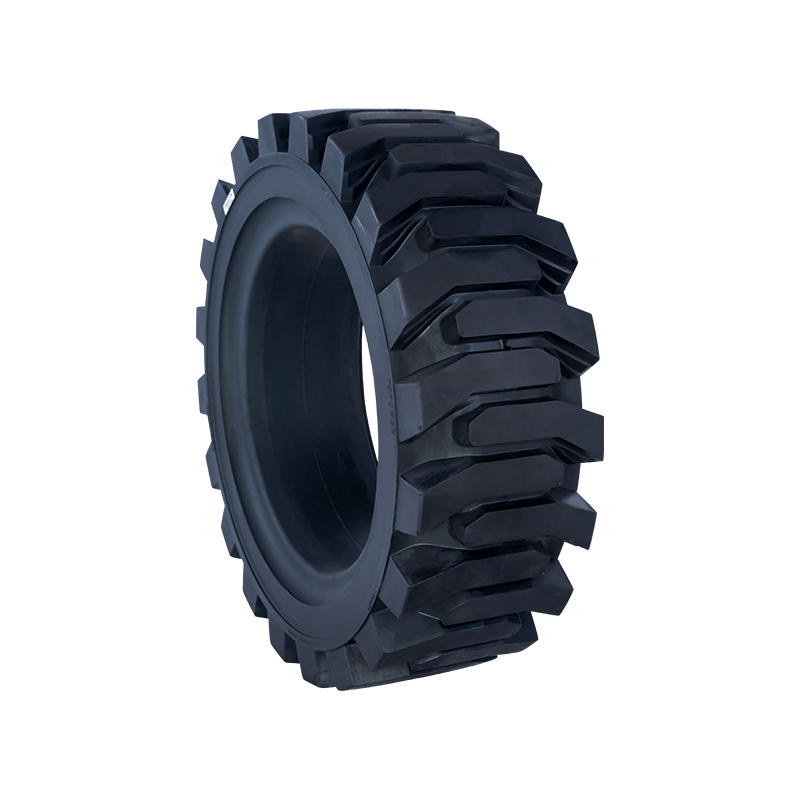
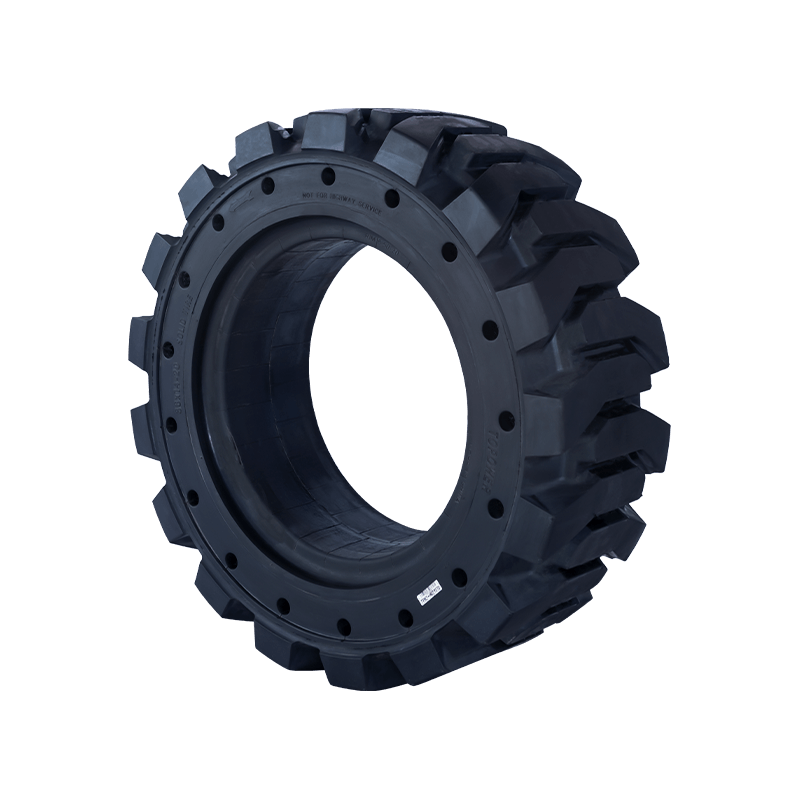
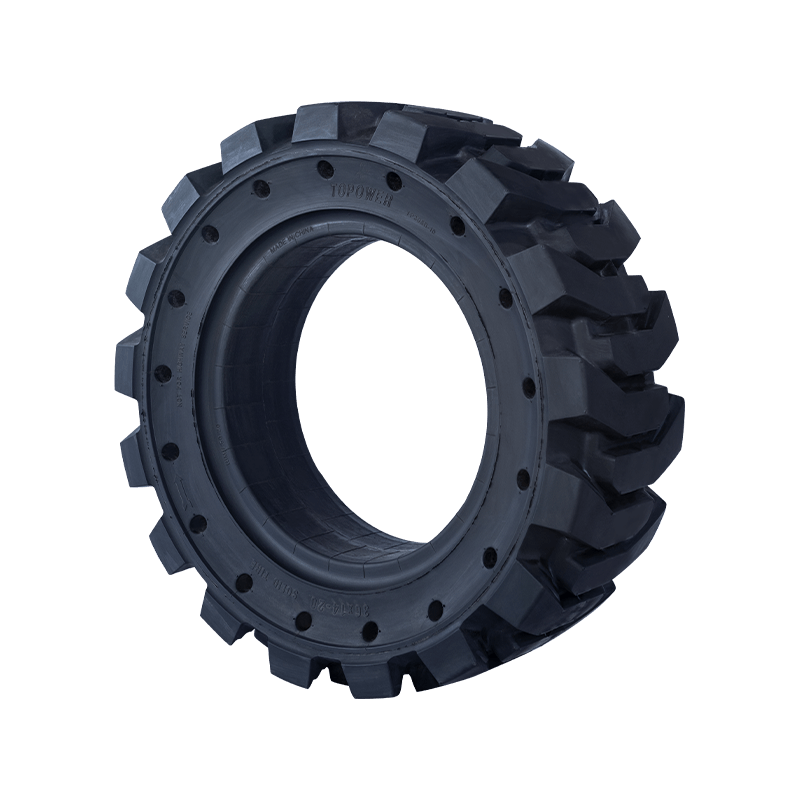
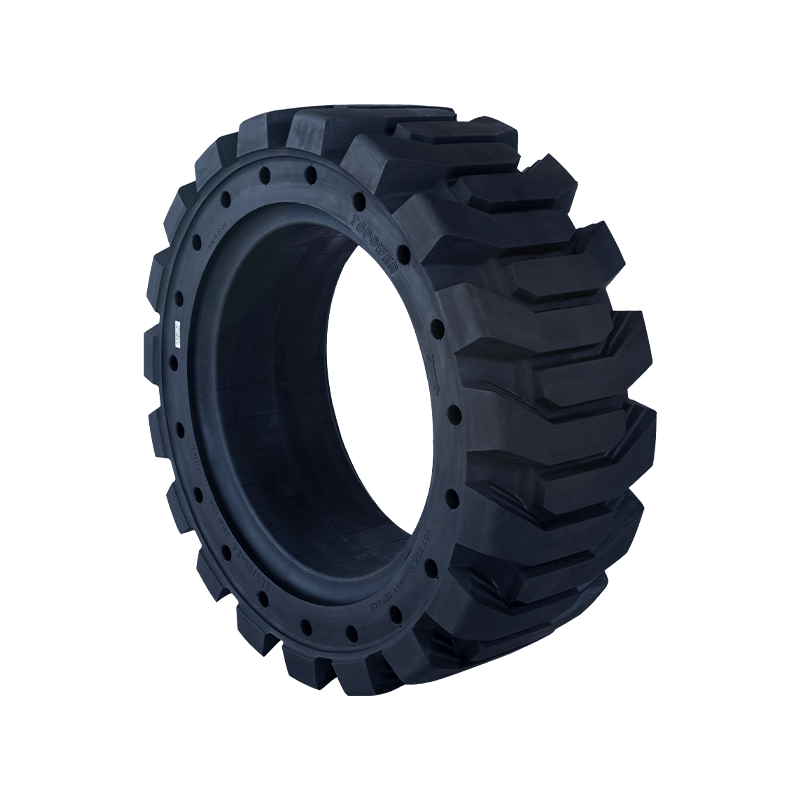
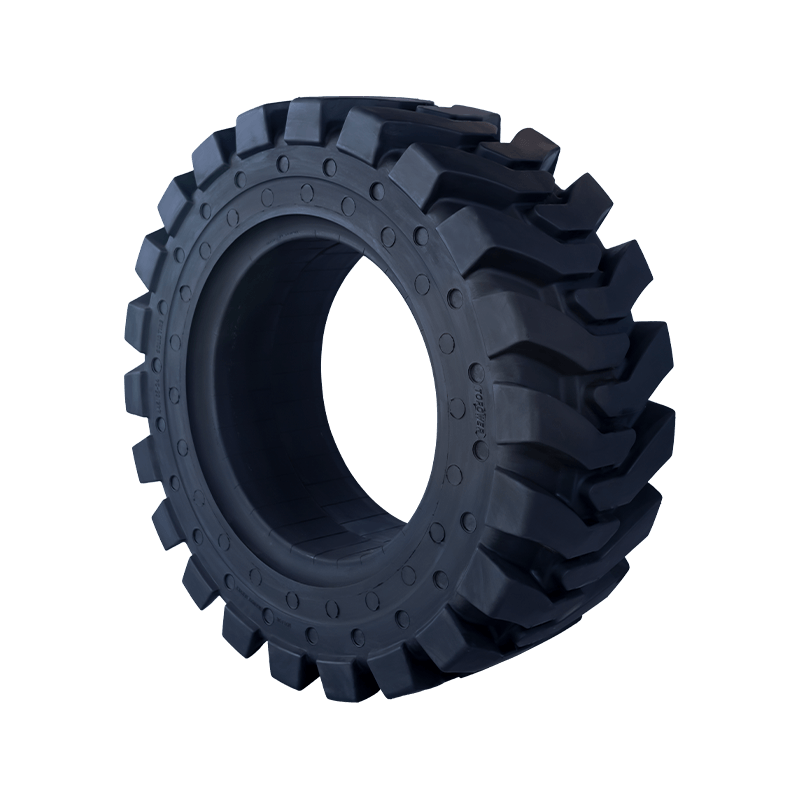
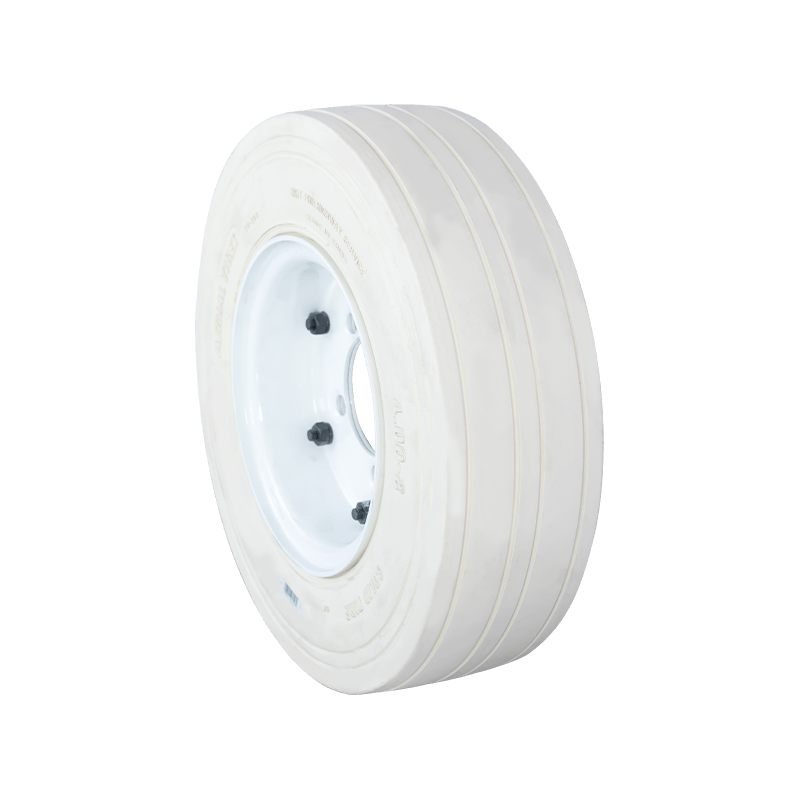
A solid tyre is a tire manufactured entirely from rubber and reinforcing materials without any internal air cavity. There is no air to lose, no inner tube to puncture, and no inflation pressure to maintain. The load is supported entirely by the elastic compression and deformation of the solid rubber mass, which acts as a viscoelastic spring with fundamentally different deflection and energy absorption characteristics from the air spring mechanism of a pneumatic tire.
Solid Rubber Wheel Definition
A solid rubber wheel is a complete wheel assembly in which the tire and wheel body are either a single molded rubber component or a rubber tire bonded or mechanically pressed onto a steel or cast iron center. The solid rubber wheel definition in industrial contexts encompasses both the rubber bonded to steel press on wheel used in forklift applications and the fully rubber molded wheel used in pallet trucks, carts, and light industrial equipment. The key defining characteristic of all solid rubber wheels is the absence of any air cavity and the consequent immunity to puncture failure, which is the primary reason for their selection in industrial environments where floor contamination with metal swarf, nails, broken glass, and other sharp debris makes pneumatic tire punctures a frequent and costly operational problem.
Construction of Solid Forklift Tires
Solid forklift tires used on counterbalance forklifts and reach trucks are typically produced in a multi layer construction that optimizes the conflicting requirements of cushioning compliance, load carrying capacity, and structural durability:
- The base layer (rim zone): A hard rubber compound bonded directly to the steel wheel rim, providing the structural connection between the tire and the rim and preventing slippage under the high torque loads of forklift drive applications. The hardness of the base layer is typically 75 to 85 Shore A, significantly harder than the outer tread layer, to resist the compressive and shear forces at the tire rim interface.
- The cushion layer (mid zone): A softer intermediate rubber compound that provides the primary deflection and energy absorption function of the solid tire. The compound hardness in the cushion zone is typically 55 to 65 Shore A, softer than the base layer to allow controlled deflection under load while maintaining adequate load capacity. This zone is the engineering equivalent of the air spring in a pneumatic tire, and its compound specification is the key variable that determines the ride quality and vibration transmission characteristics of the solid tire.
- The tread layer: The outermost rubber layer that contacts the operating surface. Tread compound hardness for solid forklift tires is typically 65 to 75 Shore A, harder than the cushion zone for wear resistance while softer than the base layer. The tread pattern may be smooth (press on solid tires for smooth warehouse floors) or lug patterned (for outdoor or rough surface applications requiring traction).
Quality solid forklift tires are mounted on the wheel rim using a hydraulic press that applies several tonnes of force to seat the tire bead against the rim flange, creating a mechanical interference fit that resists de mounting forces during operation. This press on mounting method is significantly more secure than the bead and air pressure mounting of pneumatic tires and eliminates the risk of the tire unseating under extreme lateral load conditions, which is a safety critical advantage in high cycle forklift operations involving rapid directional changes.
Industrial Applications of Solid Rubber Wheels and Solid Tires
Solid rubber wheels and solid tires are the standard specification across a wide range of industrial equipment categories, chosen in each case because their puncture immunity, consistent load capacity, and low maintenance requirements align with the operational priorities of the specific application:
- Warehouse counterbalance forklifts: The highest volume application for solid forklift tires. Warehouse forklifts operating on smooth concrete floors do not require the shock absorption of pneumatic tires, and the puncture immunity and extended service life of solid tires make them the economically and operationally superior choice in this environment. A quality solid forklift tire in a three shift warehouse operation can achieve 4,000 to 6,000 operating hours before replacement is required, compared to 2,000 to 3,000 hours for pneumatic alternatives on the same surface.
- Reach trucks and order pickers: The narrow aisle requirements and precise positioning demands of reach trucks and order pickers make solid tires essential, because any change in tire height caused by pressure loss in a pneumatic tire would affect the accuracy of the fork height positioning system relative to rack levels.
- Electric pallet trucks and stackers: Light to medium duty solid rubber wheels on pallet trucks and stackers in distribution and food processing environments must resist contamination from spillages, cleaning chemicals, and temperature extremes (in cold store operations) that would degrade pneumatic tire performance.
- Airport ground support equipment: Baggage tugs, belt loaders, and other apron equipment equipped with solid tires eliminate the risk of puncture induced service interruptions in an operational environment where equipment availability directly affects departure and arrival punctuality.
- Mining and recycling facilities: Solid rubber wheels on material handling equipment in metal recycling, glass recycling, and mining operations resist the severe puncture hazard from sharp metal and mineral fragments that would destroy pneumatic tires within hours of use.
The 7.00-15 Tire Size: Reading and Understanding Industrial Tire Dimensions
Industrial tires use a specific size designation system that encodes the key physical dimensions of the tire in a standardized format. The 7.00-15 tire size is one of the most common tire sizes in the industrial forklift market, and understanding what each element of this designation represents is essential for correct tire selection, replacement ordering, and rim compatibility verification.
Decoding the 7.00-15 Tire Size
The 7.00-15 designation follows the traditional industrial and agricultural tire sizing format of section width followed by rim diameter:
- 7.00: The section width of the tire in inches, measured as the widest point of the tire cross section (excluding any protective ribs or raised lettering). In the 7.00-15 tire size, the tire section width is 7.00 inches (approximately 178 mm). This dimension determines the contact patch width and the tire's lateral stability under cornering loads.
- 15: The rim diameter in inches. In the 7.00-15 tire size, the tire mounts on a 15 inch diameter rim. This is the critical dimension for rim compatibility: a tire designated 7.00-15 will only mount correctly on a rim with a 15 inch bead seat diameter. Attempting to mount a tire on a rim of a different diameter than specified in the size designation is dangerous and must never be attempted.
The 7.00-15 tire size is used on both pneumatic and solid tire configurations for forklifts in the 2 to 3.5 tonne capacity class. The same size designation applies to both tire types, though the physical dimensions of the mounted tire may differ slightly between pneumatic and solid versions because the solid tire has no air cavity deflection. When ordering replacement tires in the 7.00-15 size, specifying pneumatic or solid construction as well as the size designation is essential to ensure the correct product is supplied.
Ply Rating and Load Index in the 7.00-15 Context
In addition to the basic size designation, industrial tire specifications typically include a ply rating or load index that indicates the load carrying capacity of the tire at its rated inflation pressure. The 7.00-15 tire size is commonly available in 10 ply and 14 ply ratings for pneumatic versions, with higher ply ratings indicating higher load capacity and stiffer tire construction. A 7.00-15 10 ply tire is appropriate for standard duty forklift applications in the 2 to 2.5 tonne capacity range, while a 14 ply version in the same size is specified for heavier duty applications approaching the maximum capacity of the 7.00-15 size range. Selecting the correct ply rating for the actual operating load is as important as selecting the correct tire size.
Other Common Industrial Tire Size Formats
While the 7.00-15 designation follows the traditional inch based format, modern industrial tires increasingly use metric size designations (such as 200/50 10, meaning 200 mm section width, 50 percent aspect ratio, and 10 inch rim diameter) or the combination format used for certain telehandler and construction equipment tires. Understanding the sizing system in use for a specific piece of equipment is essential for correct tire selection, and any ambiguity about the correct size should be resolved by measuring the existing rim bead seat diameter and the tire section width before ordering replacement tires.
Pneumatic Tires vs Solid Tires: A Comprehensive Performance Comparison
The comparison between pneumatic tires vs solid tires for industrial equipment applications must be evaluated across multiple dimensions, because the correct choice depends on the specific combination of operating environment, equipment type, load profile, and operational priorities of each installation. The following table and analysis provide a structured comparison framework for making this decision.
| Performance Factor | Pneumatic Tires | Solid Tires and Solid Rubber Wheels |
|---|---|---|
| Puncture risk | Significant: any penetrating object can cause deflation and service interruption | Zero: no air cavity means no puncture failure mode |
| Shock absorption on rough surfaces | Excellent: air spring provides high compliance cushioning | Limited: rubber deflection provides some cushioning but significantly less than pneumatic |
| Load capacity consistency | Variable: depends on maintaining correct inflation pressure | Consistent throughout service life: no pressure to maintain |
| Maintenance requirement | Regular pressure checks; repair or replacement after punctures | Minimal: visual inspection only; no pressure maintenance |
| Service life on smooth floors | 2,000 to 3,000 hours (three shift warehouse) | 4,000 to 6,000 hours (three shift warehouse) |
| Floor surface compatibility | All surfaces including rough outdoor terrain | Smooth to moderately rough surfaces; not suited to uneven outdoor terrain |
| Floor damage risk | Low: compliant contact patch spreads load | Low on smooth floors; higher concentration loading on very hard tires |
| Initial purchase cost | Lower per unit | Higher per unit (typically 20 to 40 percent premium) |
| Total cost of ownership (warehouse use) | Higher: more frequent replacement and unplanned maintenance | Lower: longer service life and zero unplanned puncture costs |
Operating Environment Analysis: When to Choose Pneumatic and When to Choose Solid
The operating environment is the primary determinant of the correct tire type choice. No single tire type is superior across all conditions, and the consequences of making the wrong choice range from excessive wear costs and productivity losses to safety incidents caused by inadequate stability or insufficient shock absorption. The following analysis of specific industrial environments provides concrete guidance for the pneumatic vs solid tire decision.
Smooth Indoor Concrete or Asphalt Floors
Indoor warehouse floors with smooth concrete or asphalt surfaces are the optimal environment for solid forklift tires and solid rubber wheels. The surface provides consistent support for the hard solid tire tread without the uneven loading that would occur on broken or rough outdoor terrain. The absence of sharp debris penetration risk (which exists even on clean concrete floors due to pallet nails, strapping clips, and packing fragments) is a constant hazard that makes pneumatic tires a maintenance liability. In a typical three shift warehouse operation handling 200 pallet movements per day, a forklift equipped with pneumatic tires can be expected to experience 2 to 4 puncture events per month requiring unplanned service interruptions of 30 to 90 minutes each. Converting to solid forklift tires eliminates this unplanned downtime entirely, which at a conservative labor and production value of $50 per downtime hour represents an annual saving of $150 to $300 per truck from puncture avoidance alone, before accounting for the cost of the puncture repairs themselves.
Outdoor Paved Yards and Loading Docks
Outdoor paved yard environments present a more complex decision for pneumatic tires vs solid tires. The surface variations of outdoor paving, including expansion joints, patched sections, loading dock leveler plates, and the transition from interior to exterior floor levels, create shock loading events that pneumatic tires absorb more effectively than solid alternatives. However, outdoor paved yards typically contain higher concentrations of puncture inducing debris than indoor environments, including nails from lumber deliveries, metal banding, broken glass, and stone fragments. For outdoor yard operations on predominantly paved surfaces with a significant debris hazard, foam filled pneumatic tires represent a third option that combines the air spring compliance of a pneumatic profile with the puncture immunity of a solid filling: the original pneumatic tire is filled with polyurethane foam after mounting, eliminating the air cavity while retaining the tire's cushioning profile geometry. Foam filled tires absorb approximately 30 to 50 percent less shock energy than air filled equivalents but are immune to pressure loss and can extend outdoor service life by eliminating puncture failures.
Unpaved and Rough Terrain Outdoor Applications
Unpaved outdoor environments including construction sites, lumber yards, agricultural operations, and rough outdoor storage areas are the definitive application context for pneumatic tires. The compliance of the inflated air cavity is essential on these surfaces for three reasons: operator comfort and safety over extended operating shifts on rough terrain, load security to prevent cargo shifting caused by violent shock loading, and traction maintenance through the self conforming contact patch geometry that pneumatic tires provide on uneven ground. Solid tires on severely uneven outdoor terrain experience concentrated point loading at surface high points that can cause rapid tread chunking, structural cracking of the rubber body, and in extreme cases can cause the tire to unseat from the rim under the severe lateral forces of rough terrain travel. Pneumatic tires are the only appropriate specification for rough outdoor terrain applications.
Cold Store and Temperature Extreme Environments
Cold storage operations at temperatures below minus 20 degrees Celsius create specific tire performance challenges that affect the pneumatic vs solid choice. Pneumatic tires in cold store environments lose pressure more rapidly than at ambient temperature because the compressed air contracts at lower temperatures, requiring more frequent pressure checks and inflation maintenance than in ambient temperature operations. Solid forklift tires specified with rubber compounds formulated for cold temperature service maintain their compliance and load capacity through the full cold store temperature range without the pressure maintenance requirement, making properly specified solid tires the preferred choice for dedicated cold store forklift equipment. However, solid tires with standard rubber compounds developed for ambient temperature service become excessively hard and brittle at deep cold store temperatures, potentially causing cracking and tread chipping, so cold store rated solid tire specifications must be verified before use in these environments.
Solid Forklift Tire Wear Indicators and Replacement Criteria
Understanding when to replace solid forklift tires is as important as selecting the correct tire type in the first place. Worn solid tires create safety hazards through reduced stability and increased vibration transmission to the operator, and operating beyond the safe wear limit reduces load capacity and increases the risk of tire delamination from the rim under high load conditions.
The Safety Line and Wear Indicators in Solid Forklift Tires
Most solid forklift tires include a molded wear indicator, typically a colored line (red or yellow) running around the circumference of the tire at a depth that indicates the minimum safe tread thickness. When the operating surface of the tire wears down to this indicator line, the tire has reached the end of its safe service life and must be replaced before further operation. Operating a forklift beyond the solid tire wear indicator is a significant safety violation because the cushion layer compounds that begin to be exposed below the indicator line are formulated for structural integrity rather than traction and wear resistance, and a worn tire operating in this zone will show increased slippage, reduced load stability, and accelerated structural deterioration that can lead to tire separation from the rim during operation.
Flat Spotting and Heat Chunking in Solid Tires
Solid tires on forklifts that are parked for extended periods under load can develop flat spots at the ground contact point as the rubber takes a compression set in the loaded configuration. In warehouse environments where forklifts are often left loaded at the end of a shift, this flat spotting phenomenon produces a thumping or rhythmic vibration during subsequent operation that can be mistaken for a wheel bearing or floor surface problem. Flat spots in solid tires typically recover within 20 to 30 minutes of operation as the tire warms and the rubber returns to its normal elastic state, but severe flat spots in very hard tire compounds may be permanent and require tire replacement.
Heat chunking, in which pieces of the tread compound separate from the tire body due to heat buildup in high speed or high duty cycle operations, is an indicator that the solid tire compound is being operated outside its thermal performance range. If heat chunking is occurring, the operating speed or duty cycle of the equipment must be reduced, or a tire compound with higher thermal stability must be specified for that application.
Making the Right Tire Choice: A Practical Decision Framework
The decision between pneumatic tires and solid tires for any specific piece of industrial equipment and operating environment can be structured through a systematic evaluation of the key decision factors. The following framework provides a practical guide for reaching the correct specification decision:
- Assess the floor or surface condition. Smooth, well maintained indoor concrete or asphalt surfaces favor solid tires. Rough outdoor terrain, uneven surfaces, or surfaces with significant grade changes and transitions favor pneumatic tires. Outdoor paved surfaces with moderate debris hazard may favor foam filled pneumatic tires as a compromise.
- Evaluate the puncture hazard level. Count or estimate the frequency of sharp object contamination on the operating surface. Any environment where metal, glass, or sharp mineral debris is regularly present on the floor is a high puncture hazard environment where the operational and cost arguments for solid tires are strongest.
- Consider the load and stability sensitivity of the cargo. High value, fragile, or stability sensitive loads benefit from the cushioning compliance of pneumatic tires on any surface that generates significant vibration or shock. Robust, stable loads on smooth floors do not require this cushioning and can be safely handled with solid tires.
- Evaluate the temperature and environmental conditions. Cold store operations below minus 20 degrees Celsius require cold rated solid tire compounds or pneumatic tires with appropriate pressure management. Chemically aggressive environments (food processing cleaning chemicals, battery acid, petrochemicals) require evaluation of the tire compound compatibility with the specific chemicals present.
- Calculate the total cost of ownership over a 3 to 5 year horizon. Pneumatic tires have lower initial purchase cost but higher maintenance cost from punctures, pressure management, and more frequent replacement on smooth floors. Solid forklift tires have higher initial cost but lower ongoing maintenance cost and longer service life on smooth floors. A total cost of ownership calculation over the expected service period of the equipment, accounting for replacement frequency, maintenance labor, and unplanned downtime costs, will typically show solid tires to be economically superior in any indoor application with significant throughput volume.
The choice between pneumatic tires and solid tires is ultimately a decision about which physical mechanism, the air spring or the solid rubber spring, is better suited to the specific combination of surface, load, environment, and operational intensity that characterizes a given industrial application. Understanding the structural basis of what a pneumatic tire is, how solid tyre and solid rubber wheel construction provides puncture free reliability, how to read a 7.00-15 tire size specification, and how to apply the pneumatic tires vs solid tires comparison framework to real operating conditions are the knowledge foundations for making tire specification decisions that optimize safety, productivity, and operating economics across the full life of any industrial equipment fleet.
Foam Filled Tires: The Hybrid Option Between Pneumatic and Solid
Foam filled tires represent a technically distinct category that sits between pneumatic tires and solid tires in the performance space of industrial tire technology. Understanding how foam filled tires are produced and where they are most appropriately used completes the picture of tire options available to industrial fleet managers and equipment operators.
How Foam Filling Works
Foam filling is a process applied to an existing pneumatic tire after it has been mounted on its rim. The tire valve is removed and a two component polyurethane foam formulation is injected into the air cavity of the tire under pressure until the cavity is completely filled. The foam cures within the tire over a period of hours, expanding to fill the entire internal volume and bonding to the inner surfaces of the tire. Once cured, the foam provides the structural filling that prevents pressure loss while retaining the external geometry and tread profile of the original pneumatic tire.
Foam filled tires weigh approximately 30 to 50 percent more than the equivalent air filled pneumatic tire because the foam density (typically 350 to 550 kg per cubic meter) replaces the near zero density of compressed air in the original tire cavity. This additional weight on each wheel increases the total unsprung mass of the forklift and slightly increases steering effort, fuel consumption, and tire wear rate compared to equivalent air filled pneumatic operation. These trade offs are accepted in applications where the puncture immunity of the foam fill justifies the performance reduction.
When Foam Filled Tires Are the Right Choice
Foam filled tires are most appropriately specified in the following situations:
- Equipment that transitions between indoor smooth surfaces and outdoor rough terrain: A forklift that spends part of its working day in a smooth warehouse environment and part in an outdoor yard with rough paving benefits from the cushioning profile of a pneumatic tire body (retained in the foam filled configuration) combined with immunity to puncture from the outdoor debris. A solid forklift tire would provide inadequate cushioning for the outdoor portion of this operation.
- Outdoor operations in severe puncture hazard environments: Lumber yards, demolition sites, and scrap metal facilities where ground contamination with nails, wire, and sharp metal fragments is extreme represent environments where pneumatic tire punctures occur so frequently that even routine maintenance cannot keep equipment running. Foam filled tires on pneumatic profile bodies provide the traction, cushioning, and diameter of the pneumatic tire in these environments without the puncture vulnerability.
- Conversion of existing pneumatic tire equipment: When an operation changes from an outdoor to a predominantly indoor environment, existing equipment fitted with pneumatic tires can be converted to foam fill without replacing the wheel and tire assemblies, providing puncture immunity at lower capital cost than purchasing new solid tire assemblies.
Safety Regulations and Compliance for Industrial Tire Selection
Industrial tire selection has regulatory and safety compliance dimensions that must be addressed alongside the performance and economic considerations. Operating industrial equipment on incorrect or worn tires can create legal liability as well as physical risk, and fleet managers have a professional responsibility to ensure that tire specifications conform to relevant standards and manufacturer requirements.
Forklift manufacturers specify the tire type and size for each model of equipment in their technical documentation, and operating a forklift on a different tire type or size than specified without formal authorization from the manufacturer or an accredited industrial engineer can constitute a modification that voids the equipment's CE or ANSI/ITSDF safety certification. In practical terms, this means that a forklift specified for pneumatic tires and operated on solid tires of a different overall diameter, or vice versa, may have different stability characteristics, lifting capacity ratings, and braking performance than the equipment was designed and certified to deliver.
The most safety critical consequence of incorrect tire size selection is the effect on the stability triangle of the forklift. A tire of greater overall diameter than specified raises the center of gravity of the forklift and its load, reducing the stability margin against lateral tipping, particularly in high lift applications with maximum loads at height. A tire of smaller diameter than specified lowers the floor clearance of the equipment, increasing the risk of underbody contact with floor obstacles and ramp transitions. Both effects are measurable and have been implicated in forklift stability incidents investigated by occupational health and safety authorities. Confirming tire specifications against manufacturer documentation and ensuring compliance with wear limits at every tire inspection are the minimum standard of tire management practice in any professional industrial operation.