 English
 русский
 Español
 عربى
عربى
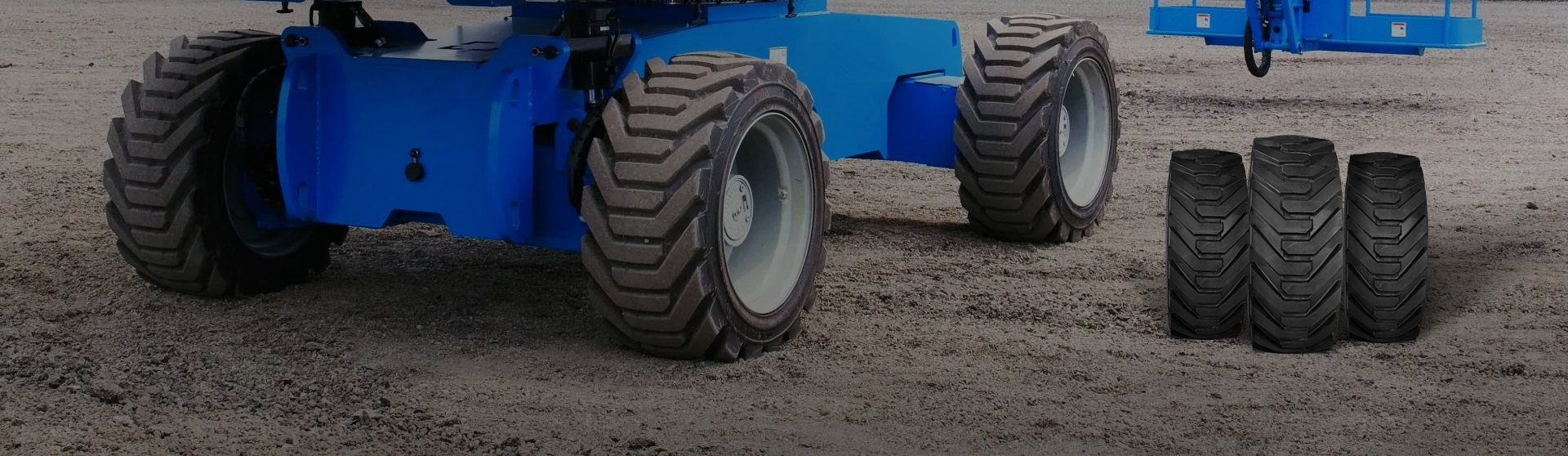

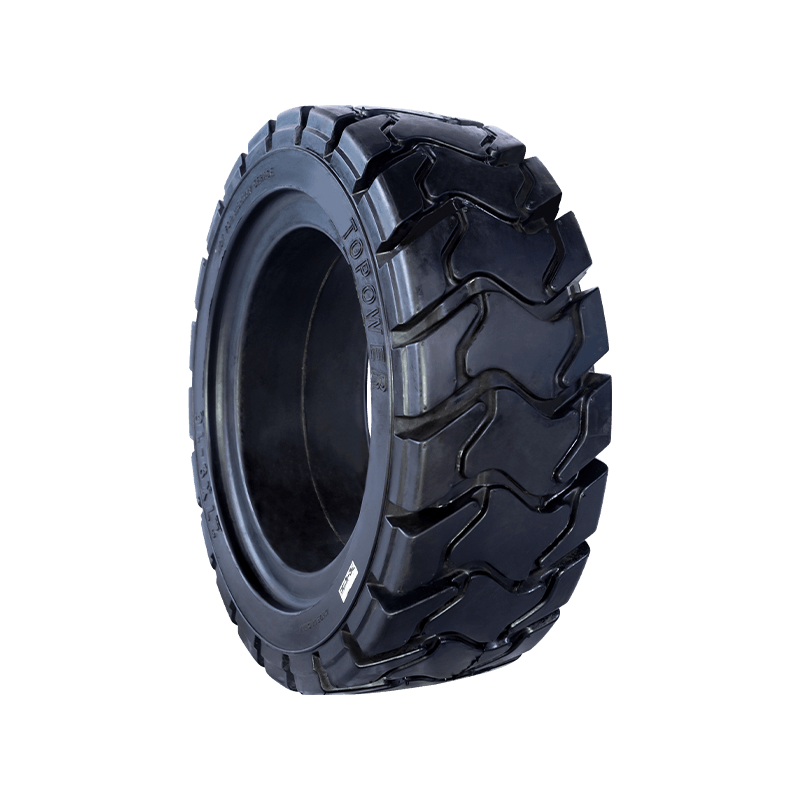
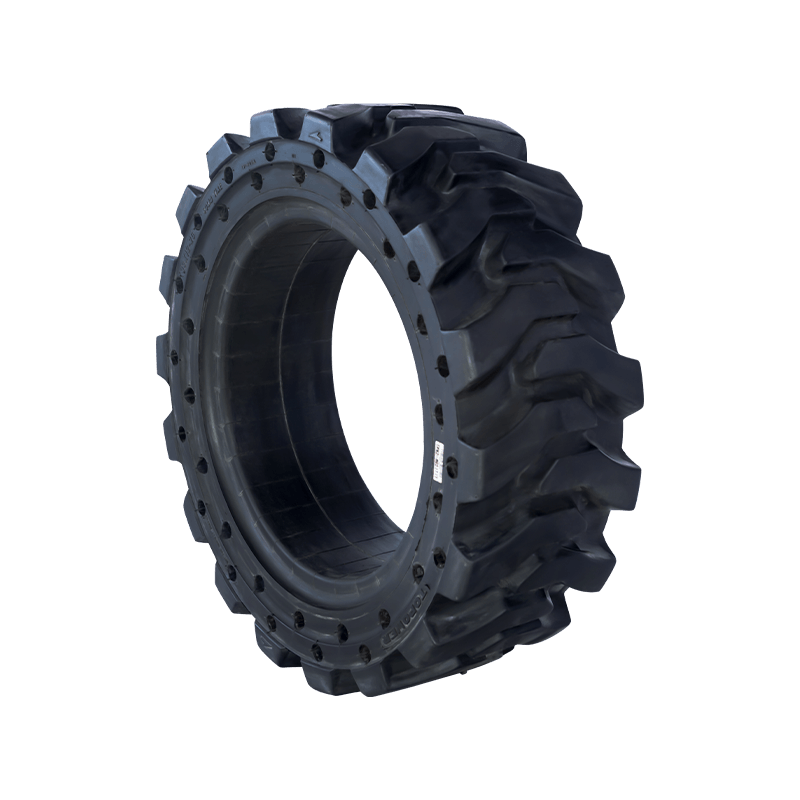
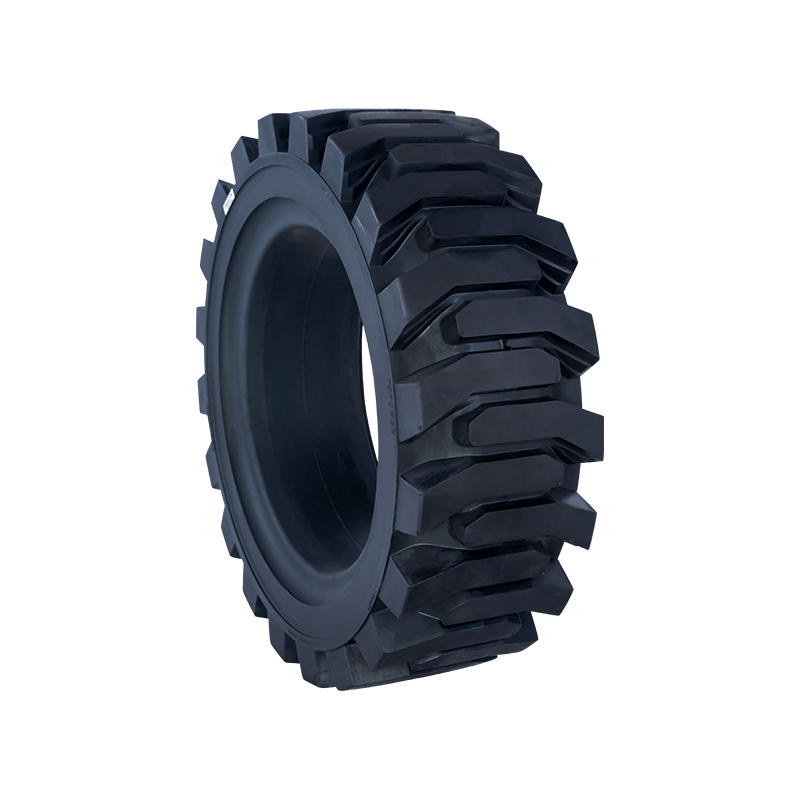
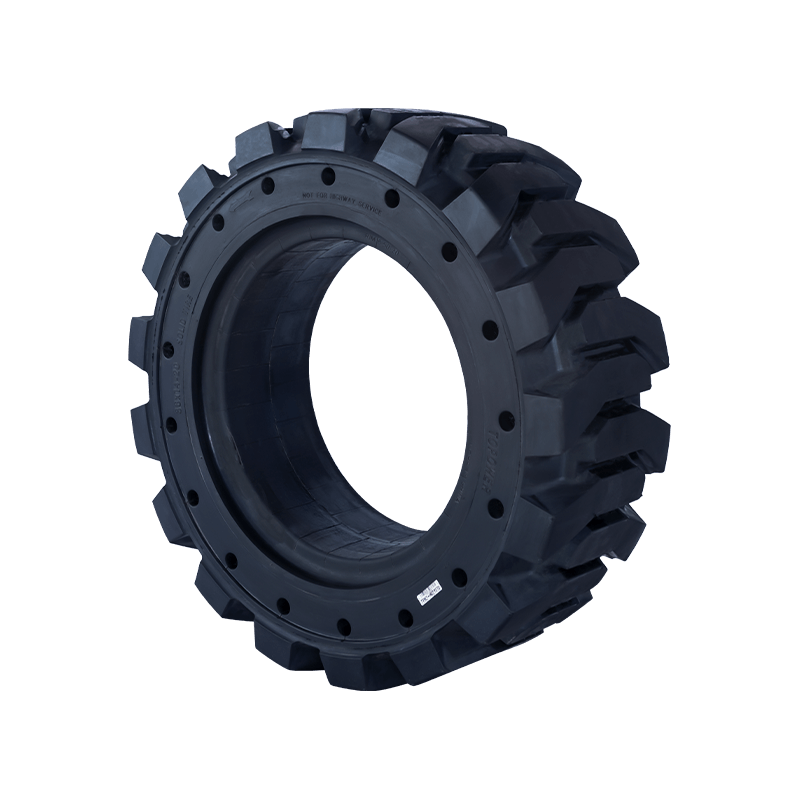
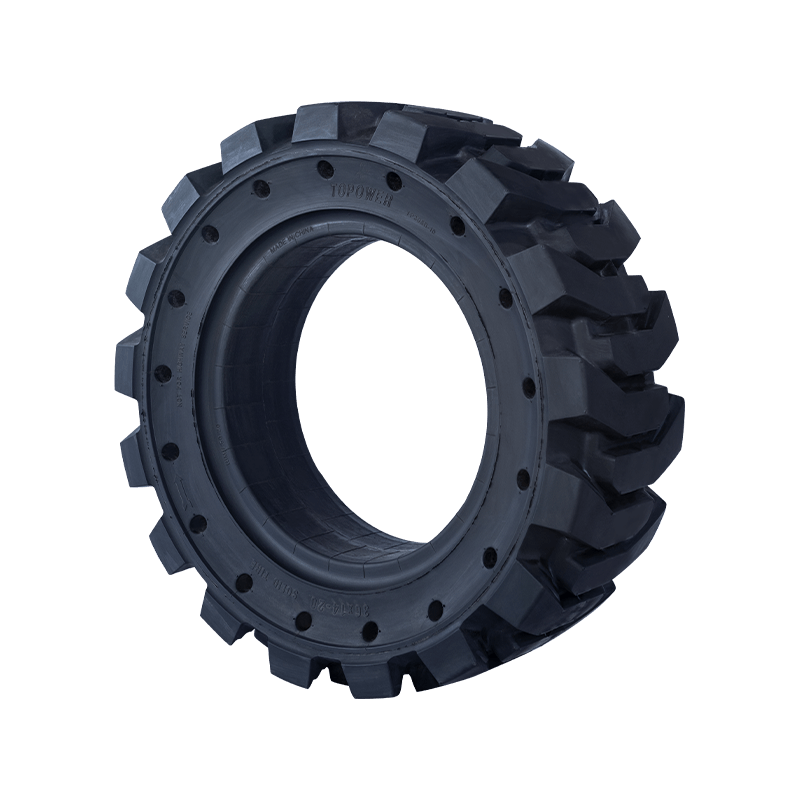
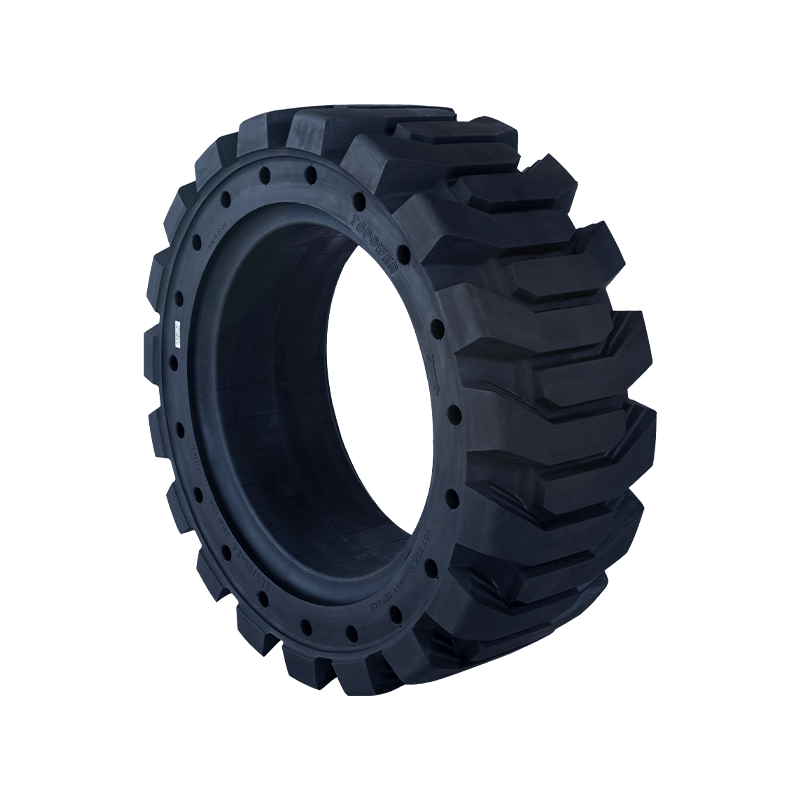
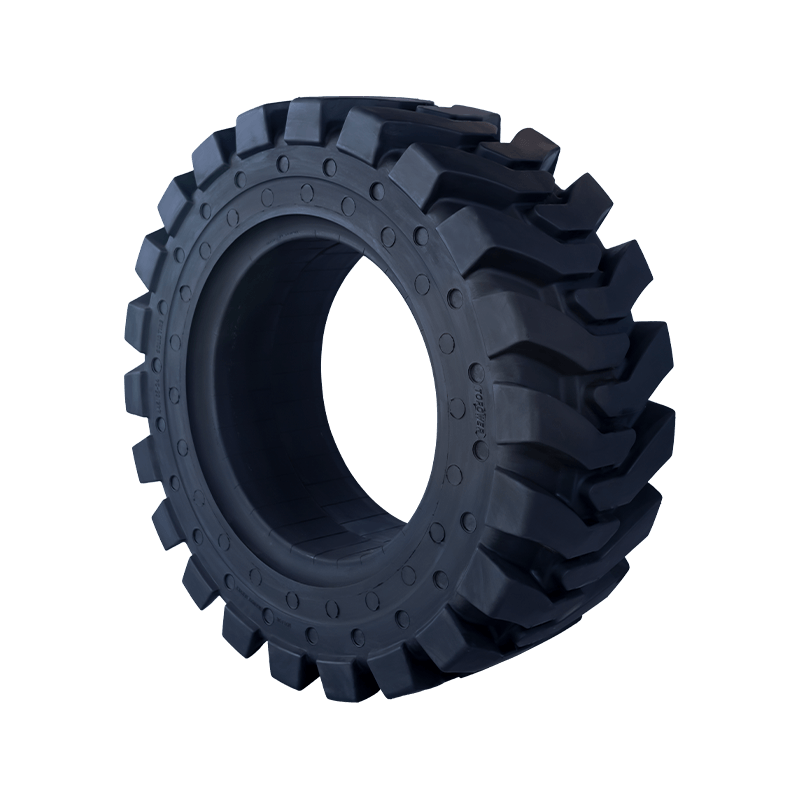
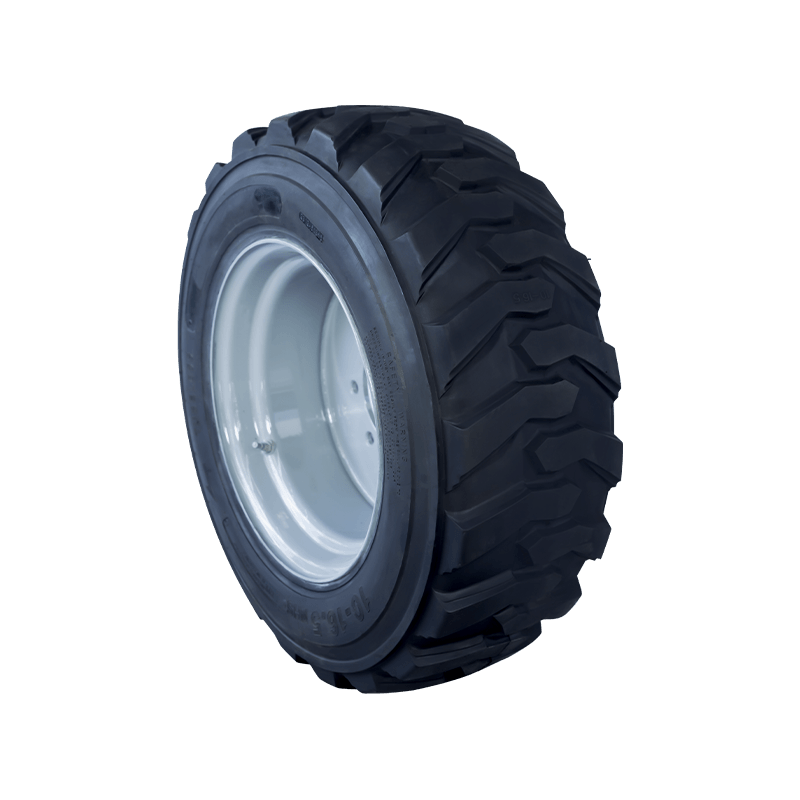
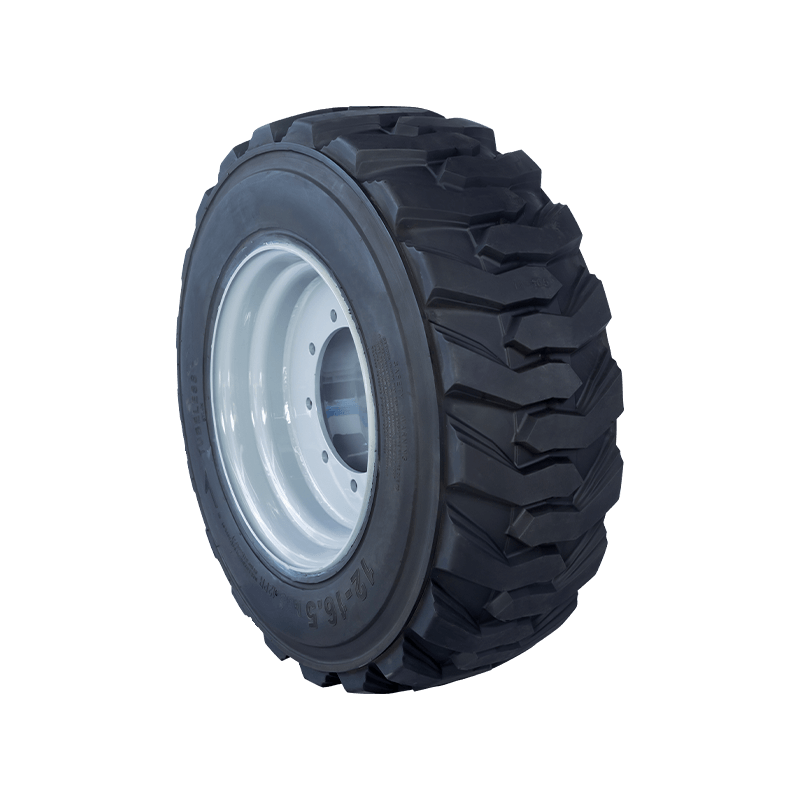
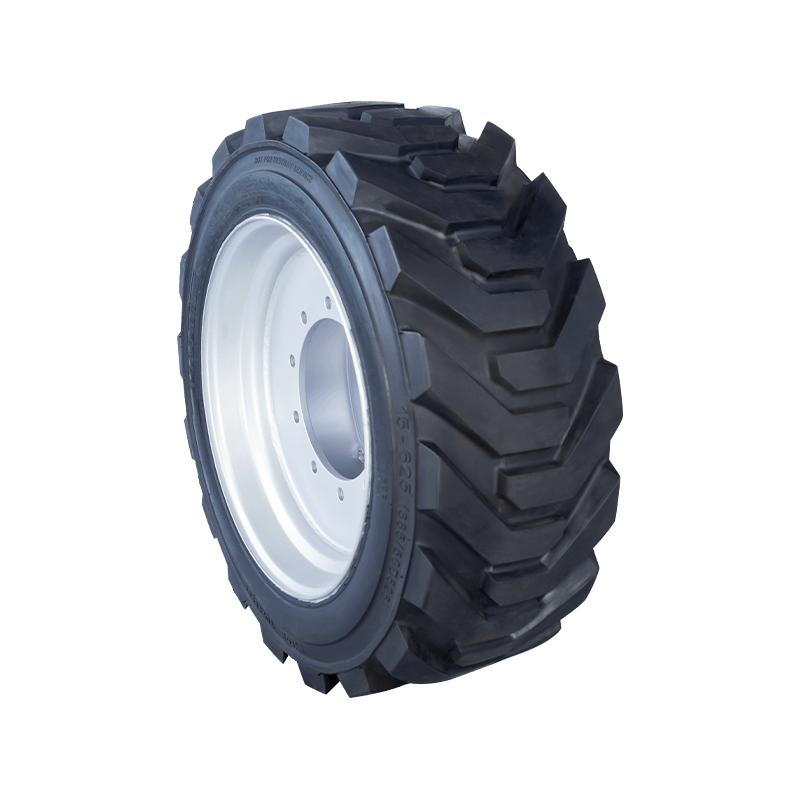
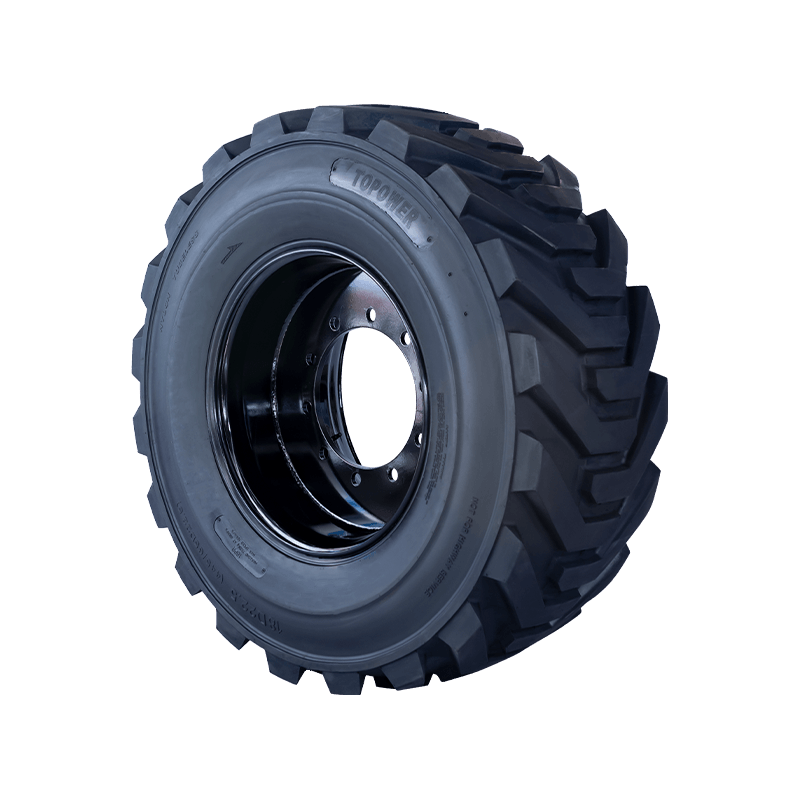
In the demanding environment of modern logistics centers, manufacturing plants, and heavy-duty ports, the Forklift Solid Tyre has established itself as the premier solution for stability and operational continuity. Unlike pneumatic tires that are prone to punctures and blowouts, solid tyres are constructed from multiple layers of high-resilience rubber, ensuring that equipment remains functional even in areas littered with metal debris or sharp glass. A premium forklift solid tyre provides an unparalleled load-bearing capacity and a significantly longer service life, which are critical for minimizing downtime. By understanding the structural advantages, specialized applications, and essential maintenance of this durable material handling tyre, fleet managers can optimize their vehicle performance and ensure a safer working environment.
How Does the Multi-Layer Construction of a Forklift Solid Tyre Enhance Equipment Stability?
The engineering behind a high-performance forklift solid tyre is far more complex than a simple block of rubber. Its performance is derived from a sophisticated three-layer structure designed to balance shock absorption with structural rigidity. This section explores how these technical layers allow the tyre to handle massive vertical loads without deforming or losing traction.
-
Integrated Steel Bead and Base Layer: The innermost part of a resilient forklift solid tyre is the base layer, which is reinforced with high-tensile steel beads. This layer is designed to be extremely rigid, ensuring a secure fit on the rim and preventing the tyre from slipping during high-torque maneuvers. Because a forklift often carries several tons of weight, the base layer must act as an inflexible anchor that transfers power from the motor to the ground without energy loss. Whether you are using press-on solid tyres or resilient (SIC) solid tyres, this foundation is what allows for the precise inching and heavy lifting required in narrow-aisle warehouses.
-
Intermediate Cushion Layer for Shock Absorption: The middle section, often referred to as the cushion layer, is composed of a softer, highly elastic rubber compound. Its primary function is to act as a built-in suspension system for the forklift. As a 3.5-ton forklift solid tyre moves over uneven expansion joints or debris, this layer compresses and rebounds, absorbing the impact energy that would otherwise be transferred to the vehicle's axle and the operator. This thermal-management layer also helps dissipate internal heat generated during continuous operation, preventing the rubber from degrading or "blowing out" due to friction-induced temperature spikes.
-
Wear-Resistant Tread Compound for Maximum Grip: The outer layer, or the tread, is engineered from a high-density, abrasion-resistant rubber compound. This part of the industrial solid tyre is responsible for providing traction on various surfaces, from smooth polished concrete to rough outdoor asphalt. Manufacturers offer different tread patterns—including smooth, lug, and non-marking options—to suit specific environmental needs. The deep tread grooves are designed to facilitate heat dissipation and maintain grip in wet conditions, ensuring that the forklift tyre can perform emergency stops and sharp turns even when carrying its maximum rated load.
To help you select the right tyre for your fleet, refer to the following comparison table of typical Forklift Solid Tyre specifications:
|
Feature Category |
Standard Specification |
Operational Benefit |
|---|---|---|
|
Material Composition |
Natural Rubber & Synthetic Blends |
Superior tear resistance and elasticity |
|
Tyre Type |
Resilient (SIC) / Press-on Band |
Versatility for different rim and equipment types |
|
Temperature Range |
-30°C to +50°C |
Reliable performance in cold storage or hot foundries |
|
Hardness (Shore A) |
65 - 75 Durometer |
Balance between comfort and heavy-duty durability |
|
Available Options |
Non-marking / Anti-static |
Meets strict hygiene and safety standards |
What Are the Critical Applications for Specialized Industrial Solid Tyres?
The versatility of the Forklift Solid Tyre allows it to excel in environments where other tyre types would be a safety hazard. Its puncture-proof nature makes it the go-to choice for industries dealing with hazardous debris or strict cleanliness requirements.
-
Heavy Manufacturing and Metal Processing: In steel mills and metal fabrication shops, the floor is often covered with sharp metal shavings, offcuts, and slag. A pneumatic tyre would fail almost instantly in these conditions. However, a heavy-duty forklift solid tyre is impervious to these hazards. Its dense rubber structure can roll over sharp steel fragments without any loss of pressure, allowing the forklift to continue moving heavy raw materials and finished products without interruption. The high load capacity of solid rubber tyres is also essential for moving the heavy dies and molds used in injection molding and stamping processes.
-
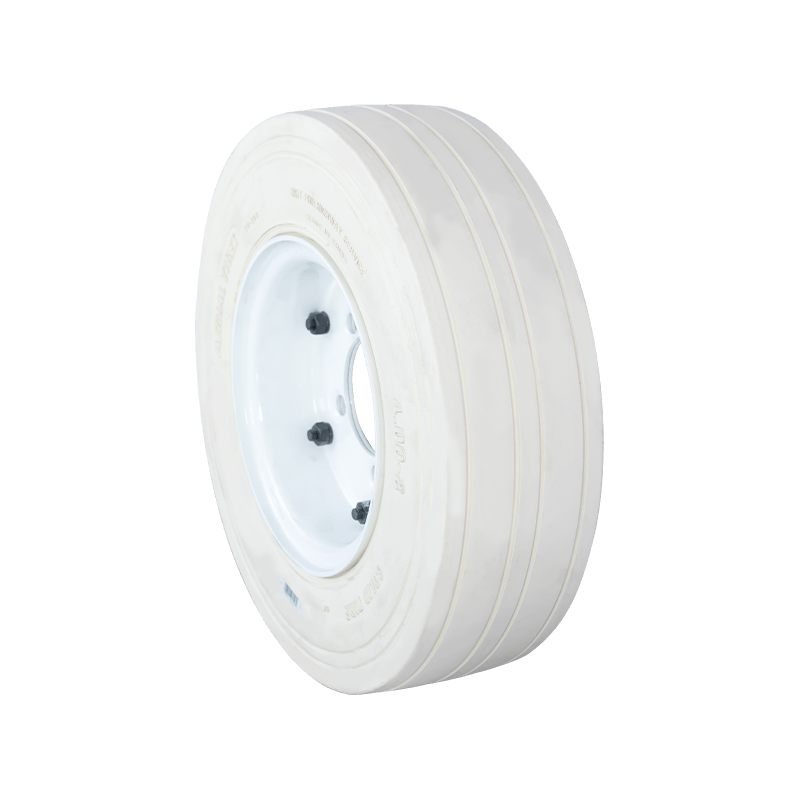
Food, Beverage, and Pharmaceutical Warehousing: For industries where hygiene is a legal requirement, non-marking forklift solid tyres are indispensable. Standard black tyres contain carbon black, which can leave dark streaks and dust on cleanroom floors. Non-marking versions replace carbon black with silica or other light-colored fillers, ensuring that the warehouse remains pristine. These specialized white solid tyres are essential for transporting sensitive ingredients in food processing plants and finished medical supplies in pharmaceutical distribution centers, preventing cross-contamination from tyre-born particulates.
-
Outdoor Construction and Debris-Heavy Sites: While solid tyres are traditionally associated with indoor use, lug-pattern forklift solid tyres are increasingly used on outdoor rough-terrain forklifts in scrap yards and recycling centers. In these environments, the risk of "down-time" due to flat tyres is so high that the initial cost of solid tyres is quickly recovered through increased productivity. The aggressive tread design provides the necessary traction on gravel and dirt, while the solid core ensures that the vehicle can safely navigate areas where nails, glass, and sharp rocks are a constant threat to pneumatic alternatives.
How Should You Maintain Your Forklift Solid Tyres to Ensure Maximum Safety and Lifespan?
While a Forklift Solid Tyre requires less maintenance than a pneumatic one (since no air pressure checks are needed), it still requires regular inspection to ensure it hasn't reached its wear limit or sustained structural damage.
-
Monitoring Wear Indicators and the 60J-Line: Most industrial solid tyres come with a built-in wear indicator, often referred to as the "60J-line" or safety line. Once the rubber has worn down to this level, the tyre's shock-absorbing properties are significantly compromised, and it must be replaced. Continuing to use an over-worn forklift tyre increases the vibration transferred to the forklift’s drivetrain, which can lead to expensive transmission and axle repairs. Furthermore, a worn tyre has a smaller footprint, reducing stability and increasing the risk of the forklift tipping over when lifting heavy loads at height.
-
Inspecting for Chunking and Flat Spots: Because solid tyres are made of rubber, they can experience "chunking" if they are driven over very sharp edges or if the operator spins the wheels excessively. Small chunks missing from the tread are usually acceptable, but if large sections are gone, the tyre will become unbalanced. Additionally, if a forklift is left stationary with a heavy load for an extended period, or if the operator slides the tyres through emergency braking, "flat spots" can develop. These spots cause the vehicle to vibrate or "thump" during movement, which is not only uncomfortable for the operator but can also lead to premature wear of the steering linkage.
-
Rim Inspection and Press-On Maintenance: For press-on band solid tyres, it is critical to ensure that the bond between the rubber and the steel band remains intact. If the rubber begins to "delaminate" or separate from the metal, the tyre can fail catastrophically under load. During every safety check, the operator should inspect the interface between the tyre and the rim for any signs of movement or debris ingress. Keeping the rims clean and free from rust is also essential; if a rim becomes corroded, it can weaken the structural support for the solid tyre, leading to uneven wear and potential safety risks during high-capacity lifts.