 English
 русский
 Español
 عربى
عربى
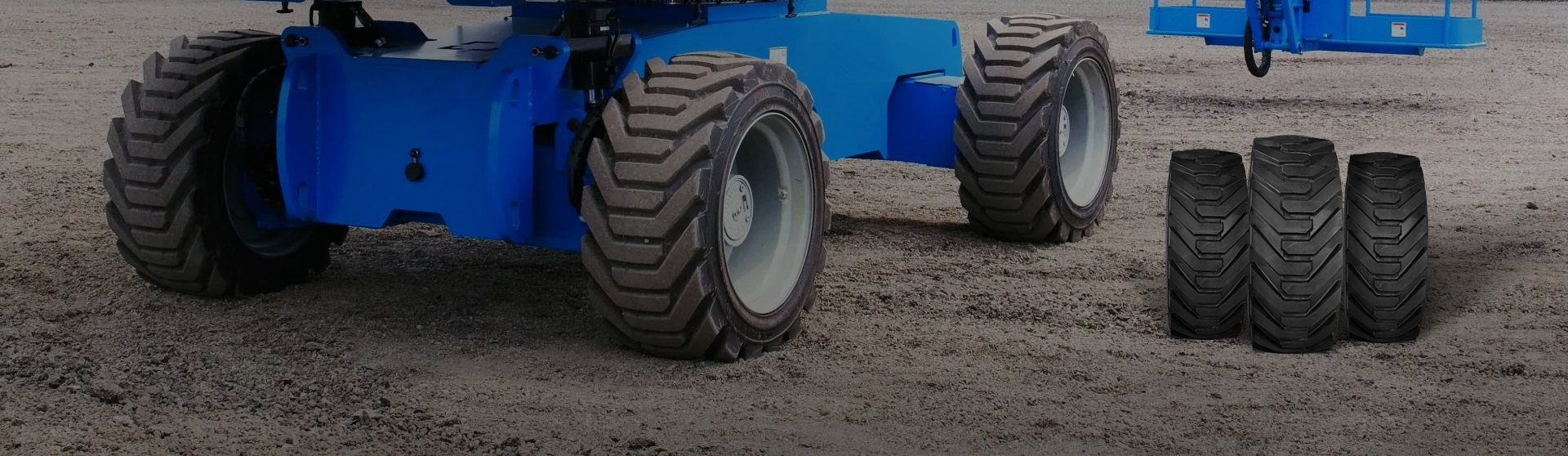

In the world of material handling and heavy-duty logistics, the choice of rubber can make or break operational efficiency. While many fleet managers are familiar with pneumatic and resilient tyres, the Press-on Solid Tyre (often called a Cushion Tyre) stands out as the specialized choice for high-capacity forklifts operating in tight, indoor spaces. This guide explores why leading Press-on Solid Tyre manufacturers prioritize specific bonding technologies and how these tyres differ from other industrial options.
What is a Press-on Solid Tyre?
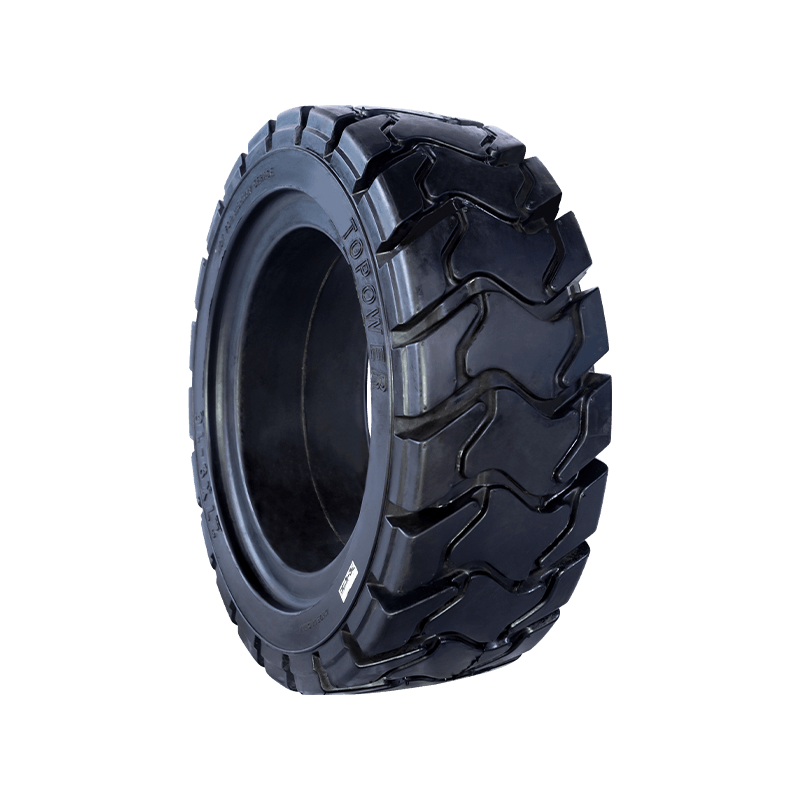
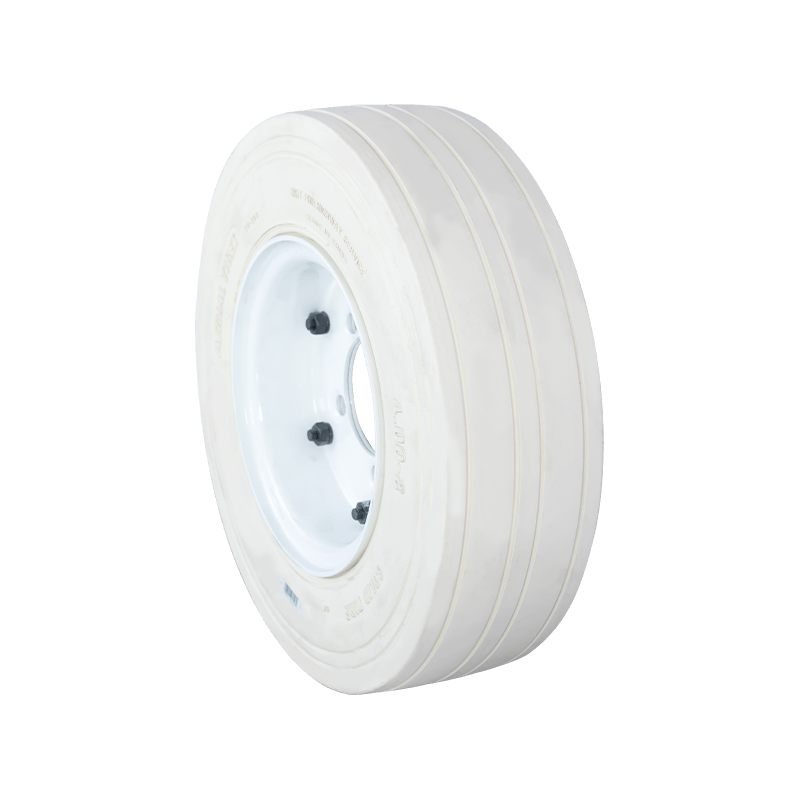
A Press-on Solid Tyre consists of a solid rubber compound—or sometimes polyurethane—permanently bonded to a cylindrical metal band (the steel base). Unlike resilient tyres that are mounted directly onto a multi-piece rim, a press-on tyre is "pressed" onto a specific wheel hub using a high-pressure hydraulic press.
The Structural Design
The brilliance of the press-on design lies in its simplicity and density. Leading Press-on Solid Tyre manufacturers use a process called "cold bonding" or advanced vulcanization to ensure that the rubber never peels away from the steel band, even under extreme shearing forces during sharp turns.
There are two primary tread patterns:
Smooth (Slick): Engineered for maximum surface contact area on dry, polished, or smooth warehouse floors. This design offers the highest level of stability and rolling efficiency, making it the preferred choice for high-capacity electric forklifts in climate-controlled logistics centers.
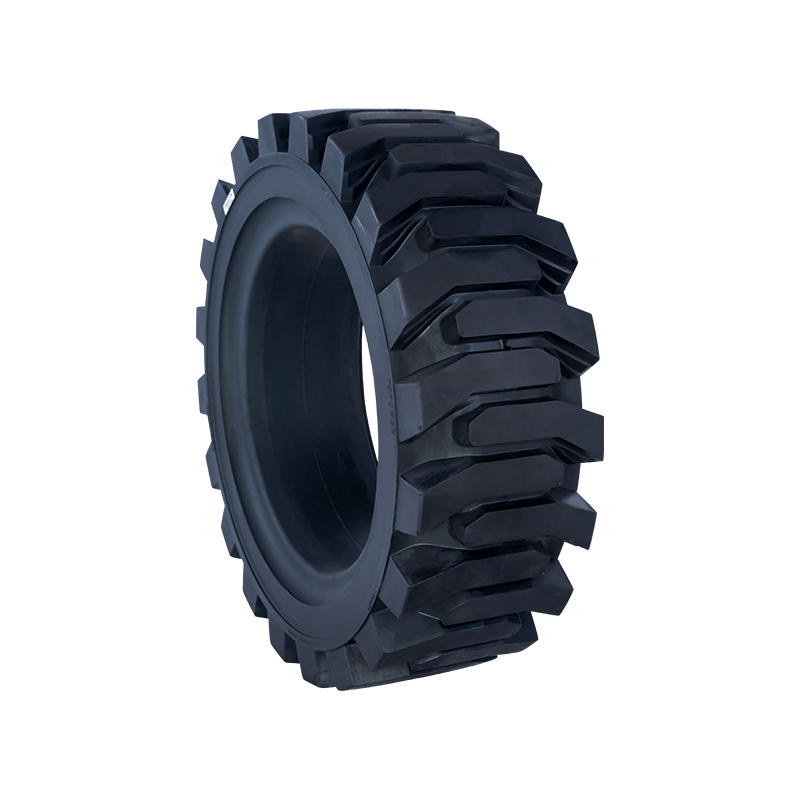
Lug (Treaded): Features deep, engineered grooves and aggressive patterns to provide enhanced traction and water displacement on slightly damp, dusty, or debris-strewn industrial surfaces, ensuring consistent braking and acceleration performance.
Why Choose Press-on Solid Tyres?
The selection of press-on tyres is usually driven by the specific design of the forklift. Machines designed for press-on tyres generally have a smaller footprint and a tighter turning radius than pneumatic-tyre forklifts.
Key Advantages:
Extreme Load Stability: Because the rubber layer is thinner and denser than a resilient tyre, there is almost zero "sidewall flex" or lateral sway under load. This creates a rigid and predictable foundation, making them the safest and most reliable choice for high-reach racking systems where precision is paramount.
Compact Maneuverability: Press-on tyres allow for a significantly lower machine profile and a shorter wheelbase, enabling heavy-duty forklifts to operate efficiently in narrow aisles and high-density storage zones where every inch of turning space is at a premium.
Cost-Efficiency in Indoor Environments: On smooth, finished concrete, the abrasion-resistant properties of a high-quality press-on tyre from reputable Press-on Solid Tyre manufacturers lead to an exceptionally low wear rate. This results in fewer tyre changes and a lower total cost-per-hour over the machine's operational lifecycle.
Comparison Table: Press-on Solid Tyre vs. Resilient vs. Pneumatic
To understand where the press-on tyre fits in your fleet, consider the following performance metrics:
|
Performance Metric |
Press-on Solid Tyre |
Resilient (Solid) Tyre |
Pneumatic (Air) Tyre |
|
Primary Terrain |
Smooth Indoor Concrete |
Mixed Indoor/Outdoor |
Rough Outdoor/Uneven |
|
Load Stability |
Excellent (Highest) |
Very Good |
Moderate |
|
Turning Radius |
Smallest |
Medium |
Largest |
|
Shock Absorption |
Low |
Medium |
High (Excellent) |
|
Heat Dissipation |
Moderate |
High |
Excellent |
|
Typical Lifespan |
Long (on smooth floors) |
Long (Versatile) |
Short (Puncture Prone) |
|
Mounting Method |
Hydraulic Press-on Hub |
Pressed onto standard rim |
Manual/Machine mount |
The Manufacturing Excellence: What Sets Top Manufacturers Apart?
When searching for Press-on Solid Tyre manufacturers, it is crucial to look beyond the price tag. The quality of the "Bonding Agent" is the most critical factor in the tyre’s lifespan.
Advanced Rubber Compounding
Top-tier Press-on Solid Tyre manufacturers utilize proprietary CRV (Natural Rubber blends) or Polyurethane (PU) compounds. Polyurethane press-on tyres are becoming increasingly popular because they can carry up to 30% more load than rubber and offer significantly lower rolling resistance, which extends the battery life of electric forklifts.
Heat Dissipation Technology
Internal heat is the enemy of solid rubber. If a press-on tyre gets too hot, the bond between the rubber and the steel band can fail, leading to "delamination." Leading manufacturers incorporate heat-resistant additives into the rubber matrix to ensure the tyre can handle long shifts in high-throughput distribution centers.
Critical Application Scenarios for Press-on Tyres
Narrow Aisle Warehousing
In massive e-commerce fulfillment centers, every inch of floor space counts. Reach trucks and order pickers equipped with press-on tyres can navigate aisles that are 20% narrower than those required by pneumatic-tyre machines.
Cold Storage and Food Processing
In temperature-controlled environments, floors are often coated with epoxy or can become slick with frost. Press-on Solid Tyre manufacturers offer specialized "Non-Marking" compounds that prevent floor staining while maintaining grip in sub-zero temperatures.
Heavy Manufacturing and Steel Service Centers
For forklifts carrying heavy coils of steel or dense machinery, the uncompromising stability of a press-on tyre ensures that the load doesn't sway, protecting both the product and the warehouse infrastructure.
Maintenance and Safety Best Practices
While press-on tyres are "puncture-proof," they are not indestructible. Regular inspections are mandatory to ensure safety.
The 2-Inch Rule: Most press-on tyres should be replaced when the rubber has worn down to 2 inches above the steel band. Beyond this wear limit, the tyre loses its ability to absorb vibration, which transfers excessive stress to the forklift's axle and internal transmission components, potentially leading to expensive mechanical failure.
Check for "Chunking": If a forklift strikes a sharp dock plate, a pothole, or metal debris, large pieces of rubber can be torn away from the carcass (known as chunking). If more than 10-15% of the tread area is missing, the tyre becomes severely unbalanced, creating dangerous vibrations and uneven load distribution.
Bond Integrity and Delamination: It is critical to inspect the seam where the rubber compound meets the steel band. If you detect any "daylight," separation, or cracking at this interface, the tyre is at risk of delamination. You must replace the tyre immediately to prevent a catastrophic failure where the rubber slides off the hub during operation.