 English
 русский
 Español
 عربى
عربى

At a distribution center in the Midwest, a forklift operator turned into an aisle with a loaded mast raised just above travel height. The load shifted, the rear wheels lifted, and the truck tipped sideways before the operator could react. The driver suffered a crushed shoulder; a nearby picker narrowly avoided the falling pallet. Investigators later found two contributing factors: the truck had been operated with a worn steer tyre that reduced stability on the painted concrete floor, and the operator had not been retrained after a near-miss event three months earlier. Incidents like this are not rare anomalies. They are the predictable outcome of gaps in training, maintenance, layout, and equipment specification.
Forklift accidents are a leading cause of serious injury and death in warehouses, factories, ports, and construction yards. The good news is that most of these events are preventable. This guide explains how to prevent forklift accidents by addressing the root causes in a practical order: understanding the accident landscape, building a competent operator workforce, keeping equipment mechanically sound, managing loads and stability, designing a safety-oriented workplace, and choosing the right tyres and safety components for the operating environment. We will also discuss how measurement and continuous improvement keep a safety program from going stale.
The Accident Landscape: What the Data Tells Us
The first step in preventing forklift accidents is understanding how often they occur and what patterns emerge from incident data. In the United States, OSHA estimates that roughly 85 to 90 forklift-related fatalities occur every year, with an additional 34,900 serious injuries. Many more incidents go unreported because they involve only property damage or minor soft-tissue injuries. The financial cost of a single lost-time forklift accident typically ranges from $40,000 to $150,000 when medical expenses, equipment repair, lost productivity, and administrative costs are included. A fatality can easily exceed $1 million after regulatory fines, legal defense, and increased insurance premiums.
The most common fatal event involving forklifts is overturn, accounting for roughly 20 to 25 percent of forklift deaths. Pedestrian strikes are the second most common fatal scenario, followed by crushing injuries from falling loads or from being pinned between the truck and a fixed object. Non-fatal incidents frequently involve struck-by injuries to hands and feet, musculoskeletal strain from improper mounting or load handling, and slips or falls from the forklift itself. The common thread across all these categories is that they occur at the intersection of three factors: operator behavior, equipment condition, and workplace design. An effective prevention program must address all three.
One important nuance from incident data is that a large share of accidents occur not on the open road but inside facilities with speed limits below 10 mph. The danger is not velocity; it is density of interaction. Forklifts share floor space with pedestrians, racking, conveyor systems, and narrow aisles, creating constant opportunities for contact. This is why simple administrative rules like slowing down are necessary but insufficient. The layout, the tyres, the visibility, and the communication systems all determine whether a momentary lapse becomes an incident or just a near-miss.
Core Principles of Forklift Accident Prevention
Before examining specific tactics, it helps to establish a set of principles that govern every decision in a forklift safety program. These principles are not regulatory checklists; they are engineering and management axioms that hold across all types of facilities.
The first principle is that stability is the foundation of everything. A forklift is only safe when its combined center of gravity — the truck plus the load — remains inside the stability triangle formed by the front axle and the two rear wheels. Every action that shifts this center of gravity, whether accelerating, braking, turning, or lifting a load, changes the margin of safety. When the margin reaches zero, the truck tips. This principle explains why speed limits, load charts, mast-angle rules, and tyre condition all matter. A worn or under-inflated tyre alters the truck's effective stability triangle.
The second principle is that human error is a design input, not an excuse. If an accident occurs because an operator missed a pedestrian behind the mast, the failure is not simply operator inattention; it is a visibility design problem that should have been addressed with mirrors, cameras, sensors, or a wider field of view. If a driver forgets to lower the mast before traveling, the facility should have visual cues, interlock systems, or a work routine that makes lowering the mast an automatic step. The most robust safety programs assume that people will make mistakes and build defenses around those mistakes.
The third principle is that prevention is layered. No single guardrail, training session, or sensor will eliminate all accidents. Instead, facilities should employ multiple independent layers: engineering controls, administrative controls, personal protective equipment, and behavioral reinforcement. When one layer fails, the next one catches the error. This is sometimes described as the Swiss cheese model of accident prevention, and it is directly applicable to forklift operations.
Step 1: Build a Competent Operator Workforce Through Training
Training is the single most cited factor in forklift accident prevention, and for good reason. An untrained or poorly trained operator is a hazard to themselves and everyone in the facility. But training must be more than a one-time video and a written test. Effective forklift operator training has four phases: formal instruction, practical training, evaluation, and periodic refresher training.
Formal instruction should cover the specific type of forklift the operator will use, not just forklifts in general. A counterbalanced truck behaves differently from a reach truck, and a rough-terrain forklift has different stability characteristics than a cushion-tyre warehouse truck. The training should include the forklift's load capacity chart, center of gravity dynamics, controls, pre-operational inspection procedures, fueling or charging safety, and the specific hazards of the facility where the truck will be operated.
Practical training should take place in a controlled area away from active production, ideally with obstacles, pedestrian simulators, racking, and ramp sections that mimic real conditions. The operator should practice loading and unloading, stacking, negotiating turns, reversing in confined spaces, and operating on ramps or uneven surfaces if those conditions exist in the facility. Evaluation should not be a formality. A qualified instructor should use a structured checklist that includes pre-shift inspection, safe mounting and dismounting, load handling, travel behavior, and shutdown procedures. Only after the operator demonstrates competence in all areas should certification be issued.
Refresher training is where many programs fail. OSHA requires refresher training when an operator is observed operating improperly, is involved in an accident or near-miss, receives an evaluation showing unsafe operation, is assigned to a different type of truck, or when the workplace conditions change. But the best-run facilities do not wait for these triggers. They schedule annual or semi-annual refresher sessions that include both classroom review and hands-on practice. These sessions are also the right time to introduce new equipment, new facility layouts, or updated safety procedures.
Training does not stop at the operator. Pedestrians who work in areas where forklifts operate should receive basic forklift awareness training: how to make eye contact with operators, where to walk, why they should never assume an operator has seen them, and what to do if a forklift approaches. This is especially important for temporary workers, visitors, and maintenance contractors who may be unfamiliar with the facility's traffic patterns.
Step 2: Keep Equipment Mechanically Sound Through Inspection and Maintenance
A forklift with a mechanical defect is a moving hazard. Brakes that fade, steering that drifts, hydraulic hoses that leak, chains that are stretched, and tyres that are worn or damaged all contribute directly to accident risk. A robust preventive maintenance program is not an alternative to operator inspection; it is the second layer that catches what the operator cannot see.
Every operator should perform a pre-shift inspection before the first use of the day. This inspection should follow a written checklist and include, at a minimum: fluid levels (engine oil, coolant, hydraulic fluid, brake fluid); condition of hydraulic hoses and fittings; mast chains and carriage for wear or damage; forks for cracks, deformation, or excessive wear; warning devices including horn, lights, backup alarm, and strobe; brakes and parking brake function; steering function; tyre condition and pressure; seatbelt condition and function; and any visible damage to the frame, counterweight, or overhead guard. If a defect is found, the operator must tag the truck out of service and report it immediately. No supervisor should override a safety-based out-of-service decision.
The maintenance program itself should include scheduled inspections at intervals defined by the manufacturer's recommendations and the intensity of use. A forklift operating 15 hours per day in a busy distribution center needs more frequent maintenance than one operating four hours per day in a light manufacturing facility. Maintenance records should be kept for each truck, and recurring failure patterns should trigger a deeper investigation. For example, if a particular model repeatedly loses brake pressure, the facility should look beyond the brake components themselves and consider whether operators are driving too fast, whether loads are exceeding capacity, or whether the wrong type of tyre is causing excessive rolling resistance and heat.
One often overlooked maintenance item is the condition of the floor itself. Forklifts do not operate in isolation from their environment. Spalled concrete, cracked expansion joints, standing water, loose gravel, and worn floor coatings all affect traction and stability. A facility that spends money on new tyres while ignoring floor damage is only solving half the problem. The interaction between floor condition and tyre condition is especially significant for solid tyres, which transmit more surface texture into the truck than pneumatic tyres.
Step 3: Manage Load Handling and Stability
Forklift stability is governed by physics, and the operator is the person who must manage that physics on every single trip. The load chart on the forklift tells the operator the maximum load weight at various load centers and lift heights. It is not a suggestion. Exceeding the rated capacity is one of the fastest ways to cause an overturn, a falling load, or structural failure of the mast or forks.
The concept of load center is equally important. A forklift rated for 5,000 pounds at a 24-inch load center can safely lift 5,000 pounds only if the load's center of gravity is 24 inches or less from the fork face. If the load is longer or the pallet is configured so the center of gravity moves further out, the effective capacity drops. Operators should understand this relationship, and supervisors should make sure that loads are always arranged on the pallet with the heaviest part closest to the mast, and that the fork spacing is adjusted to provide maximum support.
When traveling with a load, the mast should be tilted back and the load should be carried as low as possible, typically 4 to 6 inches above the ground. Raising the mast while traveling raises the combined center of gravity and makes the truck dramatically more unstable. This is a leading cause of tip-overs, especially when the operator turns while the load is elevated. The rule is simple: raise the load only when stacking, lower the load before traveling, and never turn with an elevated load unless the truck is specifically designed for that operation and the load is within safe limits.
Loads that are not securely palletized, that have damaged pallets, or that extend beyond the forks are a falling-load hazard. Operators should inspect each pallet before lifting, verify that the load is stable, and use shrink wrap or straps if the load contains loose items. On the floor, load securing is often the responsibility of the picker or packer, but the forklift operator should be empowered to refuse a load that appears unsafe and request it be rebuilt.
Ramp operations deserve special attention. A forklift should always travel straight up or straight down a ramp, never diagonally. Loaded forklifts should ascend ramps with the load facing uphill, which keeps the load from sliding off the forks and keeps the center of gravity toward the rear of the truck. Empty forklifts should descend ramps in reverse, so the forks are facing uphill. On wet, oily, or slick ramps, the traction of the tyres becomes a limiting factor, and even a properly loaded truck can lose control.
Step 4: Design the Workplace to Separate Forklifts and Pedestrians
The physical environment is a powerful tool for accident prevention. When pedestrian walkways are physically separated from forklift travel paths by barriers, the opportunity for a pedestrian strike drops dramatically. The goal is to design the facility so that pedestrians and forklifts rarely share the same space, and when they must, the interactions are managed with visible signals, controlled crossing points, and speed limits.
Start with a traffic flow analysis. Map every forklift route in the facility and every pedestrian route. Identify intersections, blind corners, doorways, and areas where forklifts and pedestrians must cross. For each interaction point, ask whether the routes can be redesigned to eliminate the crossing, whether a physical barrier can separate the traffic, or whether a signal system can alert both parties to each other's presence. For example, a warehouse that routes pedestrians along the perimeter and forklifts down the center aisles will have far fewer conflicts than one where both use the same aisles.
Floor markings are the cheapest form of separation. Painted yellow lines, hatched pedestrian zones, and labeled forklift lanes provide clear visual guidance. But floor markings are only effective if they are maintained and if everyone follows them. Striping that is faded, covered by pallets, or ignored by management sends a message that the rules are optional. Physical barriers such as guardrails, bollards, and traffic posts are stronger controls because they do not depend on human compliance. Guardrails should be installed around pedestrian walkways, office entrances, break rooms, electrical panels, fire extinguishers, and any column or corner that a forklift could strike.
Blind corners are one of the most common causes of forklift-pedestrian collisions in warehouses. A fork of racking, a stack of pallets, or a wall can completely hide an approaching forklift until it is too late. Solutions include convex mirrors at intersections, blue spot lights projected from forklifts to warn pedestrians, motion-activated warning lights, and automatic speed reduction zones. In higher-traffic areas, a combination of mirrors and sensors is justified. Every facility should conduct a blind-corner audit at least quarterly, because racking changes as inventory moves and new blind spots can appear.
Communication systems form another layer. Horns should be sounded at intersections and blind corners. Some facilities use two-way radios, wearable proximity sensors, or RFID tags that trigger an audible alarm when a pedestrian and a forklift come within a preset distance. The technology choices should fit the complexity and budget of the operation, but the principle is consistent: make the unseen visible and make the unheard heard.
Step 5: Control Speed, Visibility, and Operator Distraction
Speed is a multiplier of risk. Even a low-speed forklift accident can produce catastrophic injuries because the truck weighs several tons and the load adds momentum. Establishing and enforcing speed limits is an essential prevention measure. Speed limits should be posted throughout the facility and adjusted to the specific conditions of each zone: slower in narrow aisles, at pedestrian crossings, near doorways, and in staging areas.
Enforcement is the difficult part. Operators under production pressure will often exceed speed limits unless management signals that safety comes first. Electronic speed limiters on forklifts are an effective engineering control, as are data logging systems that record speed, seatbelt use, and impact events. Managers should review these data regularly and address patterns before they become incidents. A single hard-braking event or a seatbelt alarm in a weekly report should trigger a conversation, not a month of silence.
Visibility is the other critical factor. Forklifts have inherent blind spots: directly behind the truck, directly in front of the mast, and on both sides of the driver's compartment. Accessories such as mast-mounted mirrors, wide-angle mirrors, backup cameras, and rear-object detection sensors can close these gaps. Operators should also be trained to look in the direction of travel, and to travel in reverse when a load blocks forward visibility. If the load is large enough that the operator cannot see the edge of the forks, the operator must drive in reverse even if it feels less natural.
Distraction is a growing problem in industrial settings. Operators who use mobile phones, listen to music through headphones, or are fatigued from long shifts are far more likely to miss hazards. Facilities should have clear policies prohibiting phone use while operating a forklift, and supervisors should model this behavior. Shift length and break schedules should be designed to avoid fatigue, especially for operations that run extended hours or night shifts. A tired operator loses reaction time, spatial awareness, and judgment in ways that are difficult to compensate for with training alone.
Step 6: Choose the Right Tyres and Safety Components for the Environment
The tyres on a forklift are not an afterthought. They are the only contact point between the truck and the ground, and they directly affect stability, traction, braking distance, ride comfort, and the forces transmitted to the load and the driver. Many forklift accidents are either caused or worsened by inappropriate, worn, or incorrectly inflated tyres.
There are three main categories of tyres for industrial forklifts. Pneumatic tyres, filled with air, provide cushioning and traction on uneven outdoor surfaces but carry the risk of punctures, blowouts, and pressure loss. Solid tyres are made from rubber compounds and have no air chamber, making them immune to punctures and pressure loss, and providing consistent stability until the tread wears out. Polyurethane tyres offer low rolling resistance, non-marking properties, and high load capacity in smooth indoor environments, but are less suitable for rough or oily surfaces. The selection depends on the operating environment: a warehouse with polished concrete and clean floors will benefit from non-marking solid or polyurethane tyres, while a lumber yard with gravel and debris requires a more robust tread pattern.
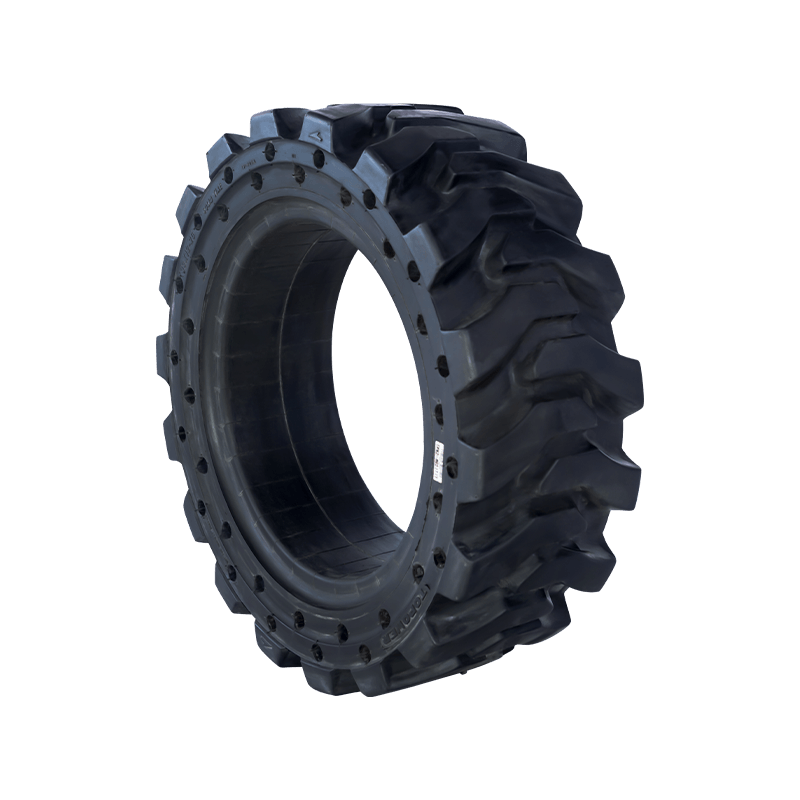
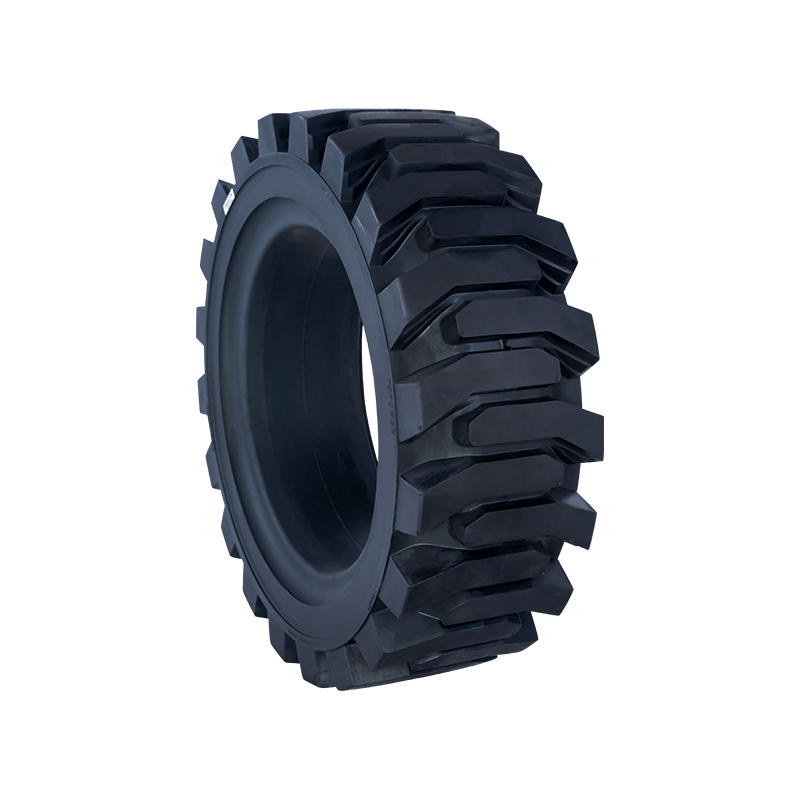
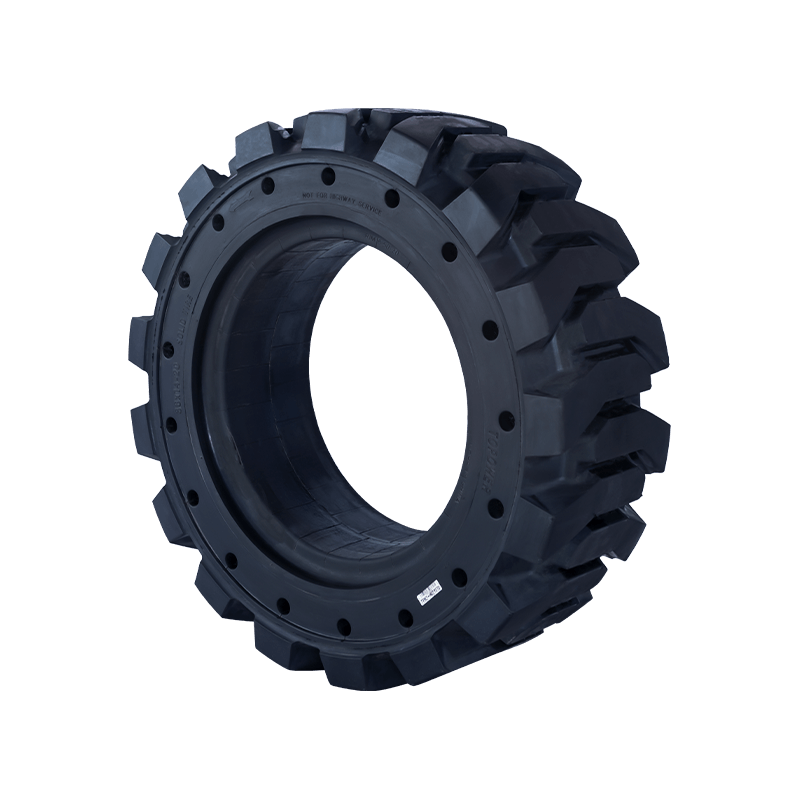
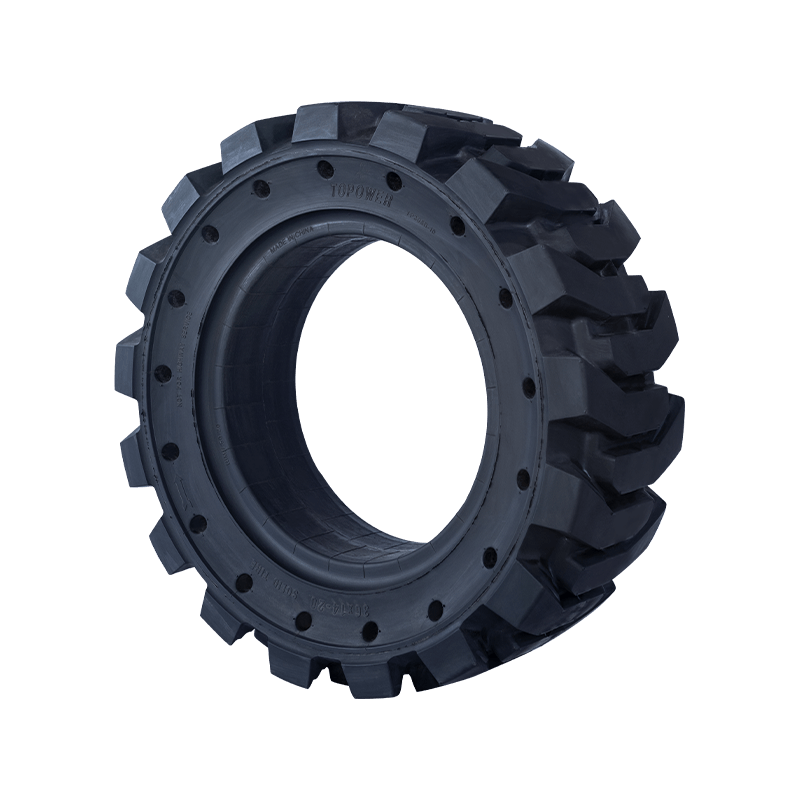
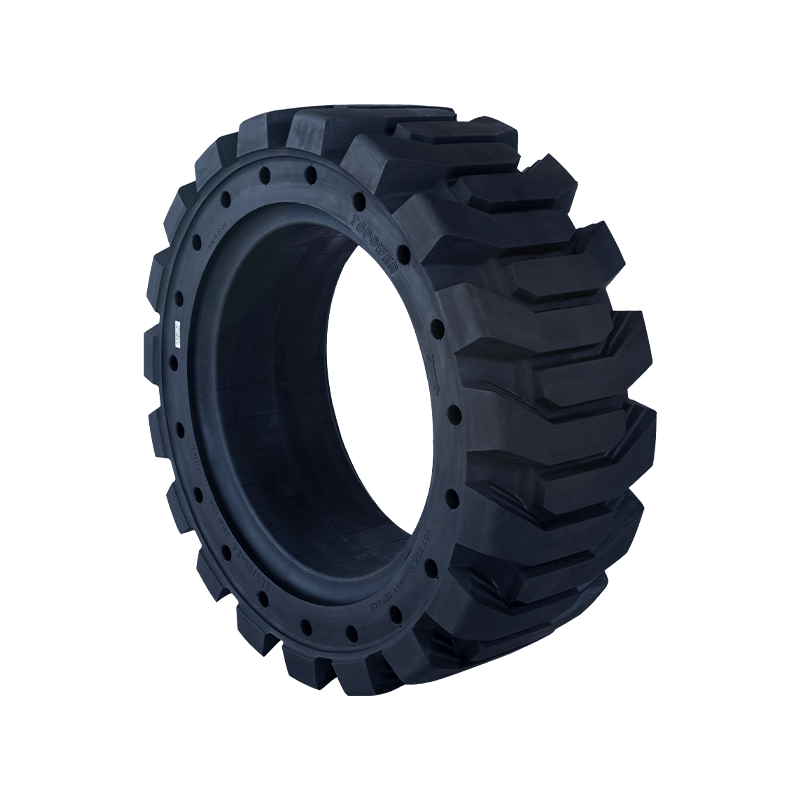
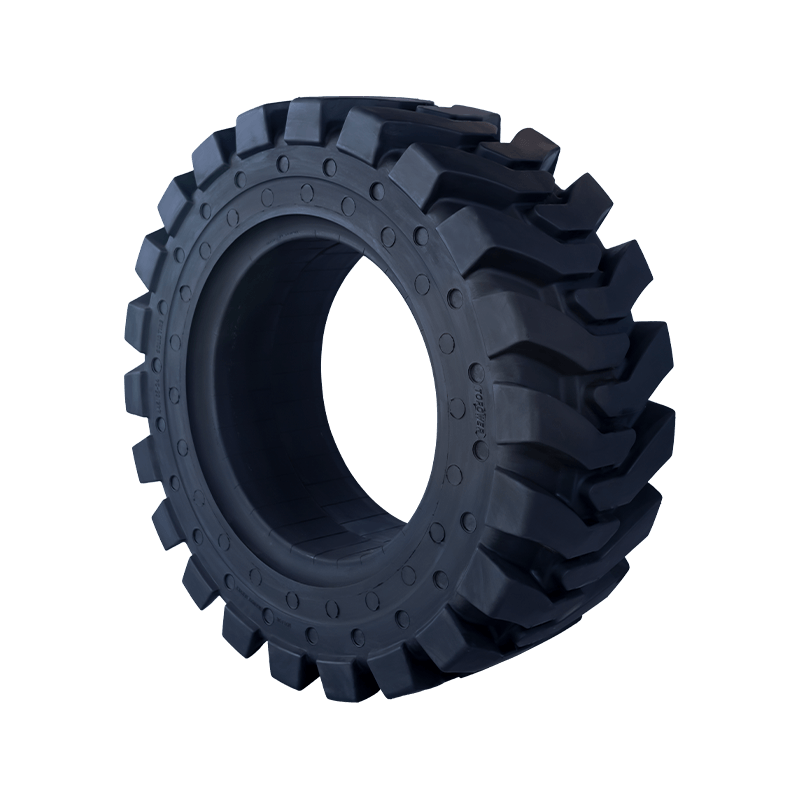
For facilities where puncture and blowout risks are a concern, we recommend considering a solid tyre solution such as the forklift solid tyre range, which provides stable load support without the risk of sudden air loss. Solid tyres also reduce downtime related to inflation and puncture repair, allowing the fleet to stay productive. If the operation involves both indoor and outdoor surfaces, or if floors are frequently wet or oily, the tread pattern and rubber compound should be selected for wet traction. In environments where floor cleanliness is critical, a nonmarking solid tyre eliminates black rubber marks while maintaining the same puncture-proof construction.
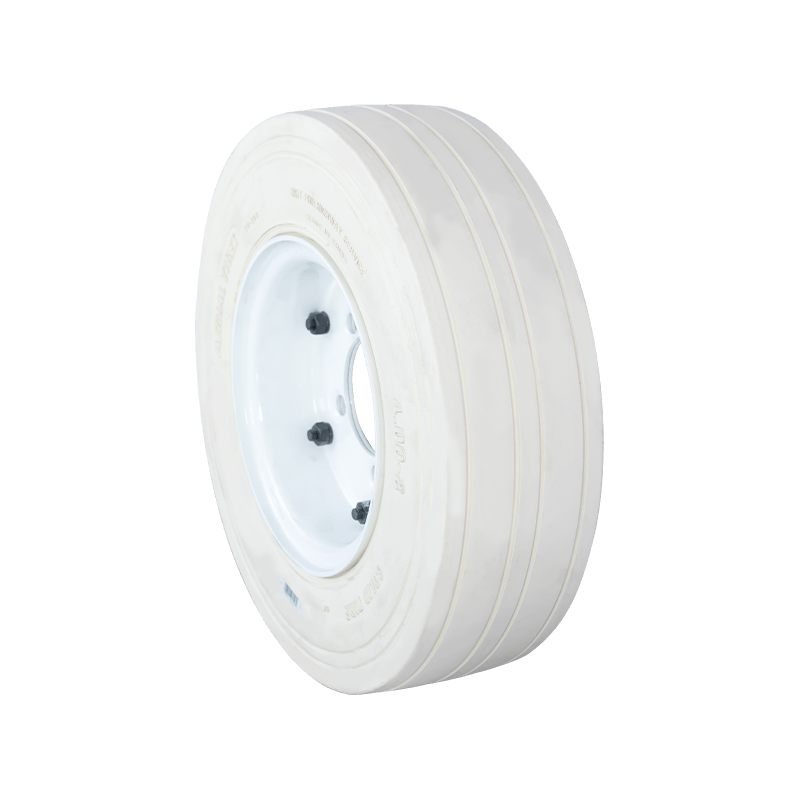 Wholesale Non-marking Solid Tyre Manufacturers, FactoryAs China Non-marking Solid Tyre Manufacturers and Non-marking Solid Tyre Factory, Jiangsu Topower Tyre Co., Ltd. supply Wholesale Non-mar...View Product →
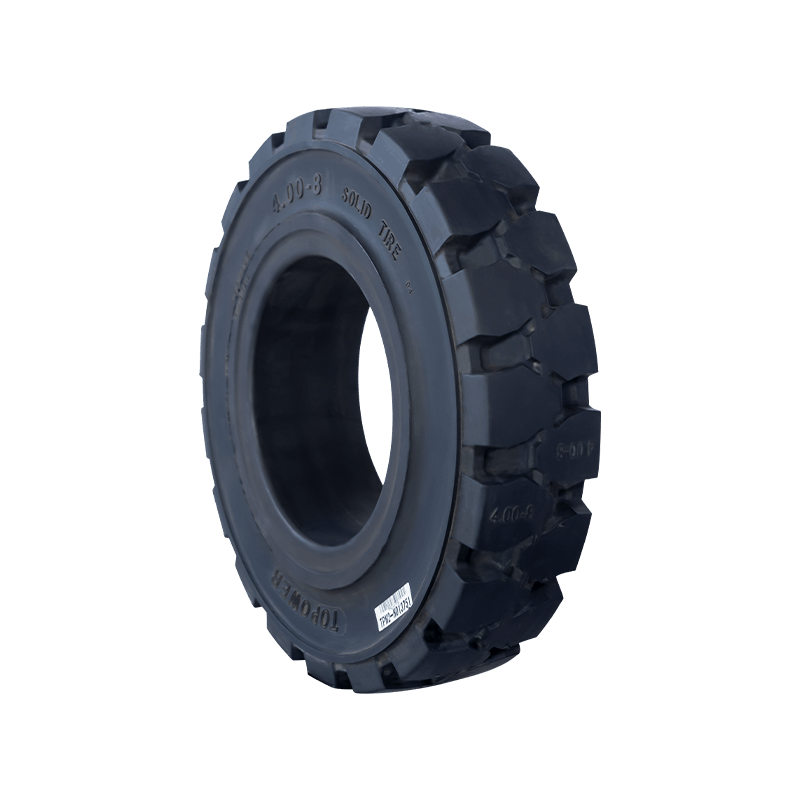 Wholesale Forklift Solid Tyre Manufacturers, FactoryAs China Forklift Solid Tyre Manufacturers and Wholesale Forklift Tyre Factory, Jiangsu Topower Tyre Co., Ltd. specialising in producing ...View Product →
Tyres also affect the behavior of the forklift at the limits of stability. When a forklift with worn tyres turns at speed, the reduced grip and increased sideways flex can shift the center of gravity in ways that the operator does not expect, turning a predictable turn into a tip-over. Uneven tyre wear, or mismatched tyres on the same axle, can cause the truck to pull to one side and can alter the effective rear axle swing. Regular tyre inspection should be part of the pre-shift checklist and the preventive maintenance schedule. Tread depth, sidewall cuts, chunks, cracks, and separation should be checked. Solid tyres should be replaced when the tread is worn to the wear indicator, and pneumatic tyres should be maintained at the manufacturer's specified pressure.
Beyond tyres, other safety components can reduce accident severity and frequency. Seatbelts are critical in counterbalanced forklifts because they keep the operator inside the protective rollover cage during a tip-over. Many operators skip the seatbelt because they are moving in and out of the truck dozens of times per shift, but a tip-over gives almost no warning. Seatbelt interlocks, which prevent the truck from operating unless the belt is fastened, are available from some manufacturers and are worth evaluating for fleets with high turnover or a history of belt non-compliance. Additional components include overhead guards, load backrests, blue spot lights, strobe lights, and speed limiters.
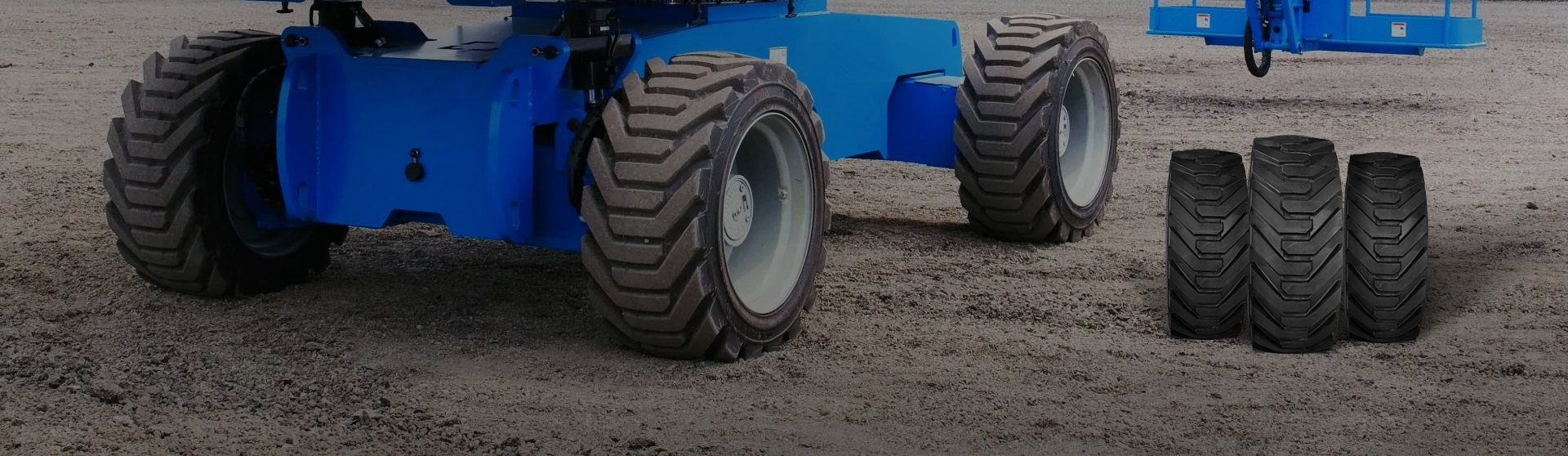
For operations that involve severe application conditions, such as striking curbs, crossing rail tracks, or driving over debris, the choice of a more robust tyre construction provides a measurable safety margin. For example, a boom lift solid tyre is designed for aerial work platforms where stability at height is critical and any air loss could be catastrophic. Although this article focuses on forklifts, the underlying logic applies across all industrial mobile equipment: the tyre should match the environment, the load, and the duty cycle.
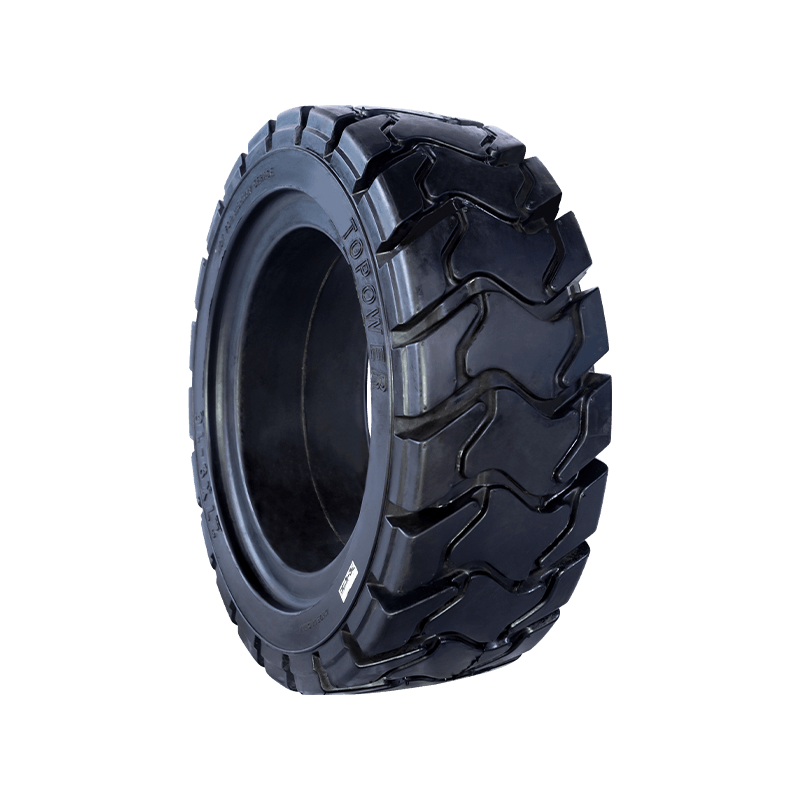 Wholesale Boom Lift Solid Tyre Manufacturers, FactoryAs China Boom Lift Solid Tyre Manufacturers and Boom Lift Solid Tyre Factory, Jiangsu Topower Tyre Co., Ltd. supply Wholesale Boom Lift S...View Product →
Step 7: Enforce Safe Behavior Every Day
Policies and training documents have value only to the extent that they are reinforced in daily operations. A safety culture is created by what supervisors accept, what managers reward, and what happens after a near-miss. If a forklift operator is observed driving without a seatbelt and no one speaks to them, the seatbelt rule is dead in that facility. If a warehouse supervisor praises an operator for completing a short-haul movement quickly while deliberately bypassing the pedestrian barrier, the barrier becomes a suggestion.
Facilities should implement a structured observation program where supervisors conduct regular, scheduled observations of forklift operations and record both safe behaviors and at-risk behaviors. The observations should be non-punitive when possible, meaning that the goal is to identify gaps and improve, not to catch people doing something wrong. However, serious violations such as reckless driving, lifting a worker on the forks, or operating a truck that has been red-tagged should be addressed immediately with progressive discipline. The absence of enforcement is one of the most common root causes cited in forklift accident investigations.
Near-miss reporting is another essential tool. Most serious accidents are preceded by earlier near-misses that were never reported or investigated. A near-miss is a free lesson. Facilities should encourage operators to report every close call without fear of blame, and the reports should be reviewed by a safety committee that can identify patterns and implement corrective actions. For example, if three near-misses involve pedestrians stepping out from the same rack bay, the corrective action is clear: install a mirror or a physical barrier at that location.
Behavioral reinforcement also includes positive recognition. Operators who consistently follow safe practices should be acknowledged publicly. This can be done through safety incentive programs, but the incentives should be based on observed behaviors, not on accident-free days alone. Accident-free day counters can discourage reporting and create a false sense of safety, because a facility can go a long time without an accident while accumulating near-misses.
Step 8: Define Roles, Responsibilities, and Emergency Procedures
An accident prevention program is incomplete without clearly defined roles. The site manager owns the overall safety program. The warehouse supervisor enforces daily compliance. The maintenance manager ensures the fleet is in safe condition. The safety officer coordinates training, incident investigation, and corrective actions. And the operator is responsible for conducting inspections, operating safely, and reporting any hazard. When these roles are written down and assigned to named individuals, there is less room for tasks to fall through the cracks.
Emergency procedures should be established and rehearsed for the most likely accident scenarios: forklift overturn, pedestrian struck, load falling on a person, fire during battery charging, and carbon monoxide exposure in a poorly ventilated warehouse. For an overturn, the operator should be trained to stay in the seat, hold the steering wheel firmly, brace with their feet, and lean away from the direction of impact. Jumping from a tipping forklift rarely ends well, because the operator is likely to be crushed by the overhead guard. For a pedestrian strike, the first aid response and the procedure for securing the area should be documented and drilled. For a fire or a hazardous gas exposure, the evacuation route and the contacts for emergency services should be posted prominently.
Accident investigation is another defined role. When a forklift accident occurs, a designated investigator should gather data within 24 hours: photographs, witness statements, maintenance records, training records, speed logs, and the forklift itself. The investigation should ask not just what happened, but why it happened. If the investigation concludes with the operator's action as the only cause, the investigation has stopped too early. The deeper questions are: Why was the operator trained or not trained to handle that situation? Why did the equipment fail? Why was the pedestrian walking in a forklift zone? Why was the load not secured? Why was the seatbelt not worn? The answers will reveal system weaknesses that can be corrected.
Step 9: Measure, Audit, and Continuously Improve
What gets measured gets managed. A forklift safety program should have a small set of leading and lagging indicators. Lagging indicators include the number of recordable injuries, lost-time injuries, property damage events, and near-miss reports. Leading indicators include the percentage of pre-shift inspections completed on time, the number of refresher trainings completed, the percentage of the fleet with tyres within the wear specification, and the frequency of speed violations recorded by telematics systems. Tracking both types of indicators reveals whether the program is preventing incidents or simply reporting them after they happen.
Regular internal audits should examine training files, maintenance records, inspection reports, and traffic layouts. The audit should include a walkthrough during an active shift, not only during a quiet period, so that real conditions are observed. Auditors should check whether operators are actually wearing seatbelts, whether the floor markings are visible, whether the mirrors are clean and correctly positioned, whether the backup alarms are functioning, and whether the tyres meet the wear limits. If the audit finds gaps, the corrective action plan should assign an owner and a deadline.
Continuous improvement also means benchmarking against industry standards. OSHA regulations set the minimum baseline, but best-in-class facilities go beyond compliance by adopting voluntary standards from organizations such as ANSI/ITSDF, which publishes the B56.1 standard for low-lift and high-lift trucks. This standard covers design, maintenance, and operator training requirements. Facilities should also review industry publications, attend safety conferences, and learn from the incident experience of their peers. For example, the practical recommendations from sources such as the National Safety Council and industry journals can be adapted to site-specific conditions.
Technology and Innovation in Forklift Safety
Technology is changing the forklift safety landscape. One of the most promising developments is the integration of fleet management systems that use sensors and telematics to record operator behavior, truck health, and environmental conditions in real time. These systems can alert supervisors immediately when a forklift exceeds a speed threshold, brakes too hard, lifts a load beyond capacity, or enters a restricted pedestrian zone. They can also generate automatic inspection reminders, reducing the reliance on human memory.
Proximity detection systems are particularly useful in facilities where pedestrian separation is difficult. These systems can use radio-frequency identification (RFID) tags on pedestrian vests and forklift-mounted transceivers to trigger an audible and visual alarm when a pedestrian enters a predetermined danger zone around the truck. In some advanced systems, the forklift is automatically slowed or stopped, giving the operator and the pedestrian an extra moment to react.
Cameras are another proven technology. A rearview camera with a cab-mounted monitor eliminates the blind spot directly behind the forklift, which is one of the most common points of pedestrian collisions. Side cameras and mast-mounted cameras provide views that the operator cannot see by turning their head. These systems are relatively inexpensive compared to the cost of a single accident, and they are effective for both experienced and new operators.
The effectiveness of technology, however, depends on how it is implemented. A camera that is obscured, a sensor that triggers repeated false alarms with nobody acting on them, or a telematics system that produces reports nobody reads will quickly become ignored. Technology should be introduced with clear objectives, training for both operators and supervisors, and a process for reviewing the data it generates. It should also be paired with, not replaced by, the fundamental practices of training, maintenance, and layout design.
Special Considerations for Different Work Environments
Not all forklift operations face the same hazards. A narrow-aisle warehouse storing pallets on high racking has a different risk profile than an open lumber yard or a cold storage facility. Accident prevention strategies should be tailored to the environment.
In cold storage facilities, the concrete floors are often wet from condensation, the lighting is frequently dim, and the temperature affects both operator alertness and tyre grip. Non-marking solid tyres with a compound designed for low temperatures can reduce the risk of skidding. Anti-slip floor coatings and floor drains to manage condensation are also effective. In contrast, outdoor facilities with uneven ground, mud, and debris need pneumatic or larger-diameter tyres that can maintain traction on rough surfaces. The facility should also set a lower speed limit for outdoor areas because of the unpredictable ground conditions.
In food production and pharmaceutical facilities, hygiene rules restrict cleaning agents, floor coatings, and the type of tyres that can be used. Non-marking polyurethane tyres are the standard choice, as they do not leave marks on the floor and can withstand frequent washdowns. In these environments, the risk of pedestrian strikes remains high because staff move between production lines and storage areas. Physical separation of the forklift route from the pedestrian walkway, with lockable gates at crossing points, is the most reliable solution.
In multi-shift operations, the change of shift is a particularly dangerous period. Exiting workers are tired and focused on leaving, incoming workers are just settling in, and the forklift traffic patterns may not be identical to the middle of the shift. A structured shift handover process, including a review of any near-misses or equipment issues from the previous shift, should be part of every facility's routine. The battery charging or refueling area should also be located away from pedestrian walkways, and the charging process should be supervised to prevent hydrogen gas accumulation and electrolyte burns.
A Practical Roadmap for Implementing Forklift Accident Prevention
If you are reading this guide and wondering where to start, here is a practical sequence of actions that can be completed within 30 to 60 days.
Start with a baseline audit. Walk through the facility during an active shift and observe every forklift operation for at least 15 minutes. Note the truck models, the typical load weights, the floor conditions, the pedestrian volumes, and the existing safety devices. Interview a few operators and ask them what scares them, what they think is unsafe, and what they would change. Operators often know exactly where the near-misses are happening.
Next, review personnel records. Verify that every forklift operator has a current certification, and that the certification includes the specific truck types they operate. Check the training schedule and identify who is due for a refresher. If any operator has been involved in a near-miss or an accident in the last 12 months, move that operator to the top of the refresher list.
Then, review the fleet. Pull out the inspection and maintenance records for each truck. Check for overdue services, open work orders, and any recurring repairs that hint at a systemic issue. Inspect the tyres on each truck and record the tread depth, sidewall condition, and pressure. Replace any tyre that is below the wear limit or shows cracks, chunks, or separation. For facilities using pneumatic tyres, confirm that the air pressure is set to the manufacturer's specification and that all trucks have either a spare tyre program or a quick-replacement contract with a service provider.
Next, address the physical environment. Install mirrors at the ten worst blind corners in the facility. Extend or refresh the floor markings in pedestrian zones. Post speed limit signs in every aisle where forklifts operate. If pedestrian traffic crosses the main forklift route, install a physical barrier or a gate at that crossing. These are low-cost actions that can be done within days and have an immediate effect.
Finally, set up a reporting and review system. Create a shared document where near-misses are recorded with the date, location, description, and suggested corrective action. Schedule a weekly 15-minute safety huddle where the supervisor reviews the new near-misses with the team and assigns action items. This single habit can transform a reactive culture into a proactive one.
Why Near-Misses Matter More Than Accident Statistics
A facility can go years without a reportable forklift accident while still being one mistake away from a fatality. Accident statistics are a lagging indicator; they tell you what has already gone wrong, not what is currently at risk. Near-misses are the leading indicator that reveals the edges of the safety envelope. When a pallet tips slightly but does not fall, when a pedestrian jumps out of the way of a reversing forklift, when a truck's rear wheels lift for a second before settling back down, these are not non-events. They are evidence that the current safety barriers are not fully effective.
The most effective near-miss programs share several characteristics. They are easy to use, allowing report submission in under a minute, whether through a paper form, a mobile app, or a verbal report to a supervisor. They are non-punitive, meaning that reporting a near-miss never leads to discipline. And they are feedback-rich, meaning that the person who reported the near-miss learns what corrective action was taken. When these three conditions are met, reporting rates rise and incidents fall.
One caution is that near-miss reporting should not be the only channel for identifying risks. Some risks are not visible as near-misses because they have not had the chance to manifest. A racking post that has been hit repeatedly by forklifts, but always at low speed, may not generate a dramatic near-miss report, but it is a clear sign that the racking is exposed and the forklift route is too close. Regular audits, including a checklist that covers racking, columns, doors, dock levelers, and other infrastructure, are essential to catch silent risks.
Understanding the Cost-Benefit of Accident Prevention
Sometimes the conversation about forklift safety is framed as a cost center: training takes operators away from work, mirrors cost money, sensors cost money, solid tyres cost more than pneumatic tyres. But the comparison is misleading. The relevant comparison is between the cost of prevention and the cost of the accident that prevention avoids.
Take a simple example. Replacing a set of worn pneumatic tyres with a new set of solid tyres might cost $2,000 per truck, plus labor. A single tyre-related accident, in which a blowout causes a forklift to overturn, could easily cost $100,000 when the truck damage, load damage, medical expenses, lost work time, and insurance deductible are counted. The tyre upgrade pays for itself after one avoided blowout. The same logic applies to seatbelt interlocks, proximity sensors, and training hours.
Productivity also improves with safety. A well-trained operator is more efficient because they do not make corrective maneuvers to compensate for unstable loads. A forklift with the correct tyres and maintenance schedule has fewer breakdowns, which means fewer delays. A facility with clear traffic lanes and separated pedestrian walkways moves faster because operators do not have to stop as often to check for pedestrians. The equation is not safety versus productivity; safety is a prerequisite for sustainable productivity.
The Role of Leadership in Forklift Safety
Accident prevention ultimately comes down to what leaders treat as important. If a warehouse manager walks the floor and stops to comment when an operator is driving carefully, the team notices. If the same manager walks past a forklift with a worn tyre and says nothing, the team also notices. Leadership sets the standard through attention, recognition, and consequences.
Senior managers should establish clear safety objectives, such as reducing the number of forklift incidents by 50 percent in the next 12 months, and then allocate resources accordingly. They should review the safety metrics at the same frequency as production metrics. They should make site visits and ask operators about the hazards they face. And they should resist the pressure to prioritize throughput over safety when schedules tighten. The message must be consistent: no load is so urgent that it is worth a serious injury to speed up the process.
Supervisors and team leads are the first line of enforcement. They should be trained to coach safe behaviors, to intervene immediately when they see an unsafe practice, and to handle the emotional dynamics of a team that may resist changes. They should also be empowered to stop a forklift operation if they believe conditions are unsafe, whether the concern is equipment, weather, floor condition, or the operator's physical state at the start of a shift. This empowerment is not limited to formal safety officers; anyone who observes a serious hazard should have the authority to request that operations stop until the hazard is resolved.
Common Obstacles to Forklift Safety Programs
Even well-intentioned facilities encounter obstacles. One common obstacle is staff turnover. In regions where warehouse labor is in high demand, operators may stay only a few months, and the effort spent on training a new operator is lost when they leave. It is tempting to shorten training to keep up with staffing needs, but this creates a slow-burning risk. The solution is to make the training process as standardized and efficient as possible without cutting the safety-critical elements, and to pair new operators with experienced mentors for the first shifts after certification.
Another obstacle is the belief that a forklift accident is always the operator's fault. This belief prevents systemic improvement. If an operator who is properly trained and properly supervised still has an accident, the question should be what conditions made the accident possible. Perhaps the truck was overloaded because the load weight was not marked on the shipment. Perhaps the pedestrian was in the truck's path because the pedestrian route was not clearly marked. Perhaps the tire was worn because the maintenance budget was cut. The most effective incident investigators dig until they find several causes, not one.
Budget constraints are also common. A facility may not have the funds to install a full fleet management system or to upgrade all tyres at once. In that case, the priorities should be based on risk. The highest-risk operations, such as the forklift that handles 10,000-pound loads in a busy pedestrian zone, should receive the first cameras, the first new tyres, the first sensor systems. Lower-risk operations can wait. The safety committee should maintain a risk register with each identified hazard and the current control in place, so resources are allocated transparently.
Resistance to change is a human obstacle that appears in almost every safety improvement initiative. Operators may feel that a seatbelt interlock or a proximity sensor implies they are not trusted. Supervisors may feel that a new reporting system adds paperwork. To reduce resistance, involve the team in the selection of the solution. Show the data that motivated the change. Ask the operators what they would prefer. A forklift operator knows the truck better than anyone, and they may have suggestions that make the technology work better than the original plan.
References and Standards: A Note on Compliance
While this guide focuses on practical prevention, it is important to place it within the regulatory framework. In most jurisdictions, forklift operation is governed by national or regional occupational safety regulations. In the United States, the relevant standard is 29 CFR 1910.178, which sets requirements for operator training, truck maintenance, and the general safe operation of powered industrial trucks. The standard specifies that operators must be trained and evaluated on the specific truck types they operate, and that refresher training must be provided under defined conditions.
Beyond regulations, voluntary industry standards offer a deeper reference. The ANSI/ITSDF B56.1 standard covers the design and safe use of low-lift and high-lift trucks. It includes sections on stability testing, the incorporation of safety devices, and guidance for maintenance. Manufacturers often cite compliance with this standard in their product documentation. Facilities should also be aware that insurance providers may impose specific requirements, such as annual operator certifications or documented maintenance records, as a condition of coverage. The regulatory baseline is not the target; the target is a level of safety that the site team would be comfortable with for their own family members working in the facility.
One practical way to identify whether your facility needs a comprehensive review is to compare your current practices against a published list of safety requirements or recognized best practices. Industry resources, such as those outlined in our analysis of solid tyre load-bearing performance, can help connect the mechanical properties of equipment components to real-world safety outcomes. The link illustrates how the topic of forklift accidents is not isolated from the technical details of tyres; the manufacturer's specification and the site condition determine whether a forklift operates within its designed safety envelope.
Conclusion: A Systematic, Ongoing Commitment
Preventing forklift accidents is not a one-time project. It is an ongoing discipline that requires attention to training, equipment, layout, communication, and culture. The steps described in this guide are not sequential in a strict sense; they should be implemented together and reinforced continuously. A facility that trains operators thoroughly but ignores tyre maintenance will still face tip-over risks. A facility that installs the best cameras and sensors but tolerates unsafe driver behavior will still have incidents. The strongest programs treat each element as a layer in a defense system, and they make safety a topic of conversation every single day.
Start small if necessary. Pick one high-risk area, conduct a focused audit, put corrective actions in place, and measure the result. Then expand to the next area. The goal is not to reach zero accidents tomorrow, but to build a system that makes accidents increasingly difficult to have. Every near-miss that is reported, every worn tire that is replaced, every new operator who is properly trained, and every pedestrian who learns to make eye contact with the driver is a small step toward the only acceptable target: zero forkliift accidents in your facility.