 English
 русский
 Español
 عربى
عربى
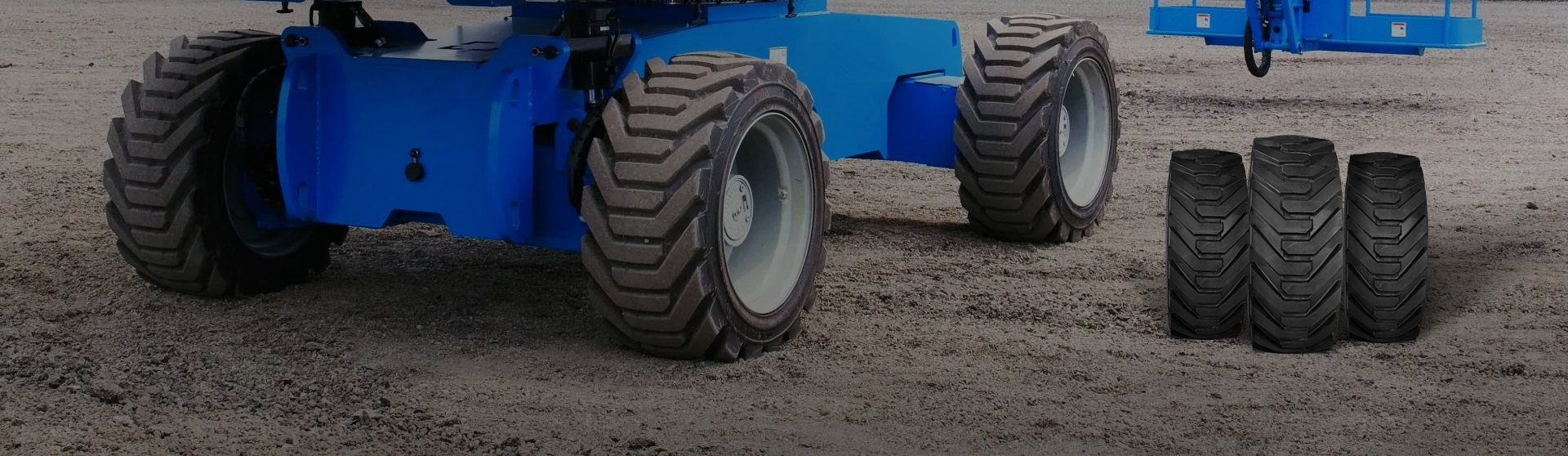

In a high-intensity warehouse or a 24/7 port terminal, a "simple flat tire" is never simple. It represents a cascading failure: an idle machine, an unproductive operator, delayed shipments, and the high cost of emergency mobile tire repair. For forward-thinking fleet managers, the transition to Solid Rubber Tires is not just an equipment upgrade—it is a financial strategy designed to eliminate the single most common cause of industrial downtime.
The Anatomy of Reliability: A Three-Layer Material Science
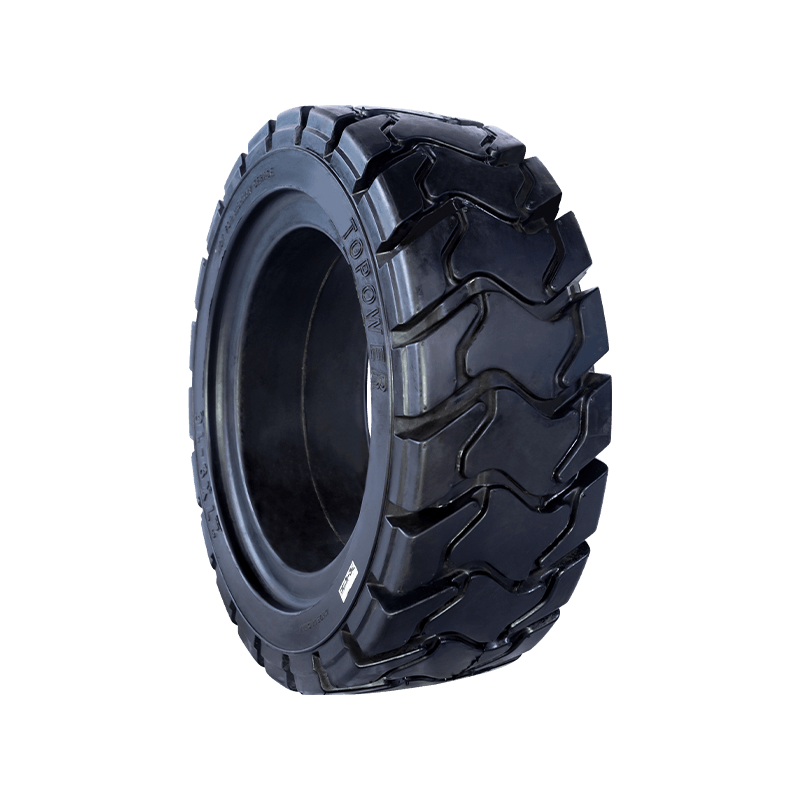
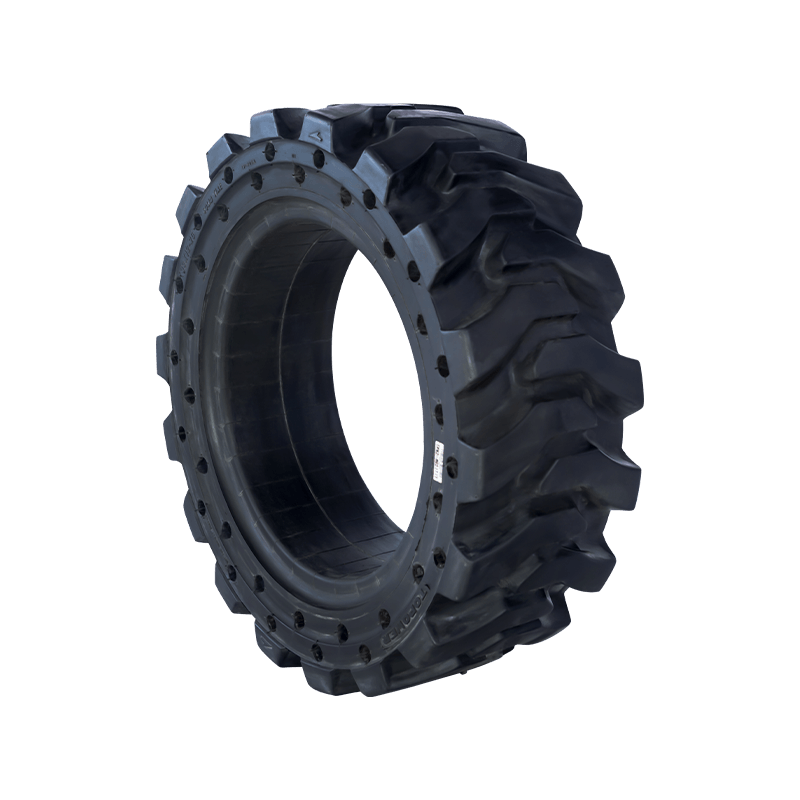
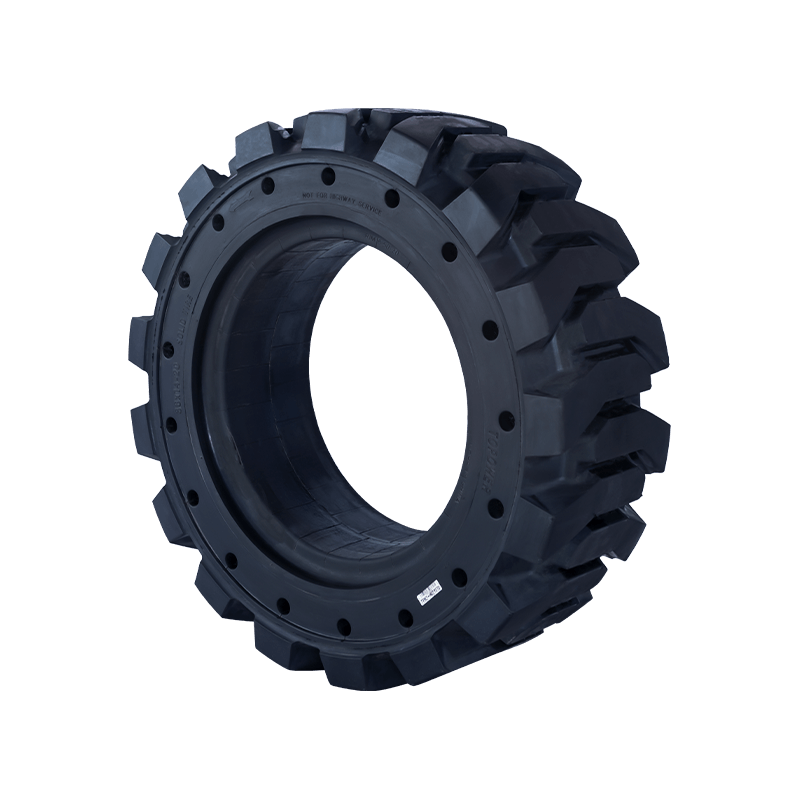
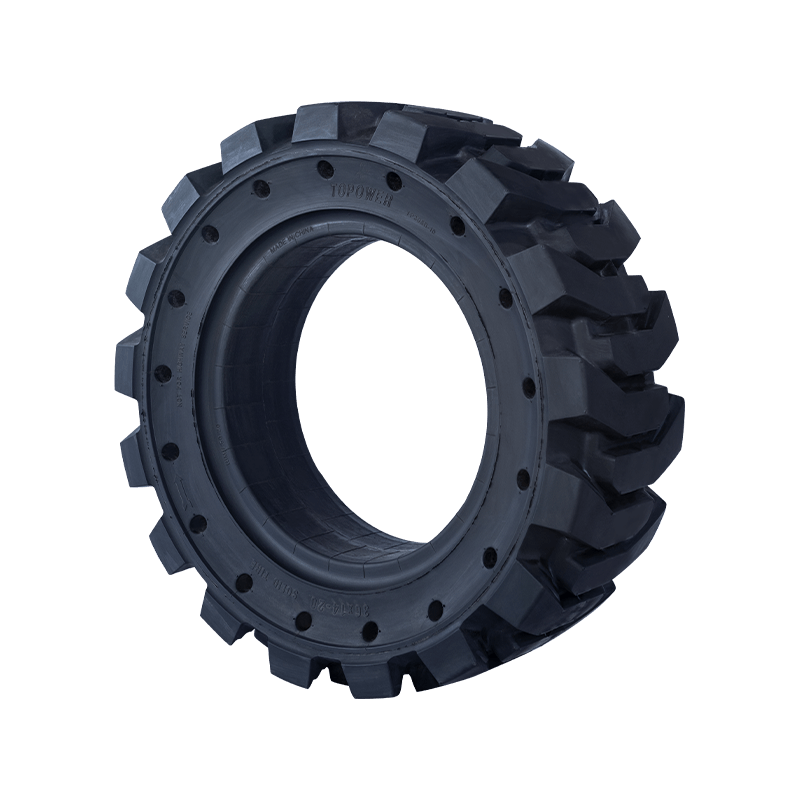
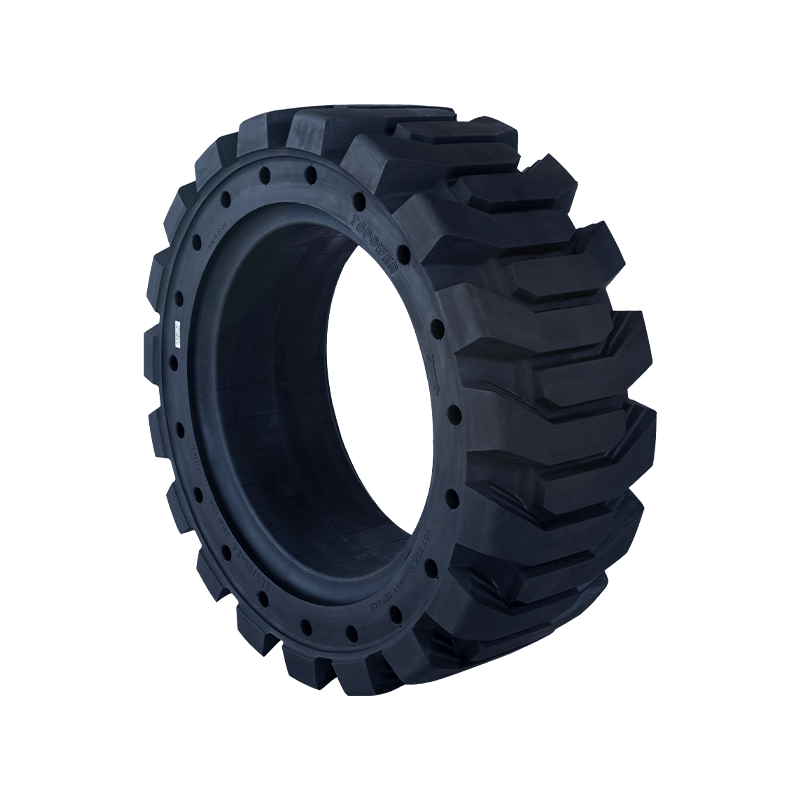
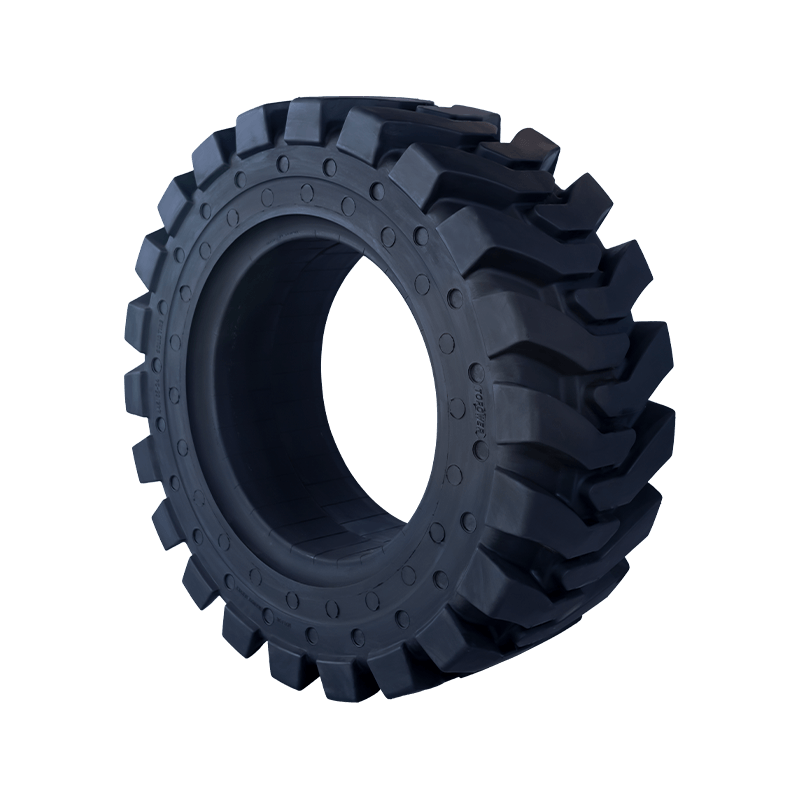
Most users see a block of rubber, but high-performance Solid Rubber Tires are marvels of multi-stage vulcanization. Leading manufacturers utilize a triple-layer architecture to balance comfort with uncompromising durability.
The Power Tread (Outer Layer): This isn't ordinary rubber. It is a high-density, abrasion-resistant natural rubber compound infused with anti-oxidants. It is specifically engineered to provide a "cut-and-chip" resistant surface that maintains its grip even when driving over jagged metal scraps or abrasive asphalt.
The Flex-Cushion Core (Middle Layer): This is the "suspension" of the tire. By using a specialized, softer elastomer blend, this layer absorbs the high-frequency vibrations and kinetic energy generated during travel. This prevents the "jarring" effect on the forklift’s internal electronics and protects the operator’s spine from long-term occupational strain.
The Steel-Reinforced Base (Inner Layer): To prevent the tire from spinning on the rim under high torque, the base is reinforced with high-tensile steel cord rings and a high-durometer rubber matrix. This ensures a permanent, interference-fit grip on the wheel hub, essential for the rapid acceleration and braking cycles of electric forklifts.
Performance Lab: Solid Rubber in Extreme Environments
To truly understand the value, we must look at how Solid Rubber Tires perform where others fail.
The Puncture-Proof Benchmark
In scrap yards and demolition sites, nails and rebar are everywhere. A pneumatic tire in these conditions has a statistical "life expectancy" measured in hours. Solid Rubber Tires provide a total "Immunity Factor." Because there is no air pressure to lose, the tire continues to function even if its surface is riddled with debris. Your operations never grind to a halt because of a blowout—period.
The Vertical Stability Test
When a forklift lifts a 5-ton load 10 meters into the air, even a 1% "pneumatic bounce" can result in a 30cm sway at the mast's tip. Solid tires have virtually zero sidewall flex. This rigidity provides a rock-solid platform for high-reach racking, allowing operators to place loads with millimeter precision, significantly reducing the risk of racking collapses or dropped cargo.
The Maintenance-Free Mandate
The labor cost of checking air pressure across a fleet of 50 forklifts every morning adds up to hundreds of man-hours per year. With professional tire pressing installation, Solid Rubber Tires become a "fit and forget" solution. No valves to replace, no leaks to patch, and no compressors to maintain.
Comparative Technical Analysis
|
Operational Metric |
Premium Solid Rubber |
Industrial Pneumatic |
Foam-Filled Tires |
|
Puncture Risk |
0% (Immune) |
100% (High Risk) |
0% (Protected) |
|
Operational Uptime |
Maximum (24/7) |
Intermittent |
Very High |
|
Vertical Load Stability |
Industry Leading |
Moderate |
High |
|
Rolling Resistance |
Lowest (Saves Battery) |
Variable (Pressure-dependent) |
Moderate |
|
Total Service Life |
3000 - 5000+ Hours |
800 - 1500 Hours |
2000 - 3500 Hours |
|
Maintenance Cost |
$0 (Post-Installation) |
High (Daily Monitoring) |
Low |
Strategic Selection: Matching Compound to Environment
Choosing the right Solid Rubber Tire is about more than size; it’s about the chemical compound.
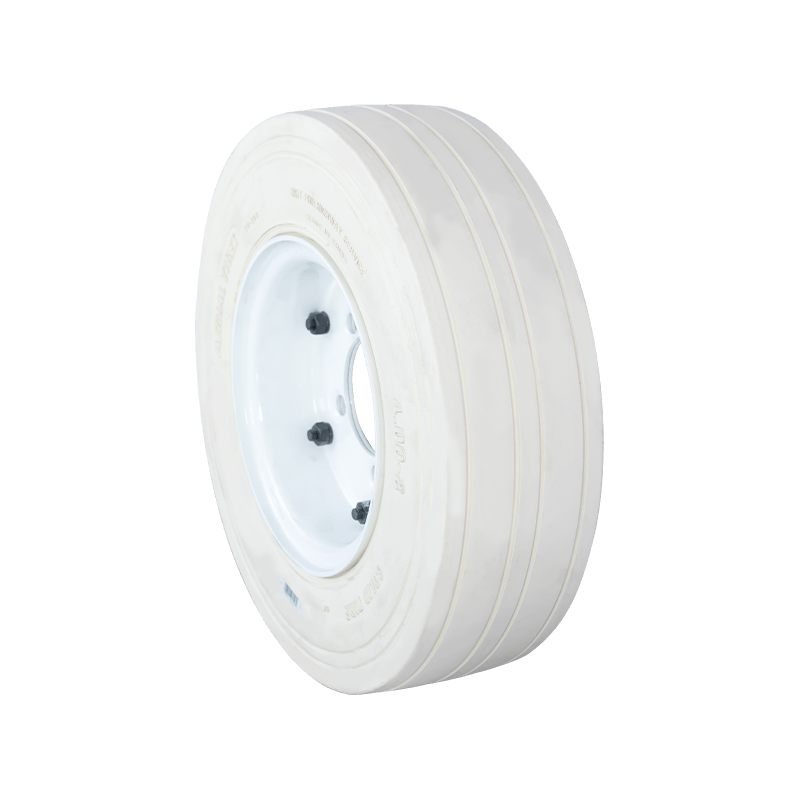
The "Eco-Clean" Non-Marking Solution: For the pharmaceutical and food industries, hygiene is non-negotiable. Our non-marking tires replace carbon black with high-grade silica. This ensures that your facility maintains its "Grade-A" cleanliness rating without leaving unsightly skid marks on epoxy floors.
The "Heavy-Duty Black" Standard: For outdoor ports and steel mills, our standard black compound is enriched with UV stabilizers to prevent rubber "cracking" under direct sunlight and extreme thermal cycling.
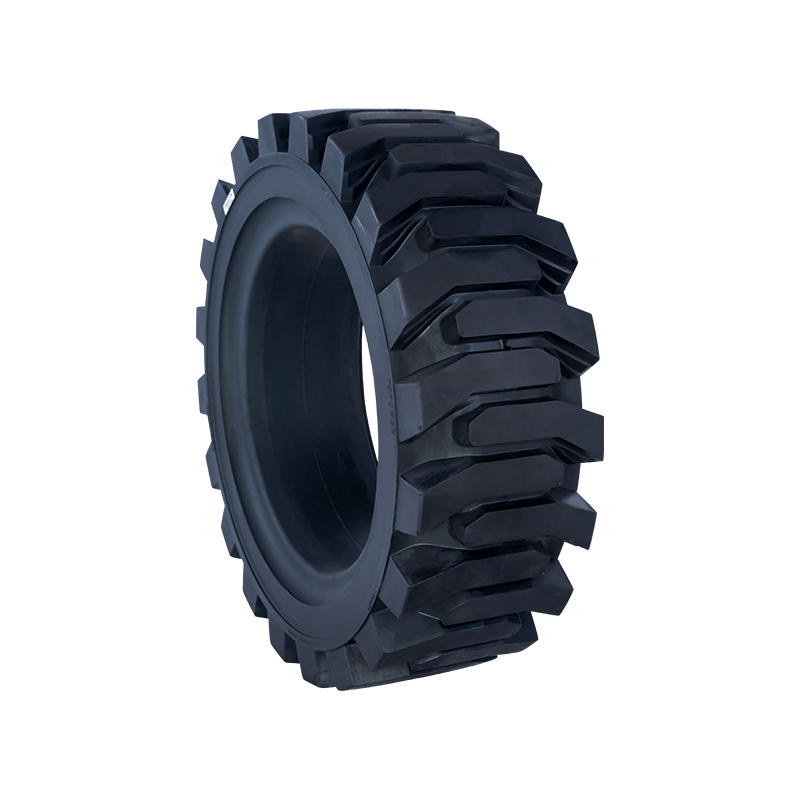
The "High-Traction Lug" Design: For cold storage or slightly damp loading docks, our treaded (lug) patterns provide the necessary "bite" to prevent hydroplaning and ensure safety.
The "Total Cost of Ownership" (TCO) Calculation
Smart procurement looks past the initial invoice. Let's look at the numbers:
Direct Savings in Replacement Cycles: By switching to solid rubber, you are effectively eliminating the purchase of approximately 3 sets of pneumatic tires over the same timeframe that a single solid tire lasts. This drastically reduces your annual procurement spend and reduces waste.
Significant Labor and Overhead Savings: Reclaim hundreds of man-hours by eliminating the need for daily air pressure checks and the labor-intensive repairs required for flats. This allows your maintenance team to focus on high-value preventive maintenance rather than reactive tire service.
Substantial Efficiency Gains: Our advanced low-rolling-resistance compounds translate to 5-10% more "runtime" per battery charge on electric fleets. For internal combustion trucks, this results in lower fuel consumption and reduced carbon emissions across your facility.
Safety Credits and Liability Reduction: Implementing flat-proof technology leads to reduced insurance premiums by eliminating the risk of high-speed blowouts and tip-over accidents. It provides a safer working environment for your operators and protects your capital assets from damage.
Expert Tips for Prolonging Tire Life
To ensure you get the full 5000-hour potential from your tires, follow our "Pro-Audit" checklist:
The 60J Wear Line Standard: Never run a tire past the safety indicator line. Once the tread wears down to the cushion layer, the tire's traction and lateral stability drop sharply, which can compromise the safety of high-lift operations.
Proactive Checks for "Chunking": While small nicks from sharp debris are common and generally harmless, large "chunks" missing from the tire edges can unbalance the axle. This imbalance causes excessive vibration that can damage wheel bearings and transmission seals over time.
Strictly Avoid "Over-Speeding": Solid tires generate significant internal friction heat during travel. Adhering to the manufacturer's recommended speed limits is critical to prevent thermal breakdown and liquefaction of the internal rubber core, which can lead to tire failure.
Why Partner with Us for Your Industrial Tire Needs?
As a specialized provider of high-performance Solid Rubber Tires, we don't just sell rubber; we provide uptime. Our engineering team offers:
Custom Rim Pressing and Installation Services: We provide professional fitment using high-tonnage hydraulic presses to ensure zero slippage between the tire and the hub. This precision mounting maximizes the life of the base layer and prevents rim damage.
Comprehensive Fleet Health Audits: Our specialists analyze your specific floor conditions, load cycles, and temperature ranges to recommend the exact rubber durometer and compound for your site, ensuring you don't overpay for unnecessary specs.
Global Wholesale Logistics and Supply Chain Support: We provide direct-from-factory pricing combined with optimized shipping routes to keep your global operations lean. Our logistical network ensures that your replacement inventory is always available when you need it.