 English
 русский
 Español
 عربى
عربى
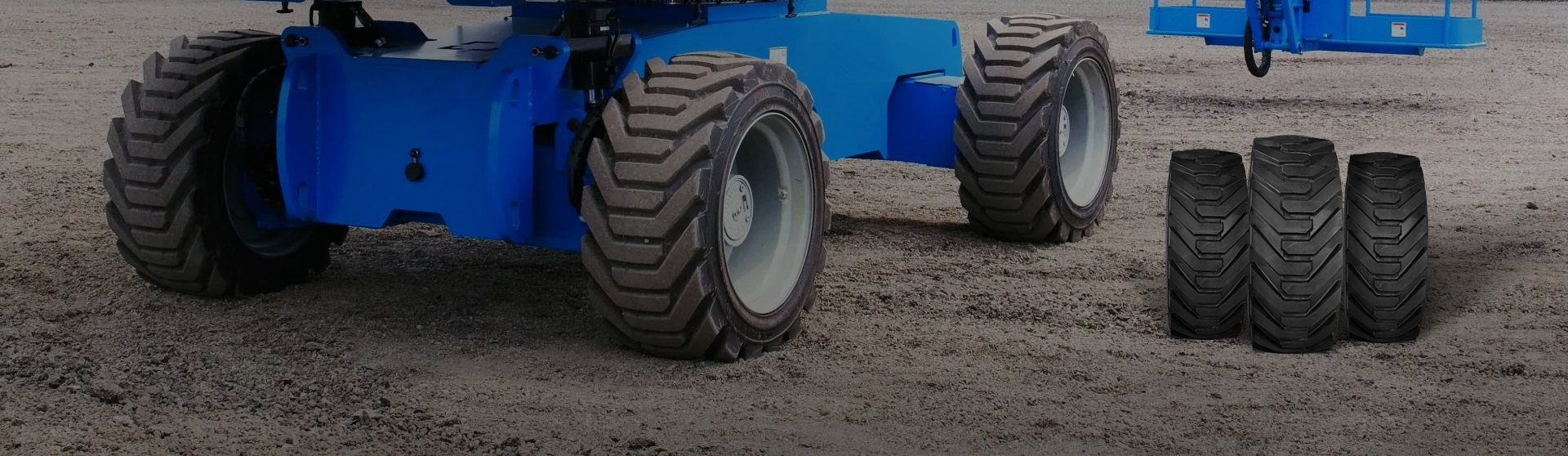

Discover the critical dimensions and superior performance characteristics of Forklift Solid Tyres, the maintenance-free solution engineered for extreme load-bearing and harsh industrial environments where pneumatic failure is not an option.
Understanding the Architecture of Forklift Solid Tyres
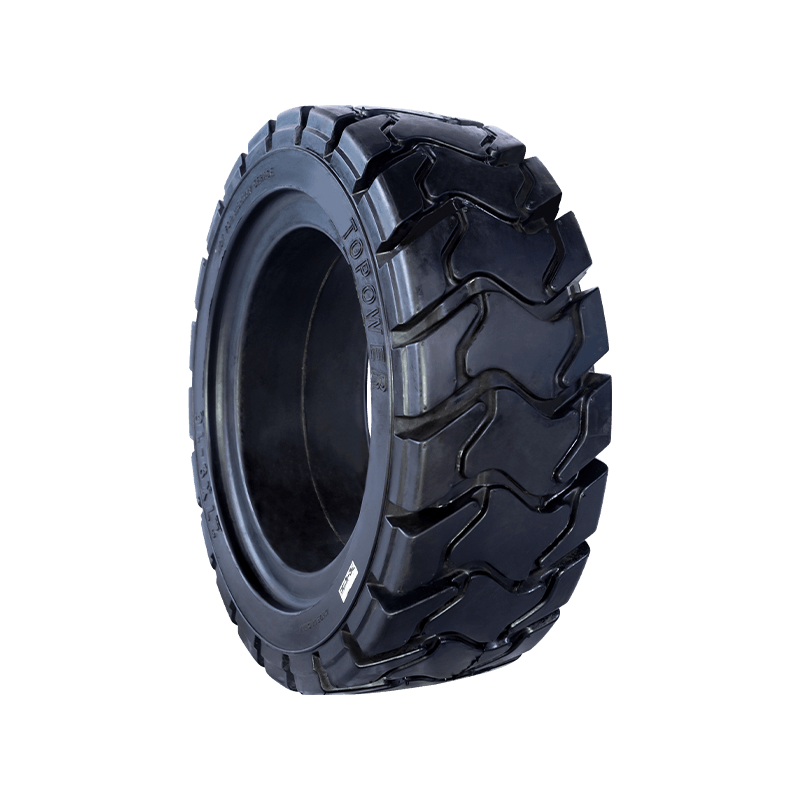
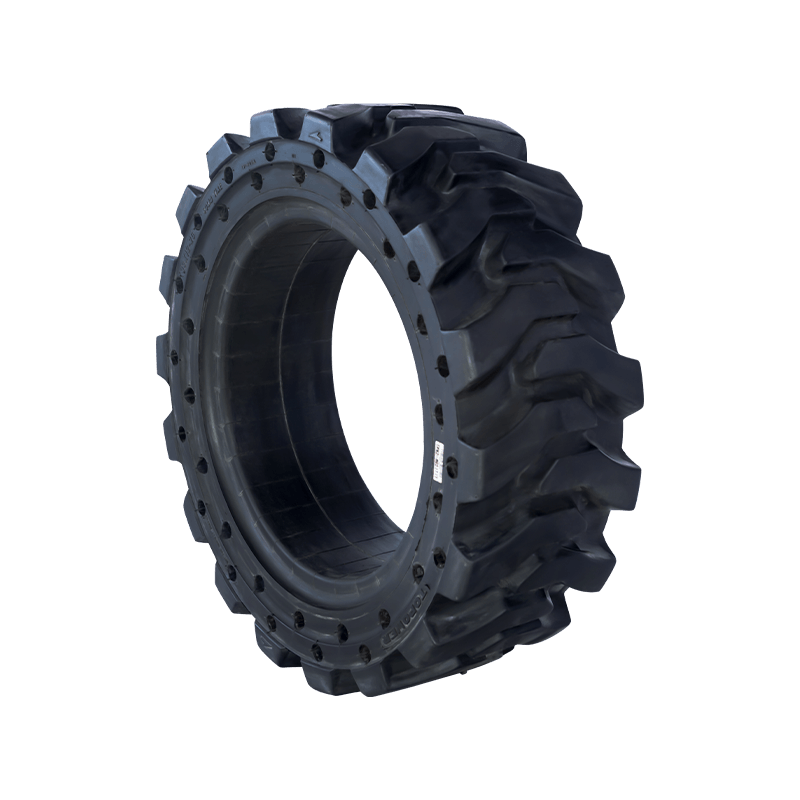
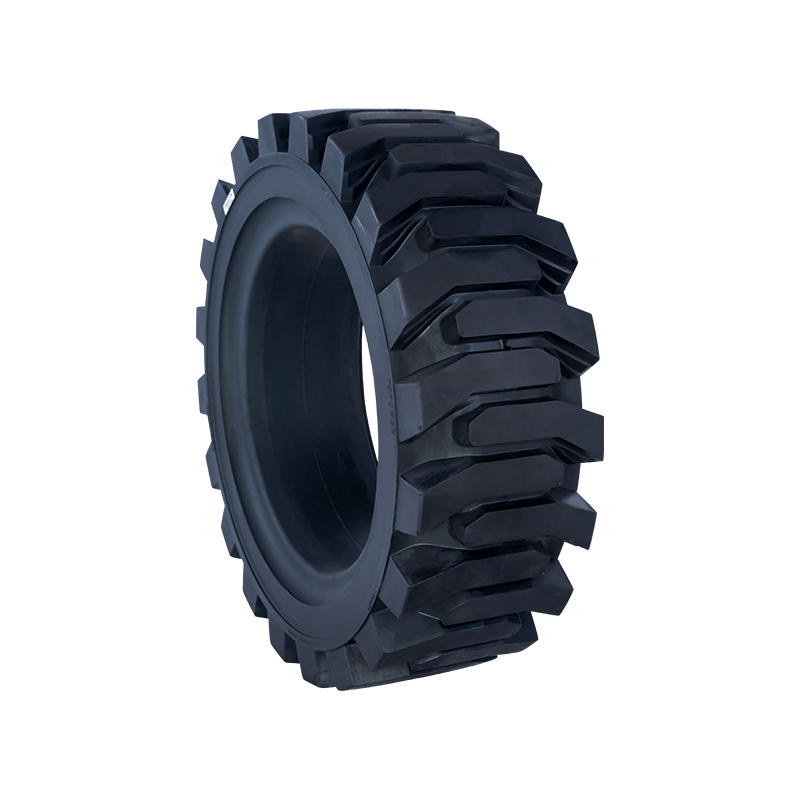
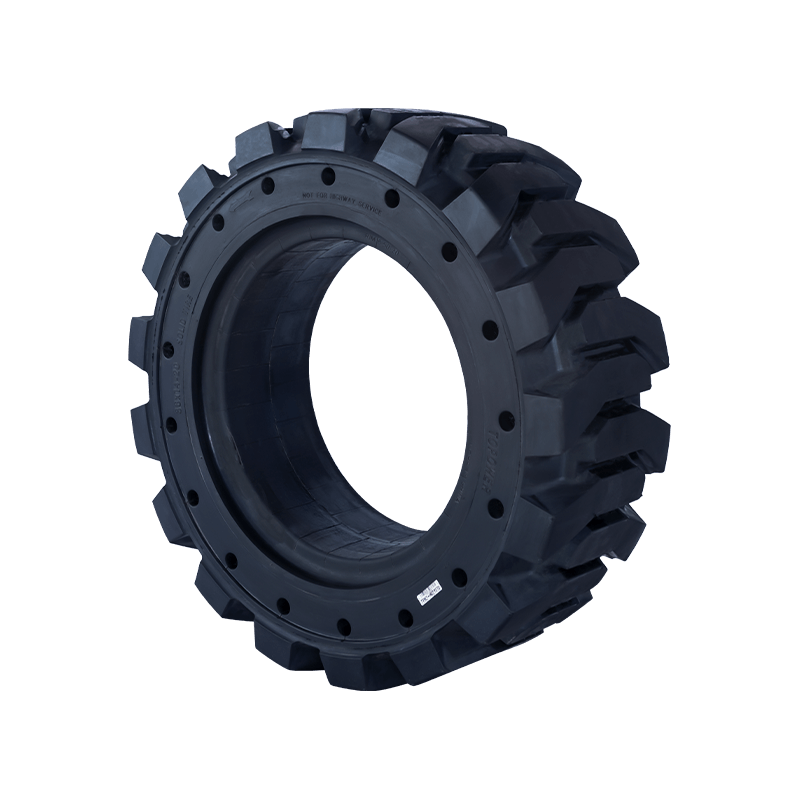
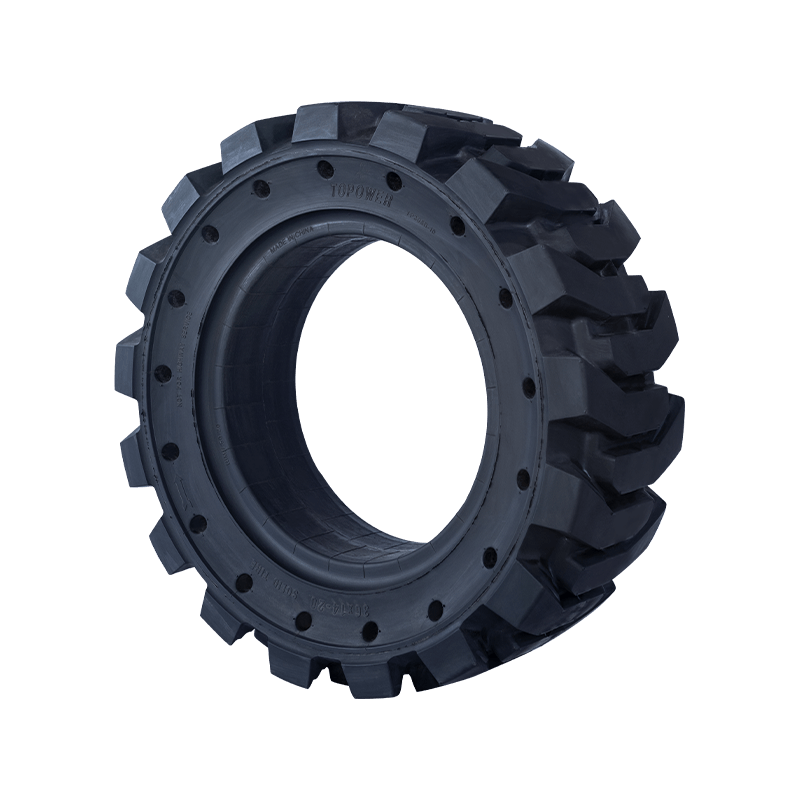
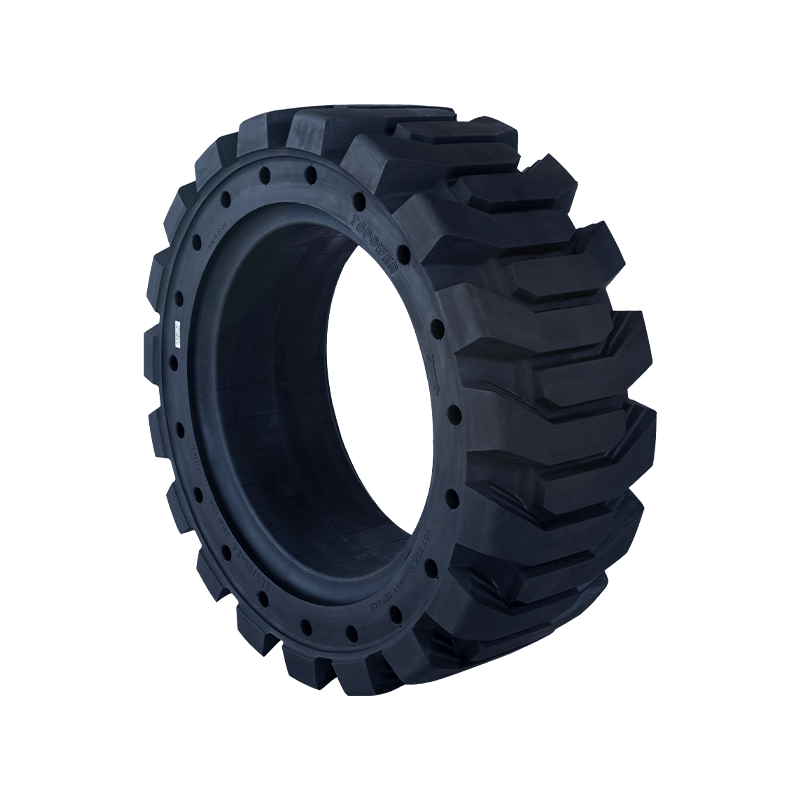
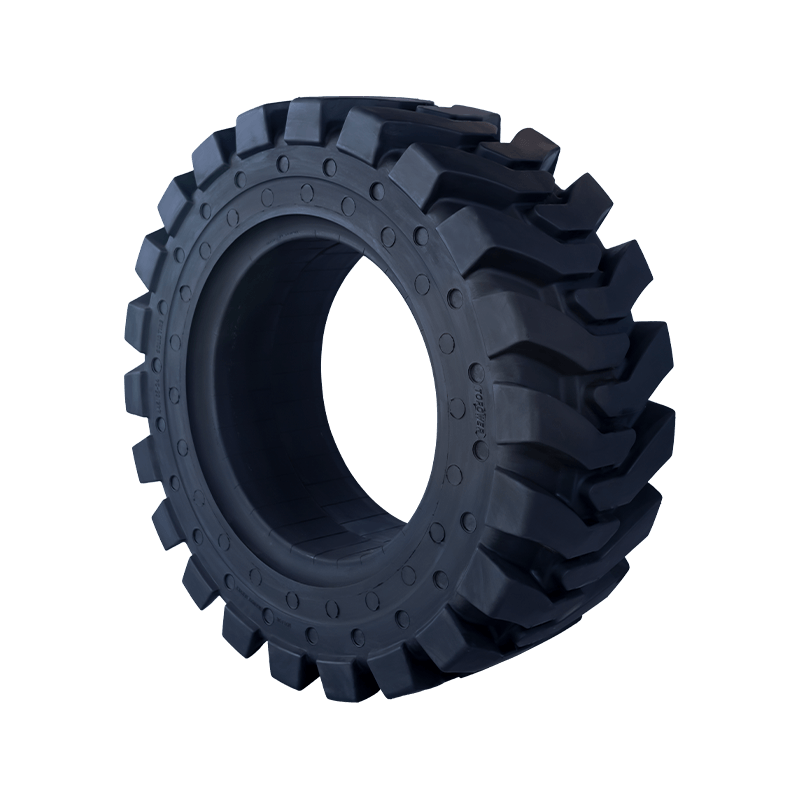
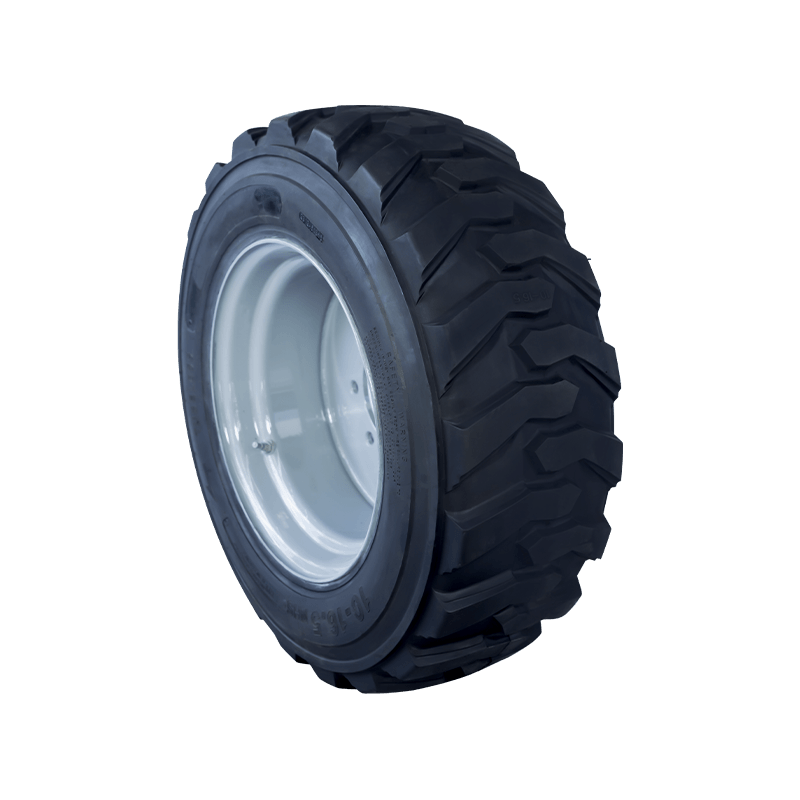
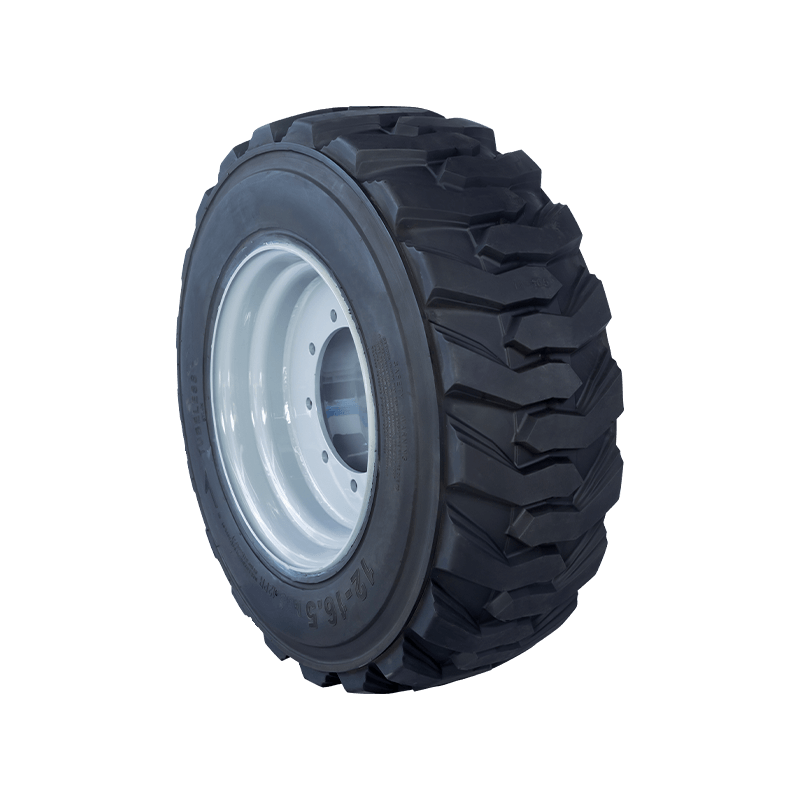
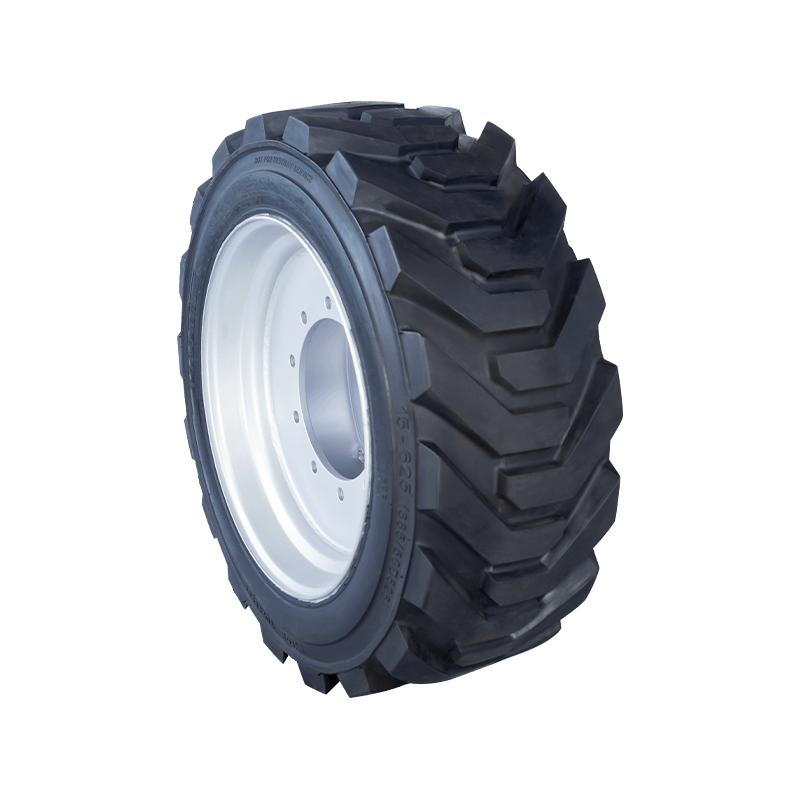
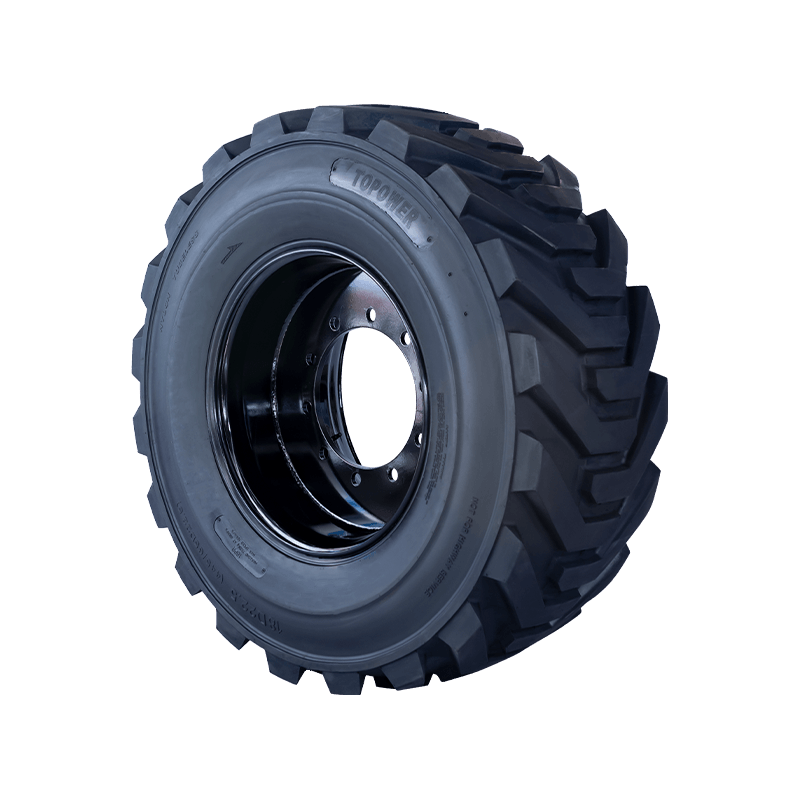
A Forklift Solid Tyre is specifically designed for industrial lifting equipment. Unlike air-filled tyres, these are "pneumatic rim solid tyres," meaning they are engineered to fit onto standard pneumatic rims using a specialized tyre pressing machine.
The Engineering Advantage
The primary reason industries switch to solid tyres is their structural integrity. Because they are composed of high-quality rubber compounds throughout, they offer:
Massive Load Capacity: Engineered with a high-density rubber core to support the intense downward pressure and vertical load requirements of heavy-duty forklifts, ensuring the tyre maintains its shape even under maximum tonnage.
Explosion-Proof Safety: Provides total immunity to punctures, sidewall tears, and catastrophic blowouts. This is critical in high-traffic warehouses and scrap yards where sharp debris would instantly disable a traditional pneumatic tyre.
Maintenance-Free Operation: Eliminates the need for constant air pressure monitoring, valve stem repairs, or leak patching. This significantly reduces operational downtime and lowers the total cost of ownership by removing the labor associated with tyre upkeep.
Superior Grip & Stability: Designed with advanced deep tread patterns and a wide contact patch for maximum traction on smooth concrete, weathered asphalt, and debris-strewn industrial floors, ensuring stable mast operation during high-lift tasks.
Comprehensive Size Chart: Finding the Right Fit
The size of a forklift tyre is determined by the machine's load rating and the physical dimensions of the hub. Below is a detailed breakdown of our available professional-grade solid tyre sizes.
Industrial Solid Tyre Specification Table
|
Tyre Size |
Type |
Typical Application |
Load Rating |
|
4.00-8 |
Compact |
Small electric forklifts / Tow tractors |
Light-Duty |
|
5.00-8 |
Standard |
1-1.5 ton forklifts (Rear steer) |
Medium-Duty |
|
6.00-9 |
Standard |
2-2.5 ton forklifts (Rear steer) |
Medium-Duty |
|
6.50-10 |
Intermediate |
2.5-3 ton forklifts |
Heavy-Duty |
|
7.00-12 |
Intermediate |
3-3.5 ton forklifts (Front drive) |
Heavy-Duty |
|
7.50-15 |
Heavy-Duty |
4-5 ton industrial lifts |
Extreme-Duty |
|
7.50-16 |
Heavy-Duty |
Specialized rough terrain forklifts |
Extreme-Duty |
|
8.25-15 |
Heavy-Duty |
Heavy port and terminal forklifts |
Extreme-Duty |
|
250-15 |
Wide Profile |
5-7 ton heavy-duty forklifts |
Extreme-Duty |
|
300-15 |
Wide Profile |
8-10 ton heavy-duty forklifts |
Extreme-Duty |
|
16*6-8 |
Low Profile |
Compact warehouse stacking equipment |
Precision |
|
21*8-9 |
Low Profile |
Medium reach trucks |
Precision |
|
23*9-10 |
Low Profile |
Heavy reach trucks / Side loaders |
Precision |
|
28*9-15 |
Low Profile |
High-capacity counterbalance trucks |
High-Stability |
|
200/50-10 |
Metric Wide |
Modern European-spec forklifts |
High-Stability |
Deep Dive into Metric and Imperial Sizing Logic
Understanding the nomenclature is vital for procurement. Most forklift tyres use either an Imperial (inches) or a Low-Profile (diameter x width) format.
The Standard Format (e.g., 6.50-10)
In a size like 6.50-10, the first number (6.50) refers to the nominal width of the tyre in inches, and the second number (10) refers to the diameter of the rim it is designed to fit. These are the most common sizes for standard counterbalance forklifts used in logistics and manufacturing.
The Low-Profile Format (e.g., 28*9-15)
In the format 28*9-15, the "28" represents the overall outer diameter, "9" is the width, and "15" is the rim diameter. These sizes are often preferred for equipment that requires a lower center of gravity or high stability during high-lift operations.
Customization: Beyond the Standard Black Rubber
While the standard Black Wear-Resistant Tyre is the workhorse of the industry, certain environments require specialized materials.
Environmentally Friendly Non-Marking Tyres
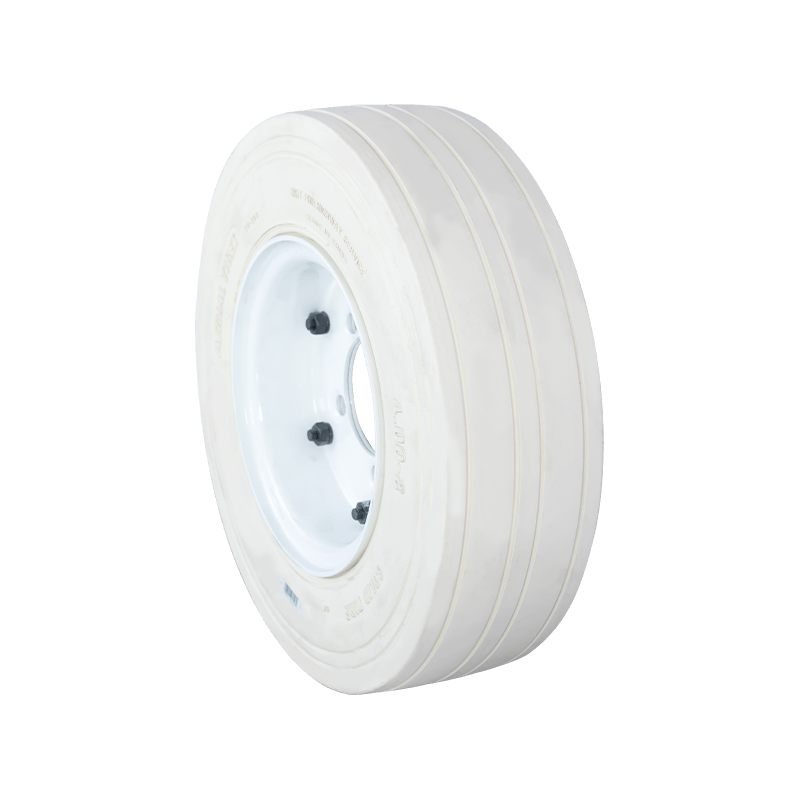
In industries such as food processing, pharmaceuticals, and high-end electronics manufacturing, floor hygiene is paramount. Standard black tyres leave carbon dust and skid marks on light-colored concrete. Our Non-Marking Solid Tyres (often white or light grey) eliminate this issue. They utilize a silica-based compound that provides the same wear resistance and cut resistance as black rubber but leaves absolutely no traces on the facility floor.
Cut-Resistant & Harsh Condition Compounds
For scrap metal yards, glass recycling centers, and timber mills, tyres are subjected to constant "cutting" hazards. Our solid tyres feature a specialized compound that resists chunking and tearing, ensuring that sharp debris does not compromise the tyre's structural integrity.
Why Choose Our Pneumatic Rim Solid Tyres?
The installation of a solid tyre onto a pneumatic rim is a precision process. Using a high-pressure tyre pressing machine, the solid tyre is fused to the rim, creating a singular unit that provides:
Maintenance-Free Longevity: By switching to solid tyres, you effectively eliminate the recurring capital and operational expenses associated with pneumatic systems. This includes the cost of industrial air compressors, specialized pressure gauges, and the significant labor hours required for daily pressure checks and valve stem maintenance. This leads to a simplified fleet management process and higher machine availability.
Unmatched Wear Resistance: Our proprietary rubber blends are engineered with advanced anti-abrasive agents and have undergone thousands of hours of rigorous stress testing. This ensures a service life that often doubles or even triples that of high-quality pneumatic equivalents, meaning fewer tyre replacements over the machine's lifespan and a significantly lower cost-per-hour of operation.
Maximum Safety and Operational Stability: In high-reach operations, a sudden blowout or rapid pressure loss in a pneumatic tyre can cause a forklift to destabilize or tip, leading to catastrophic accidents. Solid tyres remove this risk entirely by providing a solid, unyielding foundation. This creates a highly stable platform for the mast at full extension, ensuring the safety of the operator and the integrity of the cargo.
Application Scenarios Based on Size
Small & Precision Handling (4.00-8 to 16*6-8)
These compact sizes are typically found on 3-wheel electric forklifts and narrow-aisle reach trucks. They are designed for precision movement in tight spaces, such as retail stockrooms or cold storage facilities.
Medium-Range General Logistics (6.00-9 to 7.00-12)
These are the most popular sizes globally. They power the 2-3.5 ton forklifts seen in almost every warehouse. They provide the perfect balance of maneuverability and load capacity for standard pallet movement.
Heavy-Duty Industrial & Port Work (8.25-15 to 300-15)
When the load exceeds 5 tons, the requirements for tyre density and heat dissipation increase. These larger sizes are found in steel mills, ports, and stone yards where the forklift is expected to carry massive loads over uneven surfaces for 24/7 shifts.