 English
 русский
 Español
 عربى
عربى
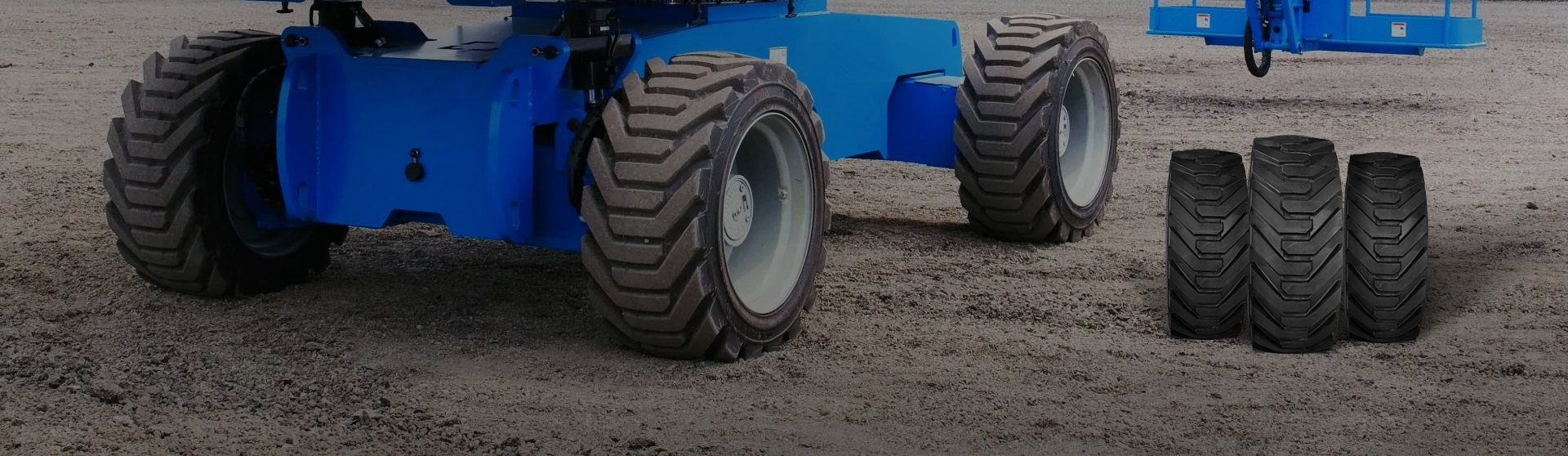

【Industry News】As global warehousing, logistics and manufacturing industries continue to upgrade towards intelligence and high efficiency, forklifts, as the core equipment for material handling, have higher requirements for operational stability, safety and cost control. As the key component connecting forklifts and the ground, tires directly affect the operational efficiency and service life of equipment. In 2026, forklift solid tires have become the preferred choice for more enterprises due to their unique performance advantages, and the industry is showing new development trends centered on adaptability, durability and environmental protection.
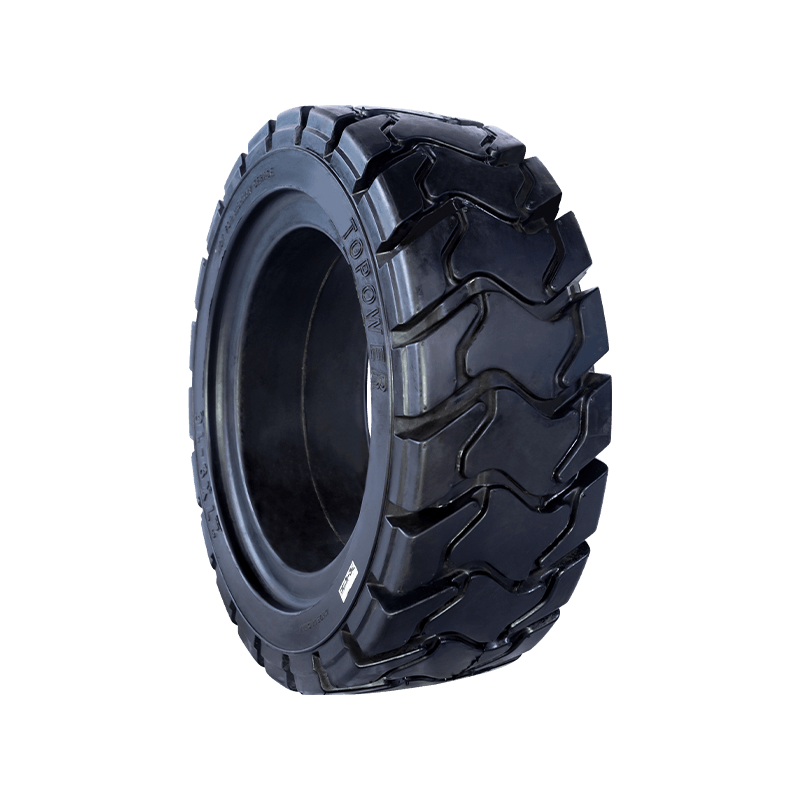
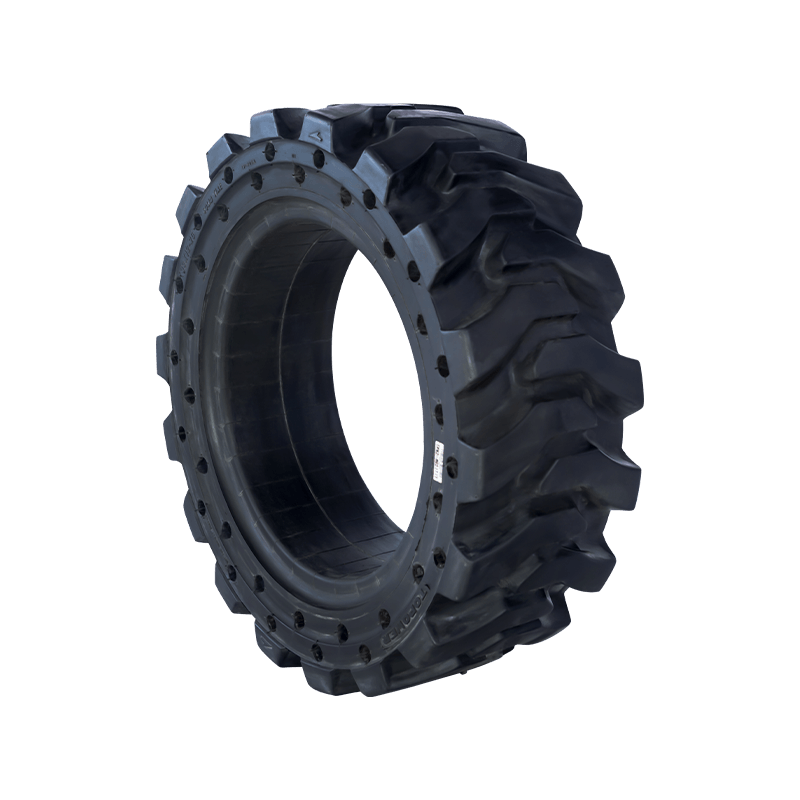
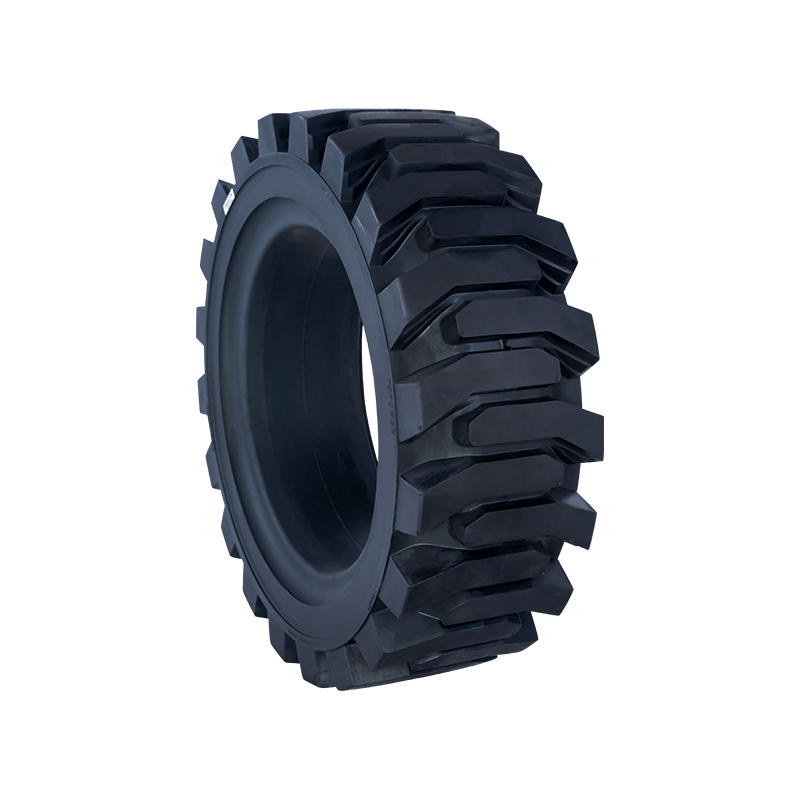
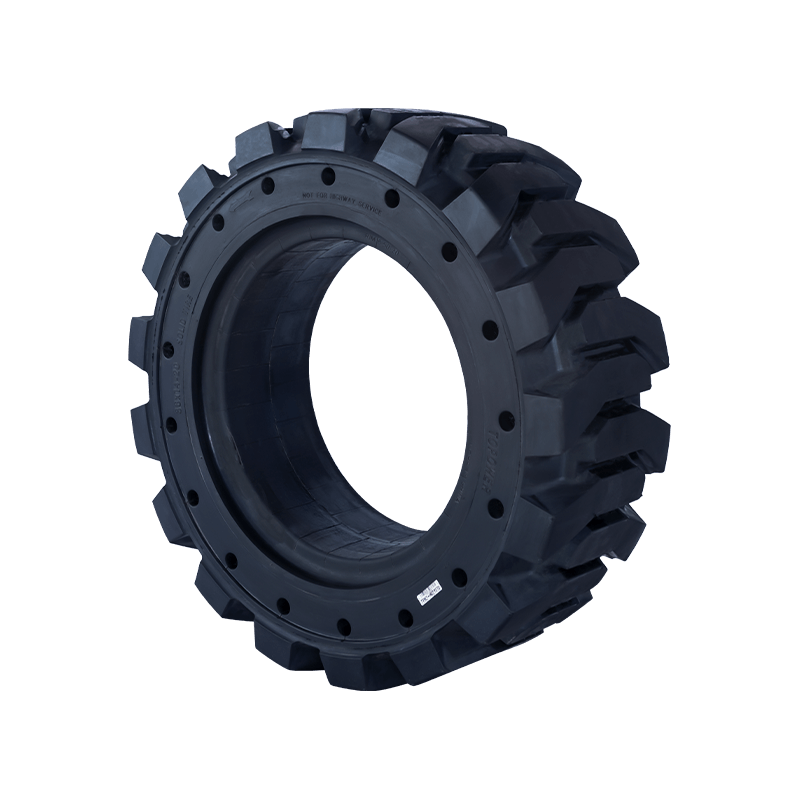
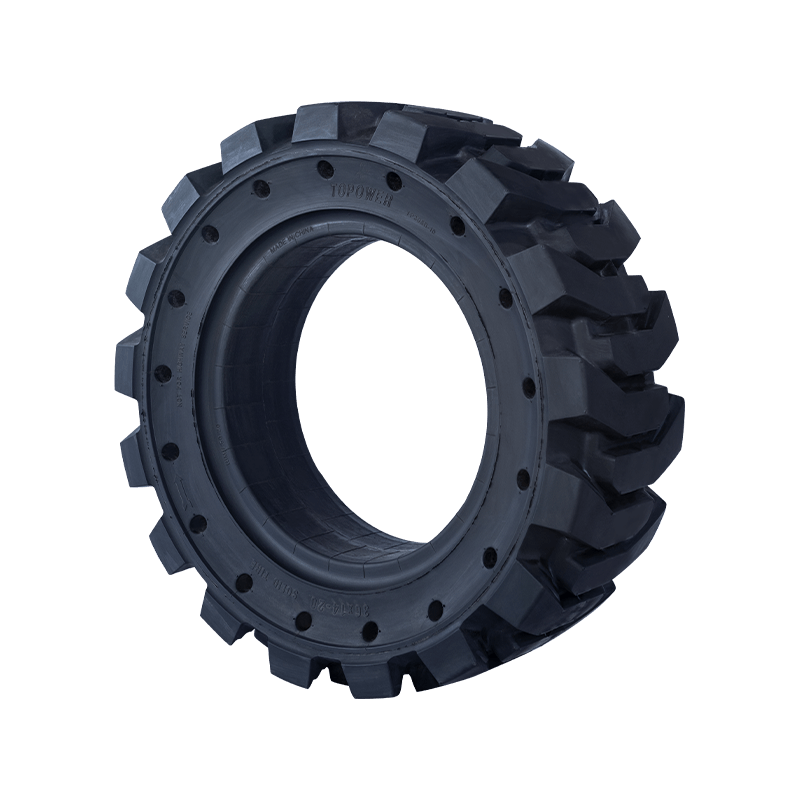
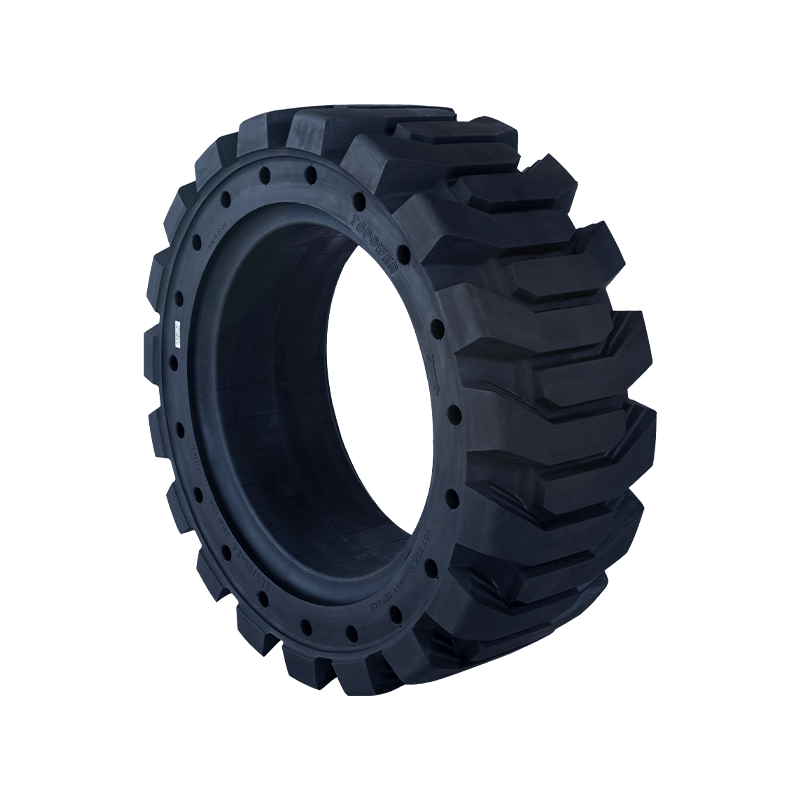
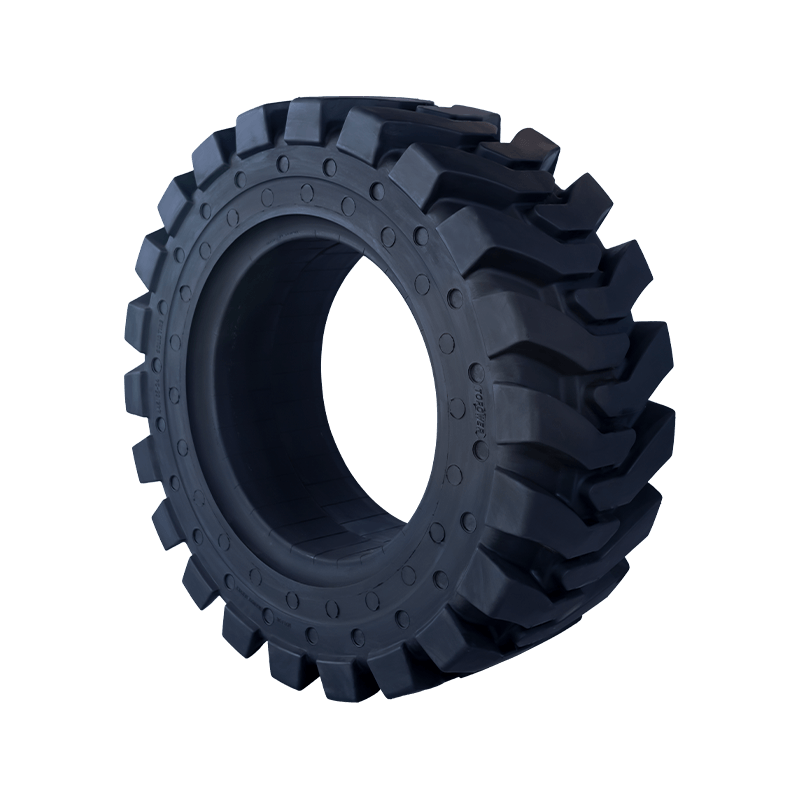
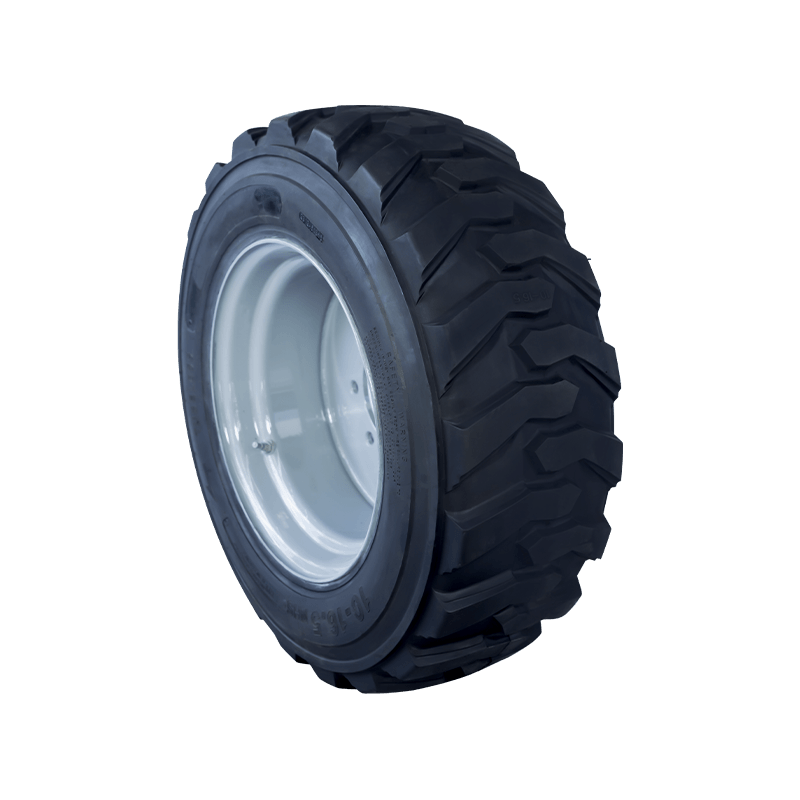
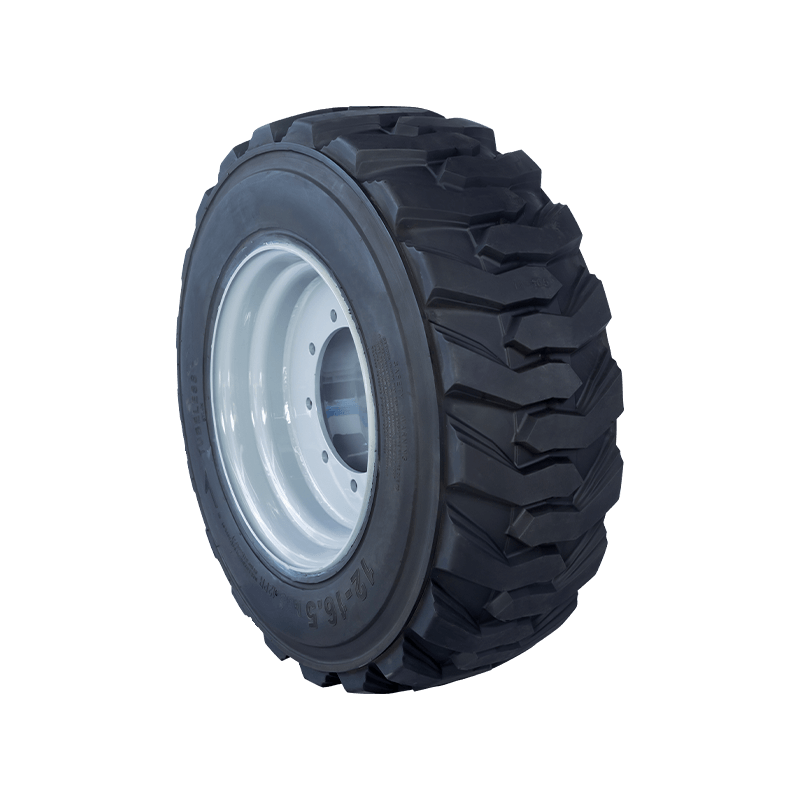
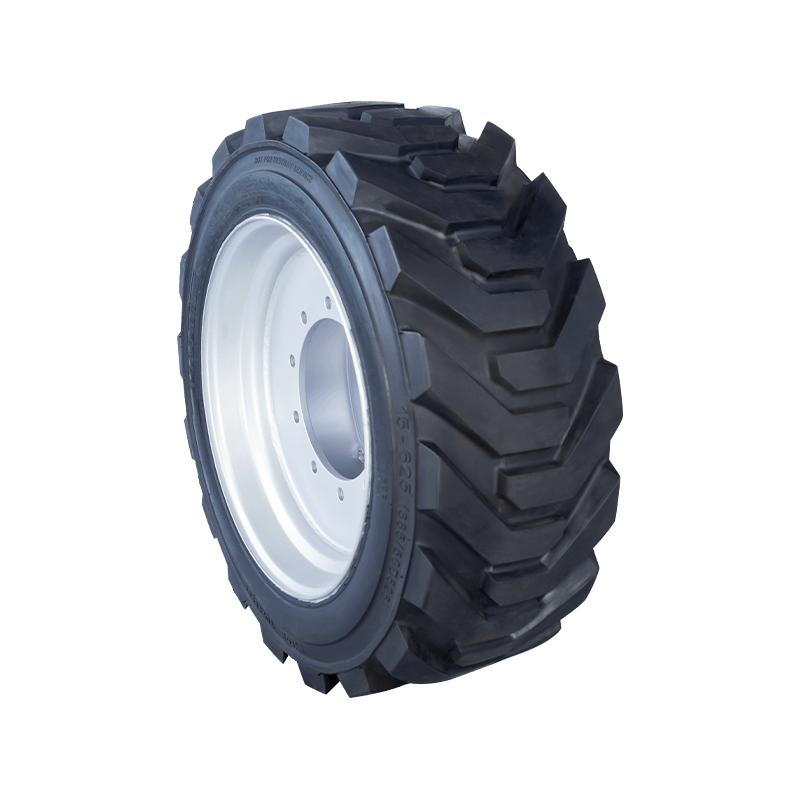
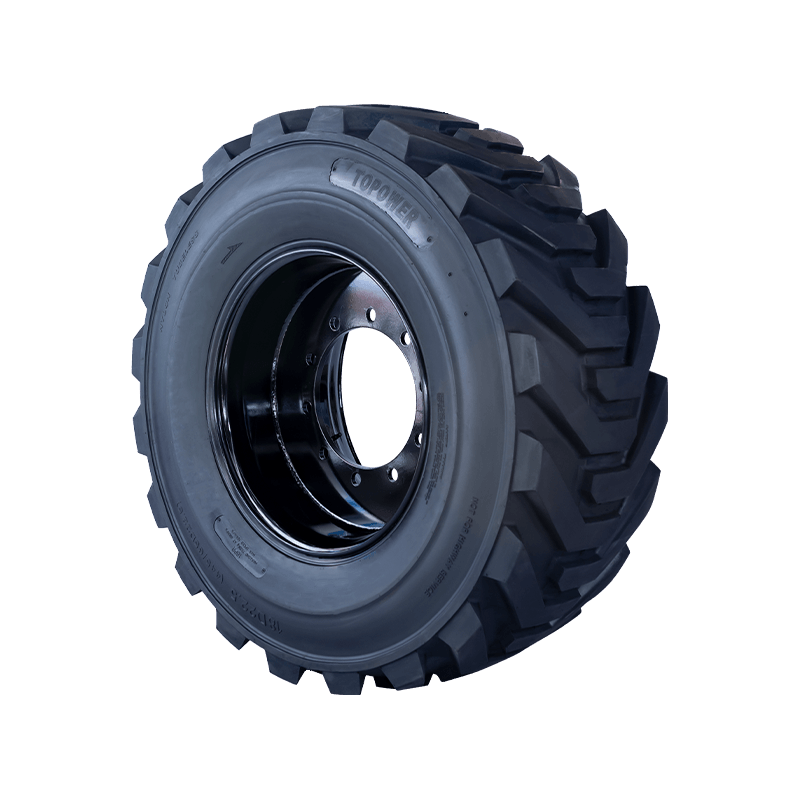
Forklifts are widely used in indoor warehouses, logistics centers, manufacturing workshops, port yards and other scenarios, where the ground often has sharp objects such as metal debris, pallets nails and gravel, and frequent start-stop, turning and heavy-load operations put high pressure on tires. Traditional pneumatic tires are prone to puncture and blowout in such environments, leading to unexpected equipment downtime and affecting the normal operation rhythm of enterprises. Forklift solid tires, with their tubeless integral structure, effectively solve this pain point—made of high-elasticity and high-wear-resistant rubber materials, their tire body thickness can reach more than 30mm, which can resist the invasion of sharp objects and fundamentally eliminate the risk of blowout and air leakage.
In 2026, the technological iteration of forklift solid tires is accelerating, and product performance is continuously optimized to adapt to diverse working conditions. In terms of material innovation, many manufacturers have adopted polyurethane (PU) composite rubber formulas, adding components such as carbon black and silica gel, which not only improve wear resistance and tear resistance, but also enhance shock absorption performance, reducing the impact of equipment vibration on operators and forklift components. In terms of structural design, some new products adopt a honeycomb shock absorption structure and non-directional pattern design, which not only simplifies the installation process, but also increases the ground contact area, improving grip and operational stability, and is more suitable for narrow channel operations in warehouses.
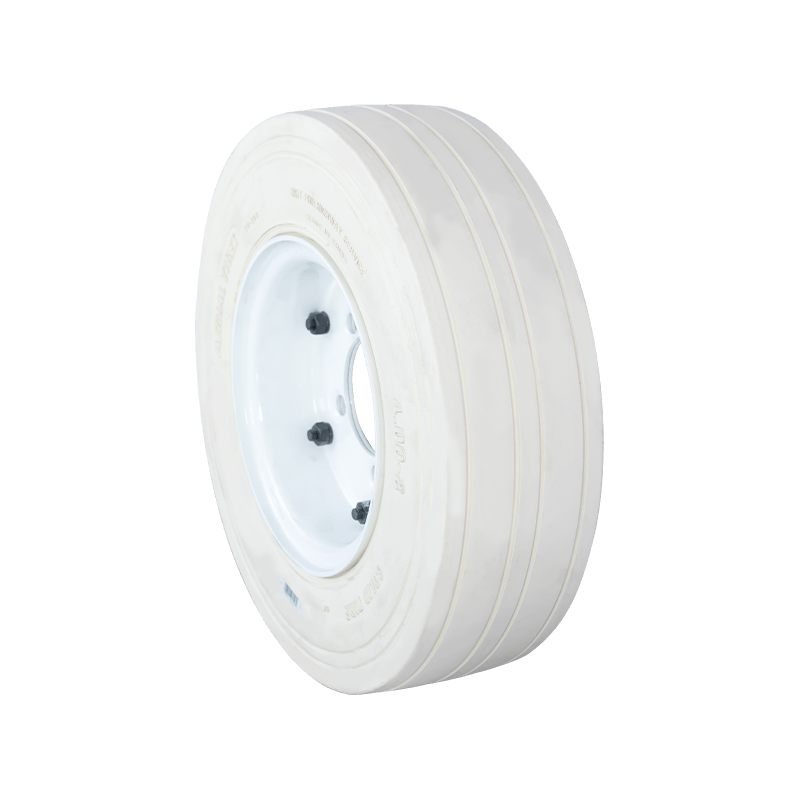
The adaptability of forklift solid tires to working conditions has been further expanded, covering more forklift operation scenarios. For indoor commercial warehouses and clean workshops such as medical and food industries, mark-free and dust-free solid tires are available to avoid black tire marks and meet cleanliness standards; for outdoor construction sites and metal processing workshops with many sharp objects, wear-resistant and puncture-resistant models can effectively reduce tire damage; for cold storage and high-temperature operating environments, special formula solid tires can maintain stable performance and adapt to temperature changes. Meanwhile, solid tires have obvious advantages in load-bearing capacity—under the same size, their rated load is usually 20%-30% higher than that of pneumatic tires, which can well meet the needs of heavy-duty forklift operations.
From the perspective of operational economy, although the initial purchase cost of forklift solid tires is higher than that of pneumatic tires, their service life is 3-5 times that of traditional pneumatic tires, and they do not require regular air pressure inspection, inflation and tire repair, which greatly reduces daily maintenance costs and equipment downtime. Data shows that for medium-sized forklifts, the total cost of ownership (TCO) of solid tires can be reduced by about 40% within 5 years, which brings obvious cost-saving effects for enterprises with a large number of forklifts. In addition, more and more manufacturers have introduced old tire retreading and remanufacturing technologies, realizing resource recycling and conforming to the global green and low-carbon development trend.
Industry research reports show that the global forklift solid tire market is growing steadily, with an estimated market size of USD 1.93 million in 2026, and is expected to reach USD 2.97 million by 2035, with a compound annual growth rate of 4.95%. The continuous expansion of e-commerce fulfillment centers and industrial parks has driven the demand for forklifts, and further promoted the popularization and application of solid tires. It is predicted that in the future, forklift solid tires will develop in the direction of intelligence, customization and environmental protection, and more products adapting to automated forklifts and AGV equipment will appear, providing more reliable support for efficient and safe industrial handling.
If you want to know how to choose the more suitable forklift solid tire for your operation scenario and reduce operational costs, click to view the detailed product parameters and scenario adaptation guide, and get professional selection suggestions.