 English
 русский
 Español
 عربى
عربى
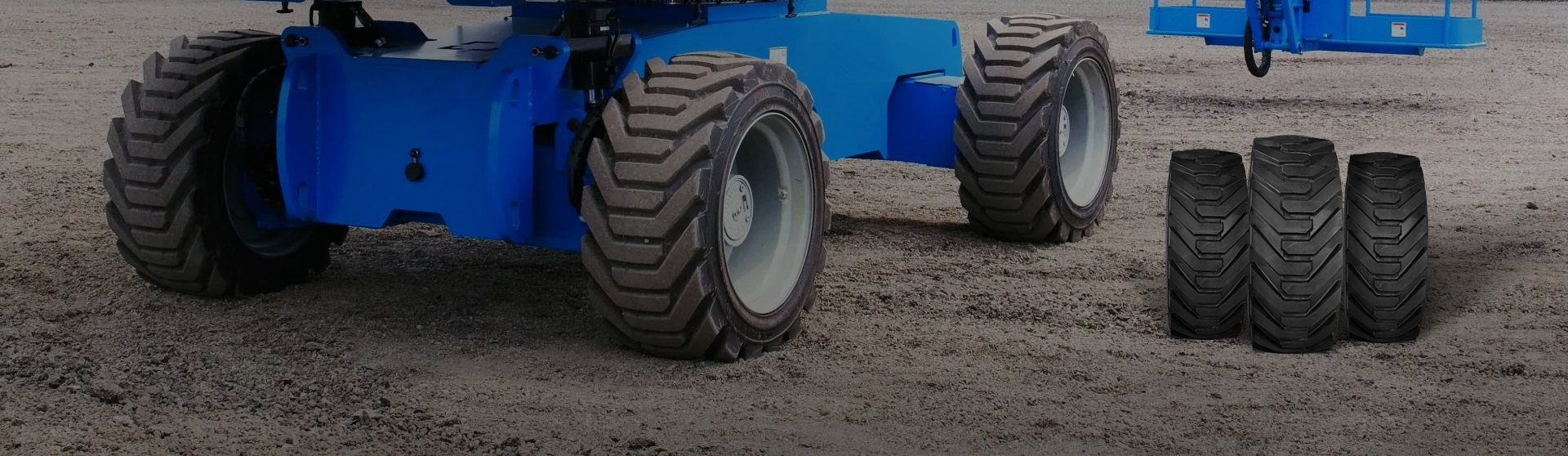

Tyre Wear, Solid Tyres, and Which Solution Fits Your Situation
Tyres wear on the inside primarily because of negative camber, a wheel alignment condition where the top of the tyre tilts inward toward the vehicle body, concentrating load on the inner edge of the tread rather than distributing it evenly across the full tread width. When the inner edge carries disproportionate load, the rubber at that edge wears faster than the center or outer edge, producing the characteristic tapered wear pattern that indicates an alignment problem. Camber misalignment is the dominant cause, but worn suspension components, damaged wheel bearings, and incorrect tyre inflation also contribute to uneven inner edge wear in different ways and combinations.
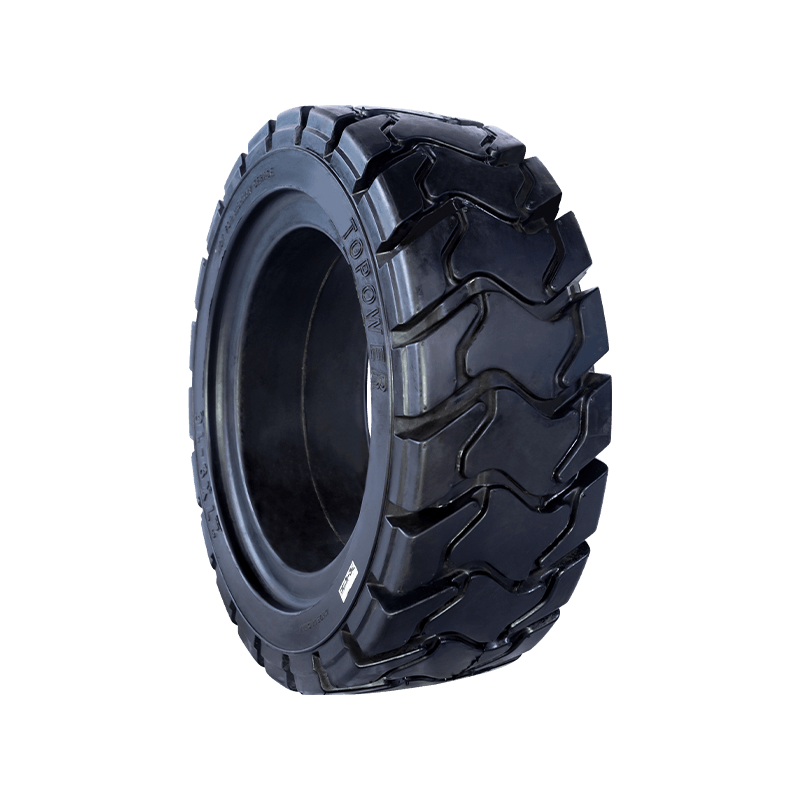
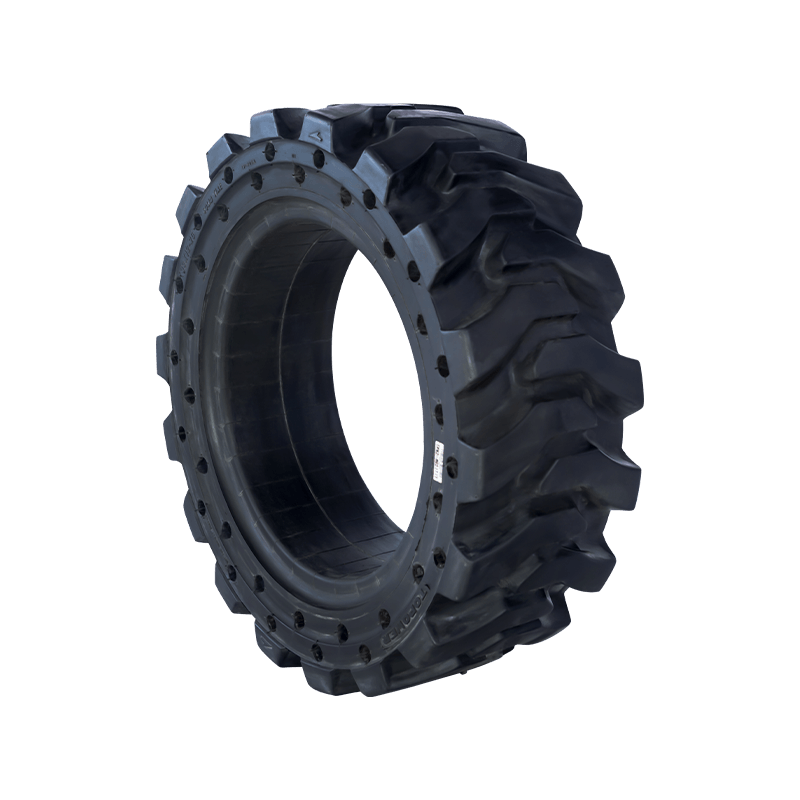
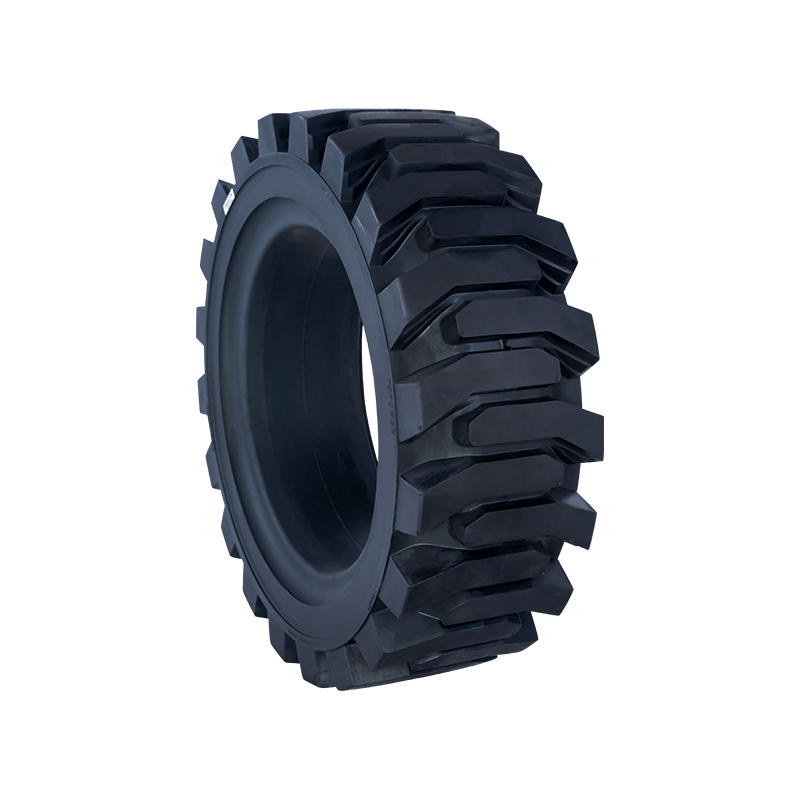
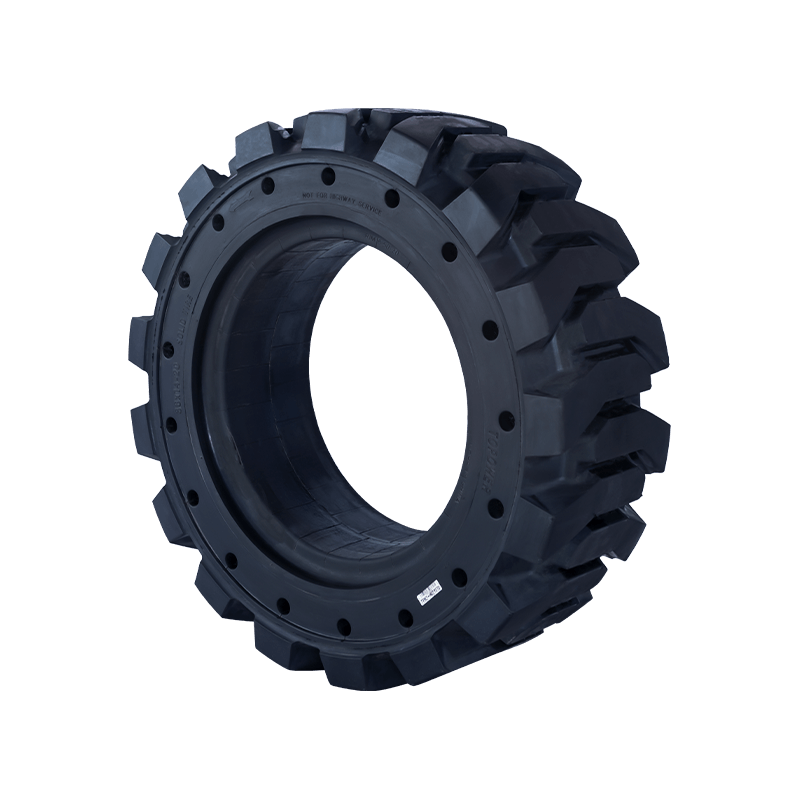
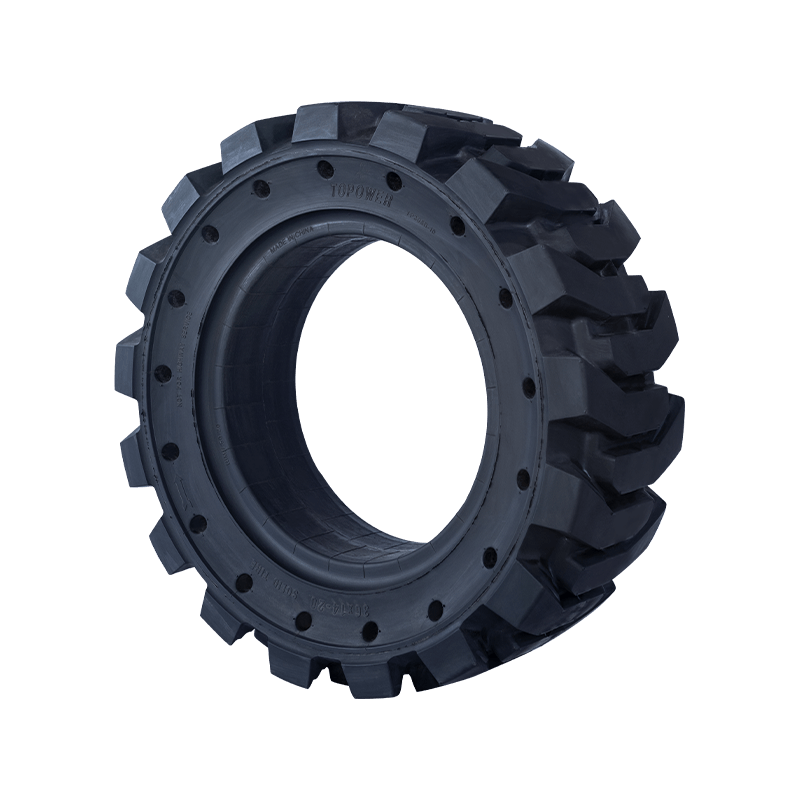
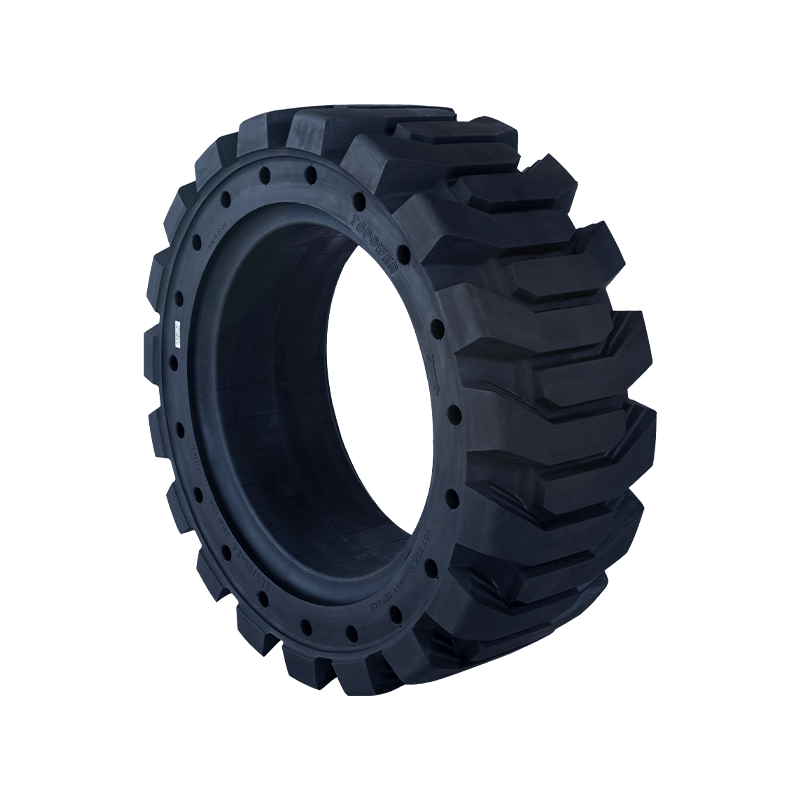
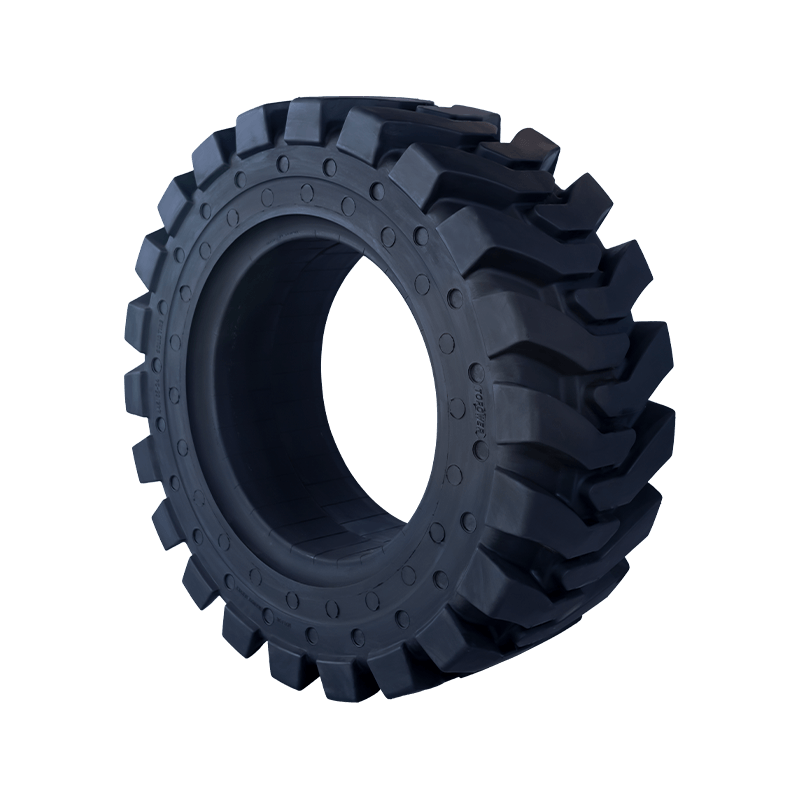
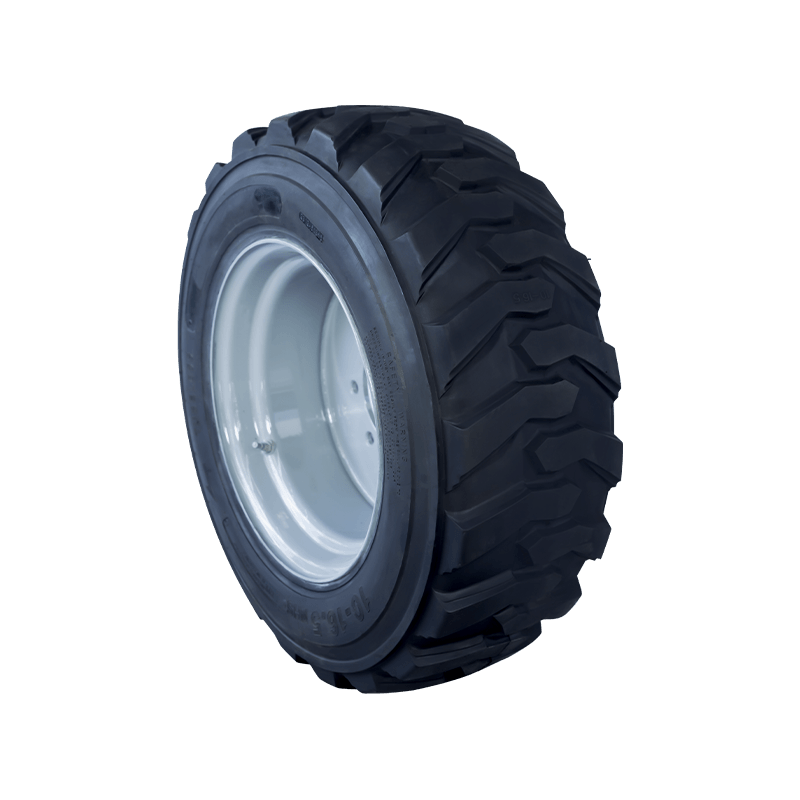
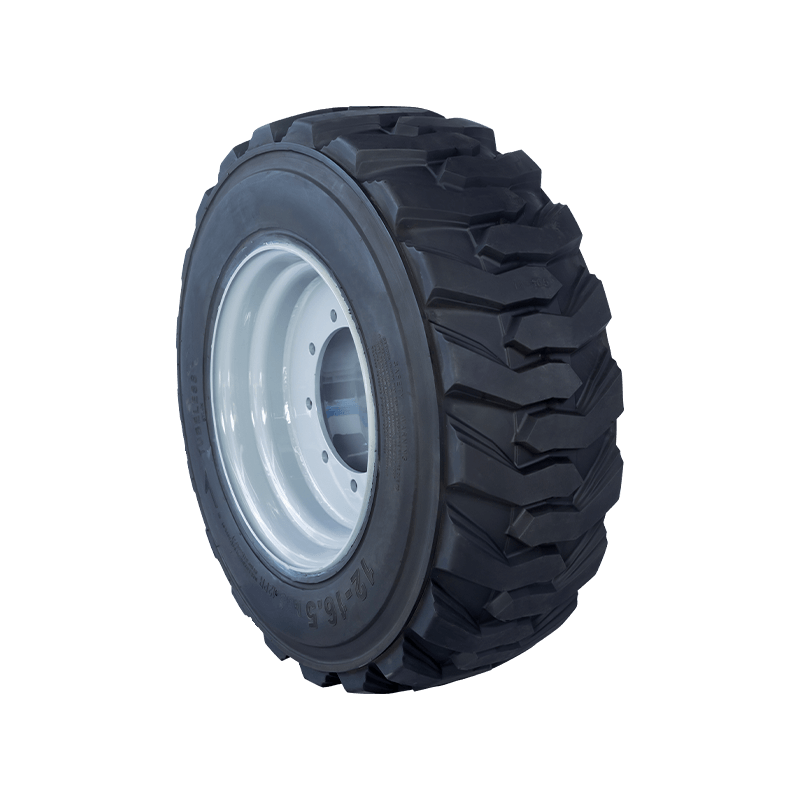
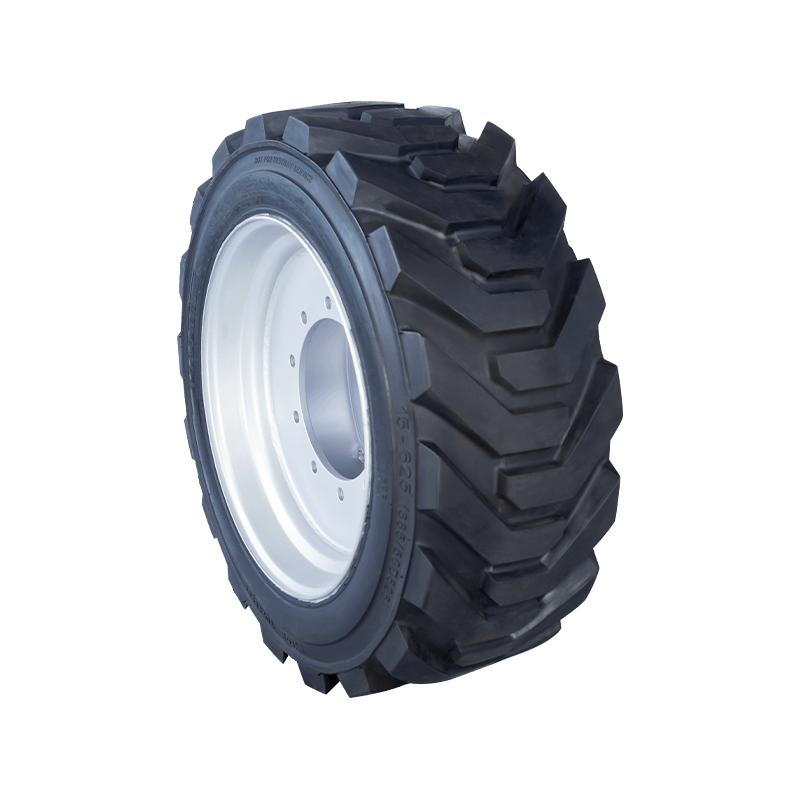
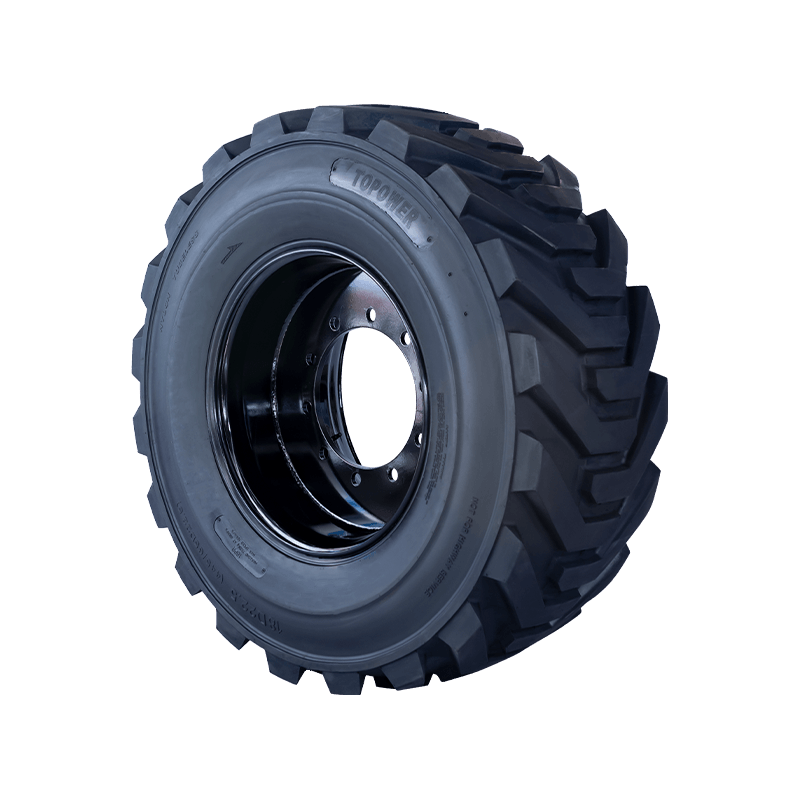
Solid tyres are a completely different category from pneumatic tyres, built from solid rubber or foam compounds that cannot go flat, require no inflation maintenance, and are impervious to punctures. They are the correct specification when downtime from flats is commercially unacceptable, when the operating surface contains debris that would puncture pneumatic tyres repeatedly, or when the load cycle is too demanding for air-filled tyres to sustain without failure. Solid skid steer tires and airless skid steer tires are the dominant choice on demolition, recycling, landfill, and industrial construction jobsites precisely because these environments contain the metal, glass, wire, and sharp debris that destroy pneumatic tyres within hours of operation.
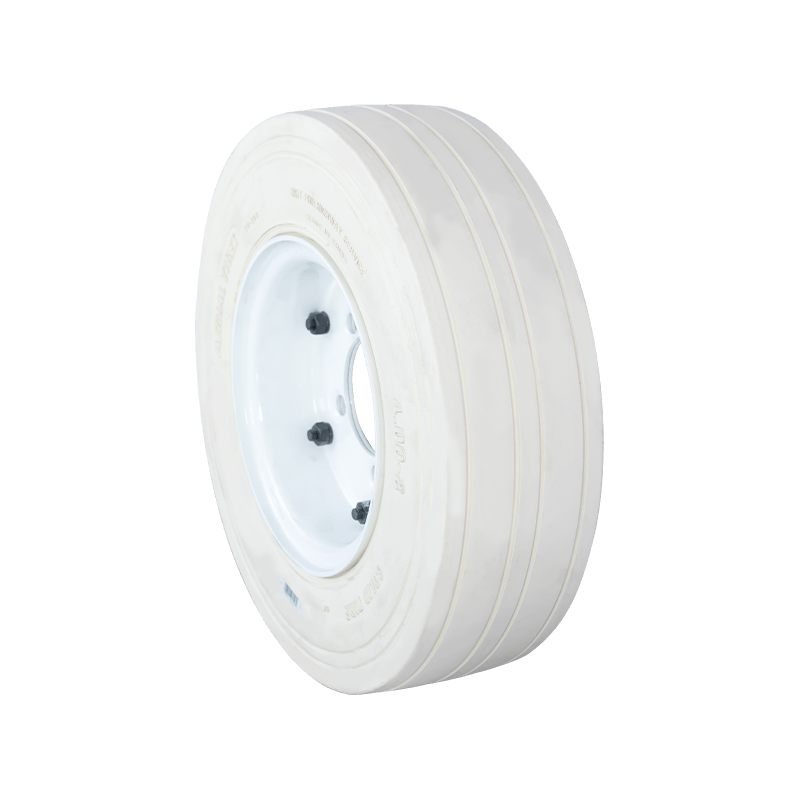
The solid wheelbarrow tire serves a more modest but equally practical purpose: eliminating the flat tyre problem that interrupts construction, landscaping, and garden work, where a pneumatic wheelbarrow tyre going flat at a critical moment stops the entire work operation until repair or replacement is completed.
What Causes Tyres to Wear on the Inside: The Full Diagnostic Guide
Understanding what causes tyres to wear on the inside requires examining the full mechanical system, not just the tyre itself. The tyre is a passive component that responds to the loads and angles imposed on it by the vehicle's geometry, suspension condition, and inflation pressure. When the tyre shows accelerated inner wear, the tyre is communicating a problem in the vehicle's alignment or suspension that must be corrected at the source.
Negative Camber: The Primary Cause of Inner Tyre Wear
Camber is the angle of the wheel relative to a vertical plane when viewed from the front of the vehicle. Zero camber means the wheel is perfectly vertical. Positive camber means the top of the wheel tilts outward. Negative camber means the top of the wheel tilts inward toward the vehicle centerline.
When a wheel has negative camber, the contact patch between the tyre and road surface is not flat. Instead, the inner edge of the tyre contacts the road at higher pressure than the outer edge because the wheel is leaning inward, effectively pressing the inner tread into the road surface with more force. This unequal pressure distribution causes the inner tread rubber to abrade faster than the rest of the tread surface.
Acceptable camber tolerance for most passenger vehicles is within plus or minus 0.5 degrees of the manufacturer specification. Camber angles more than 1 degree negative beyond the specification produce noticeably accelerated inner tread wear. At 2 degrees of excess negative camber, the inner tread may wear through to the tyre structure in 10,000 to 15,000 miles on a vehicle that would otherwise achieve 40,000 to 50,000 miles of even tread life.
Camber can be misaligned from the factory specification by:
- Impact damage from hitting a pothole, curb, or road debris that bends a suspension component or subframe
- Worn or collapsed suspension bushings that allow components to shift from their designed position under load
- Bent wheel or damaged wheel hub that changes the wheel mounting plane
- Modified suspension height (lowered or raised) without corresponding camber adjustment, because suspension geometry is designed for a specific ride height and camber changes when that height is altered
Worn or Collapsed Suspension Components
Even when the initial wheel alignment is correctly set, worn suspension components can cause what causes tyres to wear on the inside to develop progressively over time. The key components that cause inner edge wear when they deteriorate:
- Control arm bushings: The rubber bushings at the pivoting ends of the upper and lower control arms allow controlled movement while maintaining geometric alignment. When these bushings wear or crack, the control arm can shift its position, typically introducing negative camber and toe variation that accelerates inner tread wear. Control arm bushing wear is one of the most common causes of what causes tyres to wear on the inside on vehicles with 60,000 to 100,000 miles.
- Strut or shock absorber wear: Strut-based suspensions (MacPherson strut design used on most front-wheel-drive vehicles) use the strut as both a damping component and a structural member that determines the wheel's camber and caster. A bent or worn strut changes the camber setting and causes inner edge wear.
- Ball joint wear: Upper and lower ball joints are the pivot points connecting the wheel hub to the control arms. Worn ball joints allow the wheel to shift position relative to the suspension under load, typically toward negative camber, creating the inner edge wear pattern that indicates this failure mode.
- Wheel bearing failure: A loose or failing wheel bearing allows the wheel to wobble or tilt on the bearing, effectively creating a variable and often negative camber condition under load that produces inconsistent and accelerated inner edge wear.
Incorrect Tyre Inflation as a Contributing Factor
Under-inflation is often cited as a cause of inner tyre wear, but the mechanism is different from camber-induced wear. A significantly under-inflated tyre bulges at the sidewalls, causing the tread shoulders to contact the road surface more heavily than the center. In some vehicle and tyre combinations, this shoulder wear presents more prominently on the inner shoulder than the outer shoulder, creating an appearance similar to camber-induced inner wear.
The definitive diagnostic distinction between inflation-related and camber-related inner wear is to check the camber angle with an alignment gauge. If camber is within specification and the inner wear is recent and developing, check inflation pressure and inspect for slow leaks. If camber is outside specification, address the alignment issue first before concluding that inflation was the primary cause.
Toe Setting Interaction with Inner Wear
Toe refers to the direction the tyres point relative to the vehicle centerline when viewed from above. Toe-in means the front of the tyres point toward each other; toe-out means they point away. Incorrect toe causes a scrubbing motion as the tyre moves across the road, wearing the tread in a diagonal feathered pattern. Excessive toe-in on the front wheels in particular can wear the inner edge of both front tyres, and may be confused with camber-induced inner wear. A professional four-wheel alignment measurement distinguishes between camber and toe contributions to inner edge wear.
How to Diagnose and Fix What Causes Tyres to Wear on the Inside
- Inspect the tyre wear pattern carefully. Run your fingers across the tread from outer to inner edge. If the inner edge is noticeably lower than the outer edge and center, inner edge wear is confirmed. If the wear is feathered or sawtooth in appearance, toe misalignment is likely. If the wear is even across the tread but faster than expected, inflation or quality issues may apply.
- Check tyre pressures first against the vehicle manufacturer's specification on the door jamb placard. Inflate to correct pressure and see if the wear rate differential changes over the next 5,000 miles.
- Book a four-wheel alignment check with a shop that uses modern computerized alignment equipment and publishes before and after readings. This is the definitive diagnostic step for what causes tyres to wear on the inside, costing USD 60 to USD 150 in most markets and identifying any camber, toe, or caster deviation from specification.
- Inspect suspension components if alignment shows camber outside adjustable range, suggesting a component is worn or damaged rather than simply misadjusted. A suspension inspection typically accompanies an alignment service and adds minimal time.
- Replace worn components first, then realign. Aligning a vehicle with worn bushings or ball joints produces an alignment that changes as the worn components move under load. Component replacement must precede alignment for the alignment to hold.
Solid Tyres: What They Are, How They Work, and Their Key Advantages
Solid tyres are tyre products manufactured from solid rubber, polyurethane foam, or other non-pneumatic materials that provide load support through material stiffness rather than contained air pressure. They cannot be punctured, cannot go flat, and require no inflation pressure monitoring or maintenance throughout their service life. The trade-off compared to pneumatic tyres is typically higher rolling resistance, greater transmitted vibration, and less ability to conform to rough terrain, which is why solid tyres are selected based on specific operating conditions rather than as a universal replacement for pneumatic alternatives.
Types of Solid Tyres by Construction
- Press-on solid rubber tyres: Manufactured from natural or synthetic rubber compounds and pressed onto the wheel rim with interference fit or bonded with adhesive. The rubber compound is formulated for the specific hardness (Shore A durometer rating) appropriate to the application load and surface type. Harder compounds (Shore A 60 to 80) are used for heavy loads and rough surfaces; softer compounds (Shore A 40 to 60) are used for smooth warehouse floors where cushioning and reduced floor marking are priorities. Press-on solid tyres are the most common format for forklifts, material handling equipment, and warehouse vehicles.
- Band-on solid tyres: A construction where the solid rubber tyre has a steel band vulcanized into the base that allows the tyre to be mounted on a standard pneumatic-compatible rim without a press. This band-on design makes solid tyres compatible with equipment that was originally designed for pneumatic tyres, expanding the application range without requiring wheel changes. Solid skid steer tires in band-on format are the primary means by which solid tyre technology is applied to skid steer loaders that were designed for pneumatic tyres.
- Foam-filled tyres: Standard pneumatic tyre casings that have been filled with polyurethane foam compound through the valve stem, eliminating the air chamber while retaining the pneumatic tyre's shape and rim compatibility. Foam-filled tyres are heavier than equivalent air-filled tyres, provide less cushioning than genuine air pressure, but eliminate the flat tyre risk and can be produced from existing pneumatic tyre inventory without requiring new equipment or rims. This makes foam-filled a common retrofit option for pneumatic tyre users who want puncture immunity without changing their wheel and tyre specification entirely.
- Airless (non-pneumatic) tyres with spoke or lattice structure: Advanced designs including the Michelin Uptis and similar products that use a flexible polymer or composite spoke structure to support the tyre under load rather than air pressure or solid rubber mass. These designs attempt to combine the puncture immunity of solid tyres with the ride comfort and rolling efficiency of pneumatic tyres. Currently available primarily for passenger vehicle trials and some off-highway equipment.
When Solid Tyres Are the Right Choice
The decision to specify solid tyres over pneumatic alternatives should be driven by an honest assessment of the operating environment and the cost of tyre-related downtime:
- Environments with puncture hazards: Demolition sites, scrap metal yards, recycling facilities, landfills, construction areas with exposed reinforcing bar, glass manufacturing, and any surface where nails, wire, glass shards, or metal debris are present in quantities that cause repeated pneumatic tyre punctures. The cost of a solid skid steer tires set is recovered very quickly when the alternative is two or three pneumatic tyre replacements per month at USD 300 to USD 500 per tyre.
- Operations where downtime is extremely costly: Warehouse operations running multiple shifts, port container handling equipment, mining operations, and any production environment where a flat tyre halts an entire material flow for the time required to change or repair the tyre.
- Applications with low speed and smooth surfaces: Indoor warehouse forklifts, pallet jacks, and material handling equipment operating on smooth concrete floors at low speeds are the ideal solid tyre application because the vibration disadvantage of solid tyres is minimal at low speeds on smooth surfaces and the flat elimination benefit is fully realized.
Solid Skid Steer Tires: Performance, Benefits, and Application Selection
Solid skid steer tires are one of the highest-volume solid tyre product categories globally, driven by the widespread use of skid steer loaders in demolition, construction, landscaping, and agricultural applications where pneumatic tyre flat rates make conventional air-filled tyres impractical for productive operation. Understanding the specific performance characteristics of solid skid steer tires compared to their pneumatic equivalents helps operators make informed decisions that balance initial cost against total operating cost.
Why Skid Steer Loaders Cause Accelerated Tyre Wear
The skid steer loader's defining characteristic is its steering mechanism: instead of using articulated steering or separate steering axles, a skid steer turns by driving the wheels on one side faster than the wheels on the other side, causing the machine to spin or skid in the direction of the turn. This spinning or skidding motion creates intense lateral scrubbing forces on the tyre contact patch during every turning maneuver, producing wear rates substantially higher than conventional wheeled machines that steer with Ackermann geometry.
Skid steer tyres in aggressive mixed-terrain operations can wear through a pneumatic tyre in 200 to 600 operating hours, compared to 1,000 to 2,000 hours for the same tyre in lighter-duty applications. At this wear rate, the number of tyre changes per year on an actively worked machine can make pneumatic tyre cost a significant operating expense, strengthening the economic case for solid skid steer tires.
Construction and Compound Options for Solid Skid Steer Tires
- Standard solid rubber compound: The most common solid skid steer tires construction for general construction, demolition, and material handling use. Manufactured from natural and synthetic rubber blends with carbon black reinforcement, these tyres provide excellent abrasion resistance, good load capacity, and immunity to puncture. Standard compounds are formulated at Shore A 60 to 70 hardness for the main body, with a tread compound at Shore A 55 to 65 that balances wear resistance with the traction grip needed for pushing and lifting operations.
- Multi-layer compound construction: Premium solid skid steer tires use a three-zone compound structure: a hard base layer for structural load support and rim retention, an intermediate cushion layer with slightly lower hardness to absorb vibration, and a wear-resistant tread layer. This multi-layer approach reduces the operator fatigue and machine fatigue that comes from the uniformly hard single-compound solid tyre while maintaining puncture immunity and load capacity.
- Smooth (non-directional) tread: Some solid skid steer tires for smooth surface applications and indoor use are available with smooth or lightly grooved tread patterns that reduce the aggressive digging action of deep-lug tread on sensitive floor surfaces. Used in applications like warehouse construction, interior finishing work, and operations on asphalt or concrete where surface damage from the skid steer is a concern.
- Deep lug tread patterns: Standard and extra deep lug patterns for muddy, loose soil, and outdoor terrain applications where traction is the priority and smooth floor preservation is not a concern. Deep lug solid skid steer tires in these applications approach the traction performance of pneumatic tyres more closely than smooth solid tyres, at the cost of more aggressive surface marking behavior.
Load and Speed Ratings for Solid Skid Steer Tires
Solid skid steer tires must be specified with load capacity matching or exceeding the rated operating capacity (ROC) of the skid steer loader, plus a safety margin for dynamic loading during bucket filling, load lifting, and rough terrain traversal. Key specification considerations:
- Static load capacity: The maximum sustained load the tyre can support at zero or near-zero speed. Solid tyres have higher static load capacity than equivalent pneumatic tyres because the solid rubber structure does not fail under sustained point loading the way a pressurized air chamber can deflect and potentially rim-contact under sustained heavy loads.
- Dynamic load capacity and speed limitation: Solid tyres generate more heat than pneumatic tyres under load because the solid rubber compound must flex and return without the air cushion that distributes stress in a pneumatic tyre. Most solid skid steer tires are rated for maximum operating speeds of 10 to 15 km/h (6 to 9 mph), and exceeding this speed causes heat buildup that accelerates compound degradation and can cause delamination failure in multi-layer constructions.
Solid Skid Steer Tires Installation: Press-On vs Band-On
Installing solid skid steer tires requires different equipment and procedures than pneumatic tyre mounting. The two main installation formats:
- Press-on installation: Requires a hydraulic tyre press with appropriate tooling for the specific tyre and rim combination. The solid tyre is pressed onto the rim with typically 3 to 15 tons of force depending on the tyre size and interference fit specification. This process takes 15 to 30 minutes per tyre with proper tooling and cannot be done in the field without the press equipment. Press-on solid skid steer tires require specialist tyre service facilities for mounting and dismounting.
- Band-on installation: The steel bead band inside the tyre base allows installation on a standard pneumatic rim without a press, using the same type of tyre mounting machine used for pneumatic tyres (a bead-breaking and mounting machine). Band-on solid skid steer tires are significantly more field-serviceable than press-on types because most tyre dealers have the equipment for mounting, and the process is faster. The trade-off is that band-on solid tyres are slightly heavier than press-on equivalents due to the steel band weight.
Airless Skid Steer Tires: Non-Pneumatic Technology for Maximum Reliability
Airless skid steer tires represent the most advanced category within the solid and non-pneumatic tyre market for compact construction equipment. Unlike traditional solid rubber tyres that are simply dense rubber throughout, airless skid steer tires use engineered internal structures to combine the zero-flat reliability of solid tyres with some of the ride-comfort and energy-efficiency advantages of air-filled designs.
How Airless Skid Steer Tires Differ from Conventional Solid Tyres
Conventional solid skid steer tires support the machine weight through the compressive strength of the rubber mass. Airless skid steer tires support the load through a structured internal geometry, typically a web of polymer or rubber spokes, rings, or honeycomb cells that flex under load rather than simply compressing. This controlled flexure provides several performance advantages over conventional solid rubber construction:
- Reduced vibration transmission to the operator: The flexing spoke or cell structure in airless skid steer tires absorbs road shock energy that solid rubber transfers directly to the machine frame and operator seat. In applications where operator fatigue and comfort are significant concerns (extended shifts in rough terrain), airless designs provide measurably better vibration characteristics than solid rubber alternatives.
- Lower rolling resistance: The flexing structure in airless skid steer tires returns more energy during the deformation-recovery cycle than solid rubber (which dissipates more energy as heat through hysteresis). Lower rolling resistance means less fuel consumption for the same work, which accumulates to meaningful cost savings in heavily worked machines over a full operational year.
- Better traction conformation to uneven surfaces: The spoke or cell structure allows the tread contact patch to conform to surface irregularities more readily than an equivalent solid rubber tyre, improving the traction performance of airless skid steer tires on rough terrain applications.
Foam-Filled vs True Airless Skid Steer Tires
In the market for airless skid steer tires, two products are commonly sold but represent very different engineering approaches:
- Foam-filled airless skid steer tires: Conventional pneumatic skid steer tyre casings filled with polyurethane foam. The foam compound fills the air chamber completely, preventing deflation while using the original pneumatic tyre structure for load support. These products are widely available, retrofit onto existing rims without modification, and are significantly less expensive than structured non-pneumatic alternatives. They are heavier than air-filled equivalents (the foam mass is higher than air), provide less cushioning than true air pressure, and generate more heat under sustained high-load operation because foam does not dissipate heat as efficiently as circulating air inside a pneumatic tyre.
- True non-pneumatic airless skid steer tires with structured support: Purpose-designed products using spoke, lattice, or honeycomb internal structures manufactured from polyurethane, rubber, or composite materials. These represent the engineering approach that most closely matches the performance ideal of combining flat immunity with pneumatic-equivalent ride and efficiency. They require compatible rims designed for the non-pneumatic tyre and are more expensive than foam-filled alternatives. Availability in the full range of skid steer tyre sizes is growing but not yet as comprehensive as conventional solid or pneumatic options.
Airless Skid Steer Tires vs Solid Skid Steer Tires: Which to Choose
| Criterion | Solid Skid Steer Tires | Airless Skid Steer Tires (Foam Fill) | Airless Skid Steer Tires (Structured) |
|---|---|---|---|
| Puncture immunity | Complete | Complete | Complete |
| Ride comfort and vibration | Lowest (hardest ride) | Moderate | Best among solid types |
| Load capacity | Highest | High | High |
| Abrasion and cut resistance | Excellent | Good (depends on casing) | Good to excellent |
| Initial purchase cost | Moderate | Moderate to high | Highest |
| Rim compatibility | Standard or proprietary | Standard pneumatic rims | Proprietary rims required |
| Best application | Demolition, heavy debris | Mixed construction sites | Operator comfort priority |
Solid Wheelbarrow Tire: Practical Benefits and Selection Guide
The solid wheelbarrow tire is the simplest category of solid tyre products but serves a genuinely useful function for contractors, landscapers, gardeners, and construction workers who rely on wheelbarrows as essential material movement tools. A flat pneumatic wheelbarrow tyre at the wrong moment stops work completely, and the inconvenience of repairing or replacing a wheelbarrow tyre on an active jobsite is disproportionate to the tyre's cost and simplicity.
Why Wheelbarrow Tyres Go Flat and Why It Matters
Standard wheelbarrow tyres are pneumatic, typically inflated to 20 to 30 psi, with relatively thin sidewalls and minimal tread protection. They are vulnerable to:
- Nail, screw, or sharp stone punctures on construction sites
- Sidewall cuts from contact with sharp edges of materials being transported or the sides of trenches and pathways
- Slow leaks from valve stem deterioration, particularly on older tyres that are used seasonally and stored for long periods between uses
- Rim-flat failure when the wheelbarrow is used with a low or flat tyre, pinching the inner tube between the tyre bead and rim
On a busy construction or landscaping project, a flat wheelbarrow tyre stops the operator's material movement capability immediately. If no repair kit, spare inner tube, or replacement tyre is on site, the wheelbarrow is effectively out of service for the day. A solid wheelbarrow tire eliminates this failure mode entirely.
Types of Solid Wheelbarrow Tire
- Solid flat-free polyurethane foam-filled wheelbarrow tire: A standard pneumatic wheelbarrow tyre casing filled with closed-cell polyurethane foam, sold as a direct replacement that mounts on the standard wheelbarrow rim. These products look identical to pneumatic tyres from the outside but weigh somewhat more and provide slightly less bounce and cushioning than their air-filled equivalents. They are the easiest solid wheelbarrow tire option for users who want to replace a pneumatic tyre without any other changes to their wheelbarrow.
- Solid rubber tubeless wheelbarrow tire: A tyre manufactured from solid rubber throughout, with no air chamber. These products are typically slightly narrower and harder than equivalent pneumatic sizes, and mounting requires more force to seat the solid rubber bead onto the rim. They are extremely durable and long-lasting, essentially immune to wear from normal wheelbarrow use, and are particularly well suited for very rough terrain where the solid rubber stands up to rock contact that would cut a pneumatic tyre sidewall.
- Pneumatic-lookalike solid wheelbarrow tire with ribbed tread: A solid rubber tyre designed to match the tread pattern and approximate dimensions of common pneumatic wheelbarrow tyre sizes, providing a visual and functional match to the original equipment specification while eliminating the flat tyre vulnerability. Available in the most common wheelbarrow tyre sizes (3.50-8, 4.00-8, 4.80/4.00-8).
Solid Wheelbarrow Tire vs Pneumatic: When Each Is Better
| Criterion | Solid Wheelbarrow Tire | Pneumatic Wheelbarrow Tire |
|---|---|---|
| Flat resistance | Complete immunity | Vulnerable to puncture |
| Ride cushioning on rough terrain | Less cushioning | Better shock absorption |
| Rolling resistance on rough ground | Slightly higher | Lower when correctly inflated |
| Maintenance required | None | Periodic inflation check |
| Best environment | Nails, debris, rocks, construction sites | Smooth paths, light garden use |
| Load capacity | Equal or higher | Standard rated capacity |
Solid Tyres Across Applications: Size Reference and Cost Guide
Solid tyres are available across a very wide range of sizes from small wheelbarrow and golf cart applications up to massive mining haul truck tyres. Understanding the typical size ranges, load capacities, and cost benchmarks for the main application categories helps buyers budget accurately and evaluate quotations from solid tyre suppliers.
Common Solid Tyre Sizes and Indicative Pricing
| Application | Common Size | Typical Load Capacity | Approx. Unit Price (USD) |
|---|---|---|---|
| Solid wheelbarrow tire | 4.00-8 or 4.80/4.00-8 | Up to 300 kg | 20 to 60 |
| Pallet jack solid tyre | 200x50 or 160x50 | 600 to 1,200 kg | 15 to 40 |
| Forklift solid tyre (medium) | 18x7-8 or 21x8-9 | 2,000 to 4,000 kg | 80 to 200 |
| Solid skid steer tires (standard) | 10-16.5 or 12-16.5 | 3,000 to 5,000 kg | 300 to 600 per tyre |
| Airless skid steer tires (foam filled) | 10-16.5 or 12-16.5 | 3,000 to 5,000 kg | 400 to 800 per tyre |
Frequently Asked Questions
1. What causes tyres to wear on the inside and is it dangerous?
What causes tyres to wear on the inside is primarily negative camber misalignment, where the top of the wheel tilts inward toward the vehicle body, concentrating tyre load on the inner tread edge. Worn suspension components including control arm bushings, ball joints, and wheel bearings can also cause inner wear by allowing the wheel to shift toward negative camber under load. This wear pattern is dangerous for two reasons: it dramatically reduces tyre service life (a tyre with 2 degrees of excess negative camber may wear through 30% to 40% faster than a correctly aligned tyre), and because the inner edge of the tyre is less visible during routine visual inspections, the tyre can wear to an unsafe tread depth on the inside while appearing to have adequate tread on the outside. Any vehicle showing inner edge tyre wear should have a four-wheel alignment performed immediately.
2. Can I fix inner tyre wear by rotating my tyres?
Tyre rotation does not fix the alignment or suspension problem that causes tyres to wear on the inside. It may temporarily equalize wear across the tyre set by moving tyres that have developed inner wear to positions where the same alignment problem affects a different part of their tread, but this approach masks the underlying problem and results in all four tyres developing abnormal wear rather than isolating the problem to one or two positions. The correct response to inner tyre wear is to diagnose and correct the camber or suspension component issue causing the wear, then rotate tyres if they still have sufficient and sufficiently uniform remaining tread depth to continue in service.
3. What are solid tyres and what are they made from?
Solid tyres are tyre products that support their load through solid material rather than pressurized air. They are manufactured from natural rubber, synthetic rubber (SBR, NBR, or polyurethane compounds), carbon-black-reinforced rubber blends, or closed-cell polyurethane foam depending on the application and performance requirements. The rubber compound formulation determines the tyre's hardness (measured in Shore A durometer), abrasion resistance, load capacity, and heat generation characteristics. Premium solid tyres for forklifts and industrial equipment use multi-compound constructions with different rubber formulations for the tread zone, cushion zone, and base zone, optimizing performance across the competing requirements of wear resistance, vibration absorption, and structural load support.
4. How long do solid skid steer tires last compared to pneumatic tyres?
Solid skid steer tires typically last 1,500 to 3,000 operating hours in mixed construction applications, compared to 200 to 1,000 hours for pneumatic skid steer tyres depending on the severity of the operating environment. The advantage of solid tyres is not simply that they last longer in terms of tread wear, but that they never go flat, eliminating the unplanned downtime and replacement costs that make pneumatic tyre total cost high in environments with sharp debris. In clean-surface indoor applications with no puncture risk, the total cost advantage of solid over pneumatic tyres is less clear, as pneumatic tyres in clean environments may approach the solid tyre's tread life without the puncture losses. In demolition, recycling, and site clearing work, the total cost advantage of solid skid steer tires over pneumatic alternatives is consistently documented by equipment operators.
5. Are airless skid steer tires better than foam-filled alternatives?
Structured non-pneumatic airless skid steer tires with spoke or lattice internal geometry provide better ride comfort, lower rolling resistance, and better surface conformity than foam-filled alternatives, making them the superior technology for applications where operator comfort and fuel efficiency are important alongside flat immunity. However, foam-filled airless skid steer tires are significantly less expensive, compatible with standard existing rims without modification, available in all standard skid steer tyre sizes, and provide excellent performance in high-debris demolition and construction environments where the vibration difference is less noticeable against the rough terrain. For most practical skid steer applications, foam-filled tyres offer the best combination of performance, availability, and cost. Structured non-pneumatic designs are appropriate where operator comfort is a primary concern and budget allows the premium.
6. What is the best solid wheelbarrow tire for construction sites?
The best solid wheelbarrow tire for construction sites is a foam-filled or solid rubber replacement in the size matching the existing wheelbarrow rim (most commonly 4.00-8 or 4.80/4.00-8). For construction site use, the foam-filled solid wheelbarrow tire is the most practical choice because it mounts on the existing rim without modification, provides the same rolling diameter and clearance as the original pneumatic tyre, and completely eliminates the nail, screw, and debris punctures that make pneumatic wheelbarrow tyres unreliable on active construction sites. Solid rubber variants are more durable still but may be slightly harder to push on rough terrain due to lower cushioning. Both types eliminate the need for tyre inflation checks and repair kits and are well worth the modest premium over pneumatic replacements for any site where sharp debris is present.
7. Can I install solid skid steer tires on any skid steer loader?
Solid skid steer tires are available for all major skid steer loader brands and most models, as the standard skid steer tyre sizes (10-16.5, 12-16.5, 14-17.5, and similar) are shared across manufacturers. Band-on solid tyres mount on the standard pneumatic rims already on the machine without rim changes. Press-on solid tyres require the appropriate rim diameter and width to match the solid tyre specification. Before ordering, verify the exact rim size and bolt pattern on your skid steer, confirm the solid tyre supplier's fitment guide confirms compatibility, and verify that the solid tyre's static load rating exceeds the rated operating capacity of the skid steer. For machines used at or near their rated operating capacity, a safety margin of 15% to 20% above the rated load in the solid tyre specification is advisable.
8. Do solid tyres cause more machine wear than pneumatic tyres?
Solid tyres do transmit more vibration to the machine frame and operator than equivalent pneumatic tyres, because the air cushion in a pneumatic tyre absorbs a portion of the shock energy from surface irregularities before it reaches the rim. This increased vibration transmission from solid skid steer tires can accelerate wear in machine components including chassis welds, hydraulic hose fittings, instrument panel mountings, and operator cab attachments over the long term in machines operated extensively on rough terrain. Modern multi-layer compound solid tyres and foam-filled airless skid steer tires reduce but do not eliminate this vibration disadvantage compared to pneumatic alternatives. Manufacturers of solid tyres for skid steers acknowledge this trade-off and recommend periodic inspection of vibration-sensitive machine components when operating on solid tyres.
9. What is the difference between camber and toe and which causes inner tyre wear?
Camber and toe are both wheel alignment parameters but they describe different aspects of wheel orientation and cause different wear patterns. Camber is the angle of the wheel in the vertical plane when viewed from the front: negative camber (top tilted inward) causes inner edge tyre wear because the inner tread edge carries more load. Toe is the direction the tyres point when viewed from above: toe-in means the fronts of the tyres point toward each other, toe-out means they point apart. Incorrect toe causes scrubbing-type wear across the tread in a diagonal feathered pattern rather than the sharp inner-edge gradient that negative camber produces. Both parameters can contribute to what causes tyres to wear on the inside, but camber is the primary cause of a sharp inner edge gradient while toe produces a more distributed feathered diagonal pattern. A professional alignment measurement identifies both parameters precisely.
10. How should I choose between solid tyres and pneumatic tyres for my equipment?
Choose solid tyres (including solid skid steer tires, solid wheelbarrow tire, or forklift solid tyres) when: the operating environment contains puncture hazards including nails, wire, glass, or sharp debris that cause repeated pneumatic tyre failures; the cost and disruption of flat tyre repairs and replacements exceeds the premium cost of solid tyres; and the operating speed is within the solid tyre's maximum speed rating (typically 10 to 15 km/h for skid steer applications). Choose pneumatic tyres when: the operating surface is clean and puncture hazard is minimal; the application requires the cushioning and surface conformity of air pressure for operator comfort or terrain traction (rough outdoor terrain at higher speeds); and initial purchase cost is the primary budget constraint. For borderline cases, calculate the total annual cost of pneumatic tyre ownership including flat repairs, replacements, and downtime against the total cost of solid tyres amortized over their service life to determine which option provides better value for the specific operation.