 English
 русский
 Español
 عربى
عربى
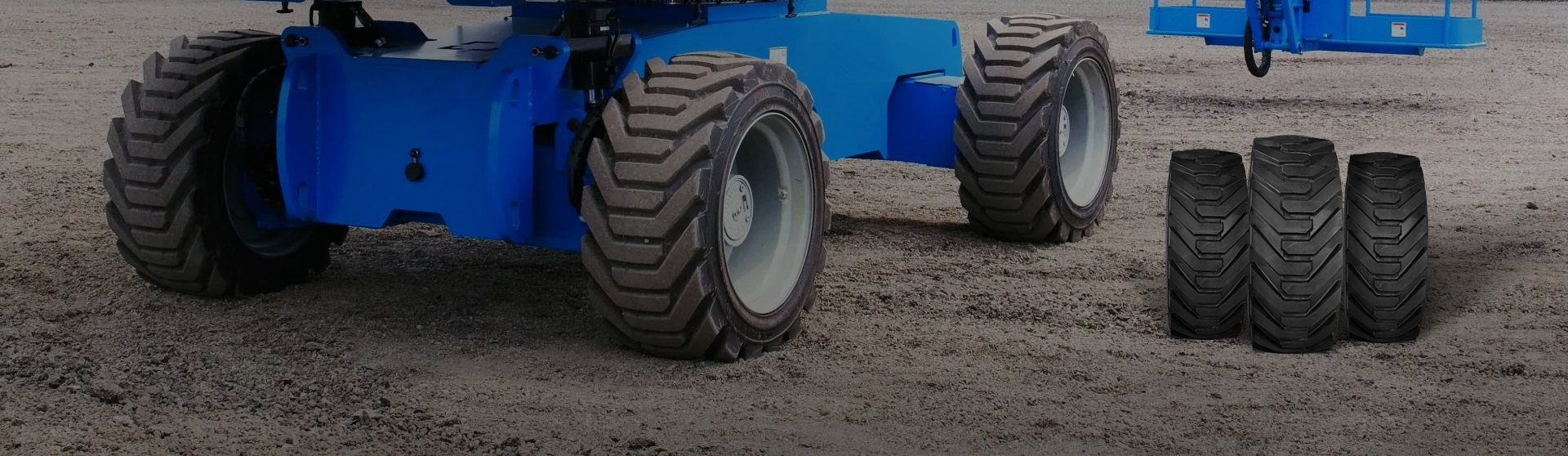

Solid tires have become the backbone of modern industrial operations, delivering unmatched durability, safety, and cost efficiency in the environments. Unlike pneumatic tires, solid rubber tires contain no air chamber, eliminating punctures, sudden blowouts, and constant maintenance. Whether you operate forklifts, loaders, port equipment, or warehouse trucks, solid tires are engineered to keep your business running without downtime.
What Are Solid Tires?
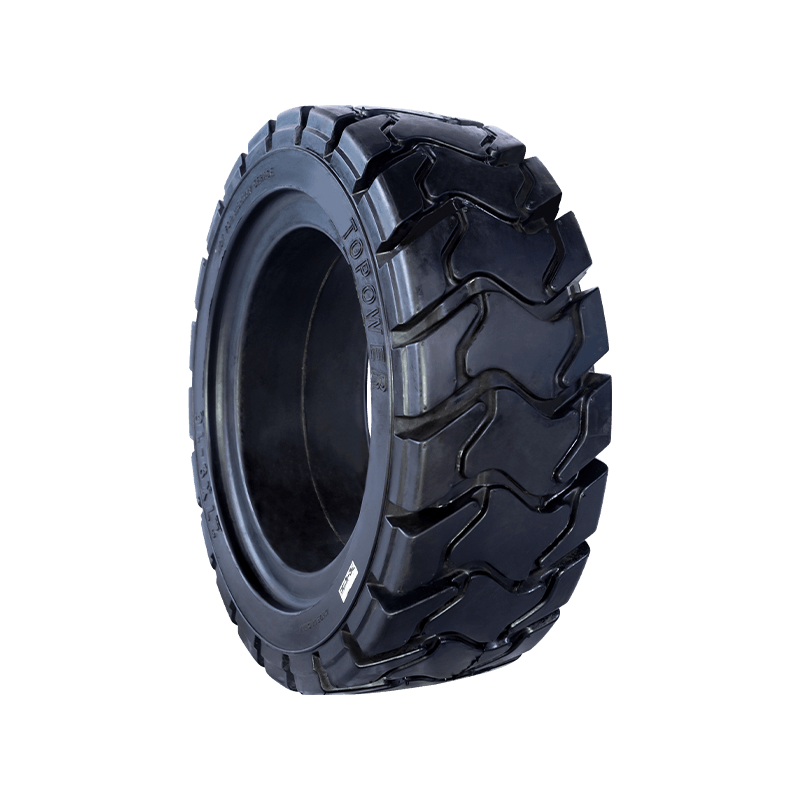
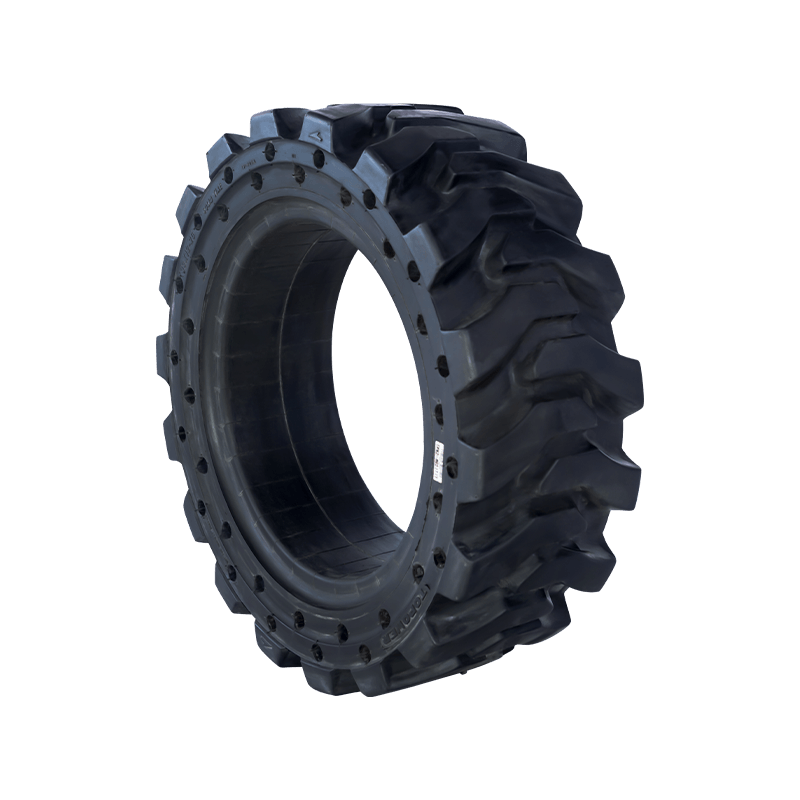
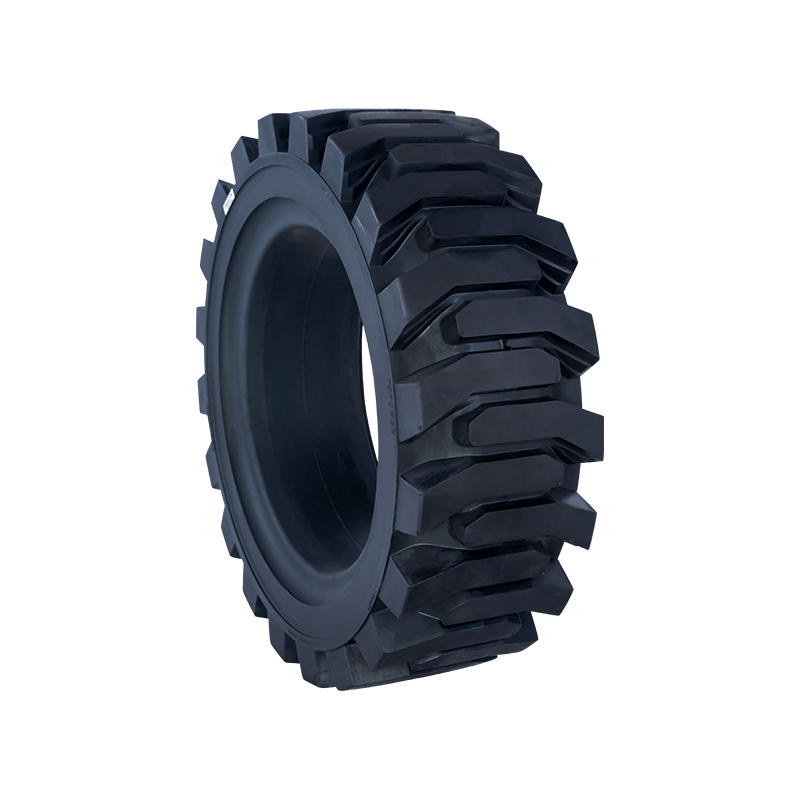
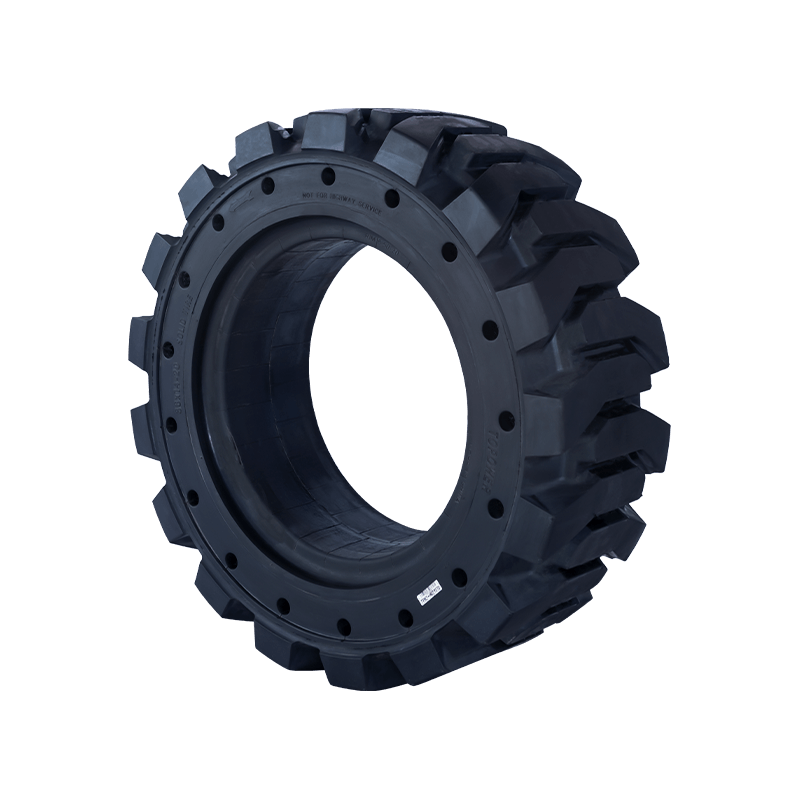
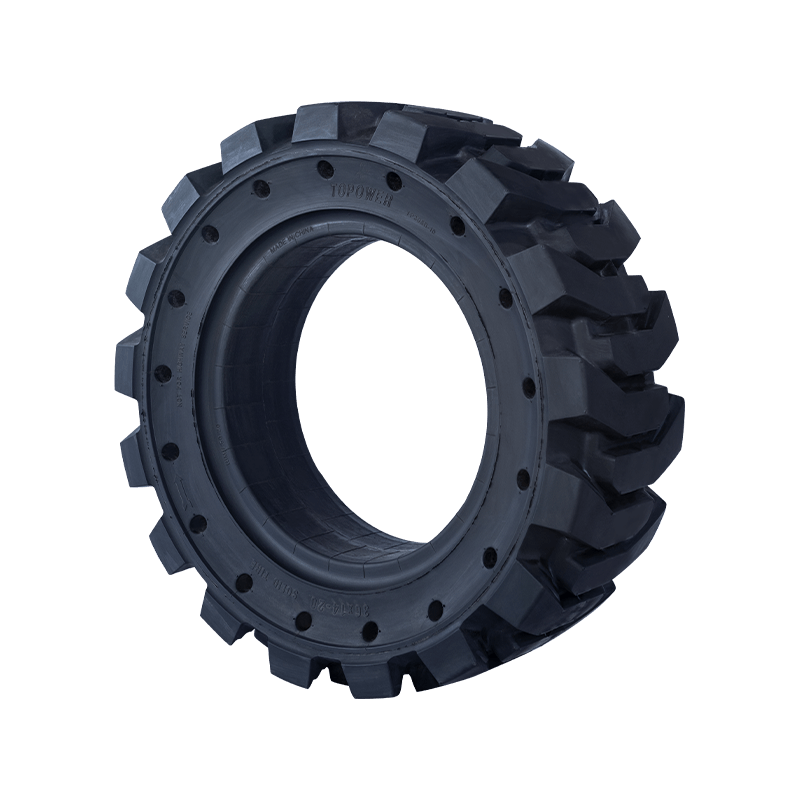
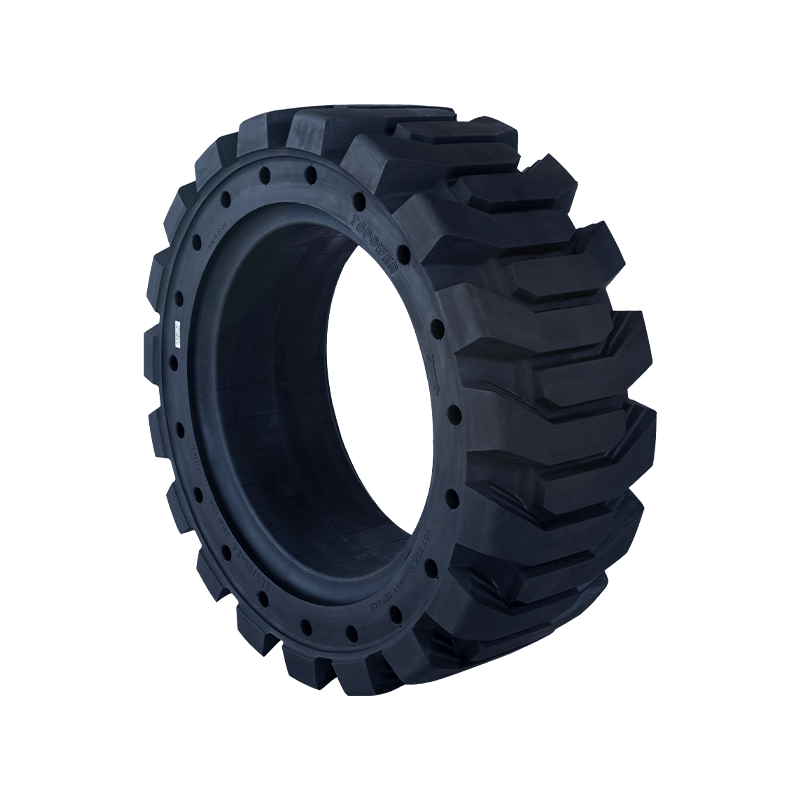
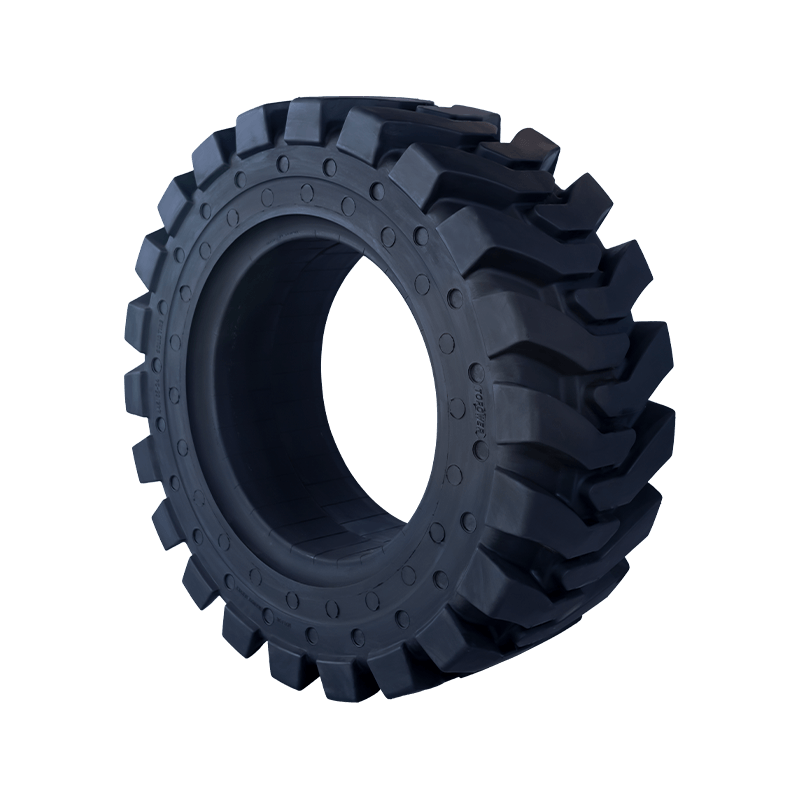
A solid tire is made entirely of vulcanized rubber compounds with no inner air cavity. Instead of relying on air pressure for load support, solid tires carry weight through the mechanical strength and elasticity of the rubber itself. This construction provides complete immunity to punctures, cuts, and debris damage—making them ideal for scrap yards, demolition sites, glass recycling plants, steel mills, and warehouses.
There are two primary types of solid tires:
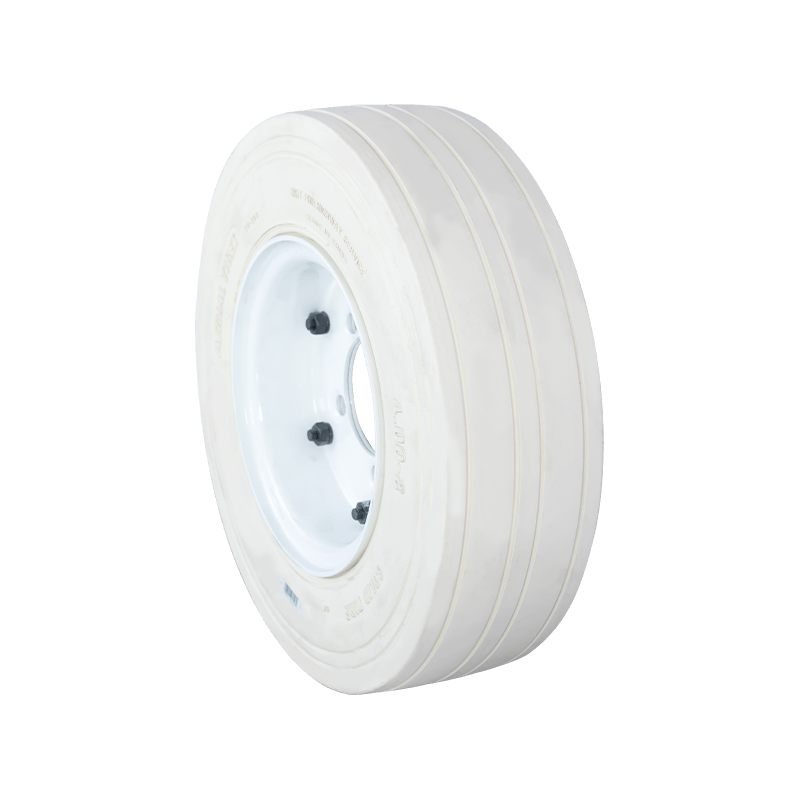
- Press‑On Solid Tires: A solid rubber ring pressed hydraulically onto a steel rim. The interference fit creates a tight bond without adhesives. Common on electric forklifts, counterbalance trucks, and warehouse equipment.
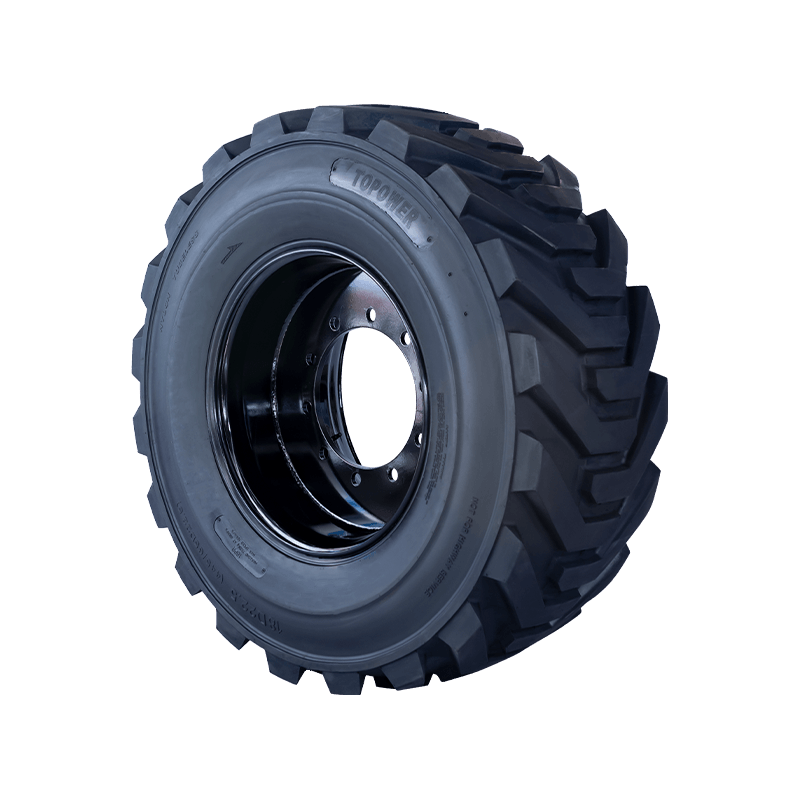
- Bolt‑On (Cushion) Solid Tires: Mounted on split rims using bolts, similar to pneumatic tires. Designed for heavy‑duty machines such as reach stackers, container handlers, and large forklifts over 10 tonnes.
Why Choose Solid Tires Over Pneumatic Tires?
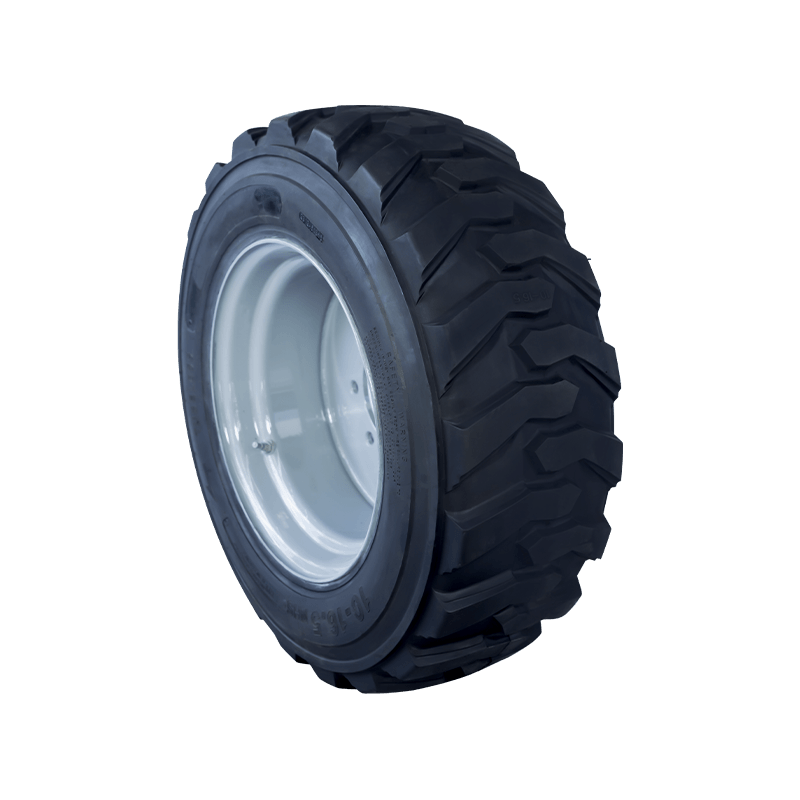
Pneumatic tires are comfortable and fast, but they fail quickly in harsh industrial settings. Solid tires outperform them in every critical area for industrial use:
- Puncture Proof: No air means no flats, no blowouts, and no unexpected downtime.
- Zero Maintenance: No pressure checks, no refilling, no repairs. Install and forget.
- Long Service Life: 2,000–5,000 operating hours, much longer than pneumatic tires.
- High Load Capacity: Built for heavy loads, from 500 kg up to 8,000 kg per tire.
- Stability & Safety: Consistent shape and stiffness improve handling, reduce vibration, and protect both equipment and operators.
- Floor‑Friendly Options: Non‑marking solid tires are available for clean warehouses, food processing plants, and pharmaceutical facilities.
Common Applications of Solid Tires
Solid tires are the standard choice for industries where reliability is critical:
- Warehousing & Logistics: Electric forklifts, pallet jacks, reach trucks, AGVs.
- Ports & Terminals: Container handlers, terminal tractors, baggage tugs.
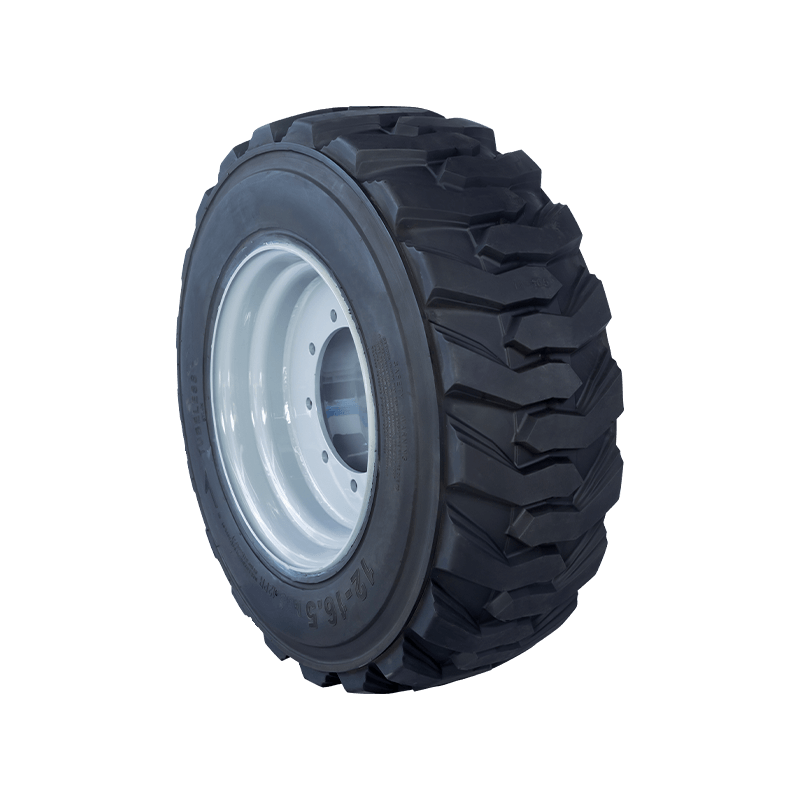
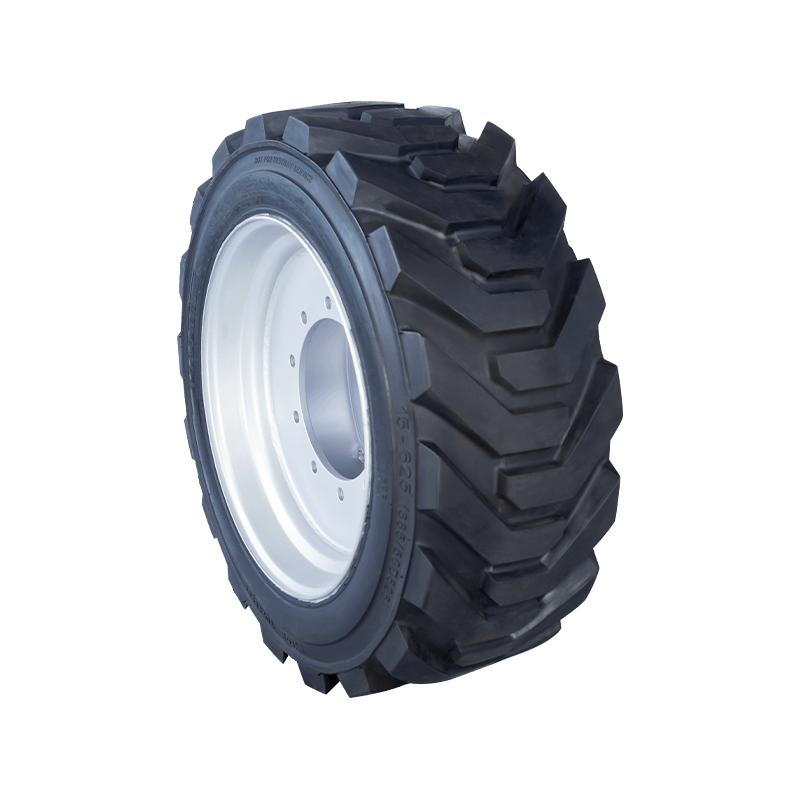
- Construction & Demolition: Skid steer loaders, wheel loaders, compact equipment.
- Steel Mills & Scrap Yards: Loaders, material handlers, heavy transport vehicles.
- Glass, Ceramics & Recycling Plants: Internal transport trucks and handling machines.
Solid Tires vs. Foam‑Filled Tires
Many buyers compare solid tires with foam‑filled tires. Here is a clear difference:
- Solid Tires: Fully rubber, high durability, zero air risk, heavier weight, good for heavy loads and long‑term use.
- Foam‑Filled Tires: Pneumatic casings filled with polyurethane foam. Flat‑proof but lighter, smoother ride, lower load capacity, shorter lifespan.
For max reliability in heavy industrial environments, solid tires remain the good choice.
How to Select the Right Solid Tire
Choosing the correct solid tire ensures safety, performance, and long life. Consider these key factors:
- Size: Match the exact dimensions: outer diameter × width × rim diameter.
- Load Rating: Select a tire rated for your machine’s total weight plus cargo.
- Compound: Standard black for general use; non‑marking for clean floors; extra‑hard for steel mills and scrap yards.
- Tread Pattern: Smooth tread for indoor floors; block/lug tread for outdoor traction.
When to Replace Solid Tires
Solid tires do not have tread depth like pneumatic tires. The industry standard is the 50% Tread Depth Rule: replace when the remaining tread depth reaches 50% of the original depth or when the built‑in wear indicator line becomes visible.
Replace immediately if you see chunking, deep cracks, separation from the rim, or flat spotting.
Final Thoughts
Solid tires are the more reliable, cost‑effective, and safe choice for industrial material handling. With zero puncture risk, minimal maintenance, and long service life, they protect your equipment, reduce downtime, and lower your total operating costs.
If you need durable solid tires for forklifts, loaders, or port machinery, contact us today for professional sizing, high‑quality rubber compounds, and competitive pricing.