 English
 русский
 Español
 عربى
عربى
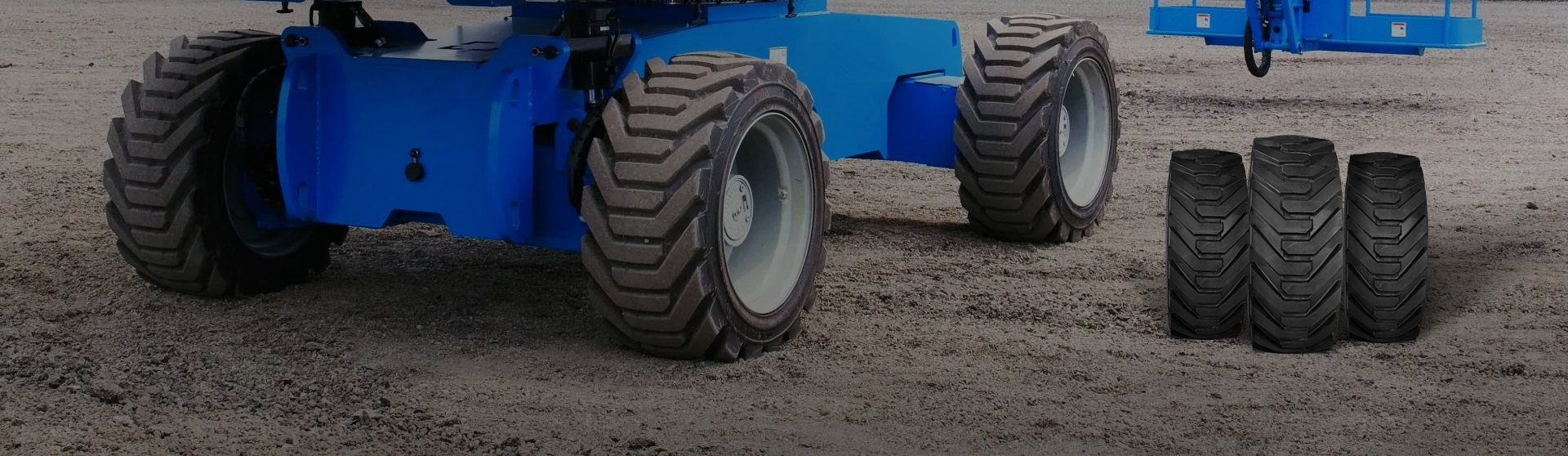

In the fast-paced world of industrial operations and logistics, maintaining consistent productivity, ensuring operational safety, and controlling maintenance costs are top priorities for businesses of all sizes. For years, many enterprises have struggled with unplanned downtime, frequent maintenance tasks, and stability issues related to traditional tire solutions. Today, press-on solid tires have emerged as a reliable and efficient alternative, addressing these longstanding challenges and transforming how industrial vehicles perform across diverse work environments.
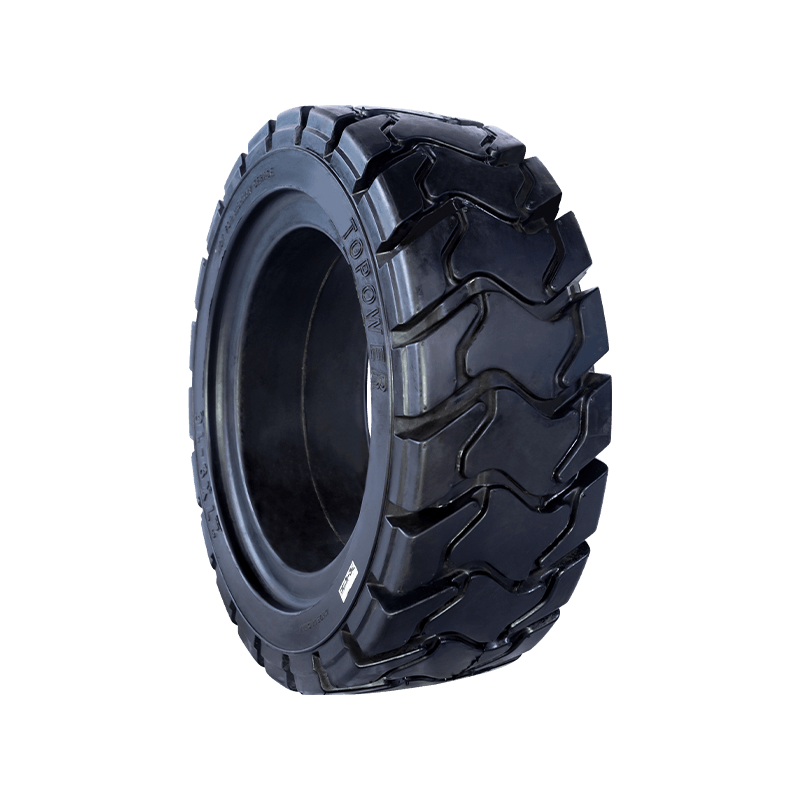
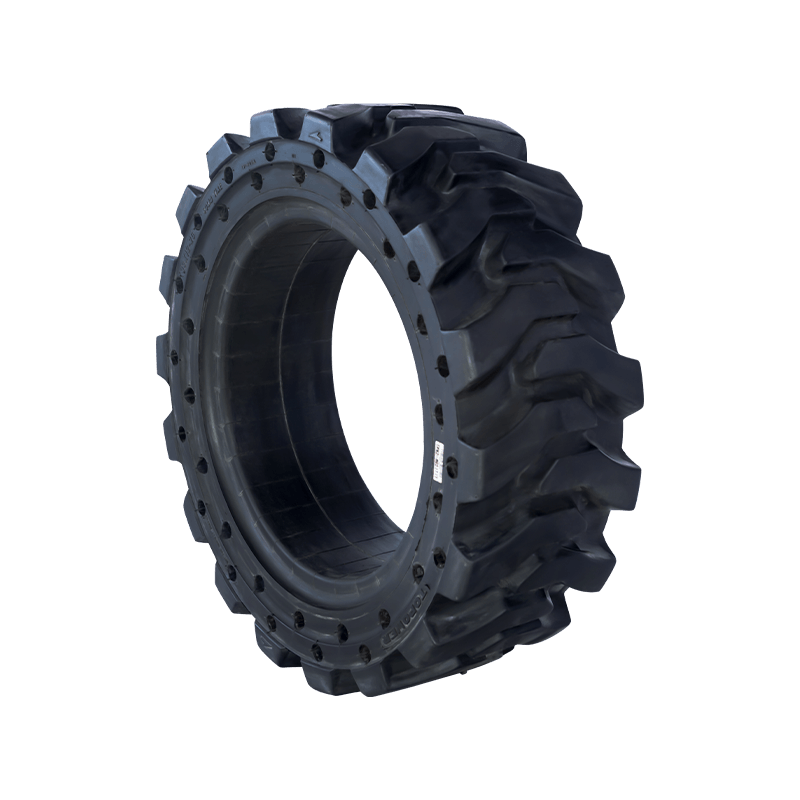
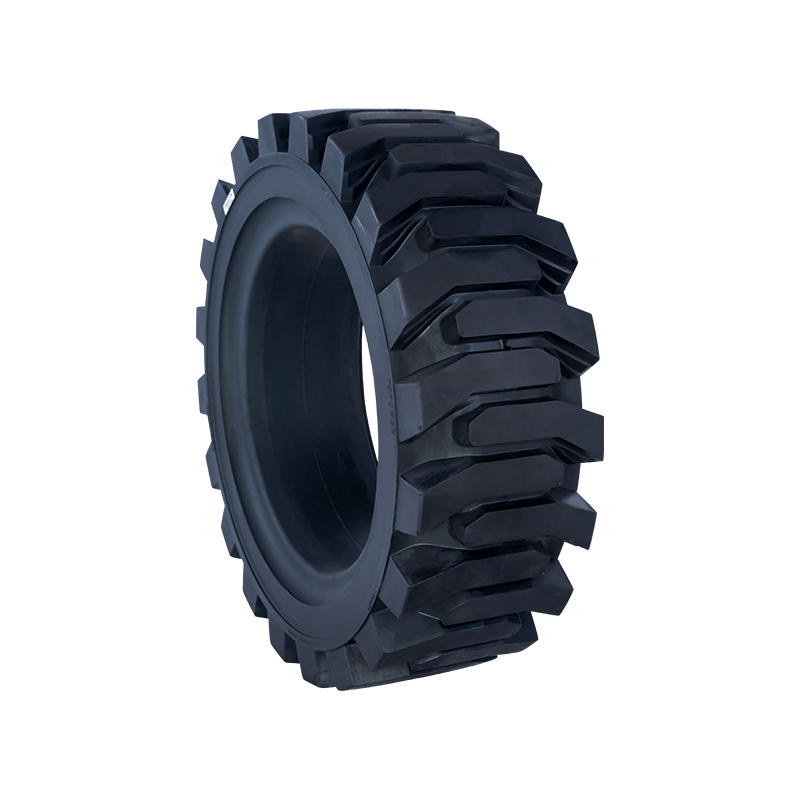
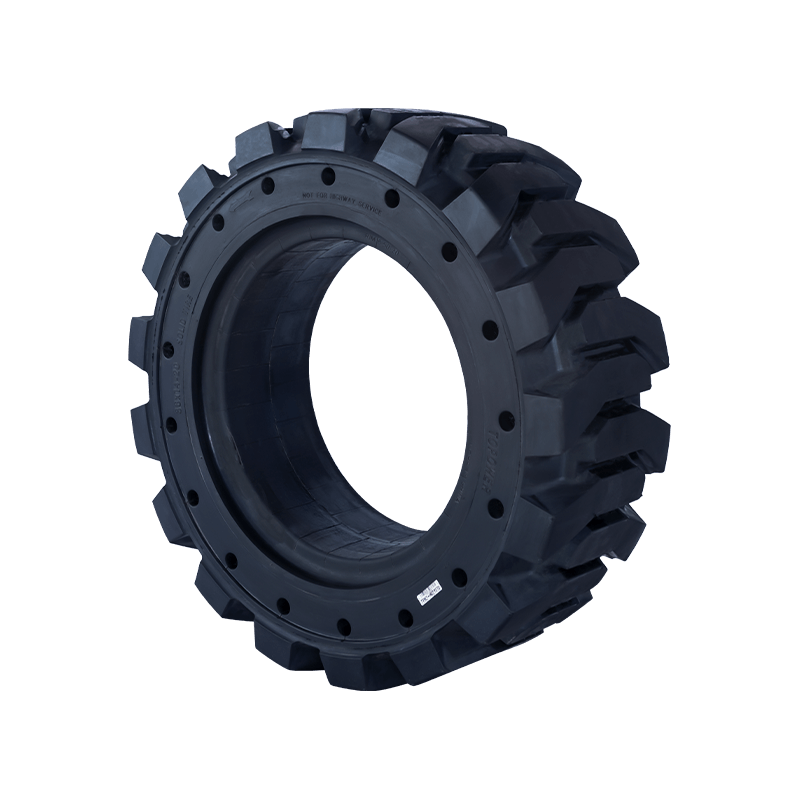
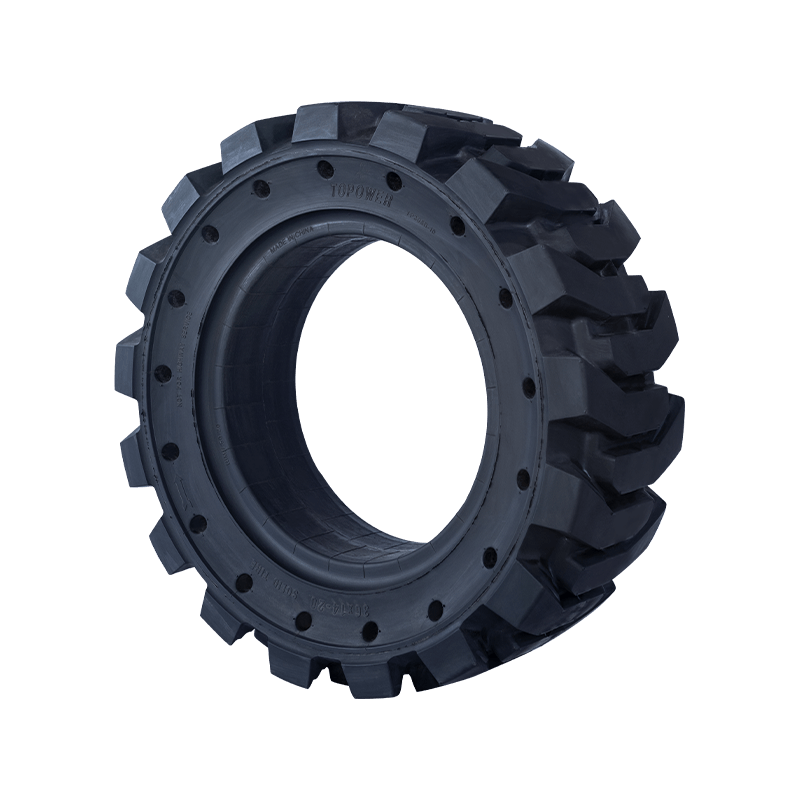
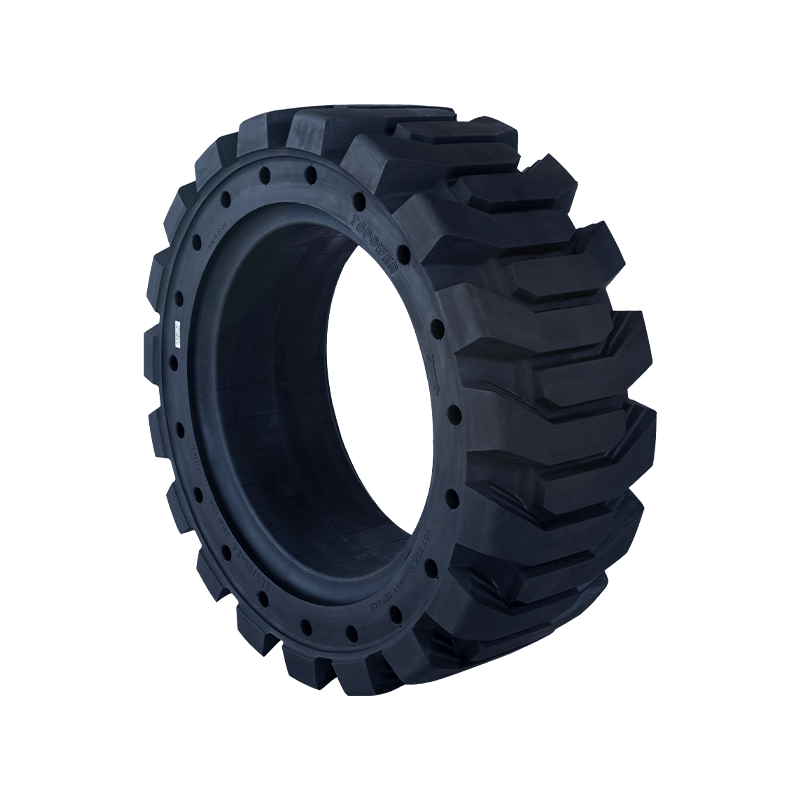
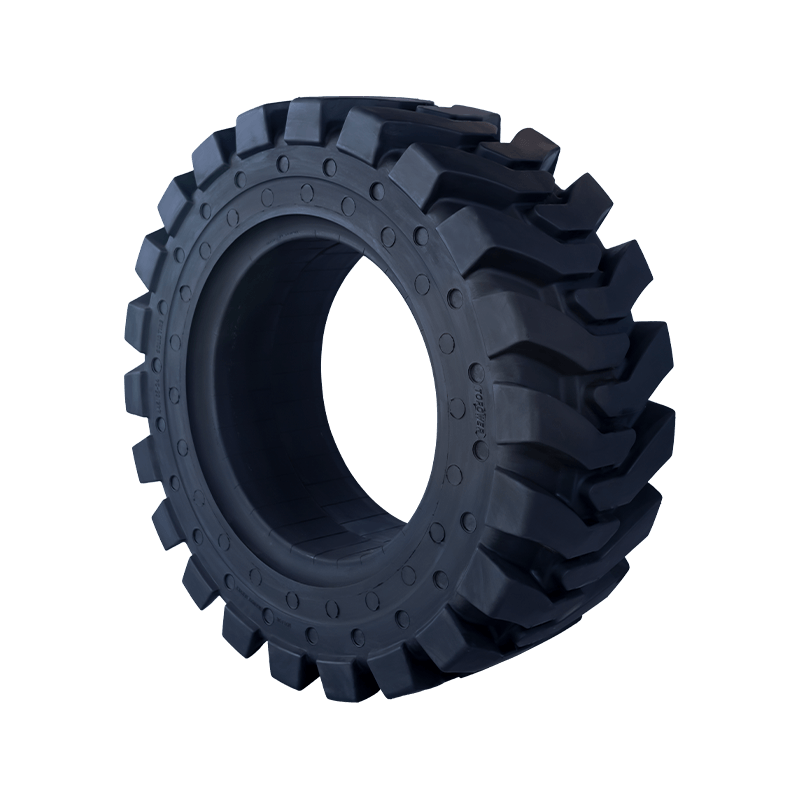
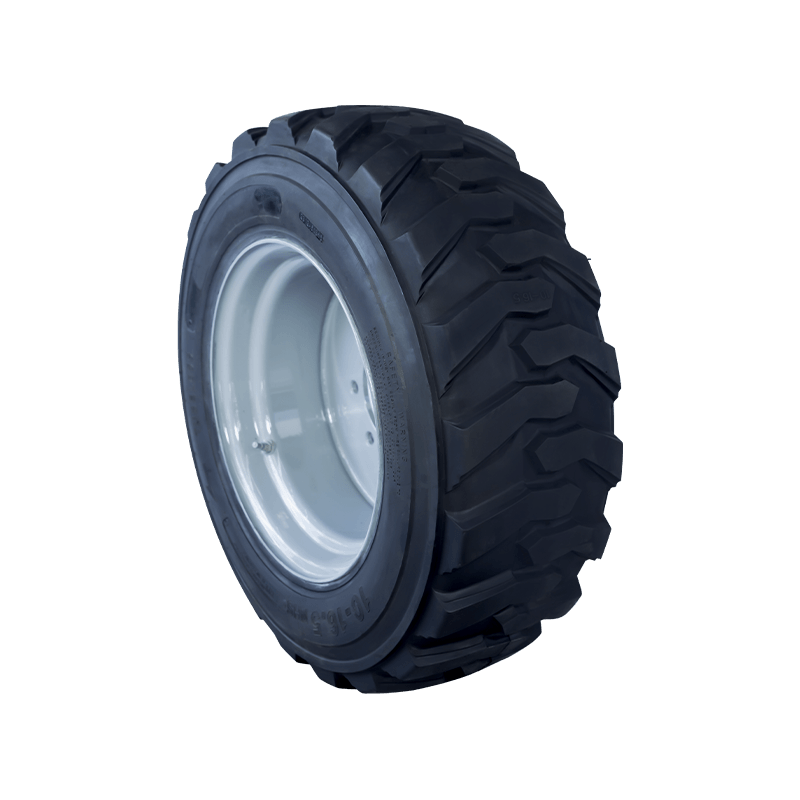
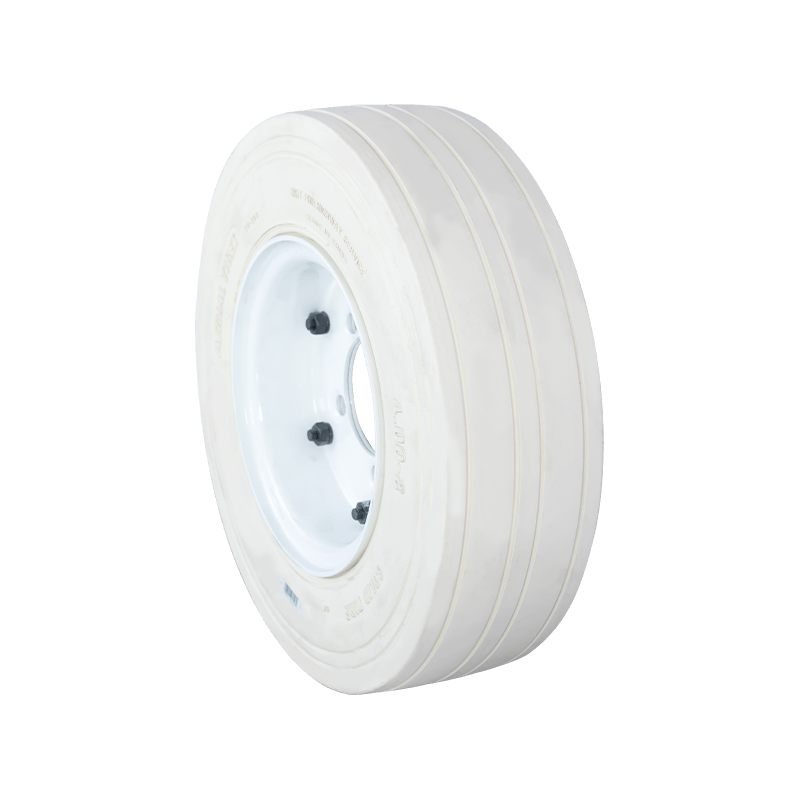
Traditional pneumatic tires, while widely used, often fall short in harsh industrial settings where sharp debris, heavy loads, and continuous use are common. Punctures and air leaks lead to unexpected equipment shutdowns, disrupting workflows and increasing labor costs associated with repairs and replacements. Press-on solid tires eliminate these risks entirely through their full-solid rubber construction paired with a sturdy steel base ring. This design ensures no blowouts or punctures, allowing equipment to operate continuously without interruptions, a critical advantage for facilities running 24/7 operations.
Beyond preventing downtime, press-on solid tires offer exceptional load-bearing capacity and stability, addressing another key pain point for industrial operations. Their high-density rubber layer and rigid steel ring structure minimize sidewall flex and lateral sway even under heavy loads, providing secure support for vehicles like forklifts, stackers, and container handlers. This stability is particularly valuable in narrow warehouse aisles, high-density storage areas, and port yards, where precision and safety are non-negotiable. It also reduces the risk of load tilting, protecting both goods and workers on site.
Maintenance efficiency is another area where press-on solid tires outperform traditional options. Unlike pneumatic tires, they require no inflation, tire pressure checks, or inner tube replacements, freeing up valuable time for maintenance teams to focus on other critical tasks. The high-wear-resistant rubber compound used in press-on solid tires also extends their service life significantly—often 3 to 5 times longer than standard tires—reducing the frequency of tire replacements and the associated material and labor costs. Over time, this translates to lower total ownership costs, making them a cost-effective choice for long-term operations.
The secure fit of press-on solid tires further enhances operational safety. Mounted via an interference fit, they form a tight, non-slip bond with the rim, eliminating the risk of tire slippage during frequent steering, load shifts, or sudden braking—an issue that can compromise safety in busy industrial settings. Additionally, specialized variants are available to meet the unique needs of different industries, including non-marking options for food processing facilities, anti-static versions for electronics manufacturing, oil-resistant tires for industrial plants, and cold-resistant models for cold storage warehouses. This versatility allows press-on solid tires to adapt to even the most demanding work environments.
Their compact design is another notable benefit, with a smaller profile and shorter wheelbase that enables equipment to navigate tighter spaces and achieve a smaller turning radius. This is especially useful in modern warehouses and logistics centers, where maximizing storage density often requires narrow-aisle operations. From indoor warehouse material handling to outdoor port operations, press-on solid tires are compatible with a wide range of vehicles, including electric forklifts, reach trucks, AGVs, port tractors, industrial trailers, and cold storage forklifts.
Widely adopted across warehouse logistics, port terminals, manufacturing facilities, cold chain operations, and even mining and construction support, press-on solid tires have proven their value in low-speed, high-load, and intensive-use scenarios. They provide a consistent, reliable performance that helps businesses streamline operations, reduce costs, and enhance workplace safety.
As industrial operations continue to evolve and demand greater efficiency and reliability, press-on solid tires are poised to remain a key component of modern material handling and heavy-duty operations. By addressing the core pain points of traditional tire solutions—unplanned downtime, high maintenance, instability, and high costs—they offer a practical, long-term solution that supports businesses in achieving their operational goals.