 English
 русский
 Español
 عربى
عربى

Before a forklift or any industrial vehicle moves an inch, the operator must answer one critical question: how should the load be positioned? The answer is not a matter of preference. It is a stability calculation that determines whether the vehicle stays upright, whether the load arrives intact, and whether the tires survive the trip. The core rule is straightforward: keep the load as low as possible, as close to the front wheels as possible, and tilted back against the mast. Everything else—load center distance, capacity derating, travel speed, and tire choice—builds on that foundation.
The Core Rule: Low, Close, and Tilted Back
The load should be positioned so that its center of gravity is as near to the front axle as the attachment allows. In practice, this means the forks enter the pallet or skid fully, the load rests against the carriage, and the mast is tilted back just enough to cradle it. The fork tips should not protrude beyond the load in a way that shifts the center of gravity forward. A common field standard is to keep the load 2 to 4 inches (50 to 100 mm) above the ground during travel, with the mast tilted back to the manufacturer's recommended angle.
Why so low? Raising the load elevates the combined center of gravity of the vehicle and load. The higher that combined center, the smaller the margin before the vehicle tips forward or sideways. Why so close? Every inch the load center moves forward increases the load moment, which acts like a lever trying to rotate the vehicle about the front axle. Why tilt back? Tilting back moves the load's weight toward the mast, reduces the load center distance, and uses the mast and carriage as a counterweight.
Why Load Position Determines Stability
Counterbalanced forklifts rely on a stability triangle. The triangle is formed by the two front wheels and the center of the rear axle. As long as the combined center of gravity of the vehicle and load stays inside that triangle, the vehicle remains stable. When the load is positioned too far forward, too high, or both, the combined center of gravity migrates toward the edge of the triangle. The result is reduced rear-wheel loading, steering that feels light, and eventually a tip-over.
This is not theoretical. A 5,000 lb (2,270 kg) capacity forklift is rated at a specific load center, usually 24 inches (600 mm). If the actual load center is 36 inches (900 mm), the effective capacity drops significantly. The load may weigh less than the rated capacity, but the leverage is greater. The vehicle behaves as if the load were heavier. Positioning the load correctly is therefore the first line of defense against instability, before any discussion of speed, floor conditions, or tire type.
Load Center Distance and Capacity Derating
The load center distance is the horizontal distance from the face of the forks to the center of gravity of the load. It is not the same as the load width. A pallet 48 inches deep may have its center of gravity 24 inches from the fork face if the load is evenly distributed. But if the load is a dense machine component shifted toward one end, the effective load center can be much greater. Manufacturers publish a capacity chart that shows how much load the forklift can safely handle at various load centers and lift heights. Operating outside that chart is unsafe, regardless of how slowly you drive.
| Load Center (inches) | Approximate Capacity (lb) | Approximate Capacity (kg) |
|---|---|---|
| 24 | 5,000 | 2,270 |
| 30 | 4,000 | 1,815 |
| 36 | 3,300 | 1,500 |
| 42 | 2,800 | 1,270 |
Use the capacity chart for every lift. If the load center is unknown, measure it or estimate conservatively. Position the load to minimize that distance. For long loads, center them on the forks and avoid lifting from the extreme ends. For uneven loads, place the heavier side toward the mast. These simple placement decisions can mean the difference between a stable lift and a tip-over.
Traveling with a Load: Terrain, Ramps, and Speed
Once the load is positioned correctly, travel technique protects that positioning. Keep the load low and tilted back. Avoid sharp turns; a turning radius that is safe with an empty forklift may be too tight with a load. On ramps and inclines, drive with the load uphill when carrying a load. That means forward when going up, and in reverse when going down. This keeps the load against the mast and reduces the chance of the load sliding off or the vehicle tipping backward.
Speed should be reduced to a level that allows a safe stop within the available distance. Sudden braking causes the load to shift forward, increasing the load moment and potentially lifting the rear wheels. If the load blocks your view, travel in reverse or use a spotter. Never travel with the load raised higher than necessary. The lower the load, the more stable the vehicle, and the better you can see the path ahead.
How Tire Choice Affects Load Positioning and Safety
Tires are the interface between the load and the ground. Their construction affects how much the vehicle can carry, how it handles, and how it responds to load shifts. Pneumatic tires cushion the ride but can be punctured or lose pressure, which changes the tire's shape and reduces stability. Solid tires, such as those used on forklifts and other industrial vehicles, resist punctures and maintain their shape under heavy loads. That consistency helps preserve the stability triangle and makes load positioning more predictable.
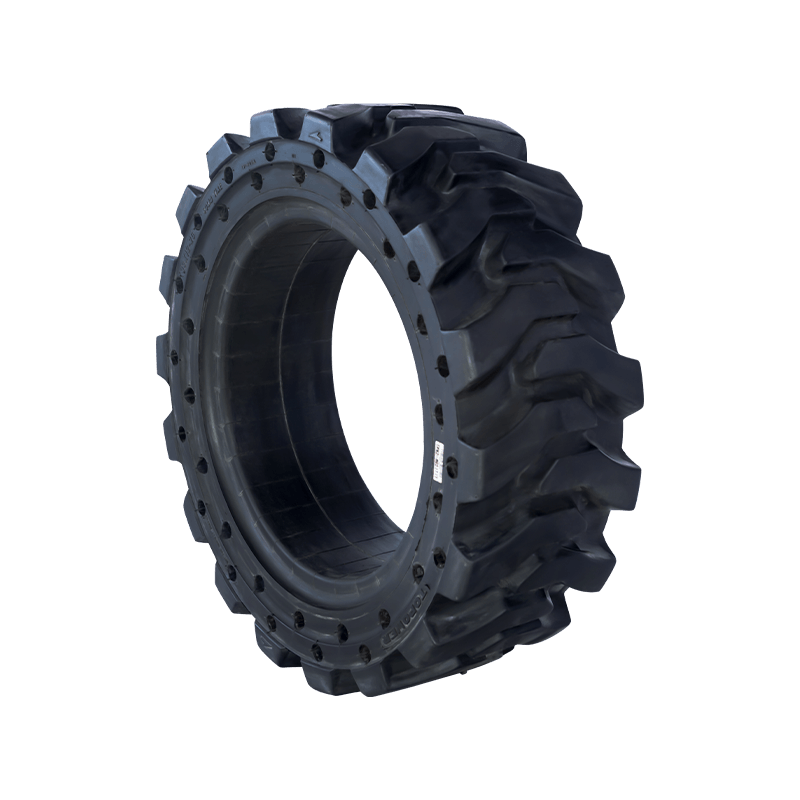
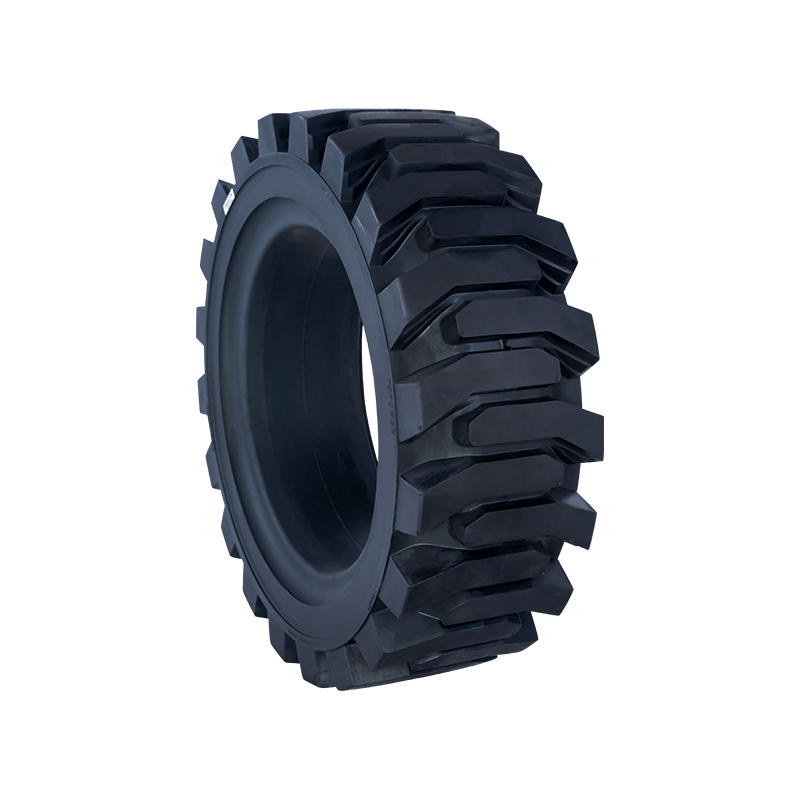
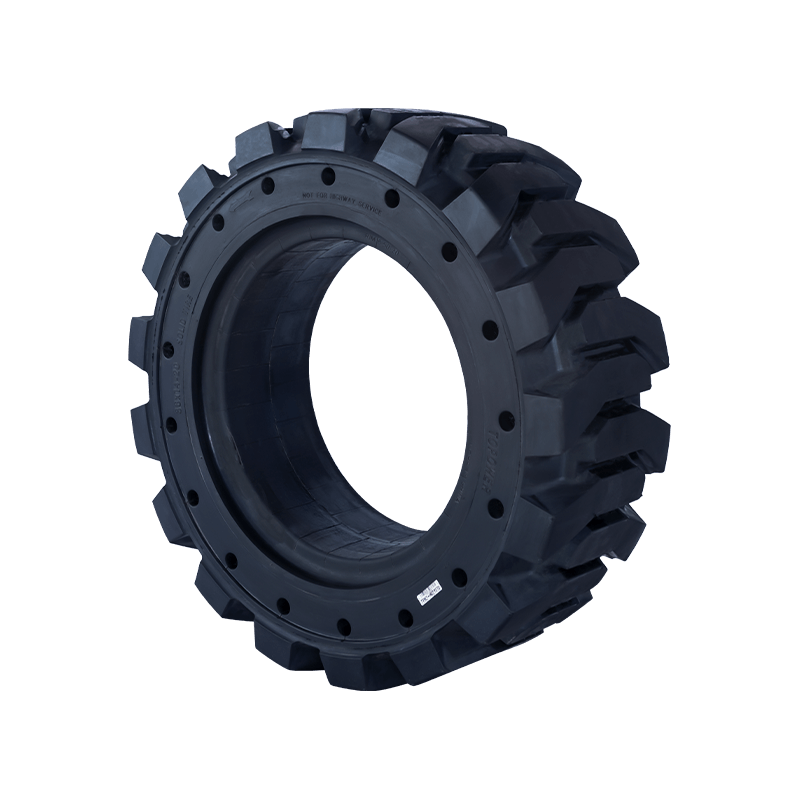
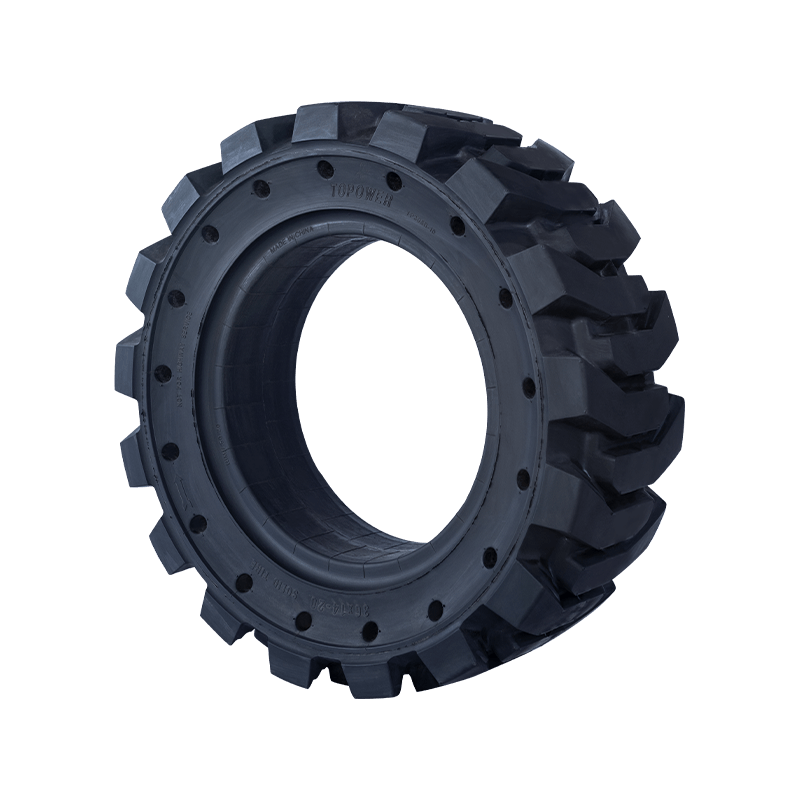
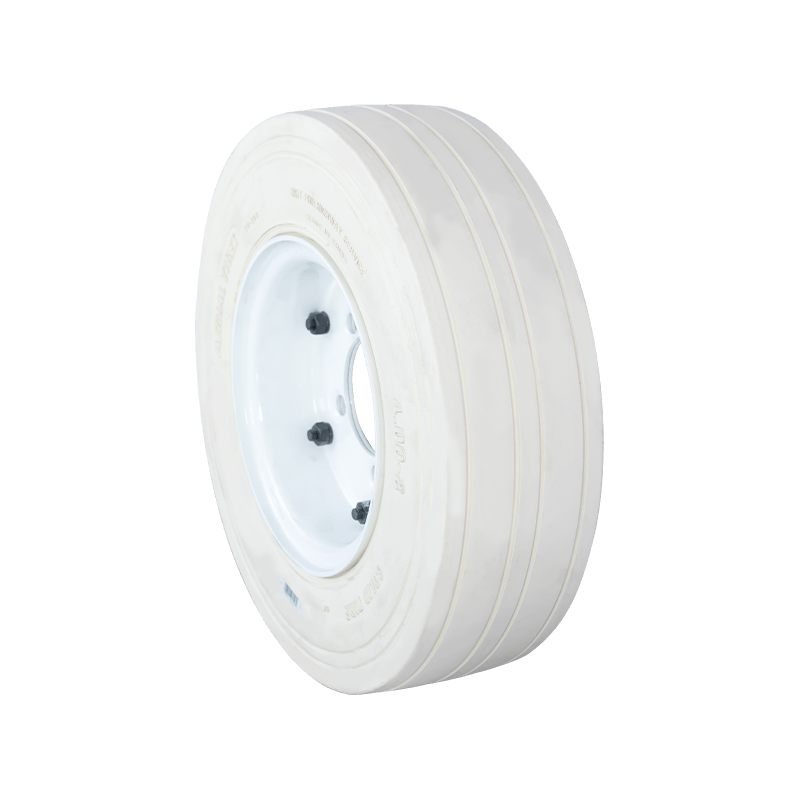
For forklifts working in warehouses, ports, and manufacturing plants, a solid tire designed for high load capacity can reduce the risk of sudden deflation that would otherwise cause the load to shift or the vehicle to list. The same principle applies to aerial work platforms and scissor lifts, where stability is critical. A PU foam-filled tire or a Cure-On solid tire can provide a stable footprint while avoiding the maintenance demands of air pressure. For specialty vehicles that must keep moving even after a tire is damaged, a run-flat insert inside the tire supports the load and allows the vehicle to reach a safe location.
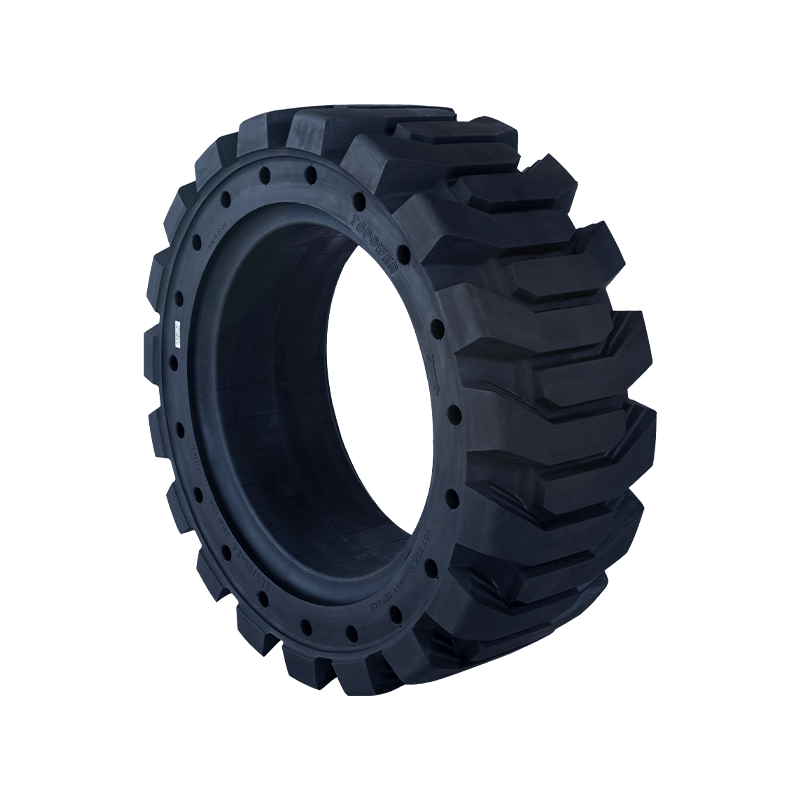
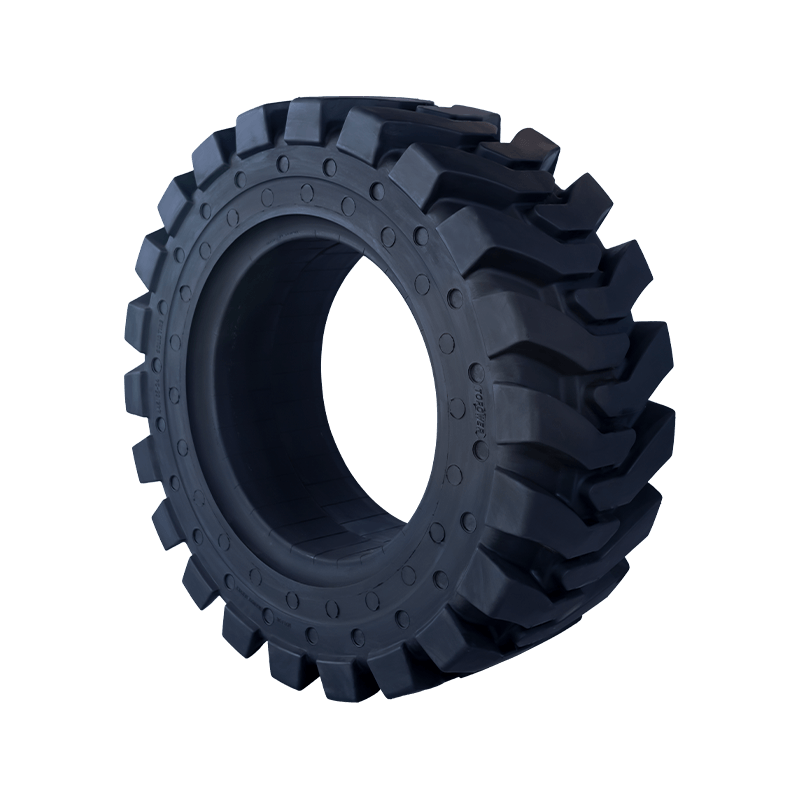
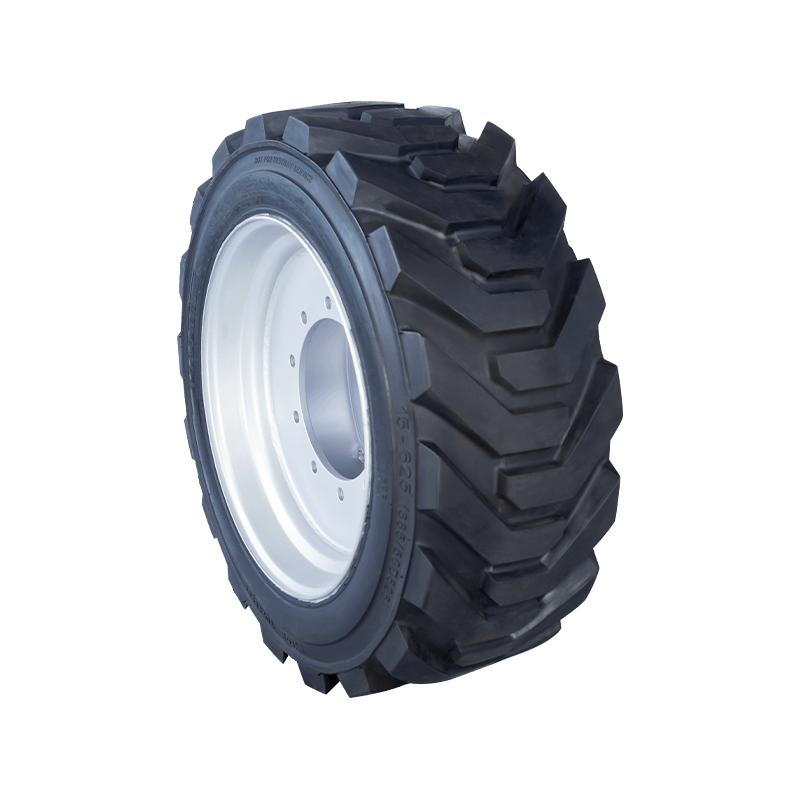
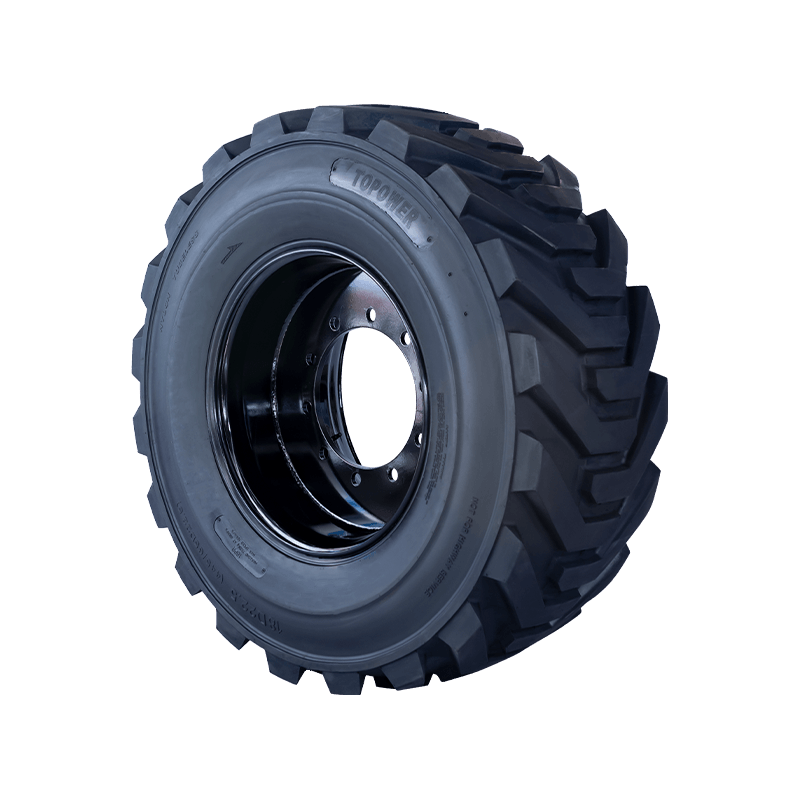
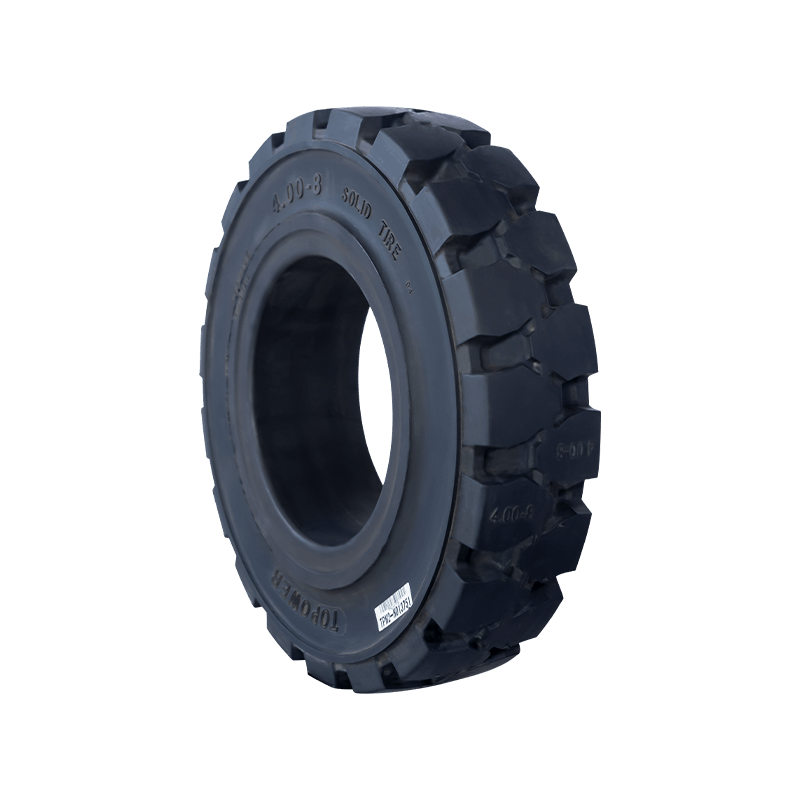 Forklift Solid Tyre Category with TP301 and TP301B ModelsListing covers pneumatic-rim forklift solid tyres with TP301/TP301B sizes, load-bearing construction, and customizable black or non-marking compounds.View Product →
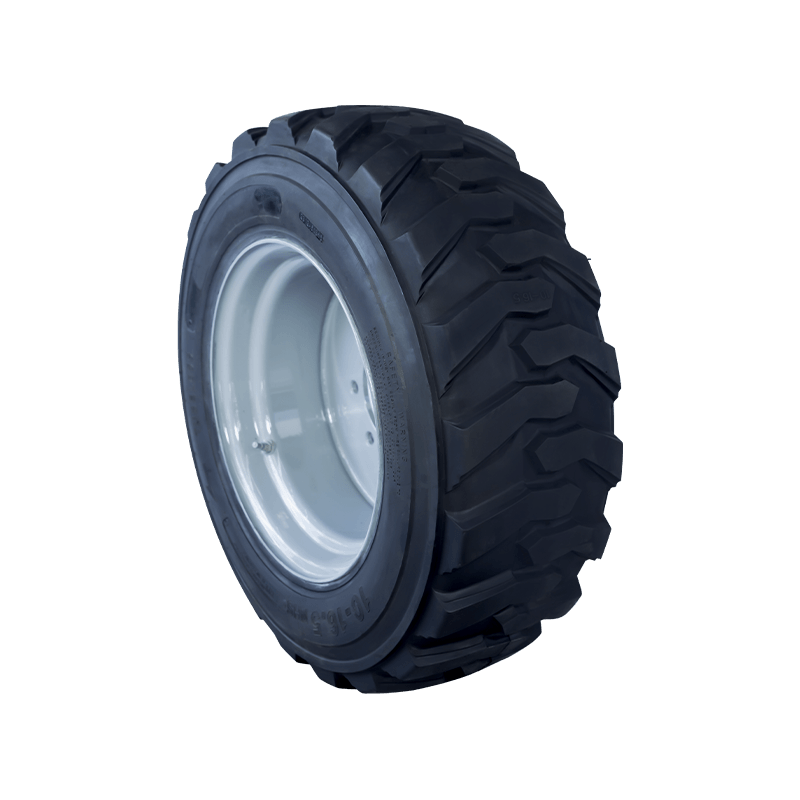
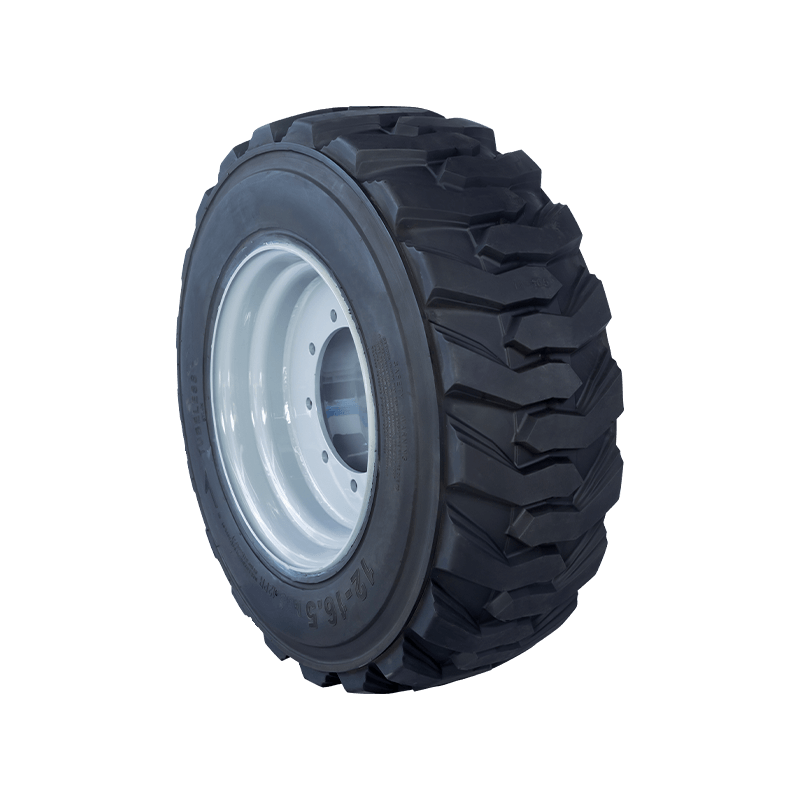
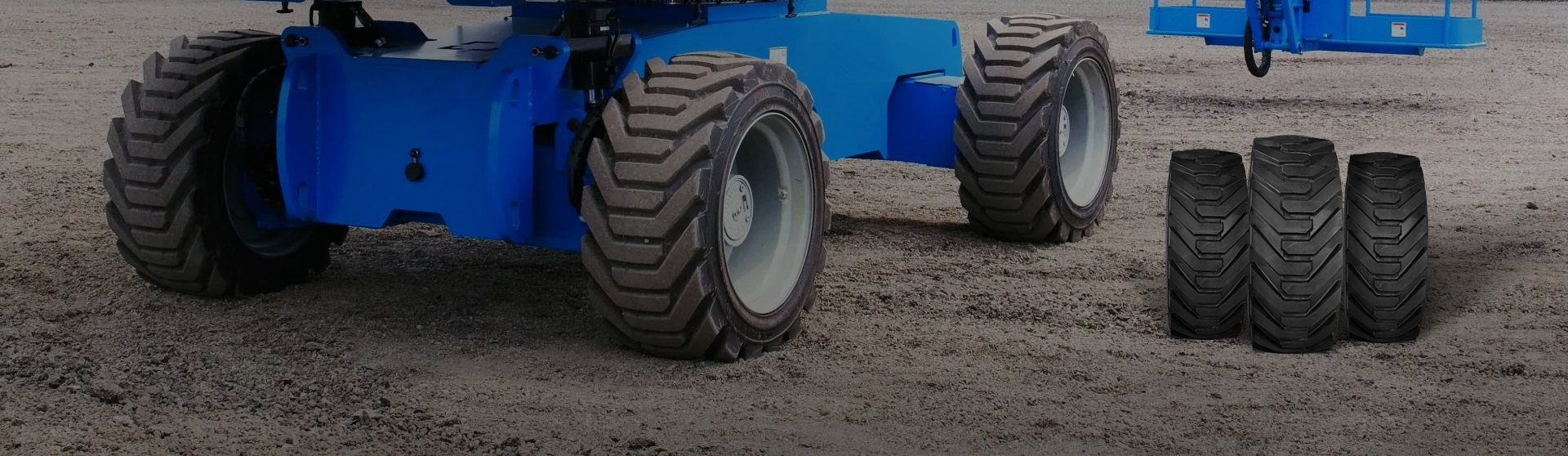
 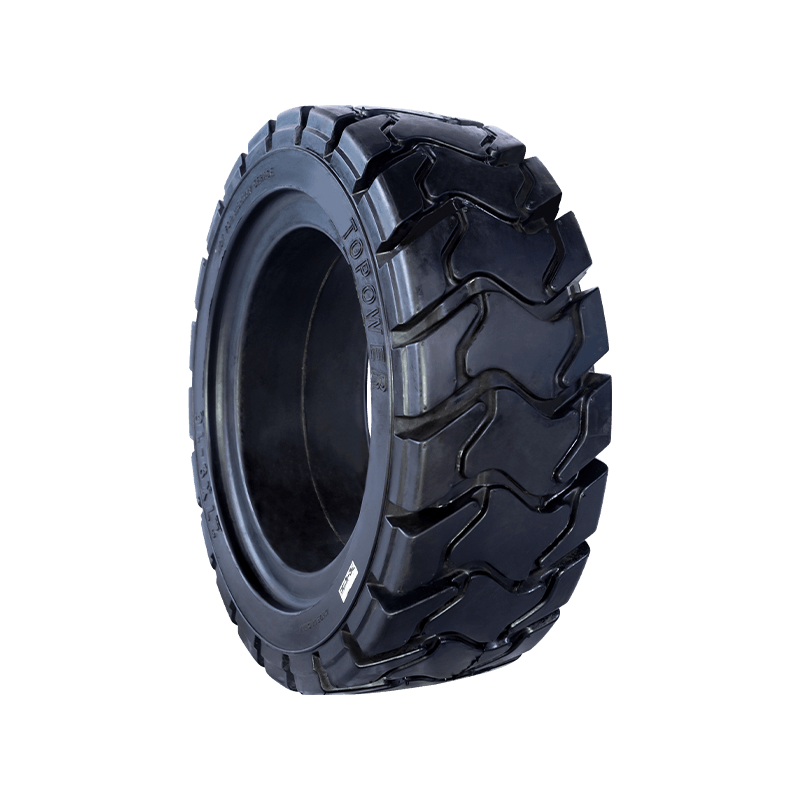 Aerial Work Platform Tyres for Boom and Scissor LiftsCategory presents solid, PU foam-filled, and Cure-On tyres for scissor lifts, boom lifts, and articulated platforms, including black and non-marking options.View Product →
 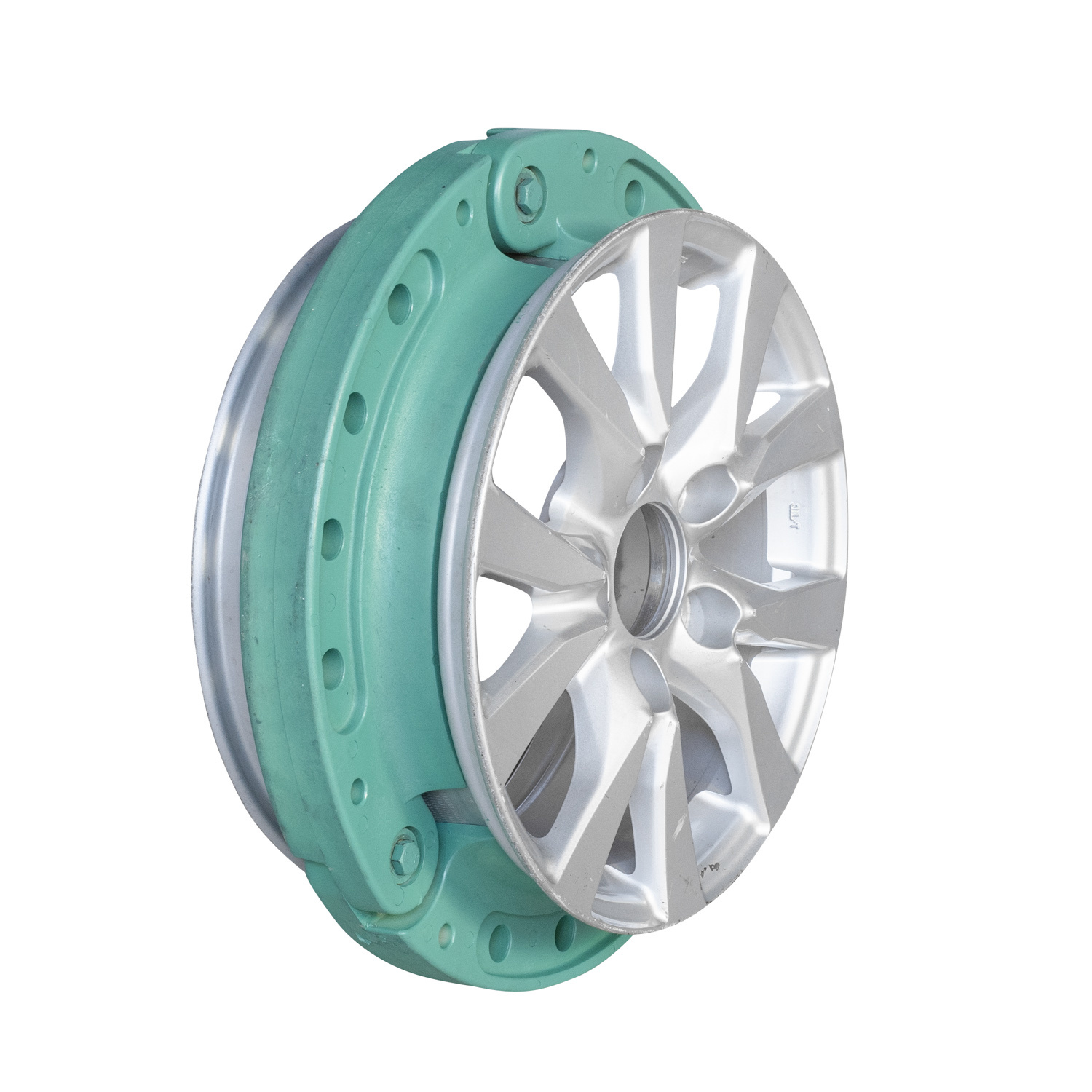 Polymer Run Flat Insert for Car, SUV, Truck and Bus TyresPolymer run-flat insert supports tyres after pressure loss, fits 15-22.5 inch rims, and suits cars, SUVs, trucks, and buses.View Product →
When selecting tires for load handling, match the tire's load capacity and compound to the application. A non-marking tire may be essential in clean facilities, while a press-on solid tire might be preferred for certain wheel assemblies. The tire must also be inspected for wear, cuts, and embedded debris. A worn or damaged tire can change the effective rolling radius and reduce stability, even if the load is positioned perfectly.
Industrial solid tires perform differently under varying load conditions. Understanding those differences helps maintenance teams plan replacements and helps operators recognize when a tire is no longer safe for the loads being handled. Learn more about how industrial solid tires perform under different load conditions to align tire choice with actual duty cycles.
Inspection and Maintenance for Safe Load Handling
Correct load positioning depends on the vehicle being in proper working order. Before each shift, check the forks for cracks or bending, the mast and chains for wear, the carriage for free movement, and the brakes for response. Tires deserve particular attention. Look for flat spots, chunking, sidewall damage, and embedded metal. Check wheel nuts and rim condition. On pneumatic tires, verify pressure. On solid tires, verify that the tire is firmly seated on the rim and that the press-on band or mounting is secure.
Regular inspection helps prevent a tire failure from turning a well-positioned load into an accident. A tire that is losing its shape or grip can allow the load to shift during travel, forcing the operator to correct with steering or braking—both of which can upset stability. Establish a routine: inspect tires at the start of each shift, measure tread wear at scheduled intervals, and replace tires when they reach the manufacturer's wear limits.
Training matters as much as hardware. Operators should understand the load chart, know how to calculate or estimate load center distance, and practice positioning loads low and close before every travel. They should also know the limits of their vehicle and tires. A load that is within capacity at a 24-inch load center may be unsafe at 36 inches. There is no substitute for following the manufacturer's instructions and applying them consistently.
Positioning the load before traveling is a sequence of deliberate choices: keep it low, keep it close, tilt it back, and verify that the combined center of gravity remains inside the stability triangle. Use the capacity chart for the actual load center, travel at a controlled speed with the load low, and choose tires that match the load and the environment. Whether the vehicle is a forklift, a boom lift, or a specialized carrier, the same physics apply. Get the load position right, and the rest of the journey becomes far more predictable.