 English
 русский
 Español
 عربى

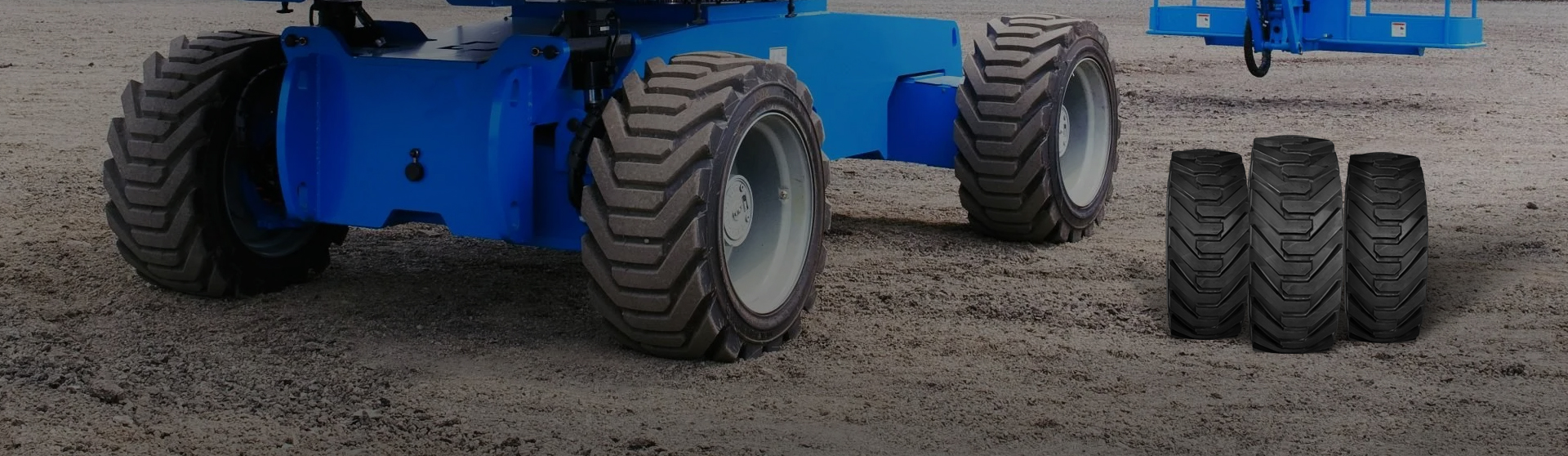

A forklift comes in with a sidewall leak, and the maintenance team asks a familiar question: can this tire be foam filled instead of replaced? The short answer is yes, but only when the tire, rim, foam system, and operating speed all fit the application. Foam filling is not the same as squirting canned expanding foam through the valve stem. In industrial service, it is a controlled process that fills the tire cavity with a two-part polyurethane foam, usually a closed-cell system, so the tire becomes semi-solid and stops losing pressure from punctures, cuts, and slow leaks.
The decision should start with duty, not with the foam can. A foam-filled tire can be a good choice for a slow-speed aerial work platform, a forklift working around nails and scrap, or a trailer used in a debris-heavy yard. It is usually a poor choice for highway service, high-speed operation, heat-sensitive cycles, or any tire with a damaged casing. The process can also change ride quality, load behavior, and service life. Treat it as an engineered repair or conversion, not a quick hack.
What Foam Filling Actually Does to a Tire
A pneumatic tire carries load through air pressure and casing shape. Foam filling replaces most of that air space with a cured polymer mass that supports the casing from the inside. The result is not a normal tire with a little extra sealant inside. It is a composite of tire, rim, and foam. The foam bears compression, the casing still carries part of the load, and the bond between foam and inner liner affects how the assembly behaves.
That is why foam type matters so much. Open-cell spray foam is soft, absorbs water, and collapses under repeated load. It may fill a bicycle tire for a short experiment, but it does not provide the structural support needed in a forklift or lift equipment tire. Closed-cell polyurethane foam is denser, stronger, and more dimensionally stable. Industrial foam systems are selected for compressive strength, density, elongation, adhesion, and cure behavior. The tire cavity must be clean and dry, and the foam must be mixed and dispensed within the supplier’s working time.
Foam filling does not repair a broken casing. A tire with exposed cords, a separated tread, a cracked bead, or severe sidewall damage is not a candidate. Foam can seal a puncture path, but it cannot restore the strength of a damaged body ply. If the casing is suspect, the tire should be replaced with a solid tire, a new pneumatic tire, or another approved assembly.
When Foam Filling Makes Sense and When It Does Not
Foam filling fits applications where puncture resistance is more important than a soft ride, and where speeds are low enough that heat build-up stays under control. Common examples include industrial forklifts, aerial work platforms, skid-steer loaders, sweepers, yard trailers, and specialty equipment working around nails, glass, scrap metal, or rough concrete. In those settings, a flat tire can stop a shift, create a safety hazard, or strand a machine in a remote area. Foam filling can reduce that downtime.
The application also needs a compatible rim. Some rims are not approved for foam filling because the filling process, added mass, or curing pressure can affect the wheel. The tire maker and foam supplier should confirm the assembly. If the tire is already near the end of its tread life, foam filling may not be economical. The casing may fail before the foam does, and the entire assembly becomes difficult to repair.
Foam filling is usually unsuitable for road vehicles, high-speed equipment, motorcycles, passenger cars, and any application where heat is a major design factor. A foam-filled tire cannot be fine-tuned by inflation pressure. Once the foam cures, the effective stiffness is set. That can make a harsh ride worse, increase shock loads on the machine, or change steering feel. In high-speed service, internal heat cannot be managed the way it is in a pneumatic tire. The result can be separation, rapid wear, or rim damage.
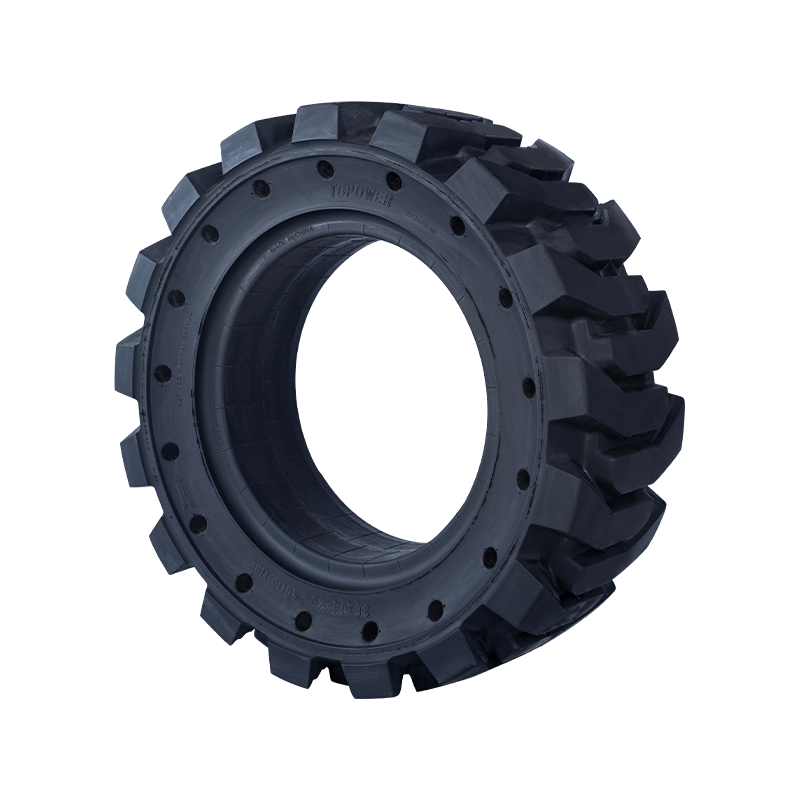
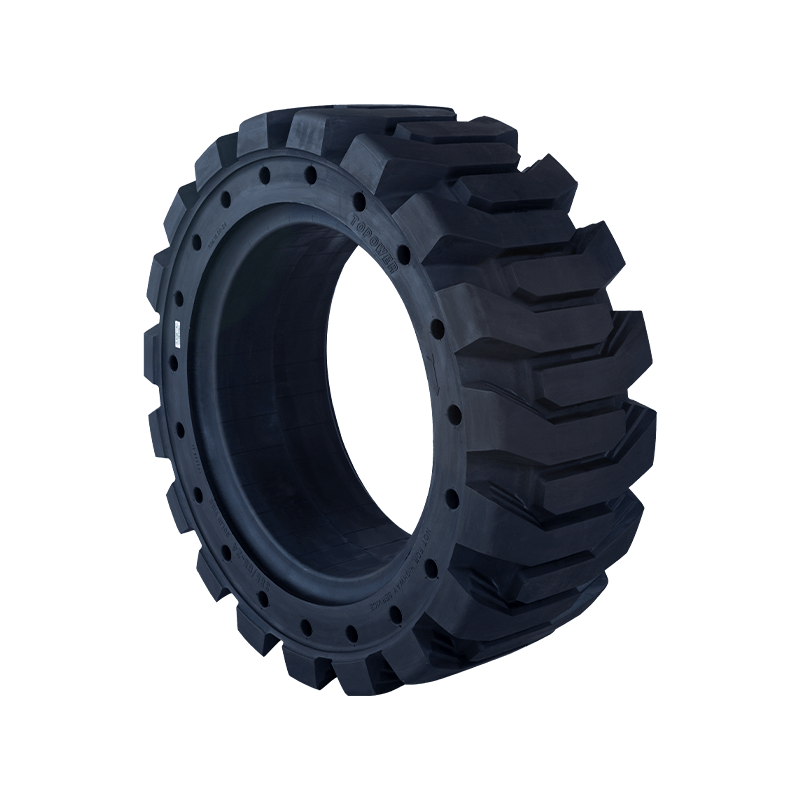
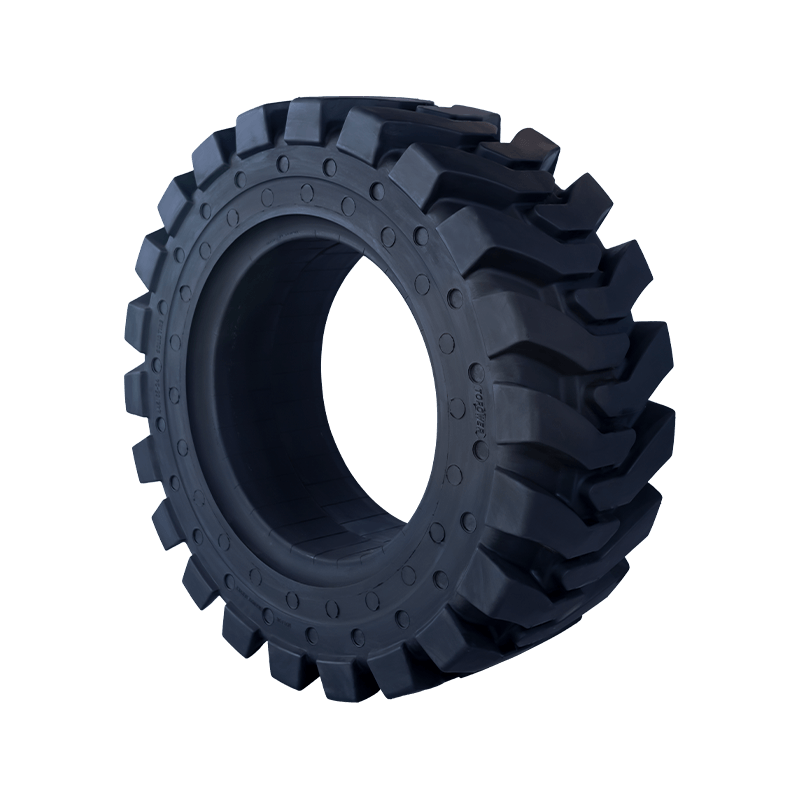
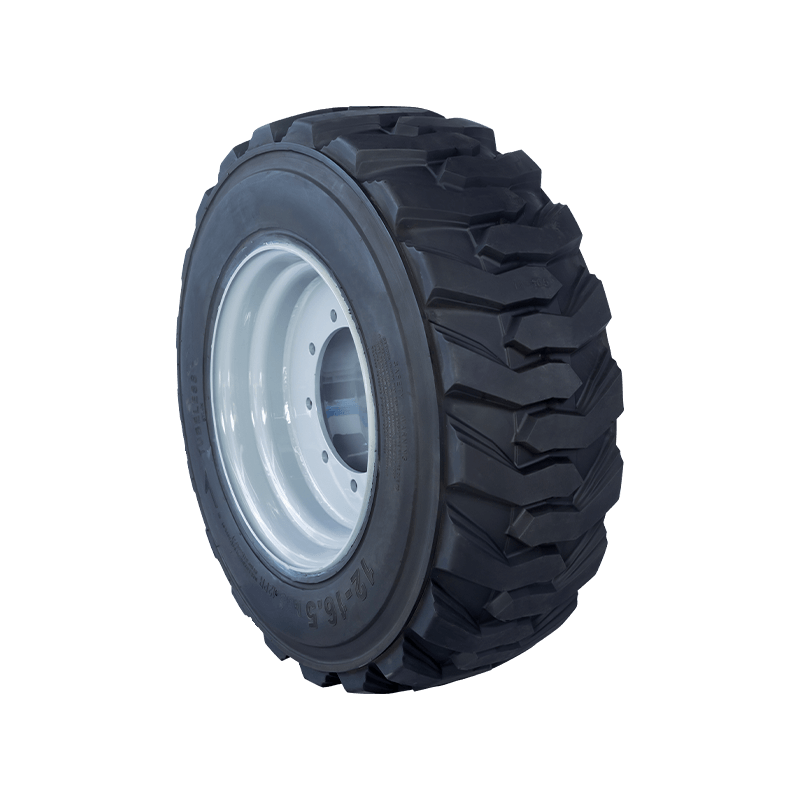
For aerial work platforms and similar equipment, the goal is often stability and flat resistance rather than passenger comfort. A PU foam-filled tire can support that goal when the machine maker allows it. Product selection should start with the equipment duty and the approved wheel assembly, not with a generic foam kit.
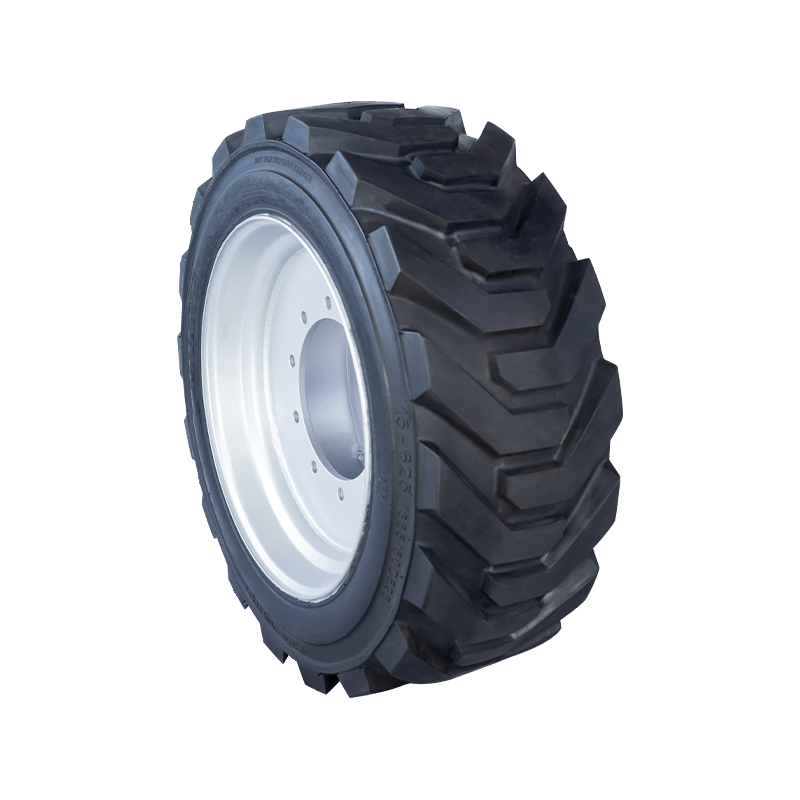
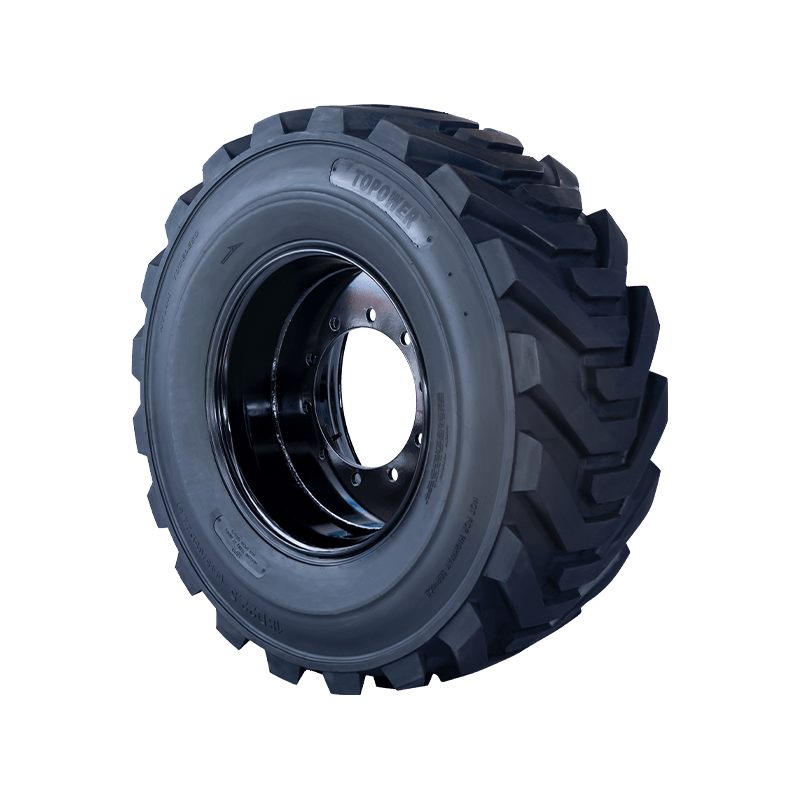
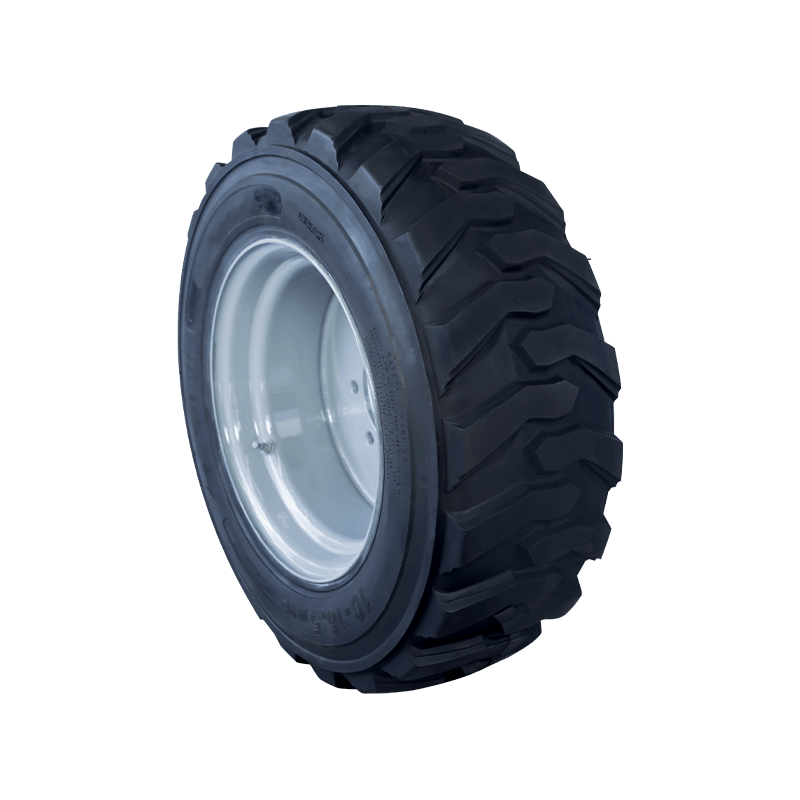 PU Foam-Filled Tyres for Aerial Work PlatformsBrowse PU foam-filled tyre sizes and models for aerial work platforms, with black wear-resistant or non-marking options to match equipment duty and wheel assembly.View Product →
A tire that runs at low speed but carries a heavy load needs more than a soft filler. The foam density, fill volume, and cure must be matched to the tire size and load. A foam-filled tire that is underfilled can develop voids and soft spots. An overfilled tire can stress the bead, distort the sidewall, or make mounting difficult. Both conditions shorten service life.
The Real Process: Step-by-Step Foam Filling
The exact procedure varies by foam system, tire size, and shop equipment, but the sequence below reflects good industrial practice. The key is to control the cavity, the mix, the volume, and the cure. Skipping a step usually shows up later as a void, a soft spot, a balance problem, or a premature casing failure.
Step 1: Confirm Tire, Rim, and Application Suitability
Before any foam is mixed, confirm that the tire size, load rating, speed limit, rim type, and machine application are approved for foam filling. Check the tire sidewall for damage and the rim for cracks, bends, or heavy corrosion. Confirm that the valve hole and any vent path can be used or sealed correctly. If the machine is used on public roads or at higher speeds, stop and verify the manufacturer’s limit in writing. A foam-filled assembly may have a lower speed rating than the original tire.
Step 2: Clean, Inspect, and Repair the Casing
Remove the tire from the rim if the procedure requires it, then clean the inner liner. Oil, water, dust, and release agents can prevent the foam from bonding. Inspect the inside for loose rubber, nail holes, previous sealant, and moisture. A puncture can often be plugged or patched before filling, but a sidewall injury or cord damage usually rejects the casing. Dry the tire thoroughly. Moisture reacts with some polyurethane systems and can create foam defects, pressure, or poor cell structure.
Step 3: Mount and Seal for Controlled Filling
Mount the tire on the approved rim and seat the bead. Depending on the method, the tire may be filled through the valve hole, a temporary port, or an opening made for the process. Any vent path must allow displaced air to escape; trapped air creates voids. Clamp or support the assembly as required by the foam supplier. Do not rely on random holes or tape to control pressure. The fill path and vent path should be planned before mixing begins.
Step 4: Calculate Foam Volume and Density
Estimate the internal cavity volume of the tire and rim assembly, then select the target foam density. For illustration, a 30-liter cavity filled at 250 kg/m³ would need about 7.5 kg of foam, plus mixing and transfer loss. That example is not a specification. The real cavity volume and density must come from the tire maker or foam supplier. Underfill leaves air pockets and soft zones. Overfill can distort the casing or trap pressure.
| Option | Best fit | Puncture behavior | Main watch-outs |
|---|---|---|---|
| Foam-filled pneumatic tire | Slow-speed industrial equipment with high puncture risk | Foam blocks air loss from most tread punctures | Heat, added mass, ride harshness, cure quality, limited repairability |
| Solid tire | Forklifts, skid steers, and heavy-duty industrial service | No air cavity to puncture | Harsher ride, wheel and suspension loads, mounting requirements |
| Run-flat insert | Safety-critical vehicles that must keep moving after pressure loss | Insert supports the tire after a puncture or pressure loss | Requires compatible tire and rim, inspection, and correct installation |
Step 5: Mix and Dispense the Two-Part Foam
Two-part polyurethane foam begins to react when the resin and isocyanate components are mixed. The working time can be short, often only minutes for industrial systems. Machine mixing and metering are preferred for repeatability. Hand mixing is possible in some small-batch operations, but it raises the risk of incomplete mix, off-ratio foam, and inconsistent density. Pour or inject the foam in a controlled stream, allowing it to rise and fill the cavity without trapping large air pockets.
Temperature affects the reaction. Cold foam components may be viscous and slow to mix. Hot components may react too fast. Follow the supplier’s storage and conditioning instructions. Do not add solvents or water to stretch the batch. Those changes can ruin the cell structure and create weak foam.
Step 6: Cure Under Controlled Conditions
Let the assembly cure for the full time specified by the foam supplier. Cure time depends on foam mass, ambient temperature, and insulation. A large tire can hold heat longer than a small one, and demolding too early can cause distortion or internal voids. Do not put the tire into service just because the outside feels firm. The center of a thick foam section may still be reacting. If the supplier provides a maximum pour thickness or staged-fill instruction, follow it.
Step 7: Trim, Inspect, Balance, and Document
After cure, trim any foam that protrudes beyond the intended surface, check the bead area, and inspect for voids, soft spots, or incomplete fill. Spin or balance the assembly if the application requires it. Record the tire serial number, foam batch, mix ratio, fill weight, cure time, and inspector. That record matters if a tire later develops a problem. A foam-filled tire is harder to inspect internally, so the original paperwork becomes part of the maintenance history.
Foam Density, Volume, and Tolerance: The Numbers That Matter
Foam density is one of the most important variables. A low-density foam may fill the cavity but still compress too much under load. A high-density foam may support the load but make the ride harsh and increase heat. Industrial tire foams are often selected in a moderate density range, but the correct value depends on the tire size, load, speed, and foam chemistry. Do not compare two foams by density alone. Compressive strength, elongation, adhesion, and closed-cell content also matter.
Volume control is just as important. The tire cavity is not a simple cylinder. The rim profile, sidewall shape, and tread area create complex spaces. A supplier may calculate fill weight from a known tire model, or the shop may measure the cavity with water or beads before filling. Whichever method is used, build in a small allowance for mixing loss and flash. Too much allowance becomes overfill; too little becomes underfill.
Set written acceptance criteria before production. A practical inspection may require no visible voids at the crown, no soft spots when the tread is tapped, no foam past the bead seat, and a fill surface that is flush or slightly below the sidewall edge. If the foam supplier gives a different tolerance, use that. The important point is that the shop and the customer agree on what “good” looks like before the first tire is filled.
Safety and Equipment: The Risks People Underestimate
Foam filling involves reactive chemicals, pressure, and heavy assemblies. The isocyanate component can irritate the skin, eyes, and respiratory system. Read the safety data sheet before opening a container. Use gloves, eye protection, and respiratory protection appropriate to the exposure. Ventilation is essential, especially in a closed shop. Uncured foam dust should not be inhaled, and cured foam dust from trimming should be controlled.
Heat is another risk. Polyurethane foam generates heat as it cures. A large pour in an enclosed tire can build temperature faster than a small test cup. The supplier may limit pour depth or require staged filling. Do not ignore that limit. Trapped heat can degrade the foam, distort the tire, or create a pressure hazard during demolding. Follow the supplier’s venting and clamping instructions.
Rim and tire failure can occur if the assembly is not rated for the process. A damaged rim, a poorly seated bead, or a blocked vent can turn a routine fill into a dangerous event. Use a containment area, keep personnel clear during filling and initial cure, and never lean over an assembly while it is reacting. If a batch starts to smoke, overheat, or show runaway reaction, stop and follow the emergency procedure.
Cost, Lifecycle, and Procurement Checks
Foam filling is not automatically cheaper than replacing a tire. The cost includes labor, foam chemistry, mixing equipment, cure time, inspection, and possible wheel damage. It may still be worthwhile when a flat tire would cause expensive downtime, or when a machine works in a puncture-heavy area where pneumatic tires fail often. The business case should compare total cost per operating hour, not just the price of one tire.
Procurement teams should ask for a foam system datasheet, mix ratio, working time, cure schedule, density, compressive strength, and storage requirements. Ask whether the tire and rim are approved for foam filling. Ask how the supplier handles warranty if the casing fails after filling. A low-cost foam job that shortens casing life is not a good deal. A documented process with traceable materials is more likely to deliver predictable service.
End-of-life planning also matters. A foam-filled tire cannot be deflated, and the foam is difficult to separate from the casing. Some recyclers accept foam-filled tires; others do not. Check local disposal options before launching a foam-fill program. If the machine operates in a regulated environment, confirm that the foam chemistry and disposal method meet site rules.
Alternative Paths: Solid Tires, Run-Flat Inserts, and Replacement
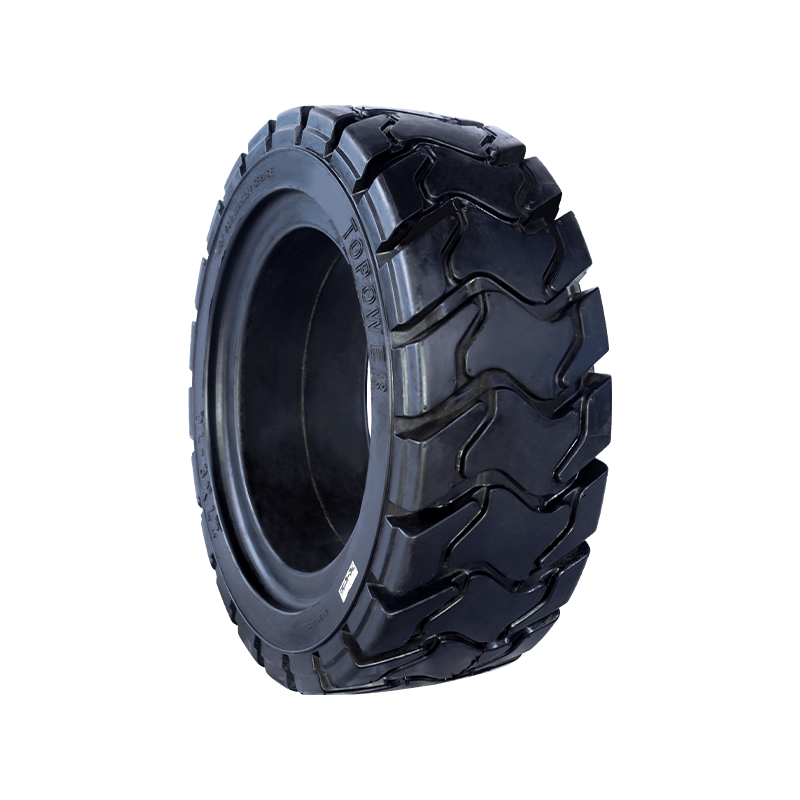
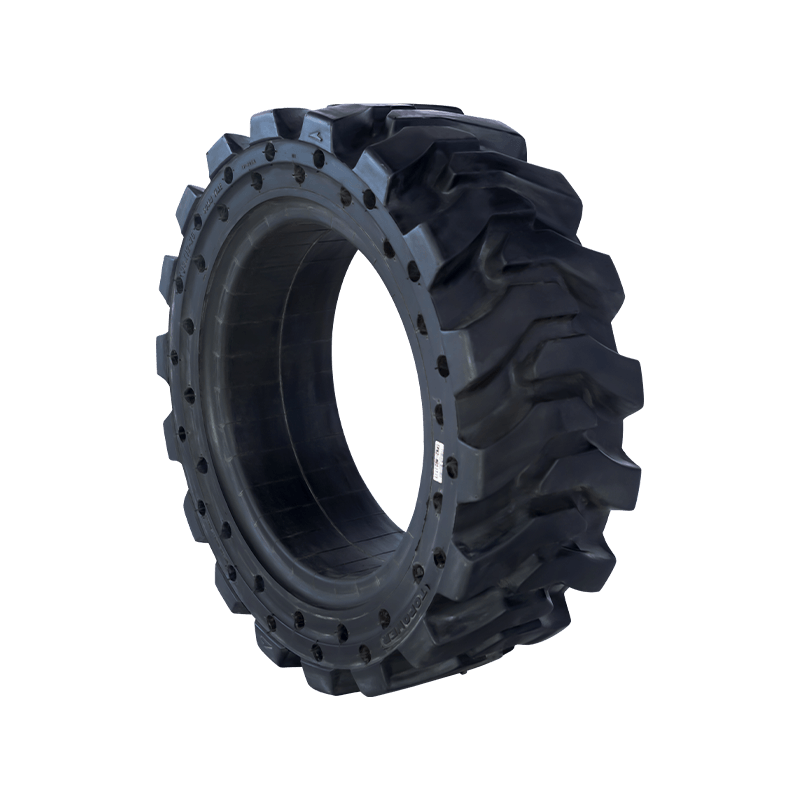
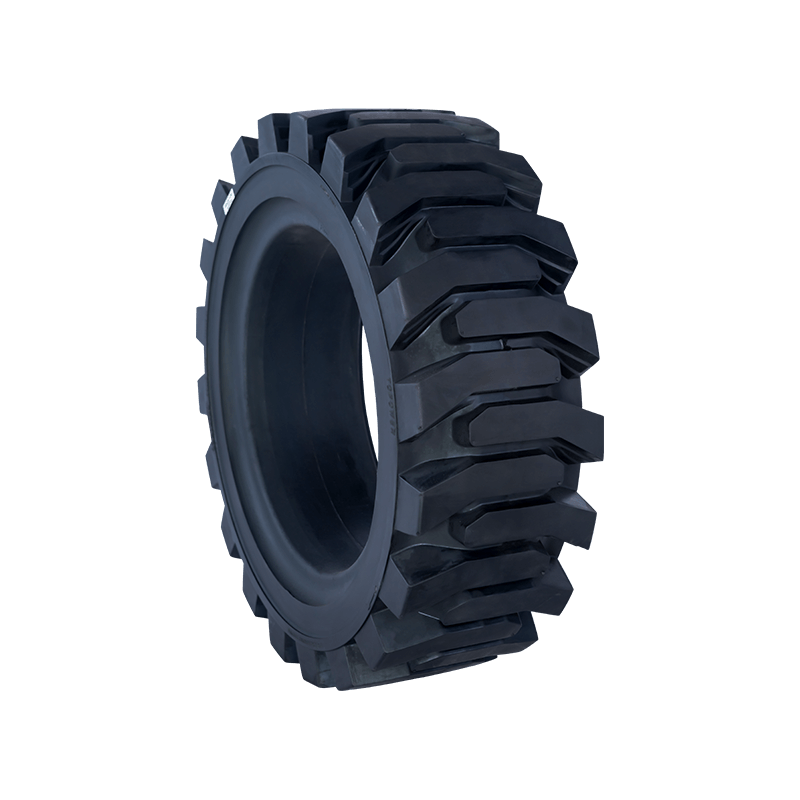
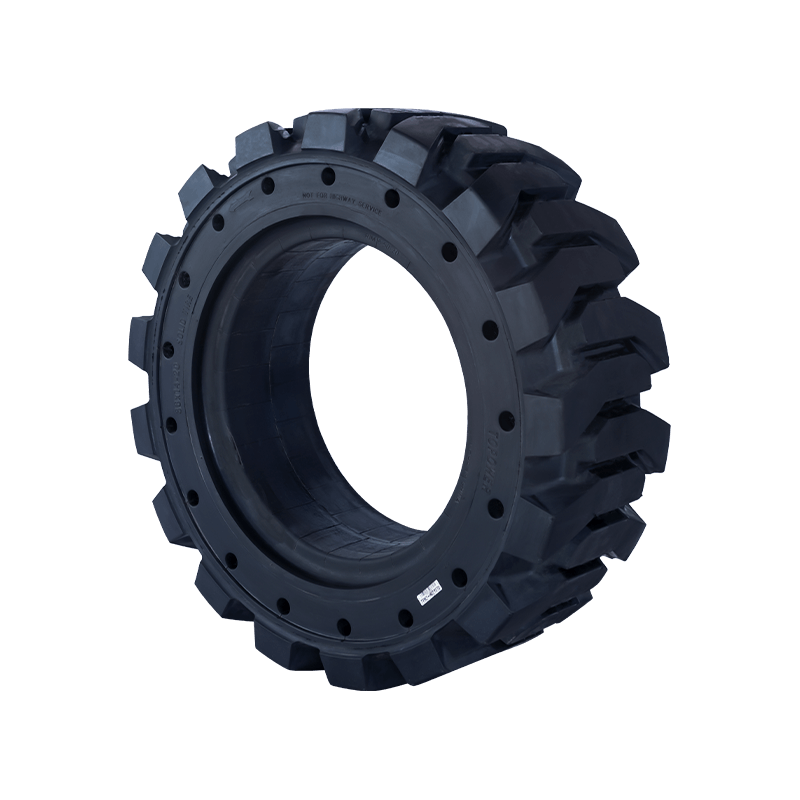
Foam filling is one answer to flat risk, not the only answer. A solid tire removes the air cavity entirely, which is why it is common on forklifts, skid-steer loaders, and other industrial machines. Solid tires can carry heavy loads and tolerate debris, but they ride harder and transfer more shock to the wheel and chassis. The machine maker’s approval matters. Industrial solid tires achieve their load-bearing capacity through a different structure than pneumatic tires, so the wheel, axle, and suspension must be suited to that change.
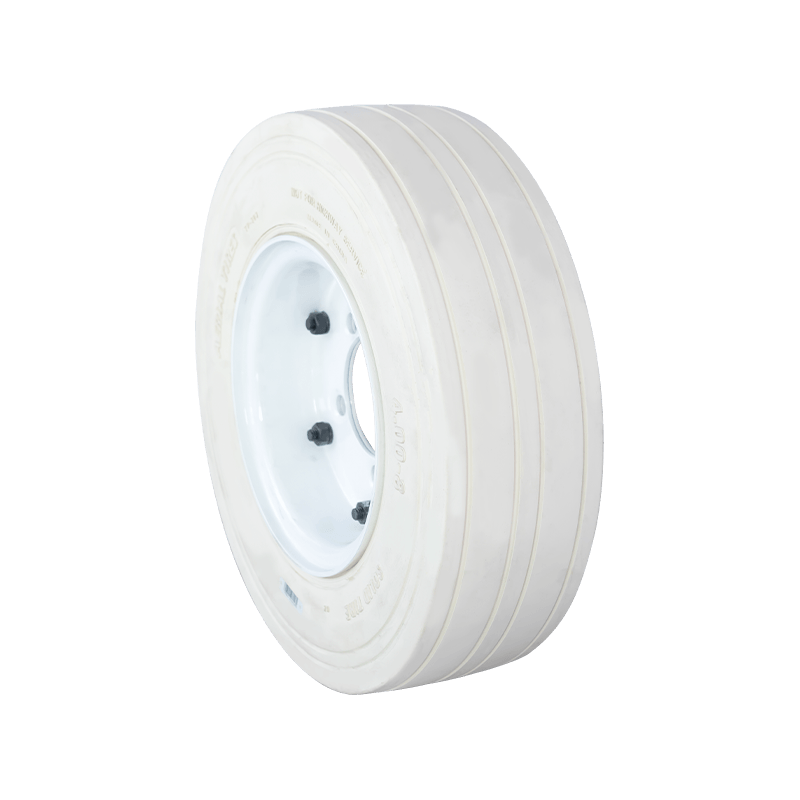
Industrial solid tires achieve load-bearing capacity through a different structure than pneumatic tires, so the wheel, axle, and suspension must be suited to that change.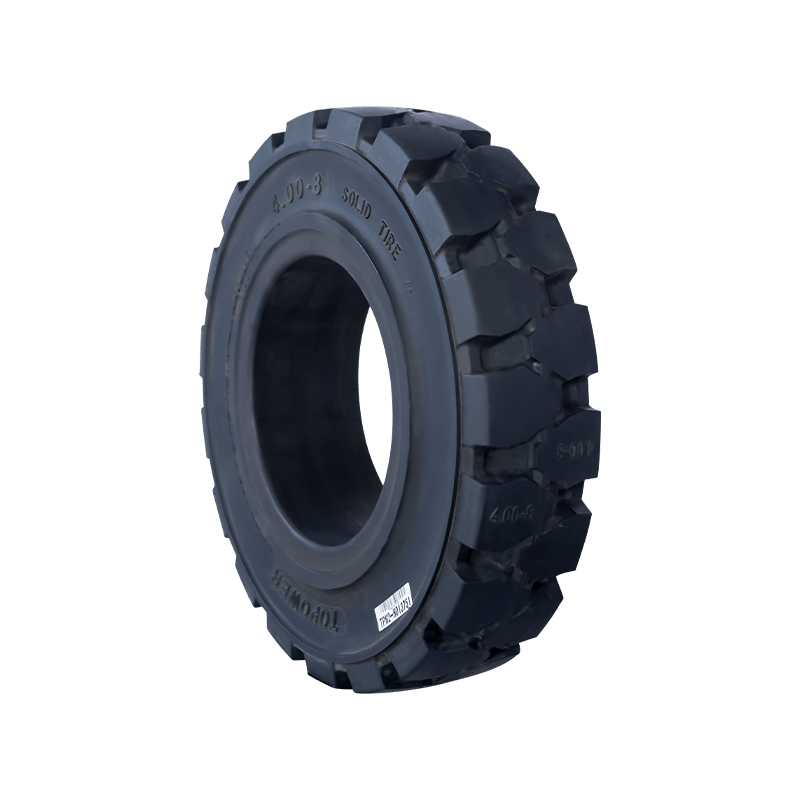 Forklift Solid Tyres with Pneumatic RimsReview forklift solid tyre models and sizes for heavy-load, cut-resistant operation, with black or non-marking options and pneumatic-rim fitting.View Product →
A run-flat insert takes another route. It keeps a pneumatic tire in service after pressure loss by supporting the tire from inside. That can be valuable for safety-critical vehicles that must move out of a danger area rather than stop immediately. The insert must match the tire, rim, and operating conditions. It does not make a tire puncture-proof, and it does not replace inspection. A damaged tire still needs attention.
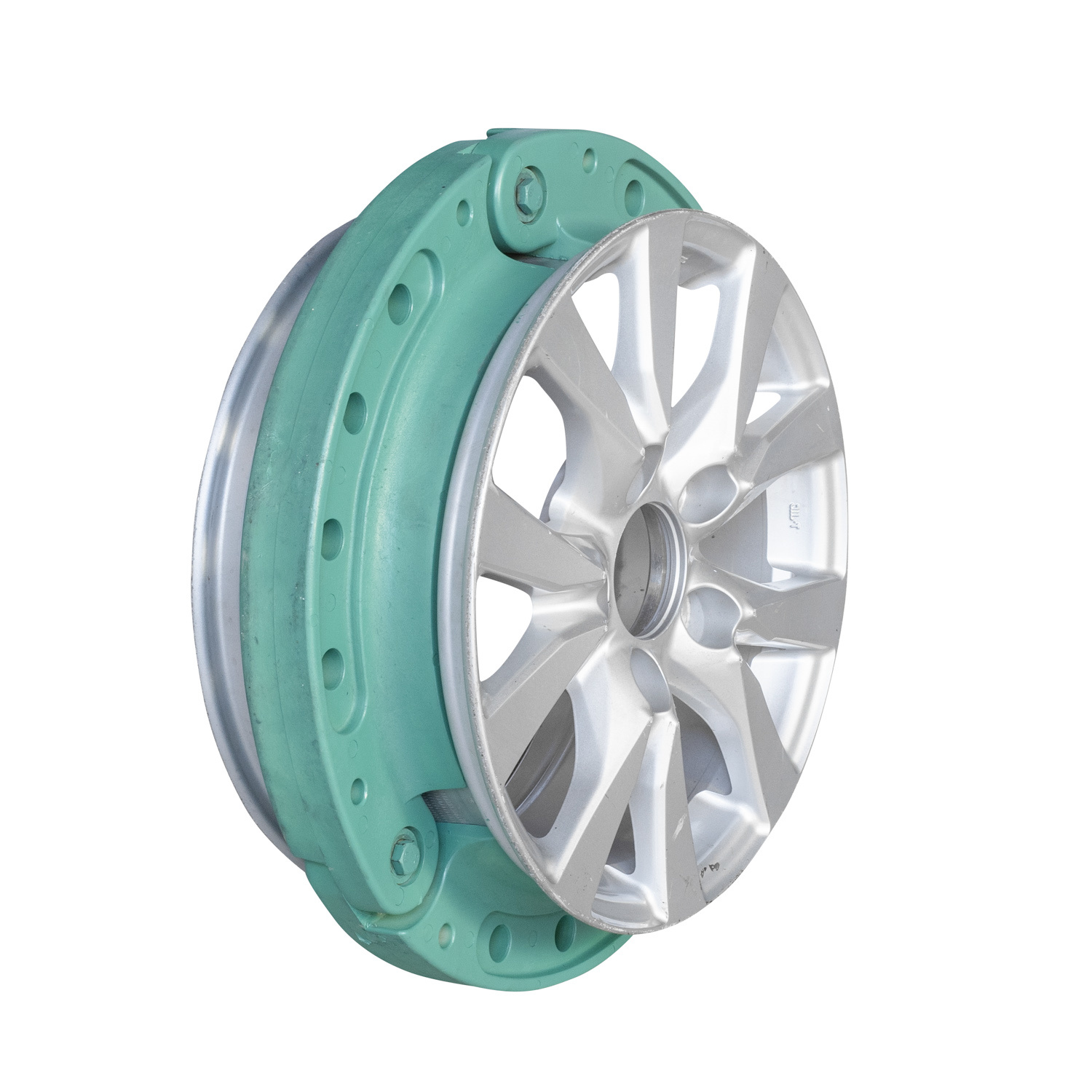 Polymer Run Flat Insert for Pneumatic TyresView a polymer run-flat insert for temporary internal support after pressure loss, with customizable 15–22.5-inch rim sizes and multiple color options.View Product →
Replacement with a new pneumatic tire is sometimes the best choice. If the casing is sound and flats are rare, the original pneumatic tire may offer the best ride and heat tolerance. Foam filling should be reserved for applications where the flat risk justifies the trade-offs. A tire that runs at high speed or carries a sensitive load may be better served by a new tire, a different wheel assembly, or a machine-level fix such as debris sweeping and route changes.
A Practical Decision Checklist Before You Foam Fill
Use the following checklist to keep the decision grounded in the application rather than in a generic video or a supplier’s sales claim.
- Confirm the machine’s maximum speed and load. If the speed is above the foam-filled tire limit, stop.
- Check the tire and rim for damage, corrosion, and prior repairs. Reject any casing with cord damage or bead damage.
- Get written approval for the tire, rim, and foam system from the tire maker or an qualified engineer.
- Verify the foam chemistry, density, mix ratio, working time, and cure schedule from the supplier’s datasheet.
- Plan the fill path and vent path. Confirm that displaced air can escape and that the assembly can be clamped safely.
- Calculate fill weight from the cavity volume and target density, with a documented allowance for loss.
- Set acceptance criteria for voids, soft spots, flash, bead condition, and balance before production starts.
- Train the operator on chemical safety, ventilation, PPE, exotherm control, and emergency response.
- Record the tire serial number, foam batch, fill weight, cure time, and inspector for traceability.
- Confirm disposal and recycling options for foam-filled tires before the first tire is filled.
Foam filling works when it is treated as a controlled industrial process. The tire must be sound, the rim must be approved, the foam must be the right closed-cell polyurethane system, and the fill volume and cure must be documented. It is not a universal repair for every flat, and it is not a substitute for a damaged casing. For slow-speed equipment that faces constant puncture risk, a properly foam-filled tire can reduce downtime and keep a machine working. For high-speed, heat-sensitive, or safety-critical applications, a solid tire, a run-flat insert, or a new pneumatic assembly may be the better answer. The difference is in the duty cycle, the approval, and the discipline of the process.