 English
 русский
 Español
 عربى

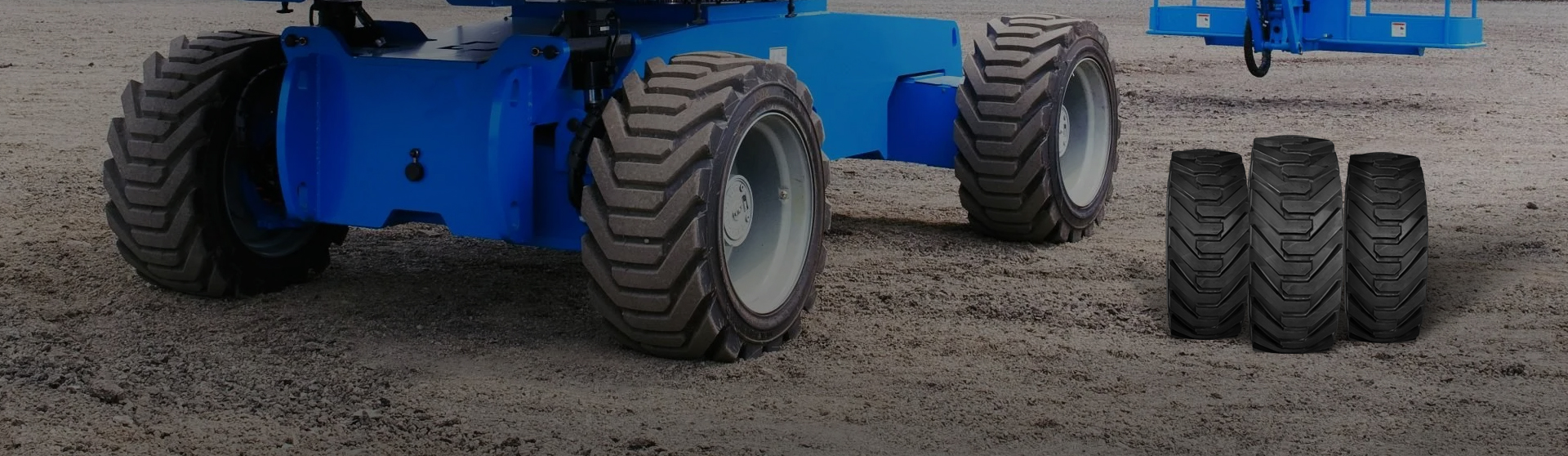

A forklift that stops with a flat tire at 2 a.m. in a chilled distribution center is not just a maintenance ticket. It is a missed dock appointment, a cold-chain risk, and a queue of trailers waiting for a loading bay. That is why buyers searching for flat proof industrial tires usually are not shopping for a single product. They are trying to remove a specific failure mode from a specific duty cycle.
The short answer is this: match the flat-proofing method to the wheel, load, speed, floor, and maintenance system. Solid tires are the default for many industrial machines. Press-on solid tires suit conventional industrial rims and high-load forklift work. PU foam filled tires preserve a pneumatic casing and can soften the ride, but they add weight and heat. Run-flat inserts are a security and limp-home measure, not a general warehouse solution. None of these options is universally better; each one moves the risk somewhere else.
That risk shift matters in procurement. A tire that is technically flat proof but too stiff can crack rims, loosen wheel hardware, or damage a clean floor. A tire that is too soft may wear quickly or generate heat in continuous operation. A tire that is over-specified can add cost and weight without improving uptime. The useful question is not “Which tire never goes flat?” but “Which tire keeps this machine productive in this application without creating a new failure point?”
This guide is written for the people who have to answer that question with a purchase order: fleet managers, maintenance supervisors, OEM engineers, importers, and distributors. It covers the main flat-proofing routes, the wheel and rim details that decide whether a tire actually fits, the load and heat checks that are easy to skip, and the procurement information that prevents expensive returns.
Flat Proof Industrial Tires Solve Downtime, Not Every Tire Problem
Flat proof industrial tires are used because the cost of a flat is rarely limited to the tire. In a warehouse, a flat can block an aisle, strand a pallet, and force a battery change or a tow. In a port or steel plant, it can expose workers to a heavy wheel change in a live traffic area. In cold storage, it can interrupt a temperature-controlled process. In an aerial work platform, it can turn a planned maintenance task into an unplanned rescue.
The common failure modes are also more varied than “a nail in the tread.” Pneumatic industrial tires lose air through punctures, cut sidewalls, damaged valves, porous rims, and bead leaks. They can run under-inflated for weeks before a failure, which damages the casing and increases heat. Solid tires remove the air chamber, but they can still fail through chunking, sidewall cracking, tread wear to the base, rim slippage, or press-fit problems. Foam filled tires can fail if the fill is incomplete, the casing is already damaged, or heat builds up faster than the foam can tolerate. Run-flat inserts can be damaged if the tire is run flat for too long or at too high a speed.
So the first procurement decision is not “solid or pneumatic.” It is a failure-mode decision. If the main problem is sharp debris on a low-speed forklift route, a solid or press-on tire is a direct answer. If the machine needs a softer ride and operates at higher speed with occasional puncture risk, a foam filled tire may be more suitable. If the requirement is to keep a security vehicle moving after pressure loss, a run-flat insert is the relevant category. Mixing these categories in a single tender usually produces offers that are difficult to compare.
It also helps to separate flat-proofing from floor protection and load protection. A solid tire can be flat proof and still mark a floor. A foam filled tire can be flat proof and still overload a wheel bearing if the added weight is not considered. A run-flat insert can keep a vehicle mobile and still be ruined by a long, fast run on zero pressure. The purchase only works when the tire, wheel, machine, and operating routine are treated as one system.
The Four Practical Routes to a Flat-Proof Tire
Most industrial flat-proofing conversations come back to four routes. They are not interchangeable, and they do not have the same cost structure. The table below is a useful starting point for an internal review, but it should not replace a load and duty-cycle check.
| Route | How it works | Typical fit | Main watch-outs |
|---|---|---|---|
| Solid cushion tire | Molded rubber replaces the air chamber; may be direct-mounted or press-on. | Low-speed, high-load industrial equipment with predictable floors. | Heat, ride harshness, floor marking, wheel condition, and tread wear limits. |
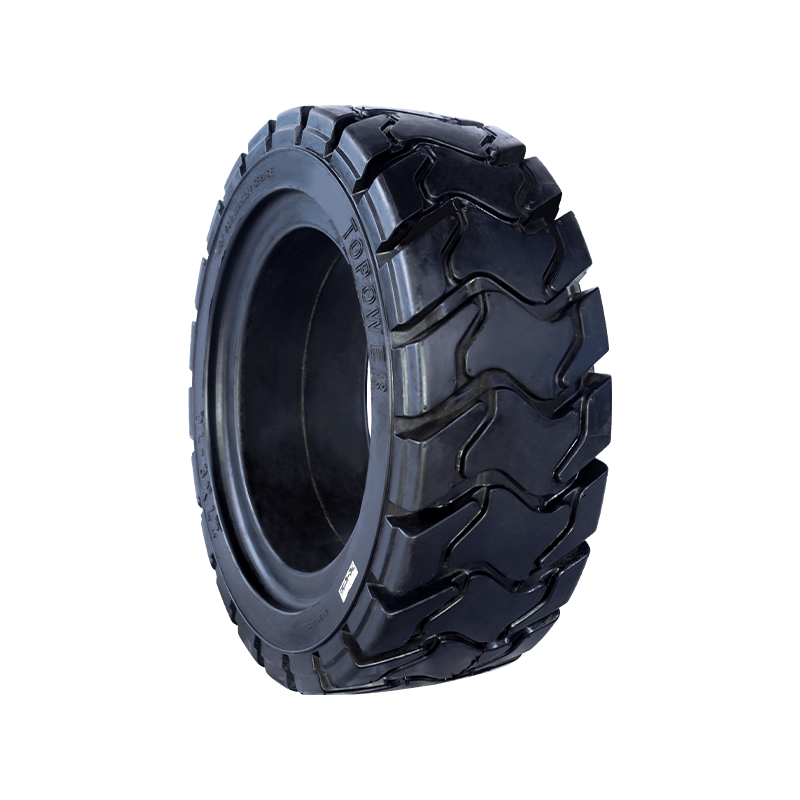
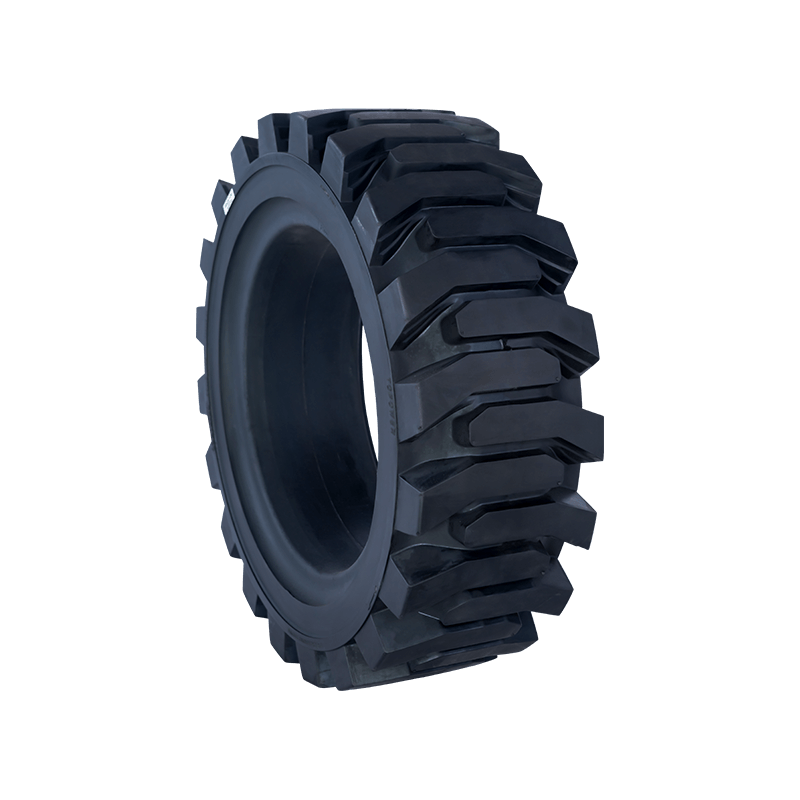
| Press-on solid tire | A solid rubber band is press-fitted onto a compatible rim. | Forklifts, skid-steer loaders, sweepers, trailers, and similar industrial machines. | Rim tolerance, mounting equipment, interference fit, heat, and load per wheel. |
| PU foam filled tire | A pneumatic tire casing is filled with polyurethane foam, usually to remove the air cavity. | Mixed fleets, outdoor yards, and machines that need a softer ride than a solid tire. | Added weight, heat build-up, fill quality, casing condition, and speed limits. |
| Run-flat insert | A polymer or rubber insert inside the tire supports the vehicle after pressure loss. | Security, emergency, and special vehicles that need limited mobility after a puncture. | Run distance, speed, heat, wheel compatibility, and inspection after use. |
The table hides one important detail: the wheel is part of the product. A press-on tire that is correct on paper can fail if the rim is worn, out of round, or outside the specified diameter. A foam filled tire can be let down by a casing that was already damaged before filling. A run-flat insert can be ineffective if the wheel or tire combination has not been validated. Buyers who treat the tire as a standalone SKU often discover these issues only after the first installation.
Solid and Press-On Tires Are Not the Same Purchase
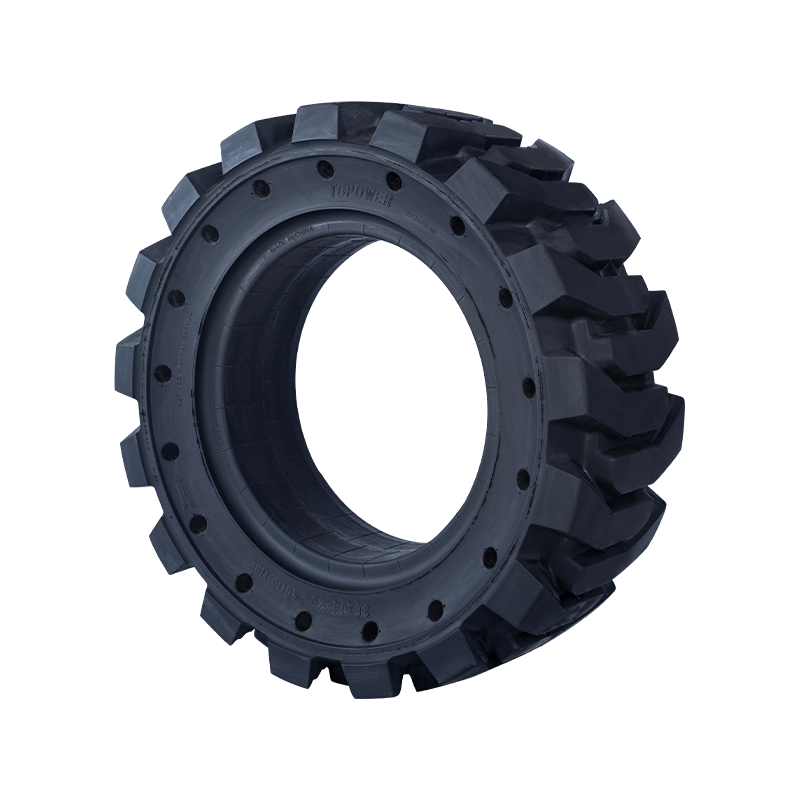
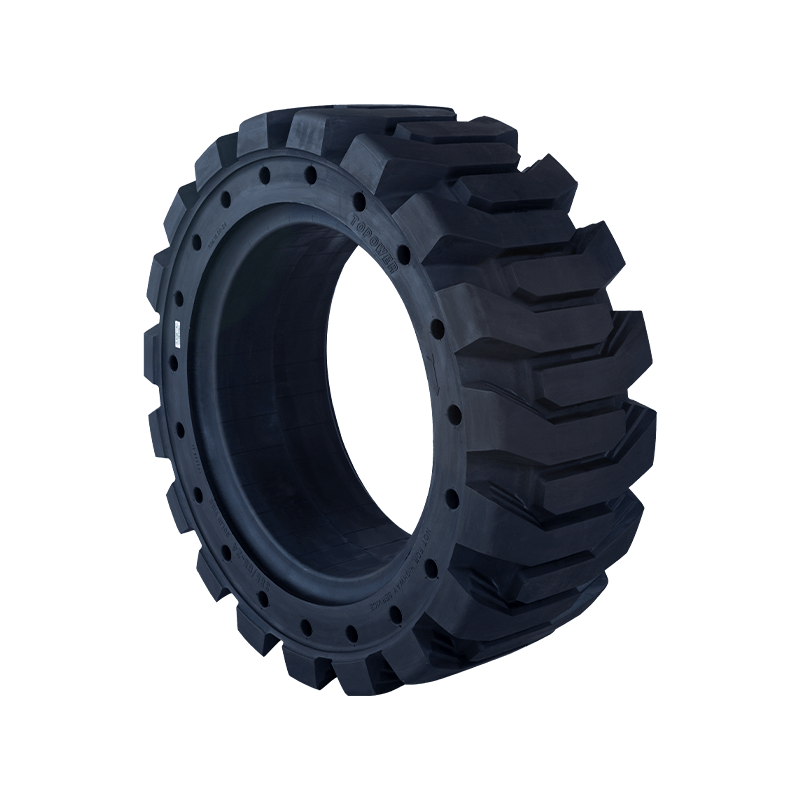
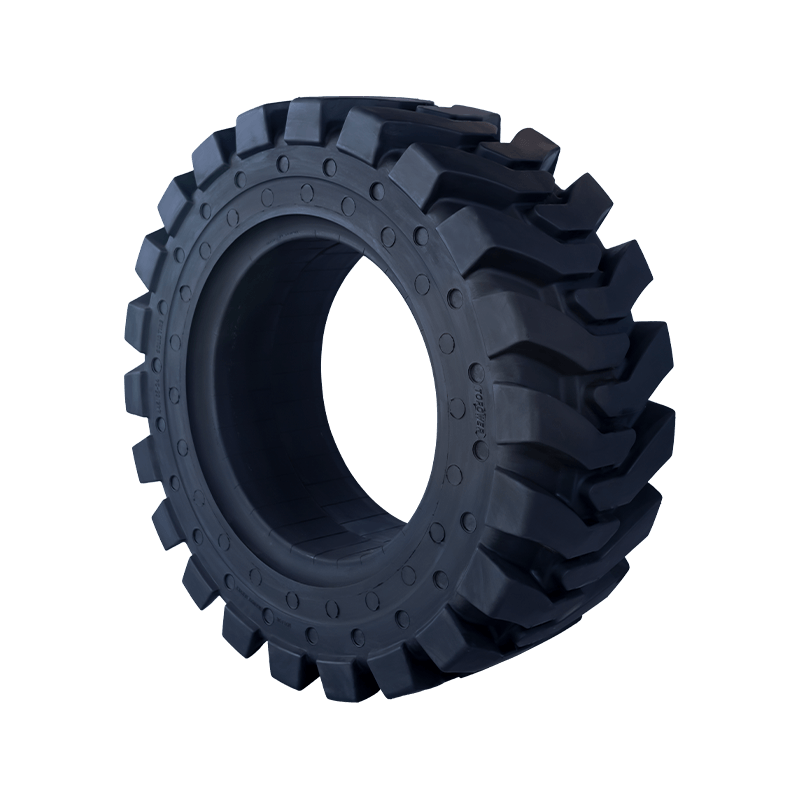
Solid cushion tires and press-on solid tires both remove air, but they serve different wheel systems. A solid cushion tire is often a complete assembly or a molded tire designed for a specific wheel. A press-on tire is a replacement band that depends on a clean, dimensionally correct rim and a controlled press fit. The press-on route is common in forklifts because it allows the tire to be replaced without replacing the entire wheel assembly, but it also puts more responsibility on the mounting workshop.
For a buyer, that means the quotation should state whether the price includes mounting, whether the rim is reusable, and who accepts responsibility if the press fit is loose or excessive. A loose press-on tire can slip and damage the rim. An excessively tight tire can crack during mounting or distort the rim. These are not theoretical concerns; they are the reason a “cheap” press-on tire can become an expensive wheel replacement.
Foam Filled Tires Are a Casing-Based Solution
PU foam filled tires begin as pneumatic tires. The quality of the casing still matters after filling. A casing with a repaired sidewall, a weak bead, or a history of under-inflation may fail even though the air cavity is gone. The fill process also matters: an incomplete fill leaves voids that can cause imbalance or localized heat, while an overly stiff fill can reduce ride quality and increase stress on the machine.
This is why foam filled tires are often specified for mixed-use machines rather than for the most severe constant-load applications. They can be a good compromise when a solid tire would be too harsh or too heavy, but they are not a free upgrade. The added weight, the loss of pressure adjustment, and the need to control speed and heat all belong in the operating instructions.
Run-Flat Inserts Are a Different Category
A run-flat insert does not prevent a puncture. It allows a vehicle to continue moving for a limited distance after pressure loss. That distinction is important in procurement because a security vehicle, an armored vehicle, or an emergency response unit may need run-flat capability even though its tires are still pneumatic. The insert is a safety system, and it should be selected with the tire, wheel, and vehicle load in mind. It is usually a poor substitute for a solid tire in a general warehouse fleet, where the priority is low cost per hour rather than limp-home capability.
Press-On and Demountable Solid Tires: Match the Wheel, Not Just the Tire
Press-on solid tires are one of the most practical answers for forklifts and similar industrial machines because they eliminate the air chamber while keeping a serviceable wheel assembly. The tire is pressed onto a rim under controlled interference. The interference is small, often measured in tenths of a millimeter, but it is critical. Too little interference and the tire may slip under torque. Too much interference and the rim or tire may be damaged during mounting.
That is why a press-on tire quotation should be based on a rim drawing, not just a tire size. The useful data includes rim diameter, rim width, flange profile, number of pieces, valve hole details if applicable, and the condition of the rim. A worn rim can be outside tolerance even if it looks serviceable. Paint, rust, and burrs can also affect the press fit. In a busy workshop, these details are often handled by habit; in a procurement audit, they are the difference between a controlled process and a recurring failure.
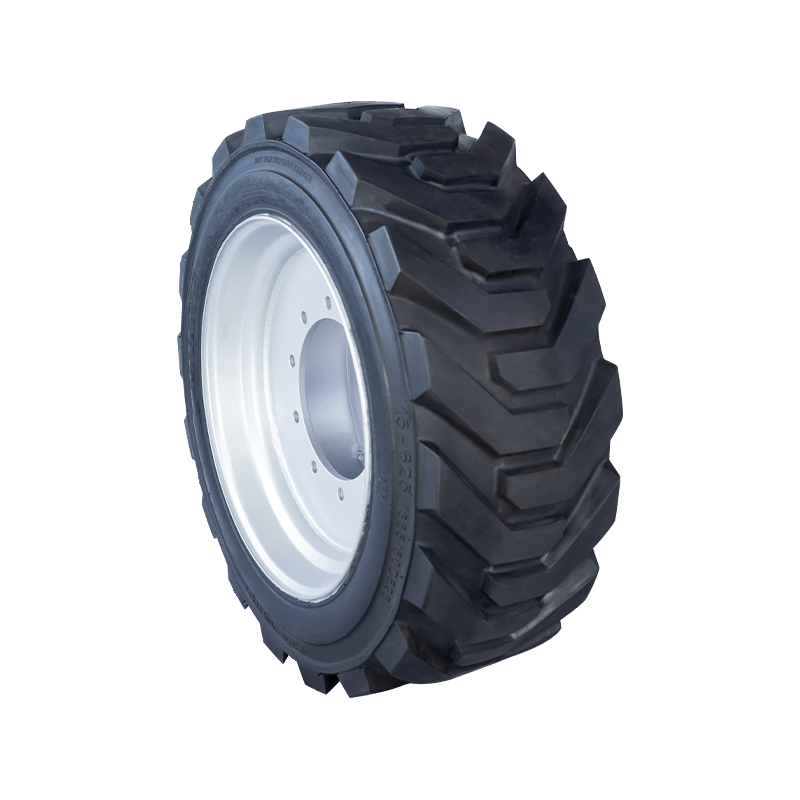
 Press-On Solid Tyres with Reusable Steel RimsReview press-on solid tyre options where rim fit, load capacity, and reusable steel rims matter for forklifts and trailers.View Product →
Demountable and Bolt-On Assemblies
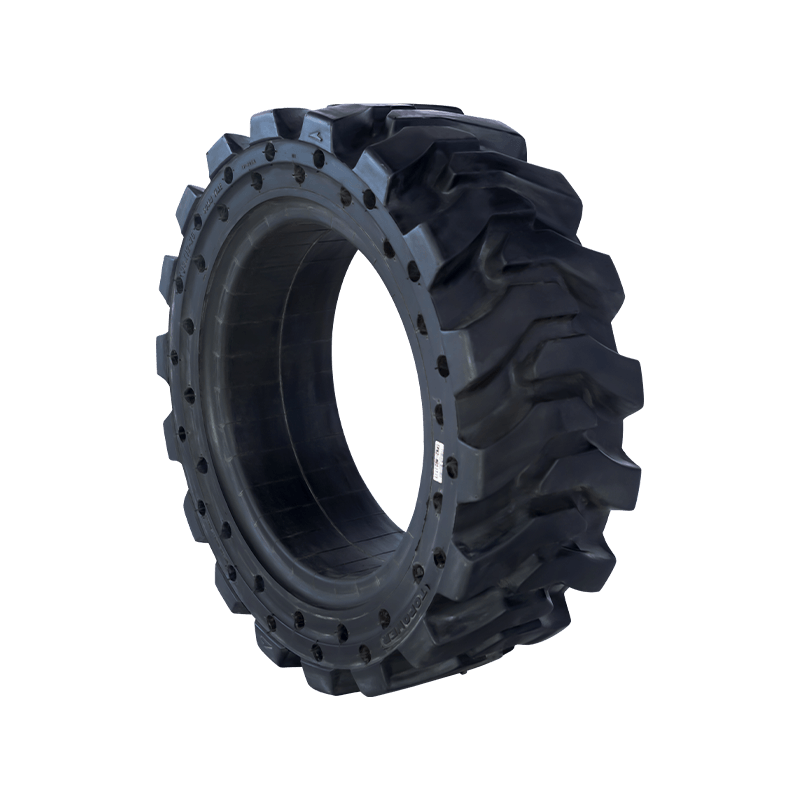
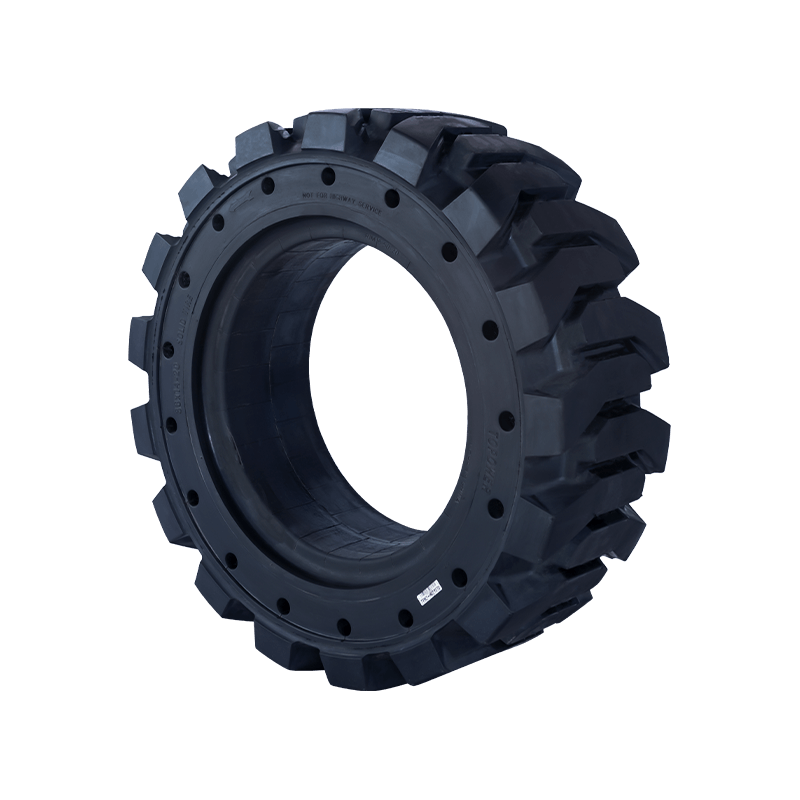
Some industrial machines use demountable wheel assemblies or bolt-on solid tire packages rather than a bare press-on band. These can simplify replacement and reduce downtime because the complete assembly can be prepared before the machine is taken out of service. The trade-off is that the wheel inventory and the mounting interface become part of the specification. The buyer needs to confirm the bolt pattern, center bore, offset, and load rating, not only the tire diameter.
For fleet standardization, a demountable assembly can be attractive because it reduces the skill required at the point of replacement. For an OEM, it can simplify the production line. For a distributor, it changes the stock-keeping unit from a tire to a wheel-and-tire assembly. None of these choices is inherently better; they simply move the complexity to a different part of the supply chain.
When Press-On Is the Wrong Choice
Press-on solid tires are not ideal when the rim is in poor condition, when the machine needs a softer ride, or when the tire must be changed without a press. They are also a poor fit when the load is high but the speed is also high enough to generate significant heat. In those cases, a different solid tire design, a foam filled tire, or a larger wheel assembly may be more appropriate. The decision should come from the duty cycle, not from the fact that press-on tires are common in the industry.
PU Foam Filled Tires: A Middle Path With Real Trade-Offs
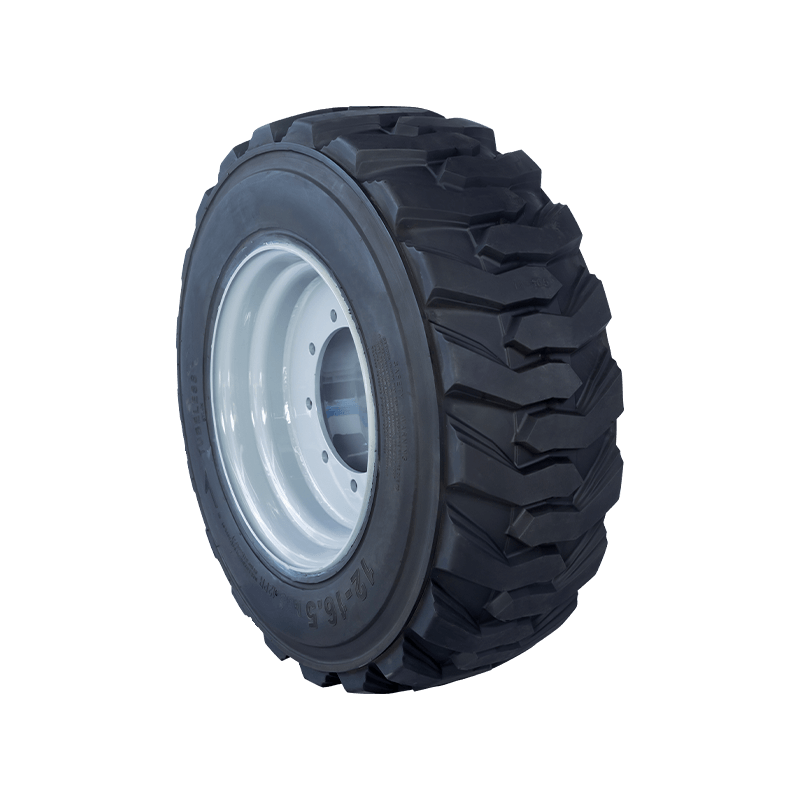
PU foam filled tires are often chosen when a solid tire would be too harsh or too heavy for the machine, but a pneumatic tire keeps failing. The pneumatic casing is retained, so the tire still has a compliant shape and a familiar footprint. The air cavity is filled with polyurethane foam, which removes the normal puncture path and reduces the risk of a sudden pressure loss.
The trade-offs are weight, heat, and serviceability. A filled tire is heavier than the same tire without fill, which affects handling, wheel bearing load, and fuel or battery consumption. The foam can generate heat under continuous operation, especially at higher speeds or with under-inflation-like deflection. The casing can still be damaged by cuts or impact, even though it will not go flat in the usual sense. And once filled, the tire is no longer adjustable by pressure; the operating limits are set by the fill and the casing design.
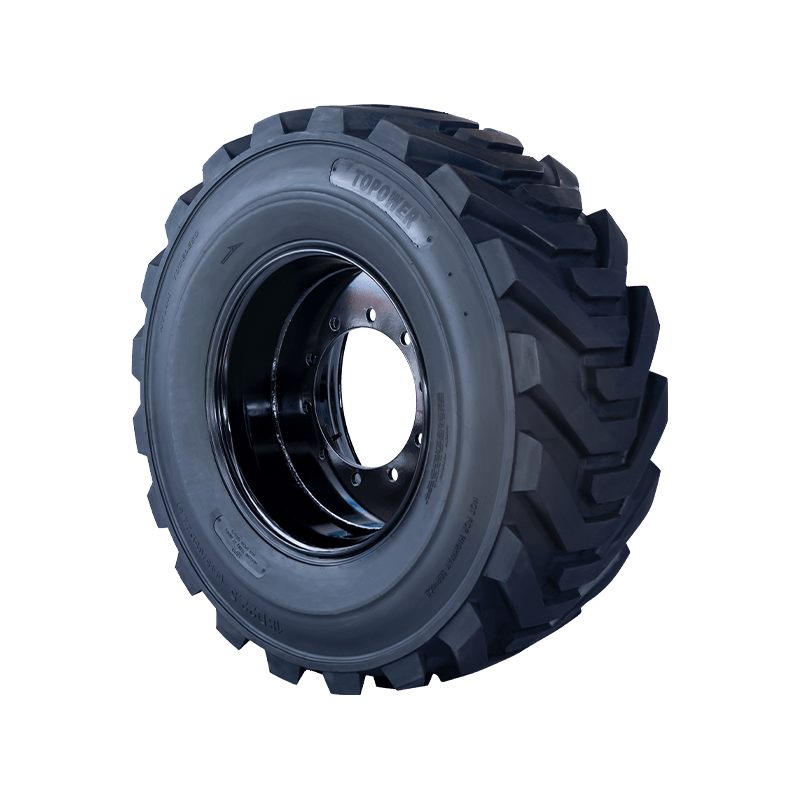
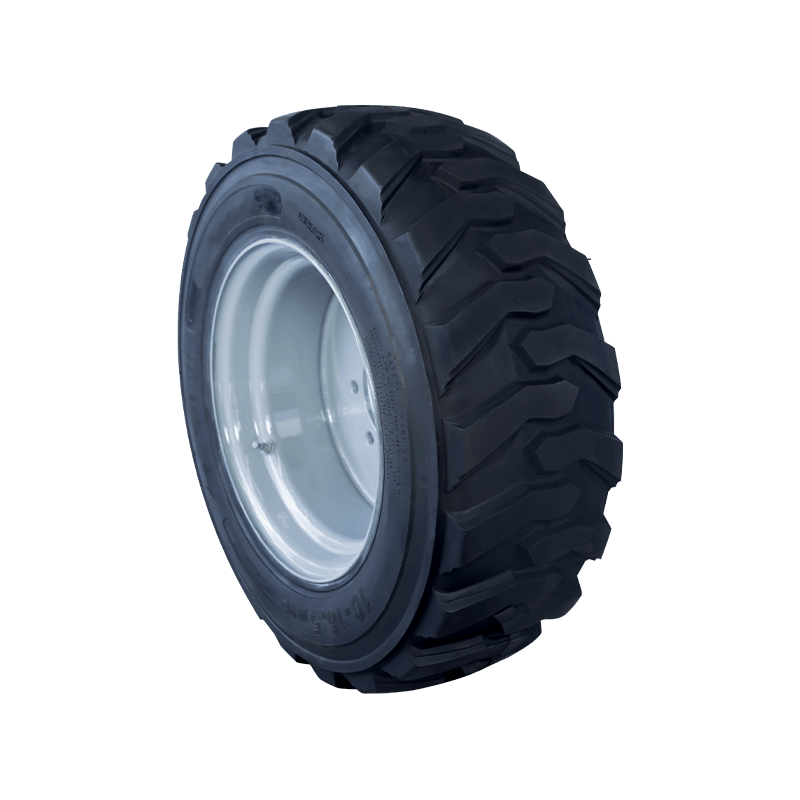 PU Foam Filled Tyres for Aerial Work PlatformsCompare polyurethane-filled tyre sizes for boom lifts and mixed-surface fleets needing puncture resistance, grip, and comfort without flat-tire failures.View Product →
Where Foam Filled Tires Work Well
Foam filled tires are a reasonable fit for rental fleets, outdoor yards, construction support equipment, and machines that operate over mixed surfaces where puncture risk is high but ride quality still matters. They are also useful when a machine was designed around a pneumatic tire and a solid conversion would require changing the wheel, suspension, or counterweight. In those cases, the foam filled route preserves the original tire envelope while reducing the flat-tire failure mode.
They are less suitable for continuous high-speed operation, for applications where the added weight is close to the axle limit, or for machines that need regular pressure adjustment for load changes. A buyer should ask for the fill method, the target fill density or void acceptance, the maximum operating speed, and the warranty position on casing defects found after filling. These details are more useful than a generic “flat proof” label.
Non-Marking Tires for Floors That Cannot Show the Work
Non-marking tires are a separate requirement from flat proofing, but the two often meet in food plants, pharmaceutical facilities, electronics manufacturing, clean warehouses, retail backrooms, airports, and showroom environments. A standard black solid tire may be flat proof and still leave marks that require cleaning, affect product quality, or fail an audit. A non-marking compound reduces the tendency to leave black marks, but it does not make the tire invisible.
The first point to clarify is what “marking” means in the application. A black rubber mark from tire scrub is different from a floor scuff caused by a hard wheel, a fluid leak, or a damaged tire edge. A non-marking tire can reduce black marks, but it will not prevent physical scuffing if the machine is misaligned or the floor is abrasive. It also does not eliminate wear; non-marking compounds may trade some wear resistance or load capacity for their color and marking behavior.
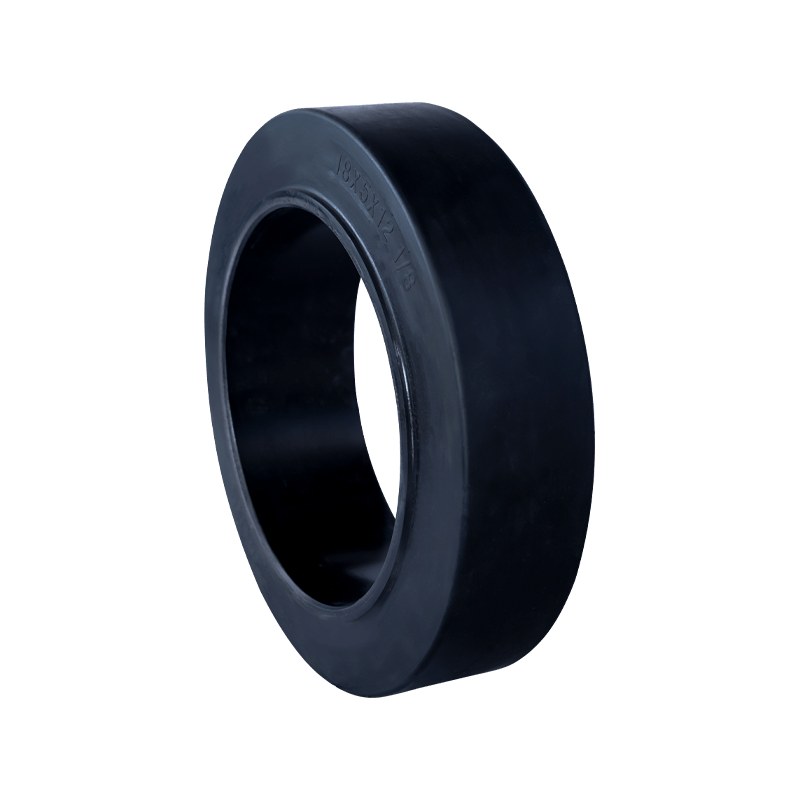
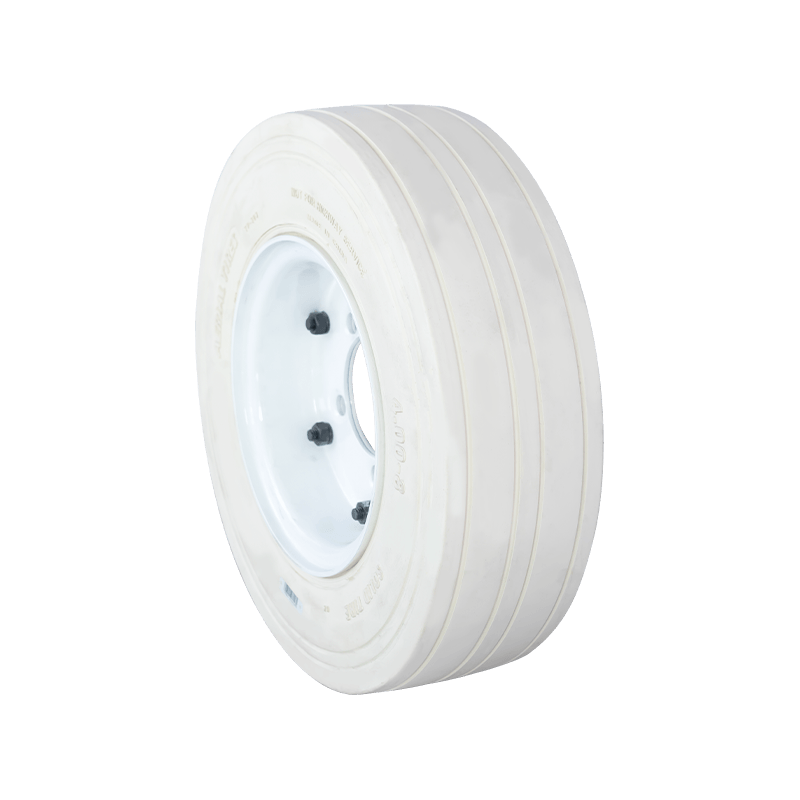 Non-Marking Solid Tyres for Indoor Scissor LiftsBrowse white and gray non-marking solid tyre sizes and tread patterns for indoor machinery where floor cleanliness and reduced black marks matter.View Product →
Floor Types and Cleaning Routines
Epoxy-coated floors, polished concrete, sealed concrete, and tile can behave differently with the same tire. A floor that is clean and dry may show marks differently from a floor with dust, oil, or food residue. The cleaning routine also matters: a tire that leaves a light mark that is easily removed may be acceptable, while a tire that leaves a dark, smeared mark may not. The purchasing team should test a sample on the actual floor if the facility has strict appearance or hygiene standards.
Non-marking tires are often specified in white or gray compounds. The color is a visual cue, not a guarantee. The buyer should confirm the compound’s intended use, the load rating, the speed limit, and the floor conditions. In food and pharmaceutical environments, the tire also needs to fit the cleaning and hygiene regime; a non-marking tire that traps debris or breaks down under washdown chemicals is not a good choice, even if it passes the mark test on day one.
Non-Marking Is Not a Substitute for Load Planning
A common mistake is to select a non-marking tire because the floor is sensitive, then discover that the tire’s load rating is lower than the standard black tire. The machine may be within the tire’s nominal capacity at rest but outside it during a lift, a turn, or a continuous shift. The result can be rapid wear, heat, or sidewall failure. Non-marking compounds should be selected with the same load, speed, and heat checks as any other industrial tire.
Load, Speed, Heat, and the Duty Cycle Calculation
Most flat-proofing failures are not caused by the tire being the wrong color or the wrong brand. They are caused by the tire being asked to carry more load, run faster, or operate longer than its design allows. A solid tire does not have air pressure to adjust, so the load rating is tied to the tire’s size, compound, wheel, and speed. A foam filled tire adds weight and heat sensitivity. A run-flat insert adds a new set of limits after pressure loss.
A useful starting calculation is to estimate the load per wheel, not just the total vehicle load. Take the machine’s empty weight, add the rated payload, and distribute the load across the load-bearing wheels according to the axle position and the attachment. Then apply a safety factor for the application. A forklift with a heavy attachment, a side shift, or a high lift height may impose higher loads on the front wheels than the basic data plate suggests. A trailer may impose different loads when loaded, unloaded, or braked.
Speed is the next multiplier. A tire that is rated for a low speed in a warehouse may not be suitable for a machine that travels long distances outdoors. Heat builds up when the tire deflects repeatedly, and solid or foam filled tires have less ability to dissipate heat than a pneumatic tire with air circulation. The practical sign of trouble is not always a blowout; it can be a tire that runs hot, develops cracks, or wears in a wave pattern. If the machine operates continuously, the duty cycle should be described in hours per shift and starts per hour, not just “indoor use.”
The load and speed relationship is one of the most common gaps in tire inquiries. A buyer may send a tire size and a machine model, but not the actual load per wheel or the travel speed. The supplier may then quote a tire that fits physically but is marginal in service. For a more detailed explanation of how solid tires behave under different load conditions, see how industrial solid tires perform under different load conditions.
A Simple Load and Heat Review
- List the empty machine weight, rated payload, attachment weight, and any load transfer during lifting or braking.
- Identify the worst-case load per wheel, not the average load across all wheels.
- Confirm the maximum travel speed and the longest continuous run.
- Record the floor type, slope, and turning radius; tight turns increase scrub and heat.
- Check the wheel and rim load rating, not only the tire rating.
- Ask for the tire’s speed-dependent load capacity and the recommended maximum operating temperature.
If the application is close to a limit, the safer choice is usually to move up in tire size, change the wheel assembly, or reduce the duty cycle. A lower-cost tire that is marginally rated for the job will often cost more over the life of the machine because of downtime, wheel damage, and premature replacement.
The Procurement Pack: What to Send Before You Ask for a Quote
A good tire inquiry reduces the back-and-forth and protects both sides from a wrong recommendation. The useful pack is not a long document; it is a set of specific facts that let the supplier compare options on the same basis. For flat proof industrial tires, the pack should cover the machine, the wheel, the load, the environment, and the acceptance criteria.
Start with the machine and application. Include the machine type, model, rated capacity, attachment, and typical load center. State whether the tire is for OEM production, aftermarket replacement, or a rental fleet. For a forklift, include the lift height and whether the machine operates in a container, a cold store, or a yard. For an aerial work platform, include the platform height, the floor condition, and whether the machine is used indoors, outdoors, or both. For a trailer, include the gross vehicle weight and the tongue load.
Then provide the wheel data. A tire size alone is not enough for press-on or demountable assemblies. Include the rim drawing or the measured rim diameter, width, flange profile, bolt pattern, center bore, offset, and number of pieces. Note the rim condition: new, used, painted, rusty, or repaired. If the rim is worn, the supplier needs to know because a press-on tire that fits a new rim may not fit a worn one safely.
The load and speed data should be explicit. State the load per wheel in the worst case, the maximum speed, the average speed, the distance per shift, and the number of shifts per day. Add the floor type, slope, and turning conditions. For outdoor use, include exposure to water, mud, chemicals, salt, and temperature extremes. For food or pharmaceutical use, include washdown chemicals and cleaning frequency. For security vehicles, include the required run-flat distance and speed after pressure loss.
Finally, define the commercial and quality requirements. The quotation should state the tire size, compound, load rating, speed rating, wheel compatibility, mounting service if included, warranty, and documentation. If the facility requires traceability, ask for batch identification and inspection records. If the tire is for a safety-related application, ask for the validation method and the limits of the run-flat system. A clear acceptance standard prevents a delivery from being judged only by appearance.
Useful Information for a Tire RFQ
- Machine type, model, rated capacity, and attachment.
- Tire size, current tire type, and reason for replacement.
- Wheel or rim drawing, dimensions, condition, and mounting method.
- Load per wheel in the worst case and the normal load.
- Maximum speed, average speed, distance per shift, and shift pattern.
- Floor type, slope, turning radius, and debris or chemical exposure.
- Operating environment: indoor, outdoor, cold store, washdown, or hazardous area.
- Required marking behavior, color, and cleaning routine.
- Annual quantity, order pattern, and whether mounting is required.
- Warranty, documentation, and acceptance criteria.
This pack also helps the buyer compare offers. A low-price tire that requires a new rim, a different mounting press, or a shorter replacement interval is not necessarily cheaper. A higher-price tire that fits the existing wheel and meets the load and heat requirement may have a lower cost per operating hour.
Installation, Inspection, and Maintenance Discipline
Flat proof industrial tires still need maintenance. The fact that they do not rely on air pressure does not mean they are maintenance-free. Press-on tires can slip if the rim is worn or the interference is wrong. Solid tires can crack, chunk, or wear unevenly. Foam filled tires can develop casing damage or heat damage. Run-flat inserts need inspection after any pressure-loss event. A simple inspection routine catches most of these issues before they become downtime.
The first inspection point is the wheel. Look for loose or missing wheel nuts, cracked flanges, corrosion, elongation of bolt holes, and signs of tire slippage on the rim. On press-on assemblies, check the tire-to-rim fit and look for movement marks. On demountable assemblies, check the mounting faces and fasteners. A wheel problem can mimic a tire problem, and replacing the tire without correcting the wheel often leads to a repeat failure.
The second point is tread and sidewall condition. Measure remaining tread at several points around the circumference, not just at one spot. Look for flat spots, wave wear, embedded metal, cuts, and sidewall cracks. Uneven wear can indicate a machine alignment issue, a brake problem, a worn wheel bearing, or an incorrect tire specification. A tire that is wearing faster on one side may be overloaded or misaligned rather than simply “wearing out.”
The third point is heat. After a representative shift, check whether the tire is unusually hot. Heat can come from under-inflation in a pneumatic tire, but in a solid or foam filled tire it can come from overload, high speed, excessive turning, or a dragging brake. If a tire is running hot, do not simply reduce the load rating on paper; find the cause. A heat problem that is ignored can lead to compound breakdown, cracking, or separation.
Inspection Checklist
- Check wheel nuts, flanges, bolt holes, and signs of slippage.
- Measure tread depth at multiple points and compare across the tire.
- Look for cuts, embedded debris, chunking, and sidewall cracks.
- Check for oil, chemical, or water contamination that may affect the compound.
- Feel for abnormal heat after a normal shift.
- Inspect run-flat inserts after any pressure-loss event or severe impact.
- Record the inspection results by machine and tire position.
Record-keeping is part of maintenance discipline. If a particular machine position keeps failing, the history will show whether the cause is the tire, the wheel, the operator, or the route. Without records, each failure is treated as a one-off, and the same purchase mistake is repeated.
Total Cost of Ownership and the Mistakes That Inflate It
The cheapest flat proof industrial tire is rarely the one with the lowest purchase price. The real cost includes the tire, the wheel, the mounting labor, the downtime, the replacement interval, and the damage caused by a failure. A tire that costs more but lasts two shifts longer and protects the wheel can be the better purchase. A tire that costs less but requires a new rim or a special press can be the more expensive choice.
One common mistake is over-specifying stiffness. A buyer may choose the hardest, most heavy-duty solid tire available because the application is “severe.” The result can be a harsh ride that loosens components, damages the floor, or reduces operator comfort. Another mistake is under-specifying load. A tire that is barely adequate at rest may be overloaded during a lift or a turn. The right choice is usually the tire that meets the worst-case load with a sensible margin, not the tire with the highest nominal capacity.
A third mistake is mixing tire types on the same machine or fleet without a reason. Different outer diameters, tread patterns, or compounds can change the effective rolling radius and affect traction, braking, and drivetrain load. On a four-wheel machine, mismatched tires can cause continuous slip or uneven wear. Standardization is not just a purchasing convenience; it is a reliability decision.
A fourth mistake is ignoring the wheel. A worn rim, incorrect offset, or damaged flange can ruin a new tire quickly. In a press-on system, the rim is part of the press fit. In a demountable system, the wheel is part of the load path. The buyer should budget for wheel inspection and replacement, not just tires.
A fifth mistake is failing to define the operating limit. A foam filled tire that is used above its speed limit, a run-flat insert that is used beyond its run distance, or a solid tire that is used on a floor it cannot tolerate will generate costs that are not visible in the purchase price. The supplier should state the limits clearly, and the buyer should confirm that the machine and the route can respect them.
A Cost-per-Hour View
A practical comparison can be built around cost per operating hour: purchase price plus mounting plus expected wheel damage plus downtime, divided by expected service hours. The numbers do not need to be perfect to be useful. Even a rough comparison will show whether a lower-price tire is actually cheaper. If the application is critical, the cost of one unplanned stop may exceed the price difference between a standard tire and a better-matched tire.
A Practical Selection Matrix for Flat Proof Industrial Tires
The following matrix is a starting point for an internal review. It should be adjusted with the actual load, speed, floor, and wheel data.
- High-load forklift in a warehouse: press-on solid tire with a verified rim and load rating; check heat at the duty cycle and confirm floor marking requirements.
- Cold-store or food-handling forklift: non-marking solid or press-on tire with a compound suitable for the cleaning routine; confirm low-temperature behavior and floor marking.
- Outdoor yard or rental fleet with puncture risk: PU foam filled tire or solid tire depending on speed and ride; check added weight and casing condition.
- Aerial work platform: solid or foam filled tire designed for the machine’s stability and floor requirements; do not change outer diameter without checking stability.
- Sweeper or municipal equipment: solid tire with good tread wear and debris resistance; confirm wheel compatibility and mounting method.
- Security or emergency vehicle: run-flat insert with a validated tire and wheel package; confirm run distance, speed, and post-event inspection.
- Clean room or showroom floor: non-marking tire with a tested compound; verify load rating and cleaning compatibility.
The matrix is not a substitute for a supplier review. It is a way to ask better questions. If an offer does not state the wheel compatibility, load rating, speed limit, and marking behavior, the buyer does not yet have enough information to compare it with another offer.
Final Takeaway
Flat proof industrial tires are a system choice, not a single product category. Solid and press-on tires remove the air chamber and suit many low-speed, high-load industrial machines. PU foam filled tires keep a pneumatic casing and can improve ride, but they add weight and heat. Non-marking tires address floor appearance, not load capacity. Run-flat inserts provide limited mobility after pressure loss and belong in applications that truly need that capability.
The purchase works when the tire, wheel, load, speed, floor, and maintenance routine are considered together. A clear RFQ, a verified rim, a realistic load check, and a simple inspection routine will prevent more failures than a last-minute switch to the heaviest tire on the shelf. The best flat proof industrial tire is the one that keeps the machine productive without creating a new problem at the wheel, the floor, or the next shift.